Technology
RAISE-4 (RApid Innovative payload demonstration Satellite-4) is a Japan Aerospace Exploration Agency (JAXA) satellite for on-orbit demonstrations of 15 demonstration components and equipment selected by public solicitation. The satellite will be operated in response to requests from the demonstration theme proposers, and will provide experimental data of the demonstration devices and environmental data during the experiments. 6 of the demonstration payload, as well as as well as 4 cubesats originally planned to ride on the same launch vehicle, are re-flight of those planned for RAISE-3, which failed to reach orbit in October 2022. The launch vehicle was switched from Epsilon-S to Rocket Lab's Electron due to continuous testing problems with the Epsilon-S' 2nd stage motor. The original 8 hitch-hiking cubesats will be launched on another Electron rocket later.
Orbital Attempt
#7,153
RL Mission
#77
Pad Launch
#33
Location Launch
#68
Designator
2025-297
Weather GO
90%
Dec 14, 2025, 3:09 AM
Minute
1 update
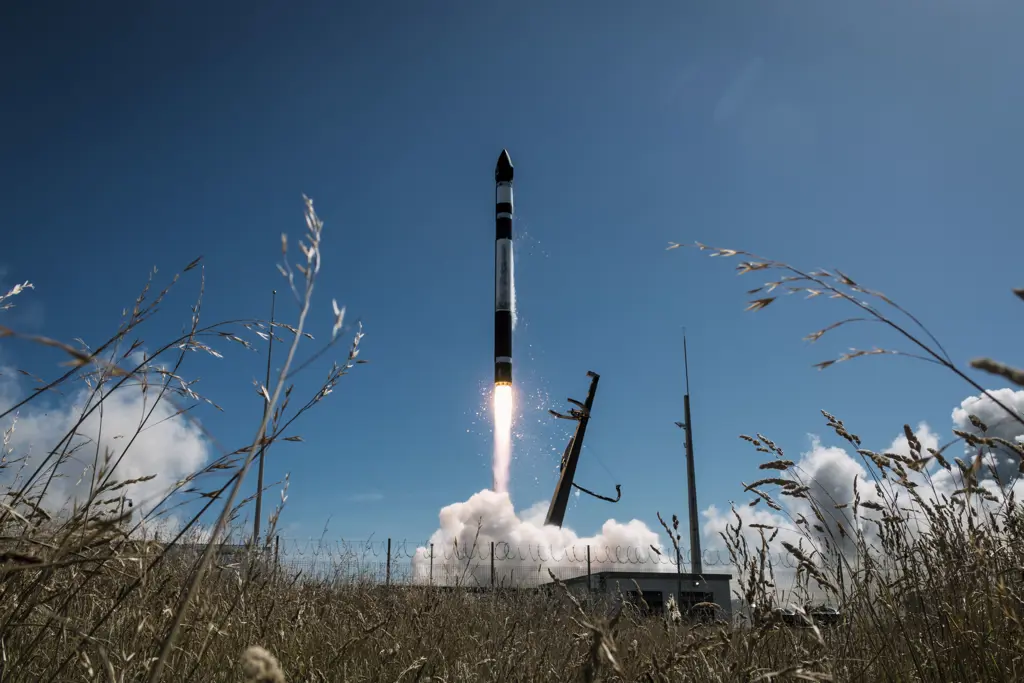
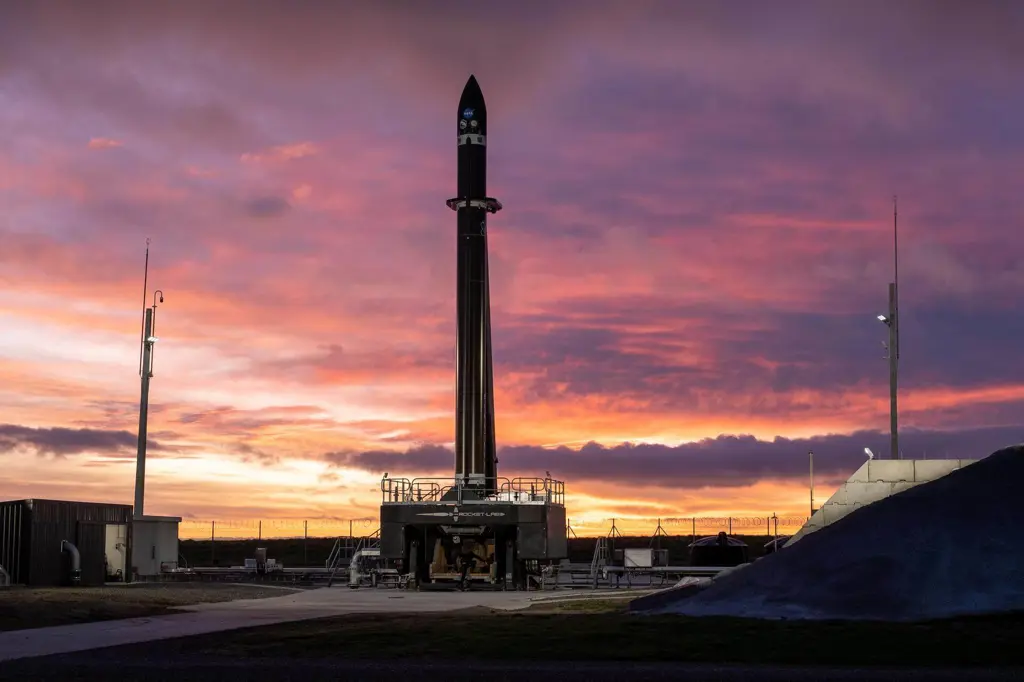
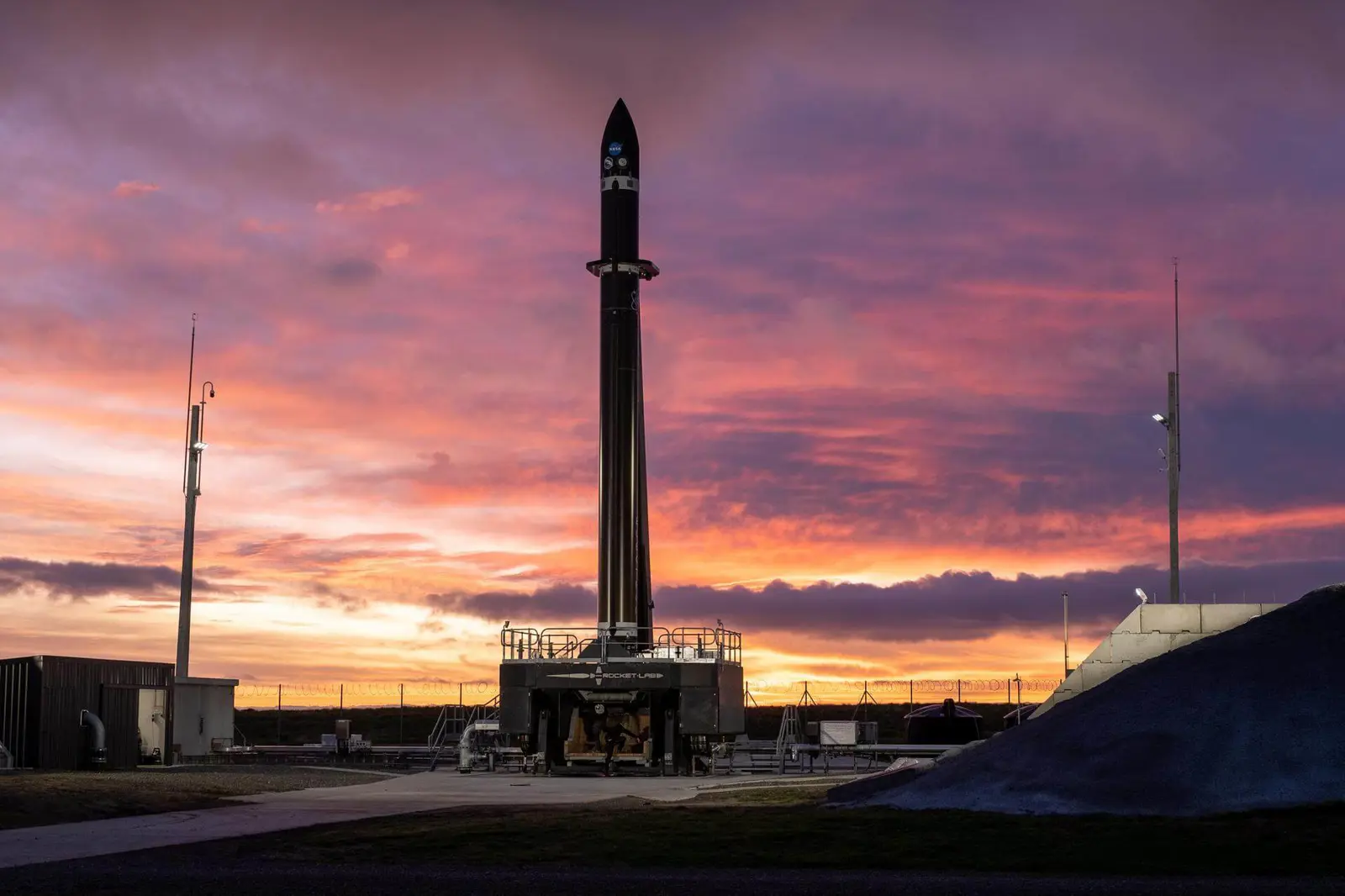
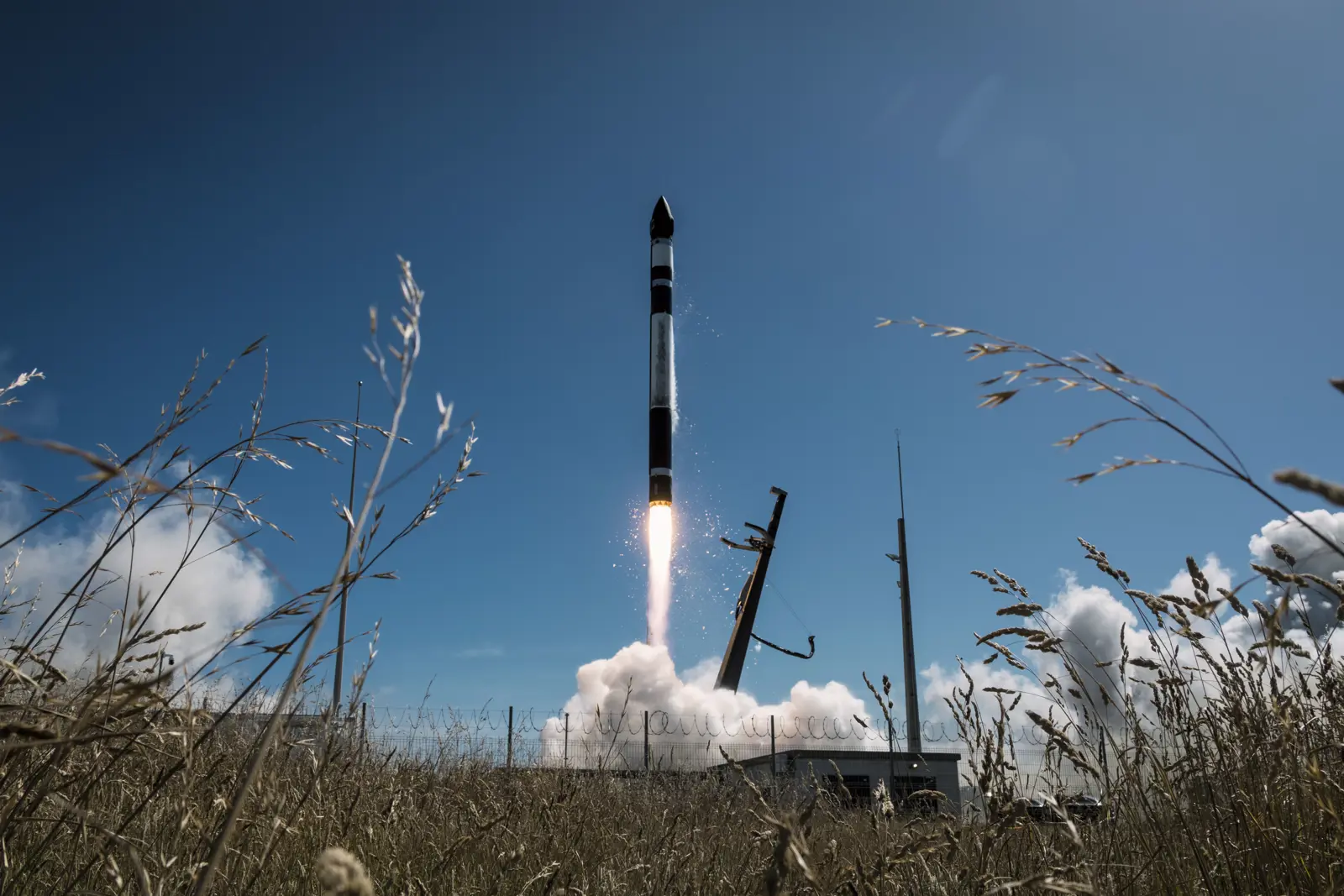
Electron is a two-stage orbital expendable launch vehicle (with an optional third stage) developed by the American aerospace company Rocket Lab. Electron is a small-lift launch vehicle designed to launch small satellites and cubesats to sun-synchronous orbit and low earth orbit. The Electron is the first orbital class rocket to use electric-pump-fed engines, powered by the 9 Rutherford engines on the first stage. It is also used as a suborbital testbed (called HASTE) for hypersonics research.
Length
18 m
Diameter
1.2 m
Launch Mass
13 t
Thrust
162 kN
LEO Capacity
300 kg
SSO Capacity
225 kg
Launch Cost
$6M
Reusable
No
Maiden Flight
2017
Fastest Turnaround
21h 55m
Total Launches
88
Successful
84
Failed
4
Consecutive Success
47
Maiden flight: May 25, 2017
Launch success.
SourceSpacecraft separation.
SourceLiftoff.
SourceUpdated launch weather, 90% GO.
SourceTweaked T-0.
SourceRescheduled for December 14.
SourceDelayed from December 12 due to launch site weather, new launch date TBD.
SourceDelayed to December 13.
SourceDelayed to NET December 12.
SourceDelayed to December 9.
SourceDelayed to the 7th December.
SourceGO for launch.
SourceSetting Pad and Hour
SourceNET Dec 5th (UTC)
SourceNET December
SourceLaunch vehicle switched to Electron due to continuous testing problems with the Epsilon-S launch vehicle.
SourceNET 2025.
SourceRocket Lab is an American aerospace manufacturer with a wholly owned New Zealand subsidiary. The company develops lightweight, cost-effective commercial rocket launch services. The Electron Program was founded on the premise that small payloads such as CubeSats require dedicated small launch vehicles and flexibility not currently offered by traditional rocket systems. Its rocket, the Electron, is a light-weight rocket and is now operating commercially. The company is also producing a variety of spacecrafts and spacecrafts components.
Founded
2006
Administrator
CEO: Peter Beck
Total Launches
88
Successful
84
Failed
4
Pending
42
Consecutive Success
47
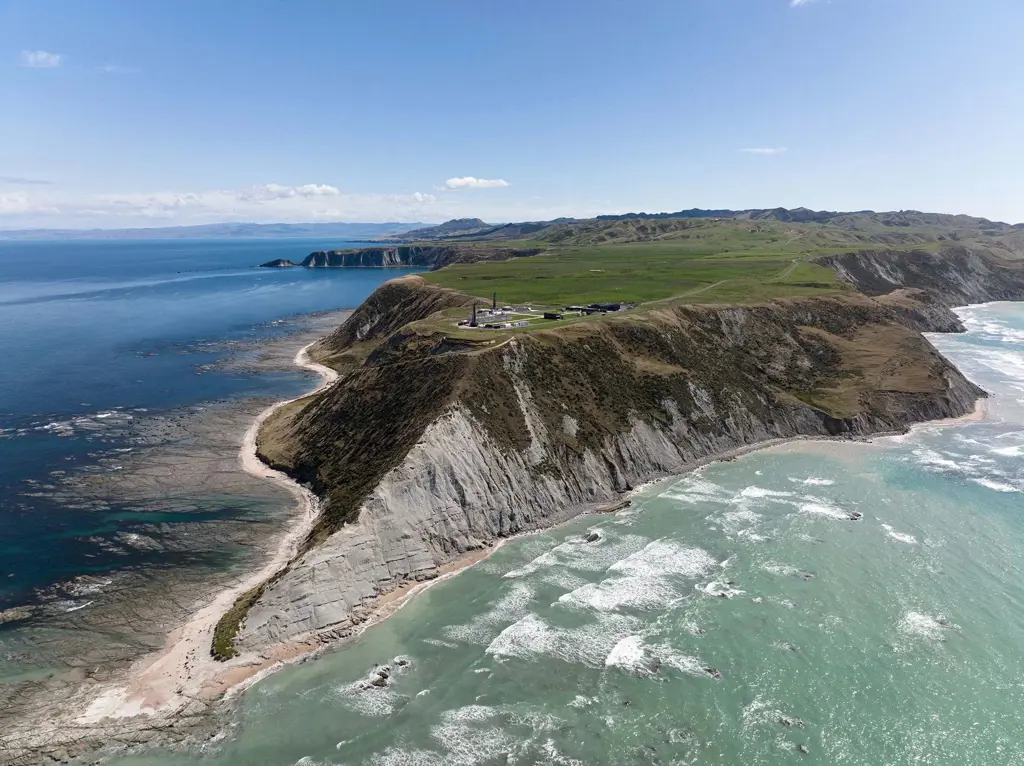
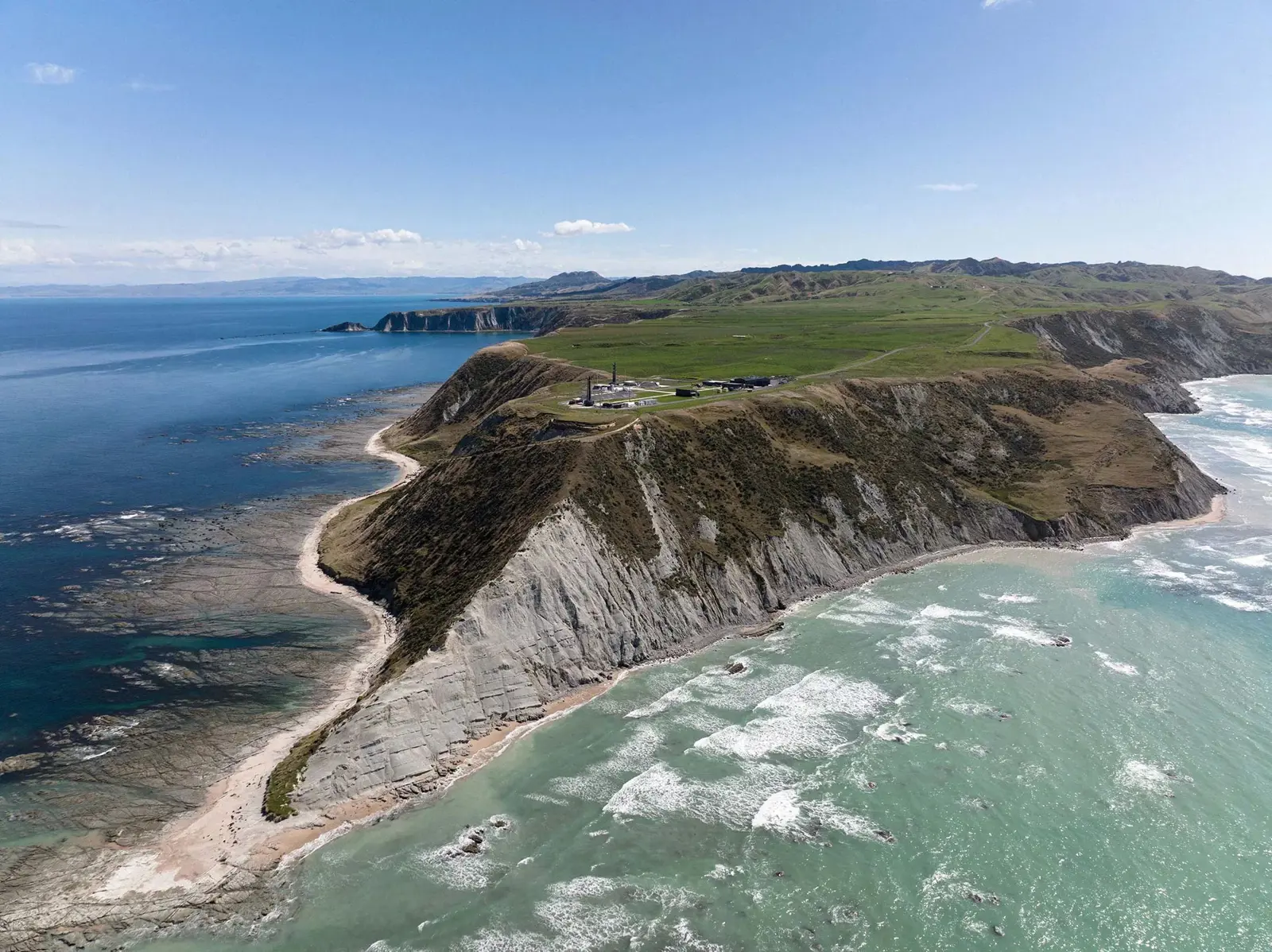
Rocket Lab Launch Complex 1 is a commercial spaceport located close to Ahuriri Point at the southern tip of Māhia Peninsula, on the east coast of New Zealand's North Island. It is owned and operated by private spaceflight company Rocket Lab and supports launches of the company's Electron rocket for small satellites. With the launch of Electron on 25 May 2017, it became the first private spaceport to host an orbital launch attempt, and the first site in New Zealand to host an orbital launch attempt. With the Electron launch of 21 January 2018, it became the first private spaceport to host a successful orbital launch.
Timezone
Pacific/Auckland
Local Launch Time
Dec 14, 2025, 4:09 PM
Total Launches
76
Total Landings
17
Coordinates
-39.2608, 177.8659