Dedicated Rideshare
 Rocket Lab(RL)Commercial
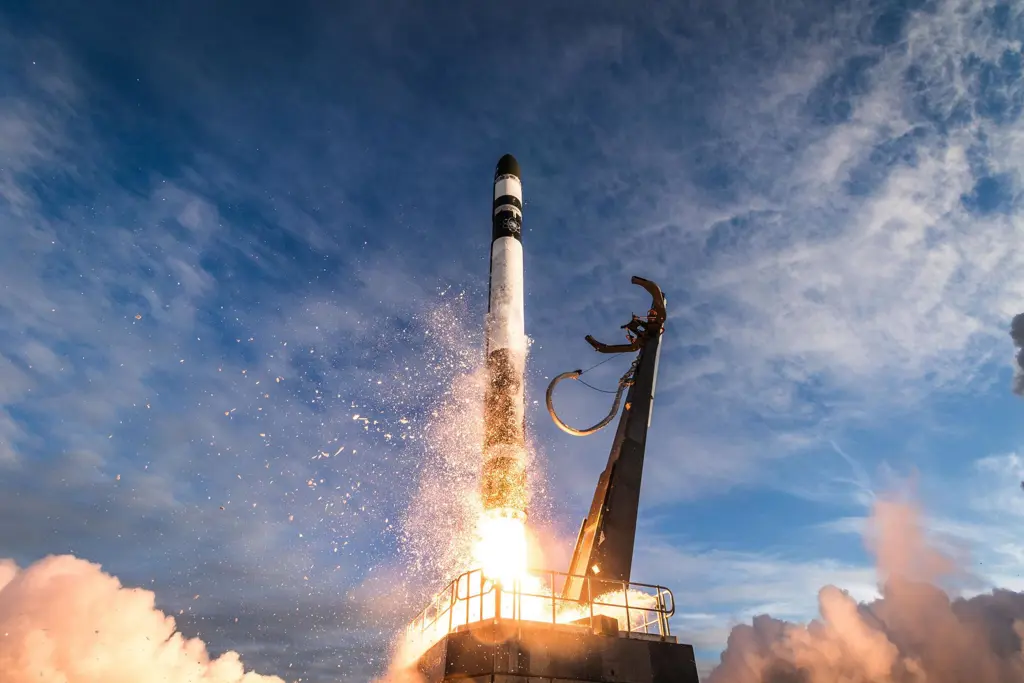
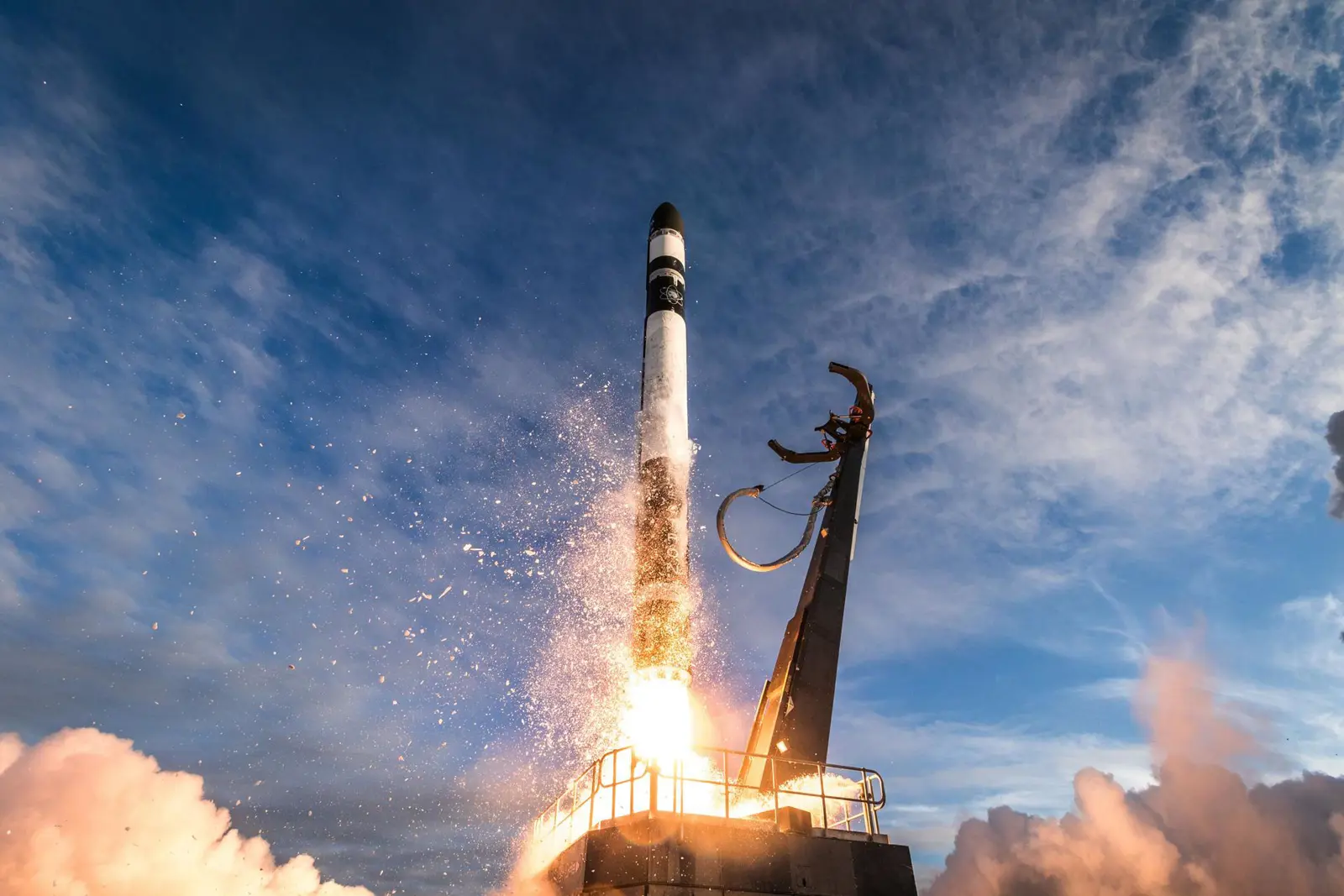
The Electron rocket will carry seven satellites to low Earth orbit: one Earth-observation satellite for BlackSky, two Internet-Of-Things (IoT) nanosatellites for companies Fleet Space and Myriota, a technology demonstration satellite for the University of New South Wales (UNSW) Canberra Space, a weather satellite pathfinder technology demonstration from Care Weather technologies, a technology demonstrator for the U.S. Army’s Space and Missile Defense Command as well as Rocket Lab’s in-house designed and built Photon Pathstone spacecraft which will operate on orbit as a risk reduction demonstration to build spacecraft heritage ahead of Rocket Lab’s mission to the Moon for NASA later this year.
Orbital Attempt
#6,061
RL Mission
#19
Pad Launch
#19
Location Launch
#19
Designator
2021-023
Mar 22, 2021, 10:30 PM
1 update
9:50 PM
Window Open
12:05 AM
Window Close
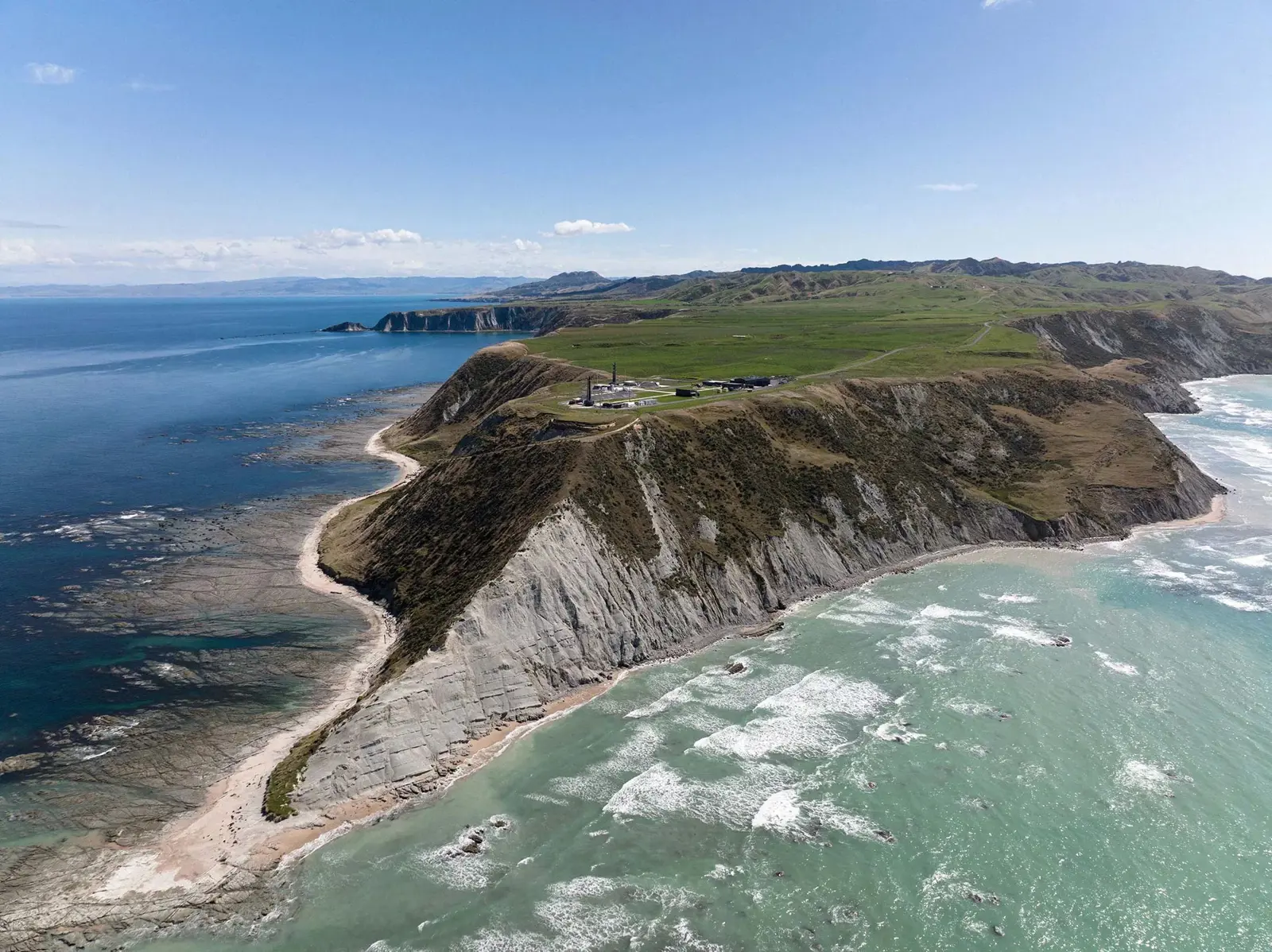
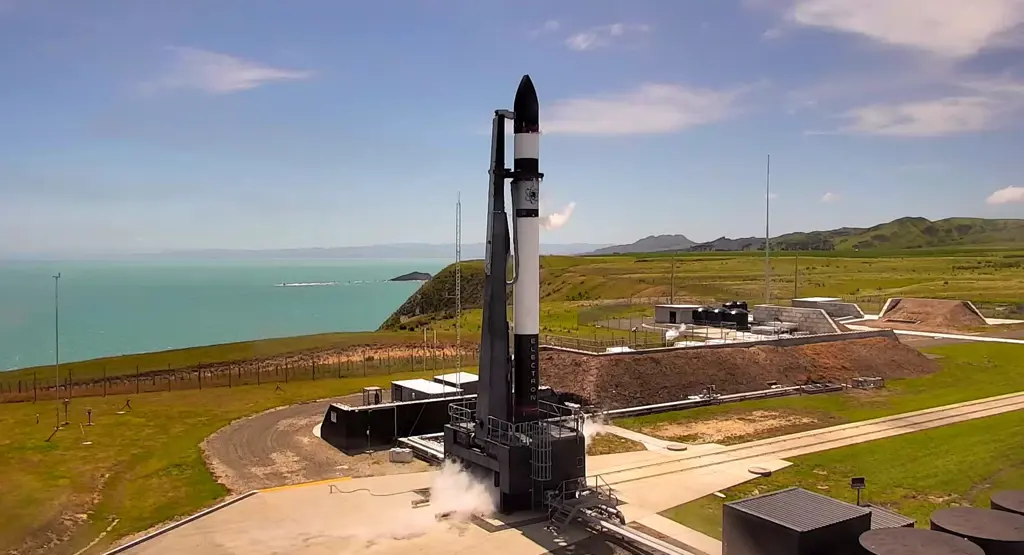
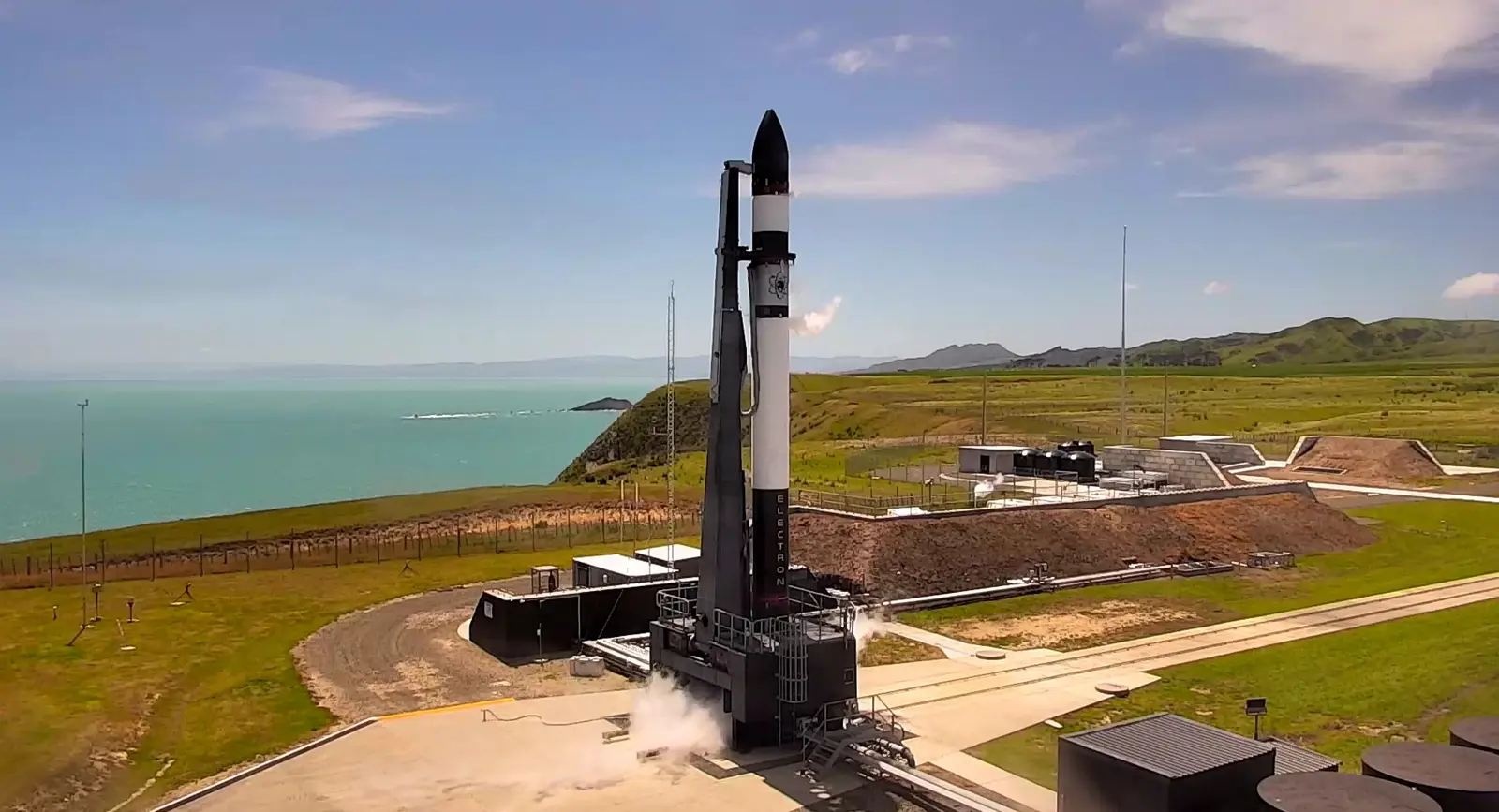
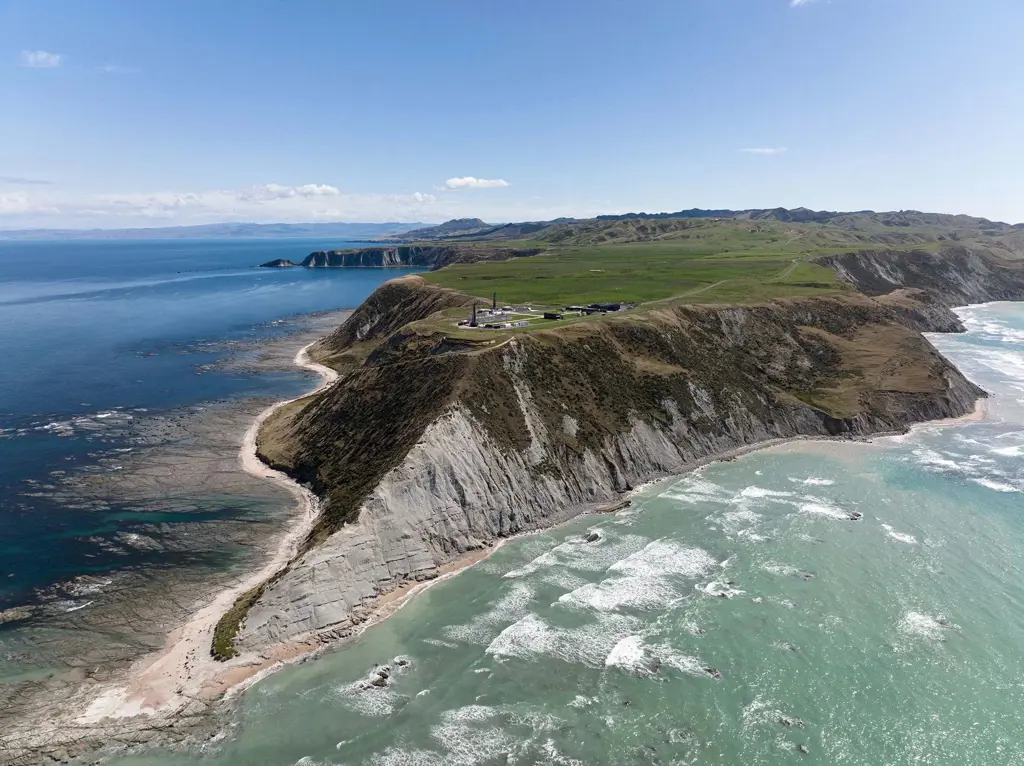
Rocket Lab Launch Complex 1 is a commercial spaceport located close to Ahuriri Point at the southern tip of Māhia Peninsula, on the east coast of New Zealand's North Island. It is owned and operated by private spaceflight company Rocket Lab and supports launches of the company's Electron rocket for small satellites. With the launch of Electron on 25 May 2017, it became the first private spaceport to host an orbital launch attempt, and the first site in New Zealand to host an orbital launch attempt. With the Electron launch of 21 January 2018, it became the first private spaceport to host a successful orbital launch.
Timezone
Pacific/Auckland
Local Launch Time
Mar 23, 2021, 11:30 AM
Total Launches
78
Total Landings
17
Coordinates
-39.2608, 177.8659