Earth Science
 United Launch Alliance(ULA)Commercial
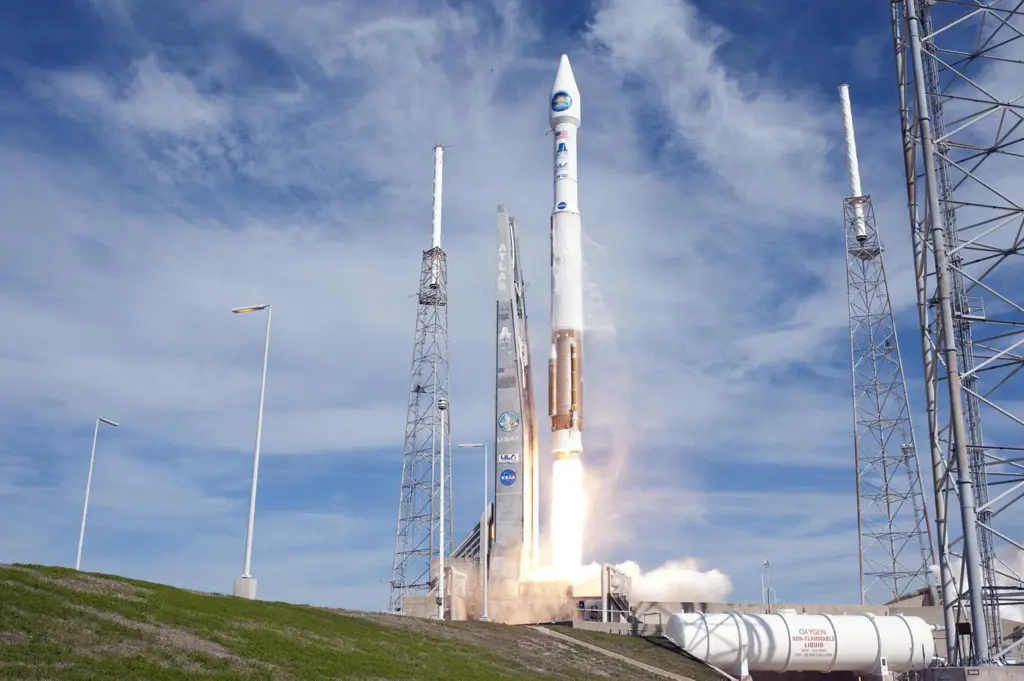
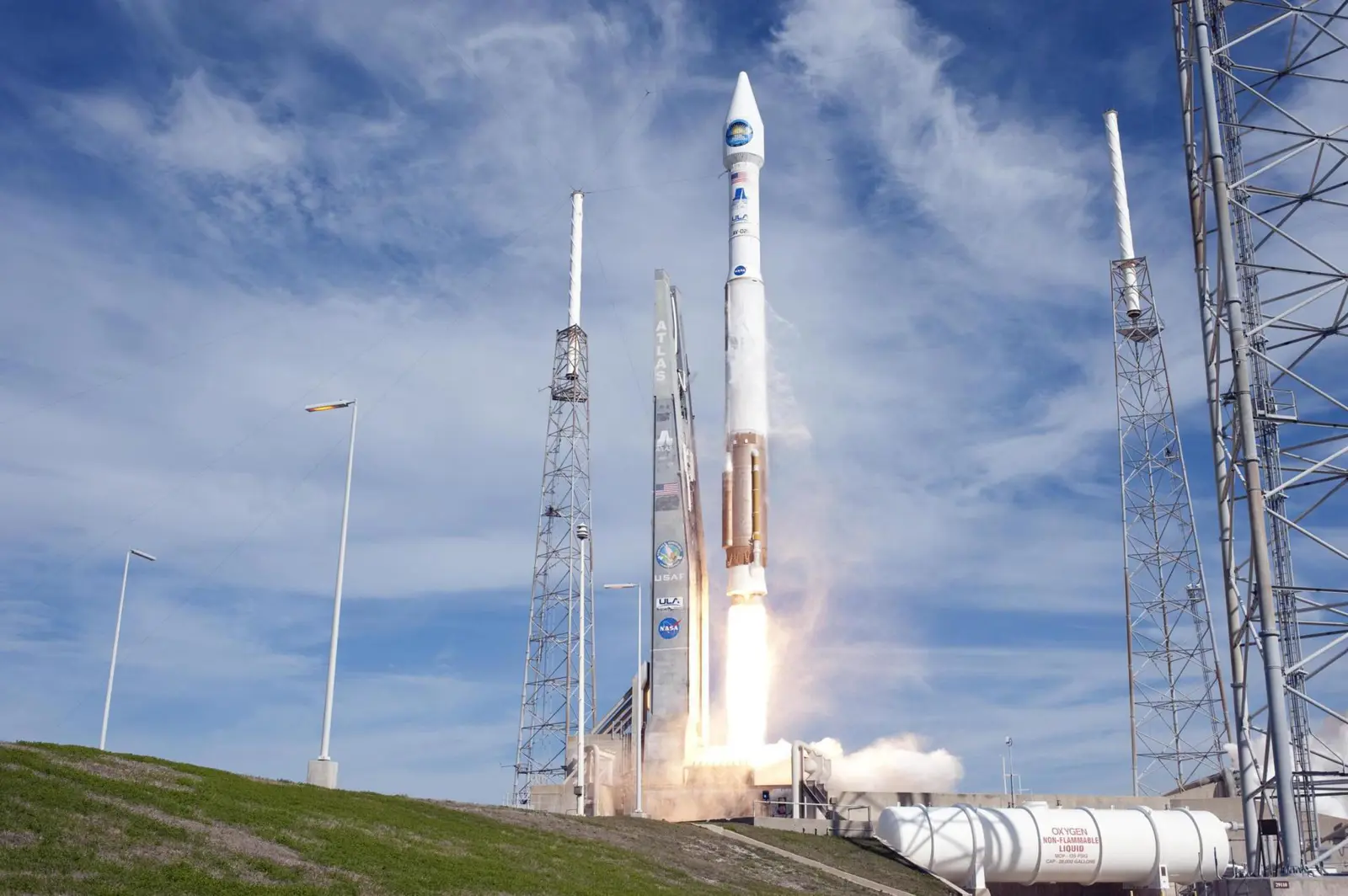
Landsat 8 is an American Earth observation satellite launched on 11 February 2013. It is the eighth satellite in the Landsat program; the seventh to reach orbit successfully. Originally called the Landsat Data Continuity Mission (LDCM), it is a collaboration between NASA and the United States Geological Survey (USGS). NASA Goddard Space Flight Center in Greenbelt, Maryland, provided development, mission systems engineering, and acquisition of the launch vehicle while the USGS provided for development of the ground systems and will conduct on-going mission operations. It comprises the camera of the Operational Land Imager (OLI) and the Thermal Infrared Sensor (TIRS), which can be used to study Earth surface temperature and is used to study global warming.
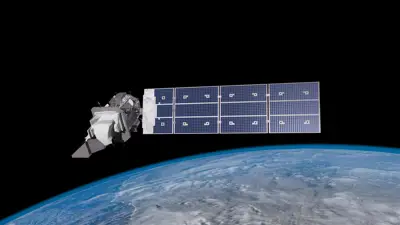
The Landsat program is the longest-running enterprise for acquisition of satellite imagery of Earth. It is a joint NASA / USGS program.
Jul 23, 1972 — ongoing
Orbital Attempt
#5,277
ULA Mission
#69
Pad Launch
#37
Location Launch
#653
Designator
2013-008
Feb 11, 2013, 6:02 PM
1 update
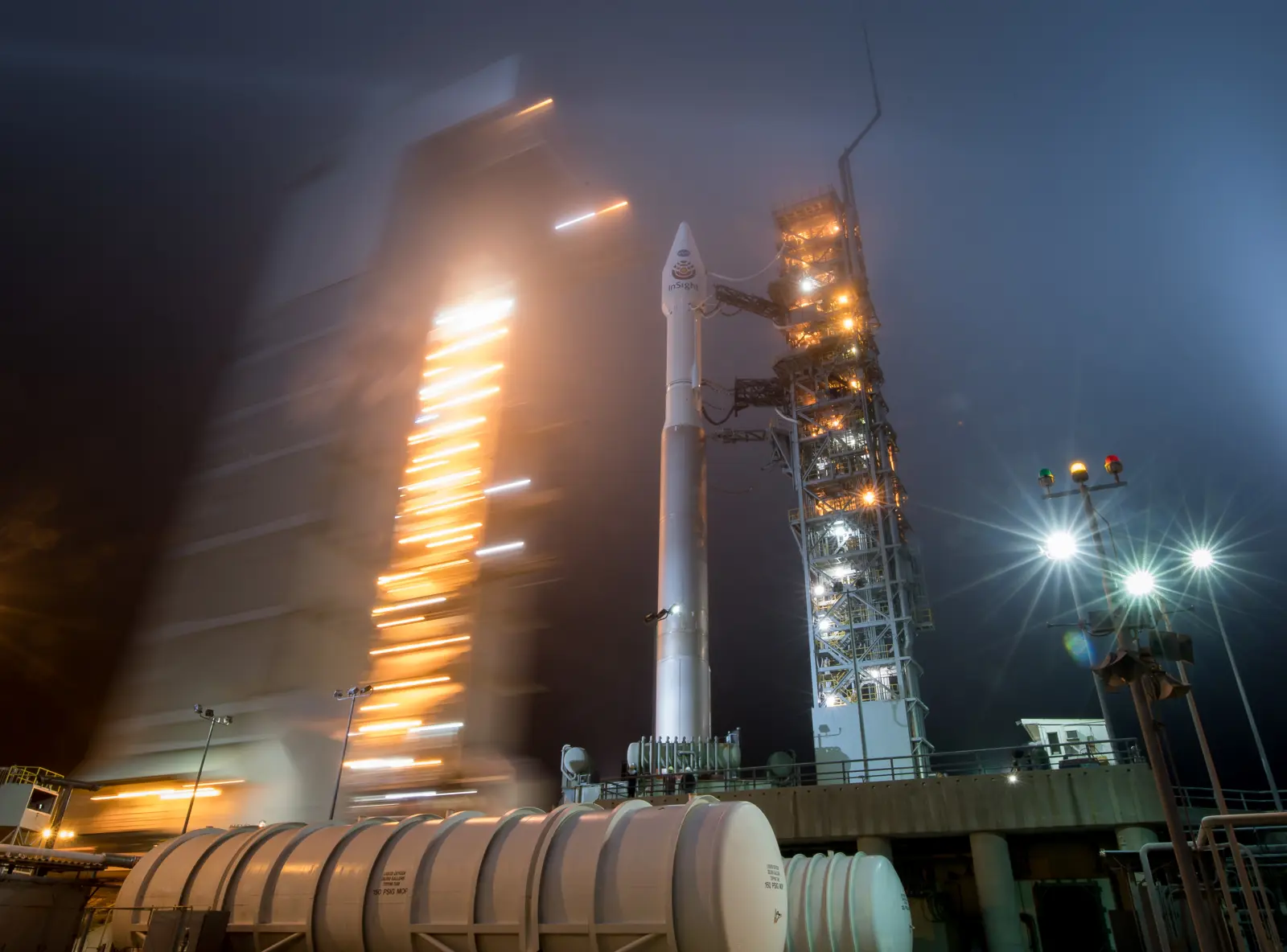
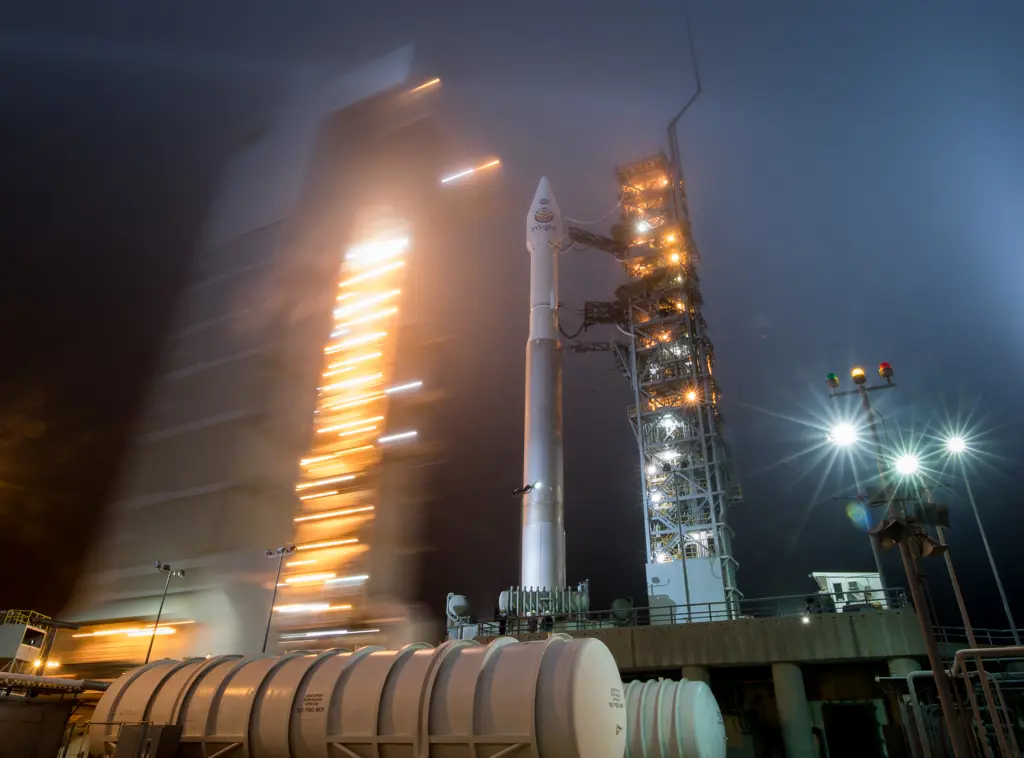
SLC-3E is a launch pad at Vandenberg Space Force Base. It was originally built for the MIDAS program and later used for various other missions. After a period of inactivity, it was refurbished in the early 2000s to launch Atlas V rockets. The pad is now being upgraded to accommodate the new Vulcan Centaur rocket. The last Atlas V launch from SLC-3E happened in November 2022, with the first Vulcan launch expected in 2025.
Total Launches
48
Orbital Attempts
45
Fastest Turnaround
1mo 2d
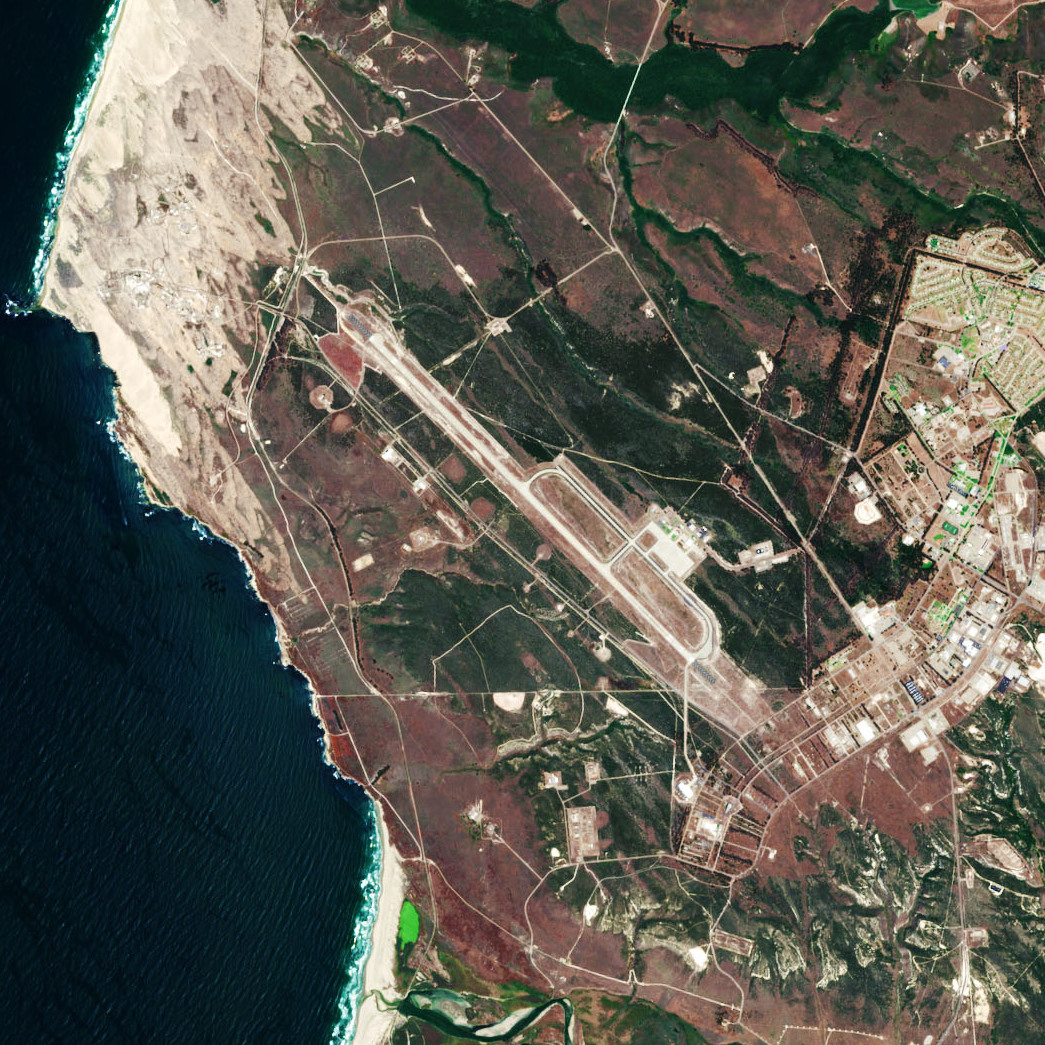
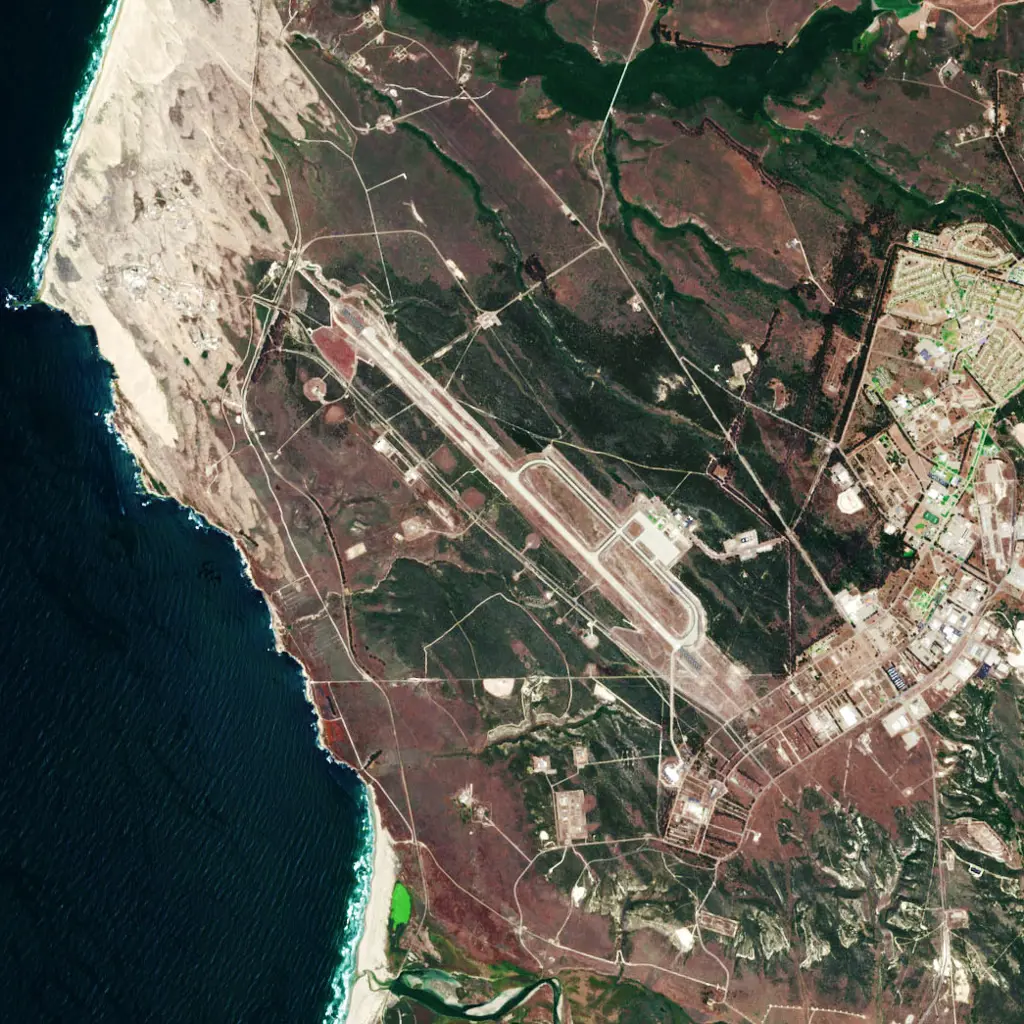
Vandenberg Space Force Base is a United States Space Force Base in Santa Barbara County, California. Established in 1941, Vandenberg Space Force Base is a space launch base, launching spacecraft from the Western Range, and also performs missile testing. The United States Space Force's Space Launch Delta 30 serves as the host delta for the base, equivalent to an Air Force air base wing. In addition to its military space launch mission, Vandenberg Space Force Base also hosts space launches for civil and commercial space entities, such as NASA and SpaceX.
Timezone
America/Los_Angeles
Local Launch Time
Feb 11, 2013, 10:02 AM
Total Launches
900
Total Landings
35
Coordinates
34.7513, -120.5202