Planetary Science
 United Launch Alliance(ULA)Commercial
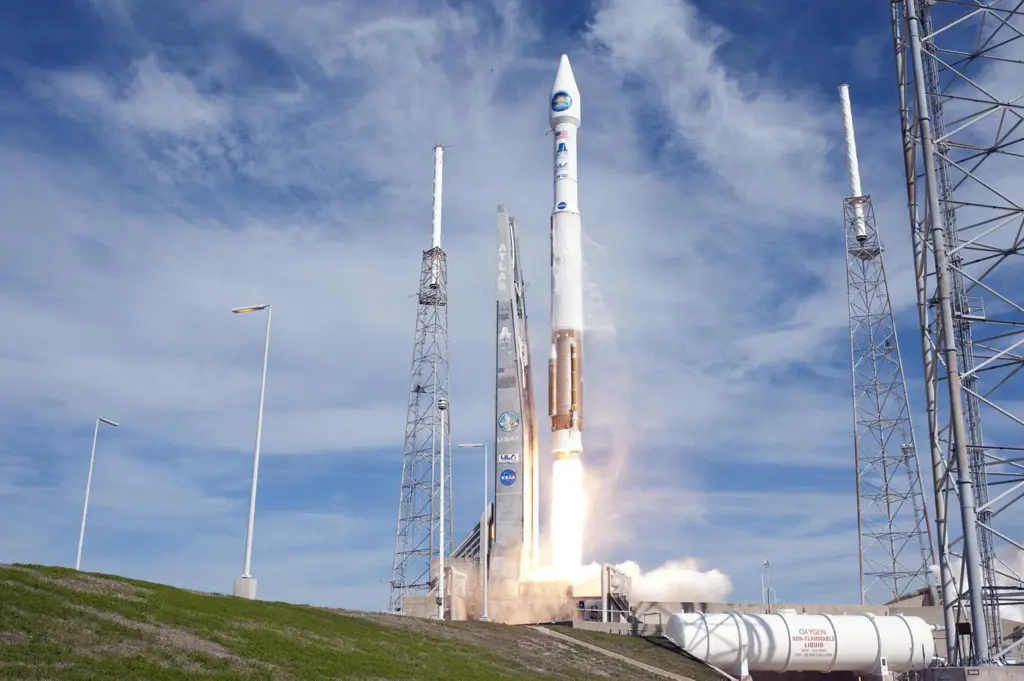
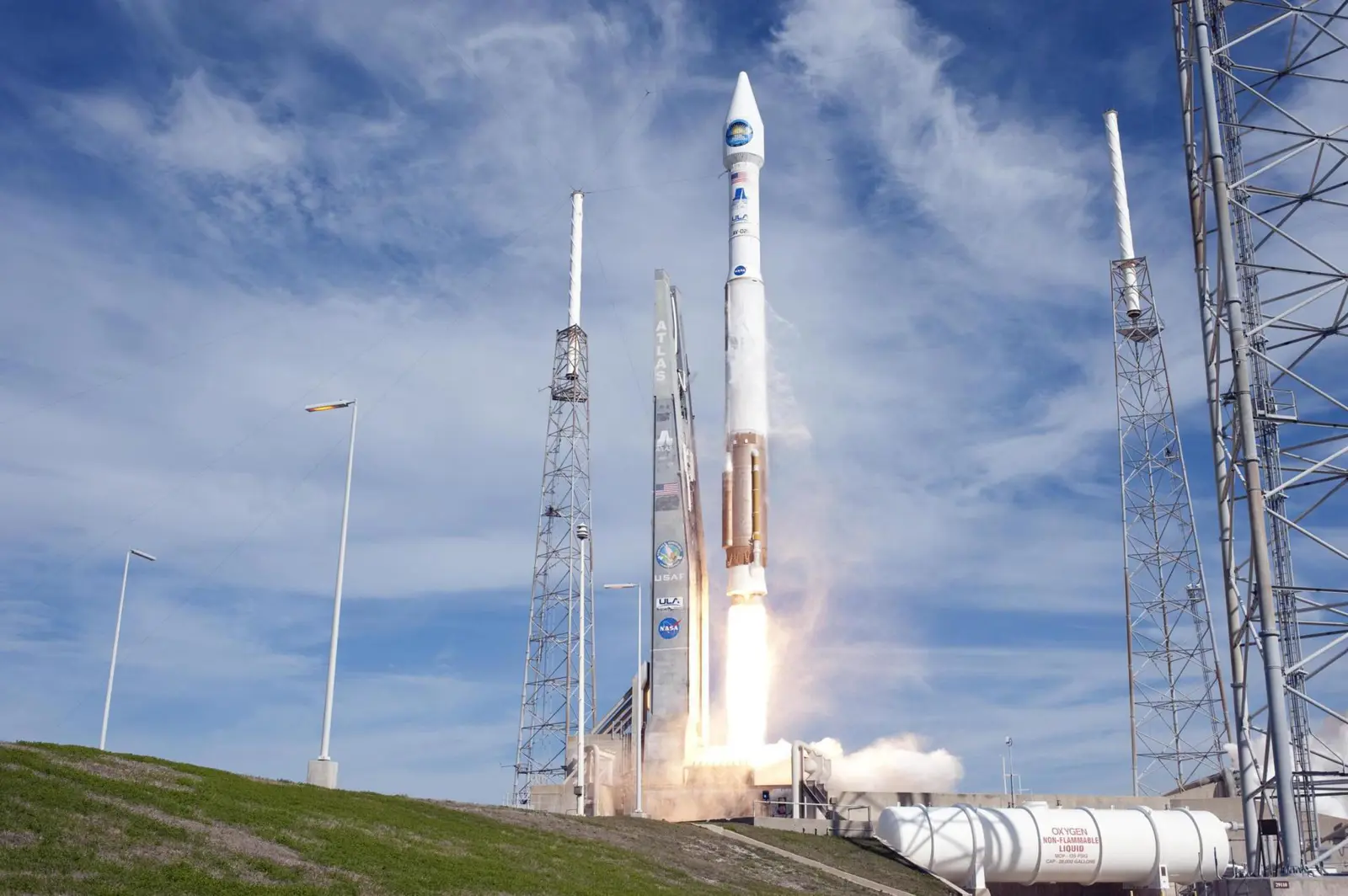
LRO is the Lunar Reconnaissance Orbiter for NASA. Used to map the moon to identify safe landing sites, locating potential resources, characterizing the radiation environment and demonstrating new technologies. The LCROSS is the Lunar Crater Observation and Sensing Satellite, also for NASA. A low cost satellite in order to confirm the existance of water in the southern lunar crater, Cabeus.
Orbital Attempt
#4,987
ULA Mission
#29
Pad Launch
#42
Location Launch
#662
Designator
2009-031
Jun 18, 2009, 9:32 PM
Minute
1 update
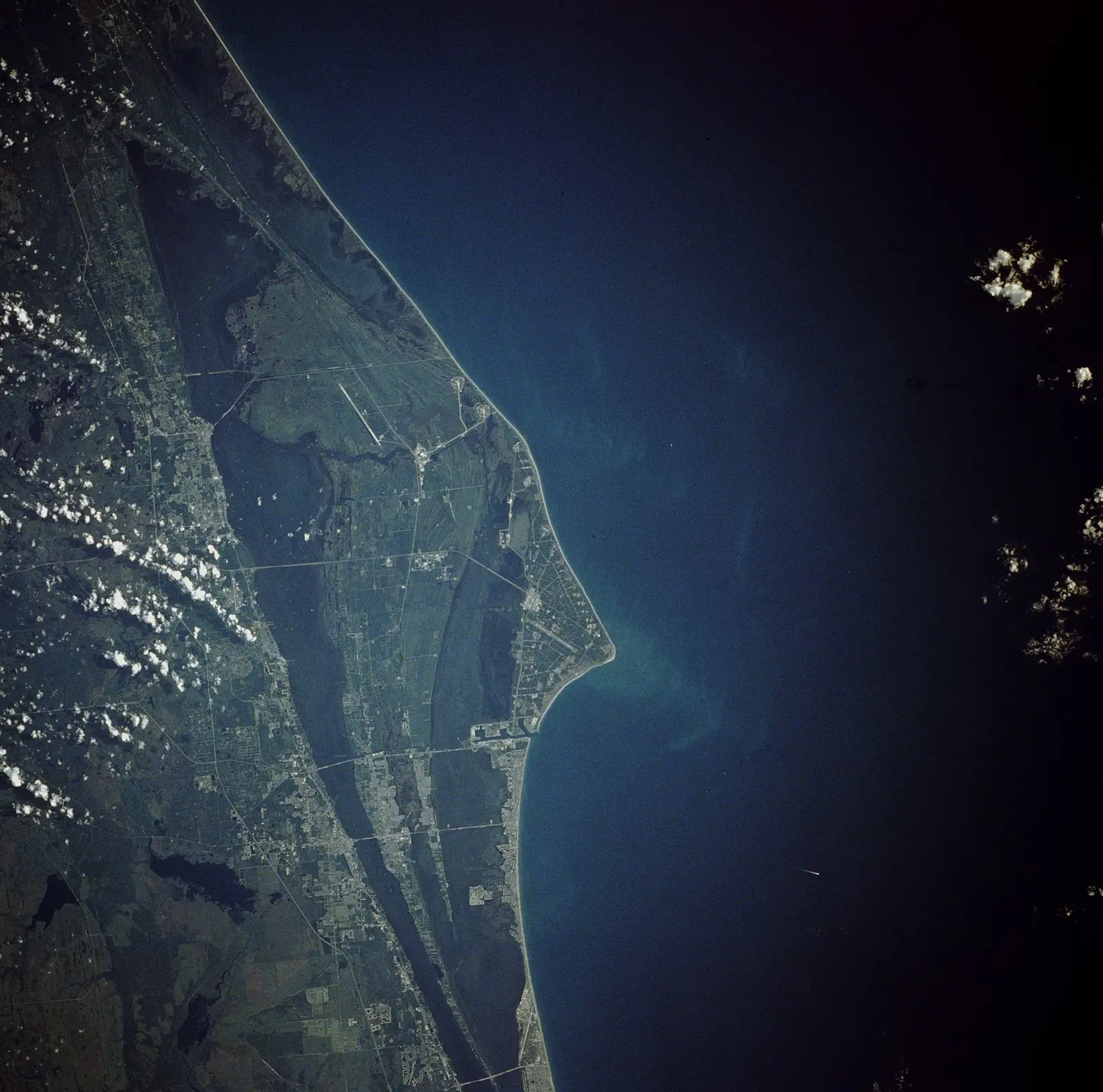
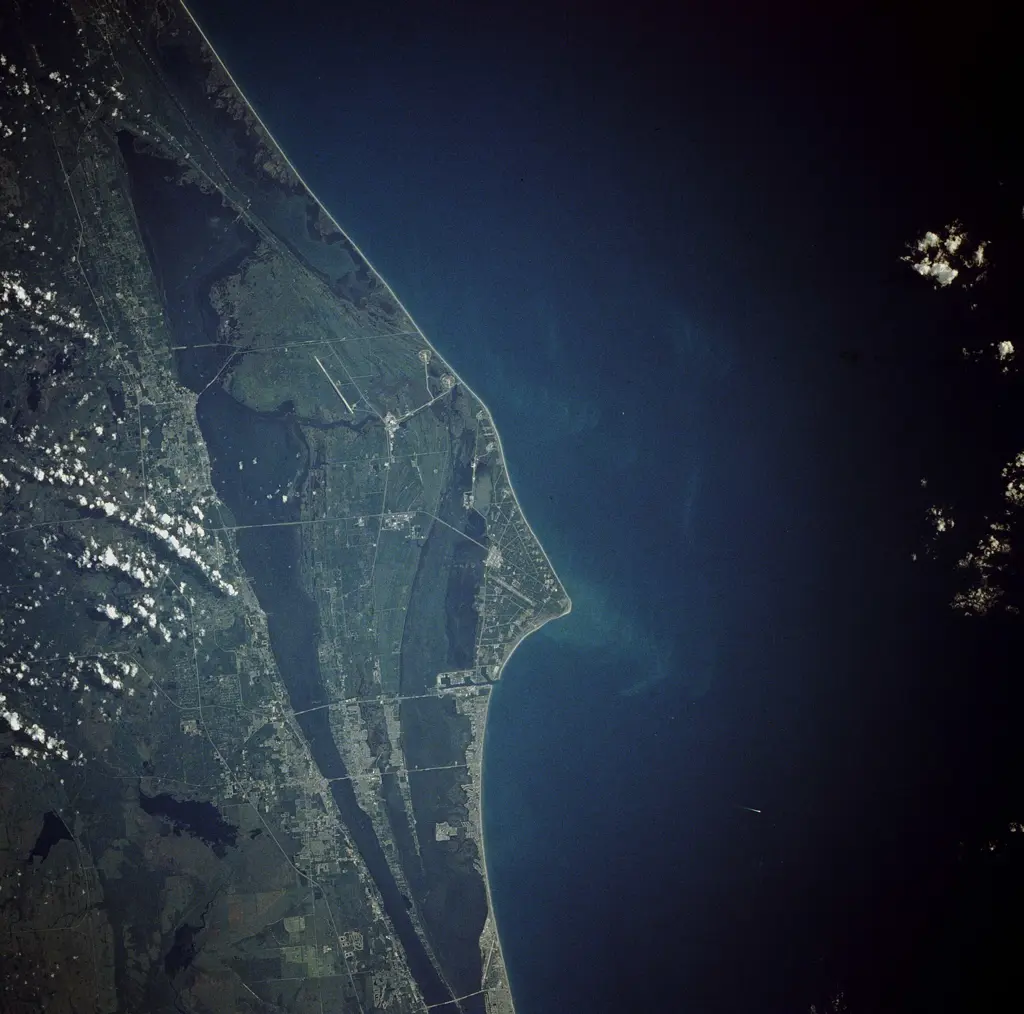
Cape Canaveral Space Force Station (CCSFS) is an installation of the United States Space Force's Space Launch Delta 45, located on Cape Canaveral in Brevard County, Florida.
Timezone
America/New_York
Local Launch Time
Jun 18, 2009, 5:32 PM
Total Launches
1,122
Total Landings
75
Coordinates
28.4889, -80.5778