
Communications
The ViaSat-3 is a series of three Ka-band satellites is expected to provide vastly superior capabilities in terms of service speed and flexibility for a satellite platform. Each ViaSat-3 class satellite is expected to deliver more than 1-Terabit per second of network capacity, and to leverage high levels of flexibility to dynamically direct capacity to where customers are located.
Orbital Attempt
#7,117
ULA Mission
#169
Pad Launch
#119
Location Launch
#1,068
Designator
2025-261
Weather GO
99%
Nov 14, 2025, 3:04 AM
Minute
1 update
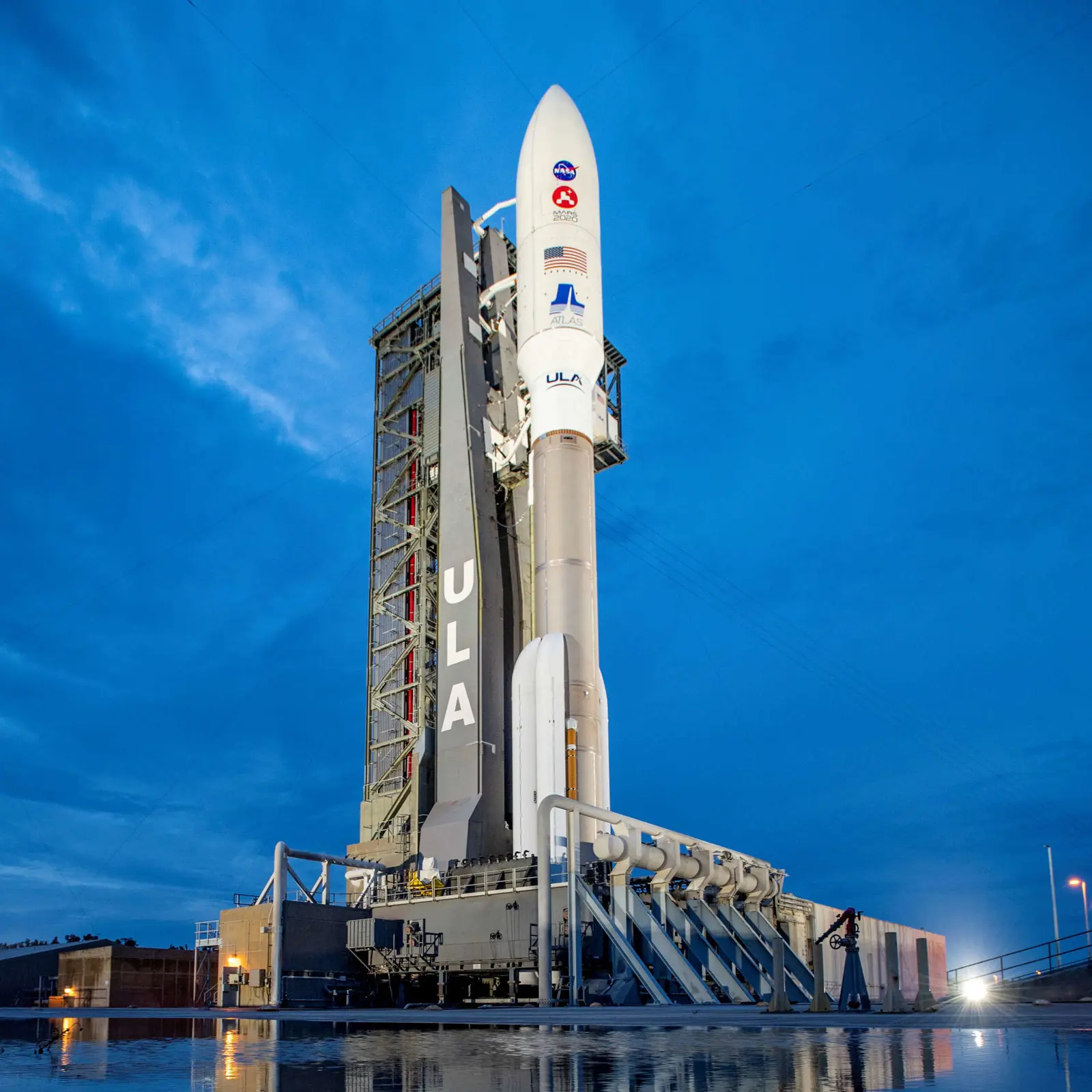
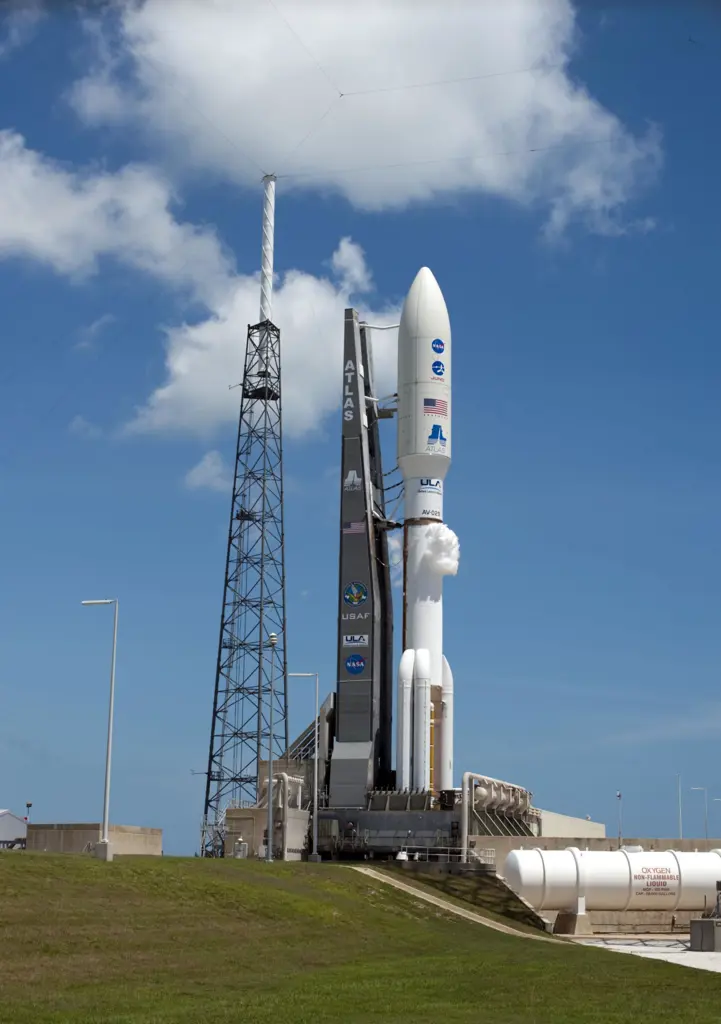
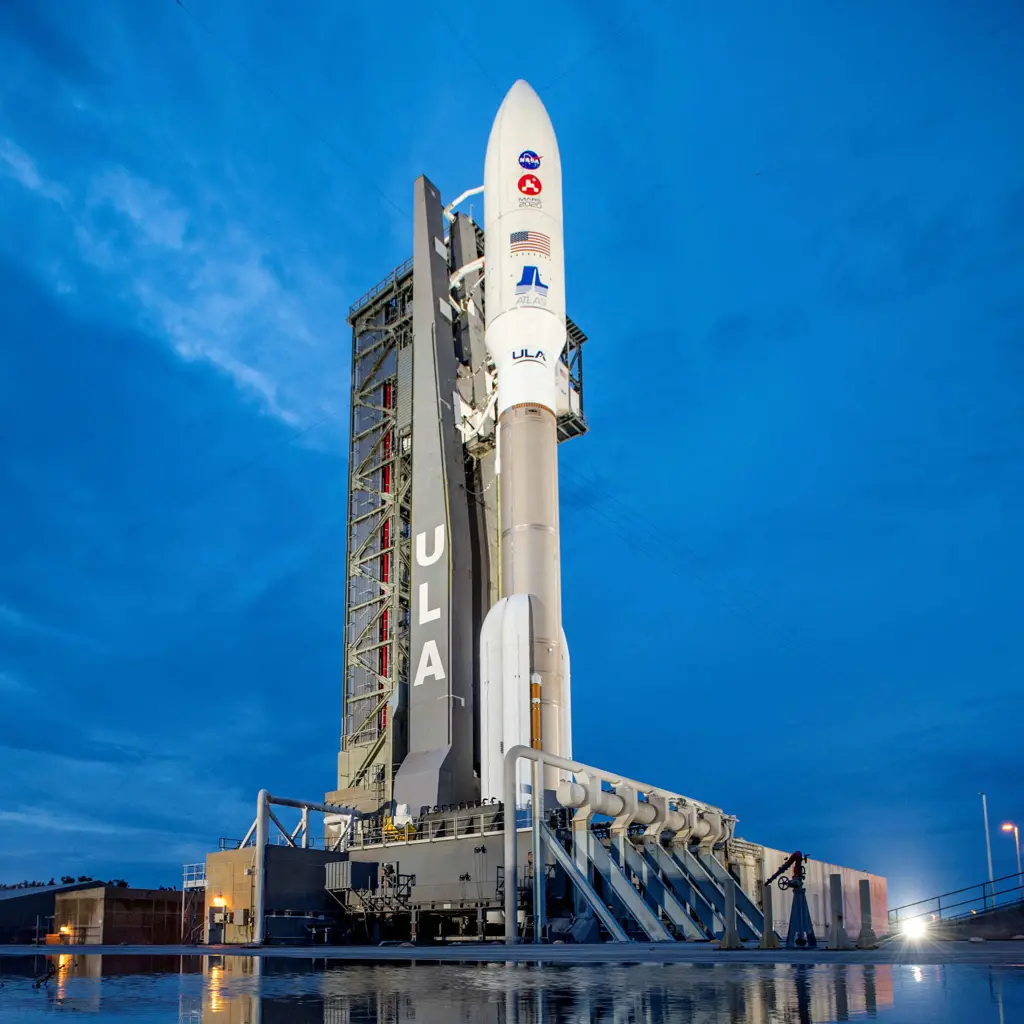
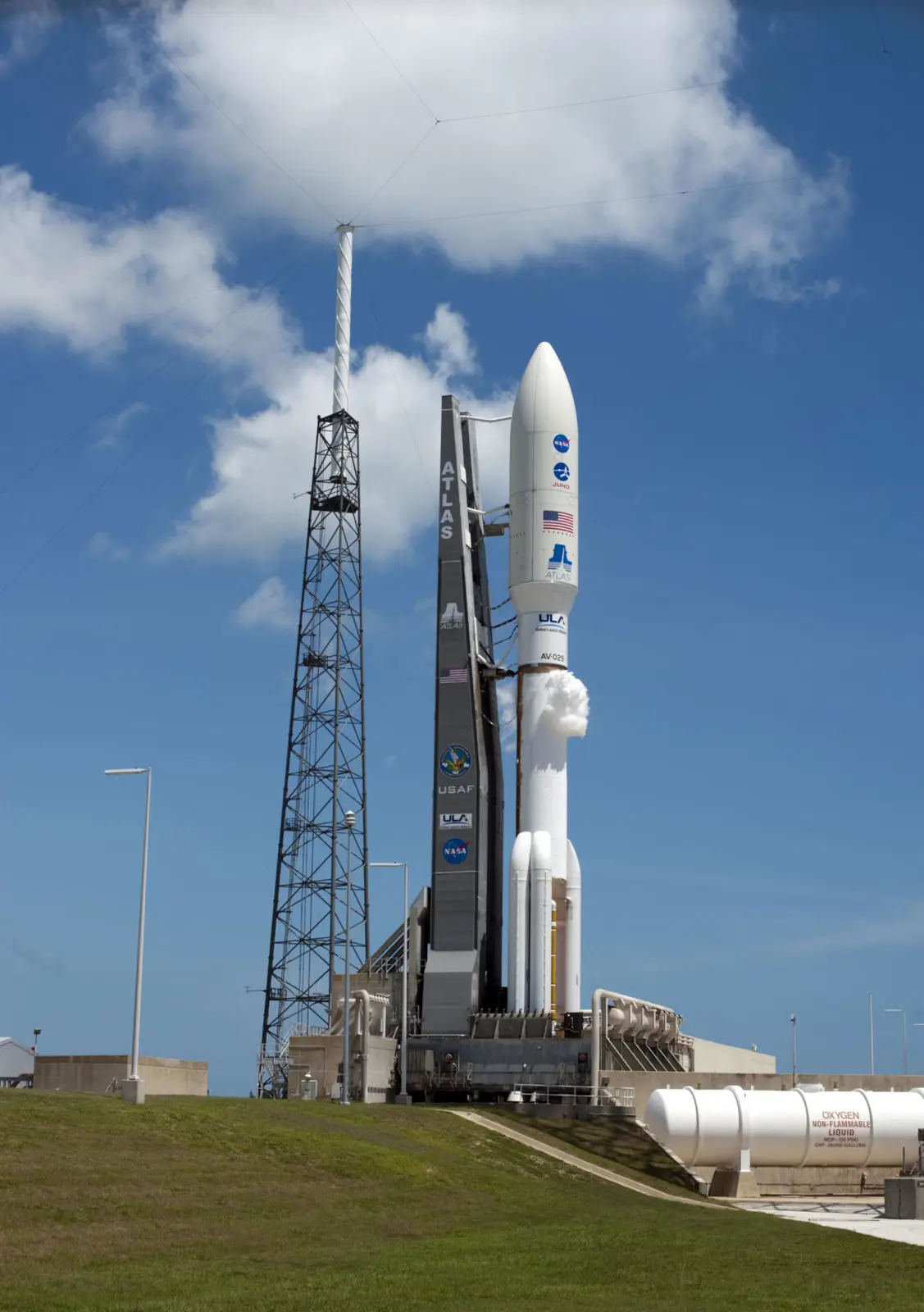
Atlas V is an expendable launch system in the Atlas rocket family. It was formerly operated by Lockheed Martin and is now operated by United Launch Alliance (ULA), a joint venture with Boeing. Each Atlas V rocket uses a Russian-built RD-180 engine burning kerosene and liquid oxygen to power its first stage and an American-built RL10 engine burning liquid hydrogen and liquid oxygen to power its Centaur upper stage. The RD-180 engines are provided by RD Amross, while Aerojet Rocketdyne provides both the RL10 engines and the strap-on boosters used in some configurations. The standard payload fairing sizes are 4 or 5 meters in diameter and of various lengths. Fairings sizes as large as 7.2 m in diameter and up to 32.3 m in length have been considered. The rocket is assembled in Decatur, Alabama and Harlingen, Texas.
Length
59.7 m
Diameter
3.8 m
Launch Mass
573 t
Thrust
12,269 kN
LEO Capacity
18,850 kg
GTO Capacity
8,890 kg
GEO Capacity
3,850 kg
Launch Cost
$153M
Reusable
No
Maiden Flight
2006
Fastest Turnaround
23d 19h
Total Launches
21
Successful
21
Failed
0
Consecutive Success
21
Maiden flight: Jan 19, 2006
Launch success with satellite in contact.
SourceLiftoff.
SourceGO for launch.
SourceUpdated launch weather, >95% GO.
SourceNew launch window.
SourceNET November 14 UTC per marine navigation warnings.
SourceScrubbed due to re-occurrence of Atlas V booster liquid oxygen tank vent valve issue, new date TBD.
SourceUpdated launch weather, 50% GO.
SourceWeather is 80% favorable for launch.
SourceScrubbed for the day due to valve issue; 24 hours recycle.
SourceHold at T-4 minutes.
SourceUpdated launch weather, 95% GO.
SourceDelayed to NET November 5 LT.
SourceGO for launch, NET November 3 LT.
SourceNET second half of October 2025.
SourceNET early Q4.
SourceNET late summer.
SourceNET summer 2025.
SourceNET 1H 2025.
SourceNET Q4 2024 (requires swapping of satellites with one originally planned as ViaSat-3 APAC, else NET 1H 2025).
SourceNET Q1 2024.
SourceNET late 2023, to be determined.
SourceNET September 2023
SourceNET summer 2023
SourceUnited Launch Alliance (ULA) is a joint venture of Lockheed Martin Space Systems and Boeing Defense, Space & Security. ULA was formed in December 2006 by combining the teams at these companies which provide spacecraft launch services to the government of the United States. ULA launches from both coasts of the US. They launch their Atlas V vehicle from LC-41 in Cape Canaveral and LC-3E at Vandeberg. Their Delta IV launches from LC-37 at Cape Canaveral and LC-6 at Vandenberg.
Founded
2006
Administrator
Interim CEO: John Elbon
Total Launches
173
Successful
173
Failed
0
Pending
38
Consecutive Success
173
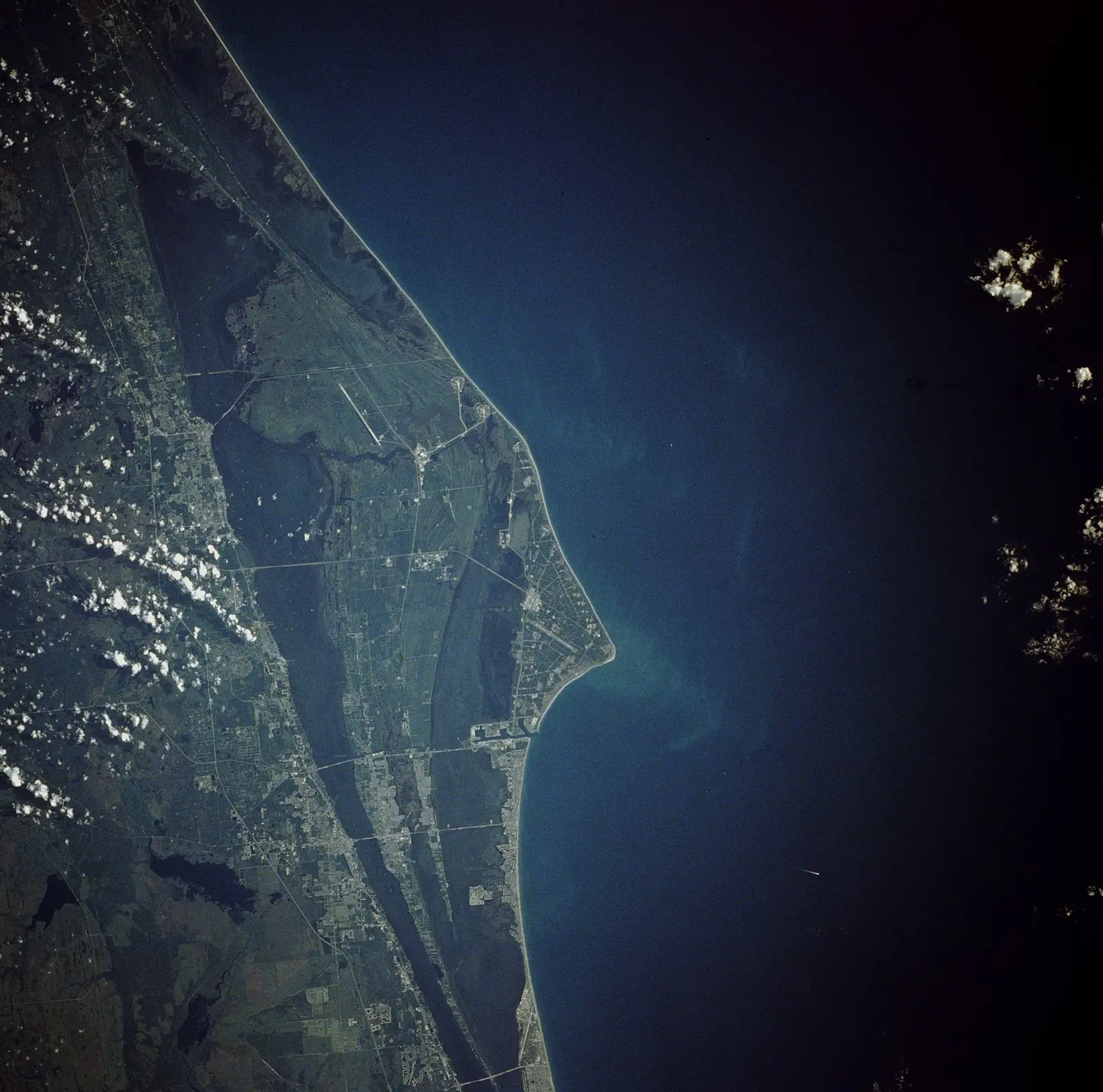
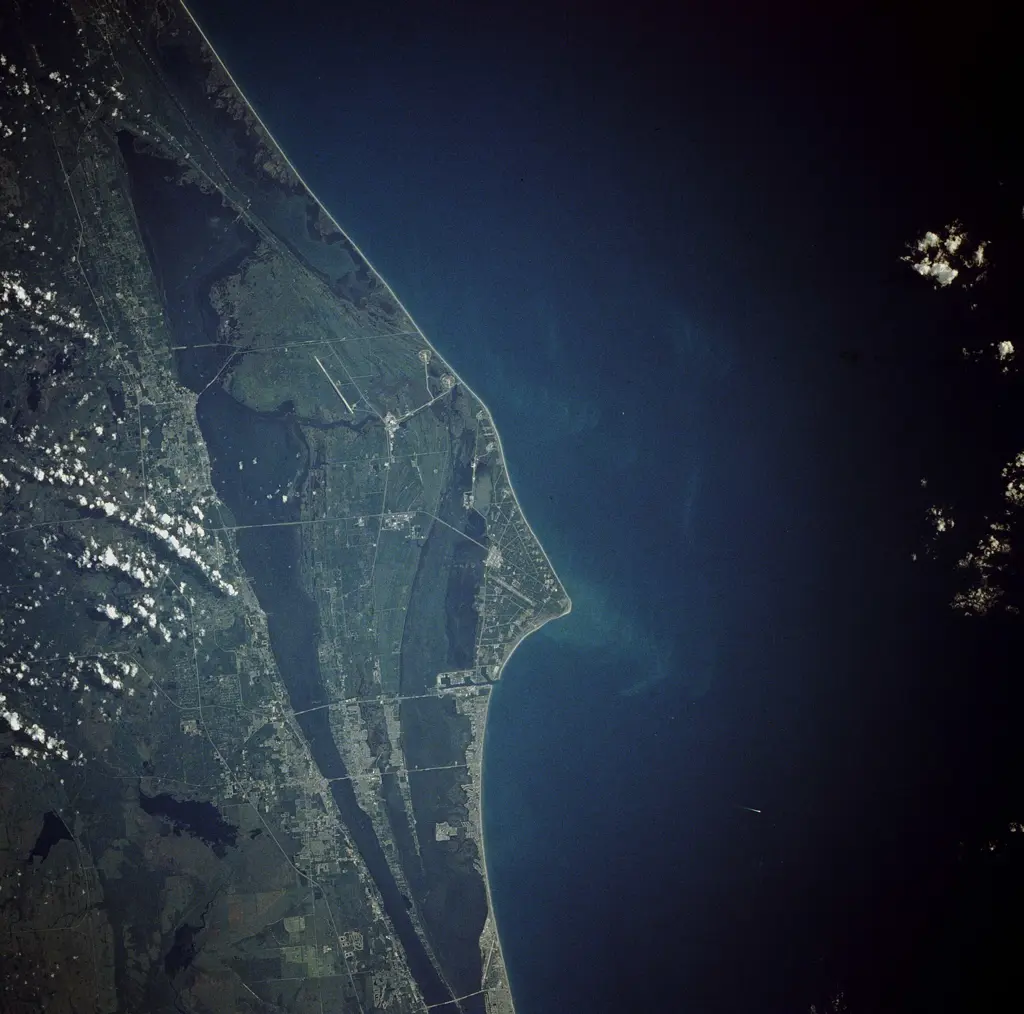
Cape Canaveral Space Force Station (CCSFS) is an installation of the United States Space Force's Space Launch Delta 45, located on Cape Canaveral in Brevard County, Florida.
Timezone
America/New_York
Local Launch Time
Nov 13, 2025, 10:04 PM
Total Launches
1,109
Total Landings
75
Coordinates
28.4889, -80.5778