Earth Science
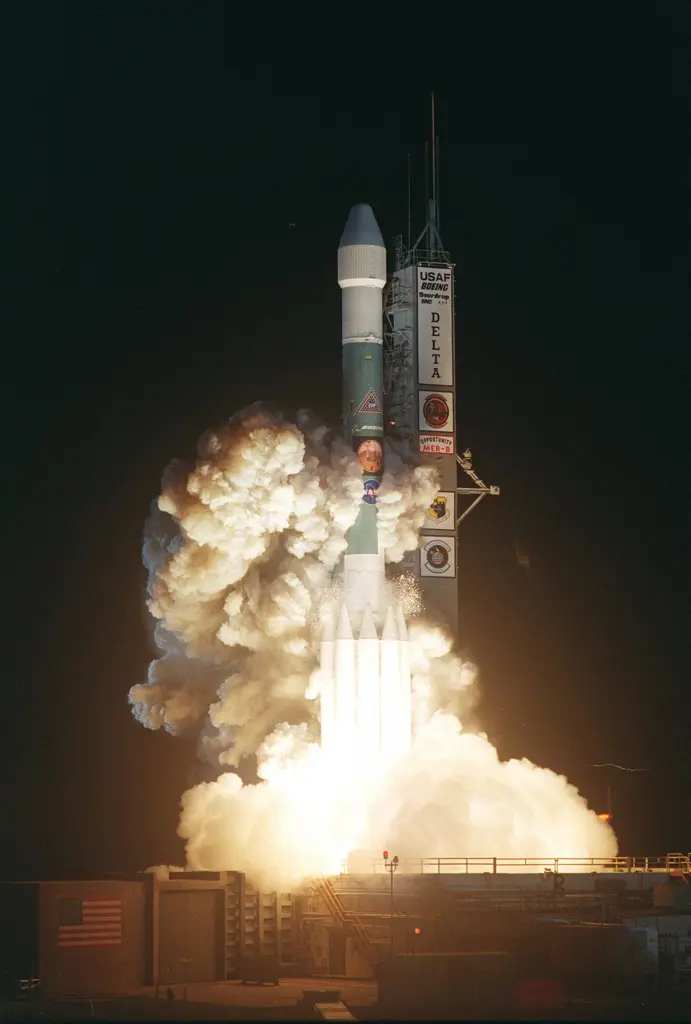
 United Launch Alliance(ULA)Commercial
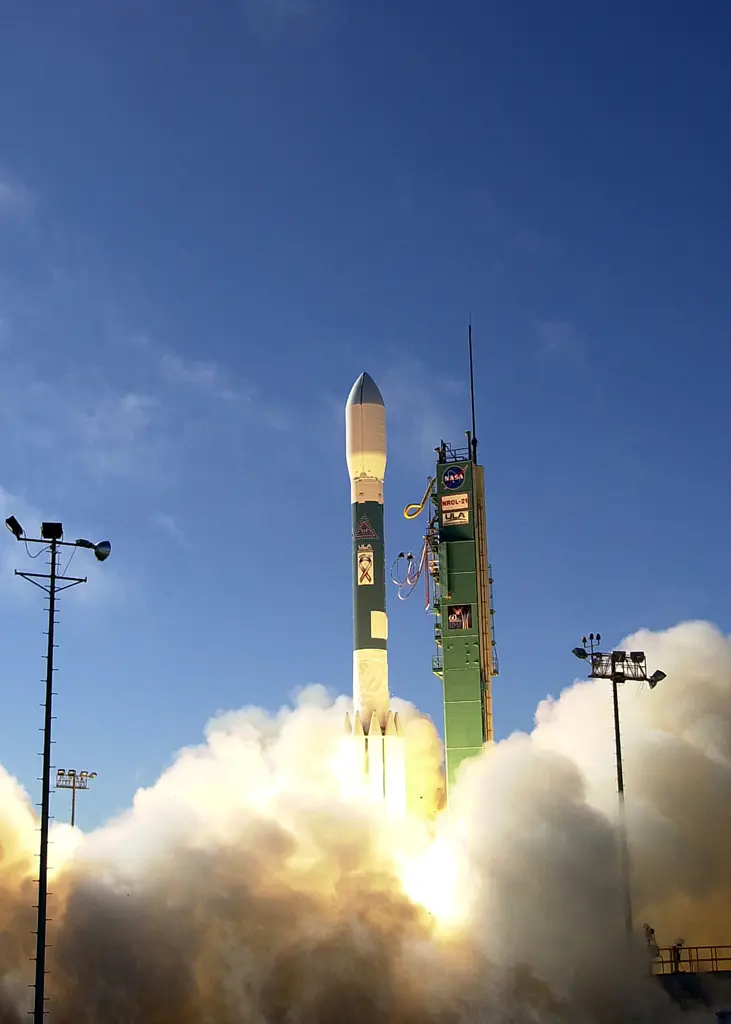
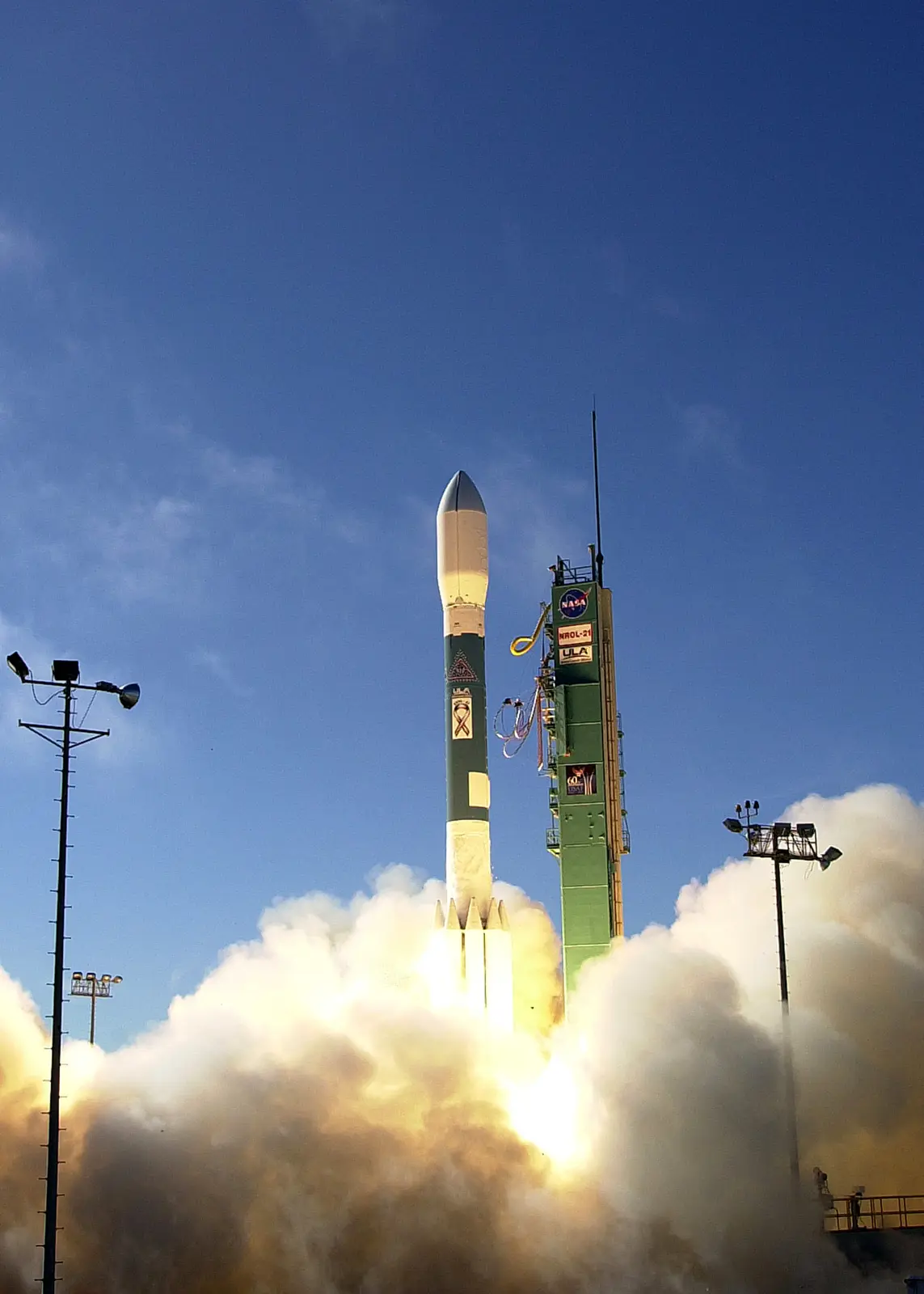
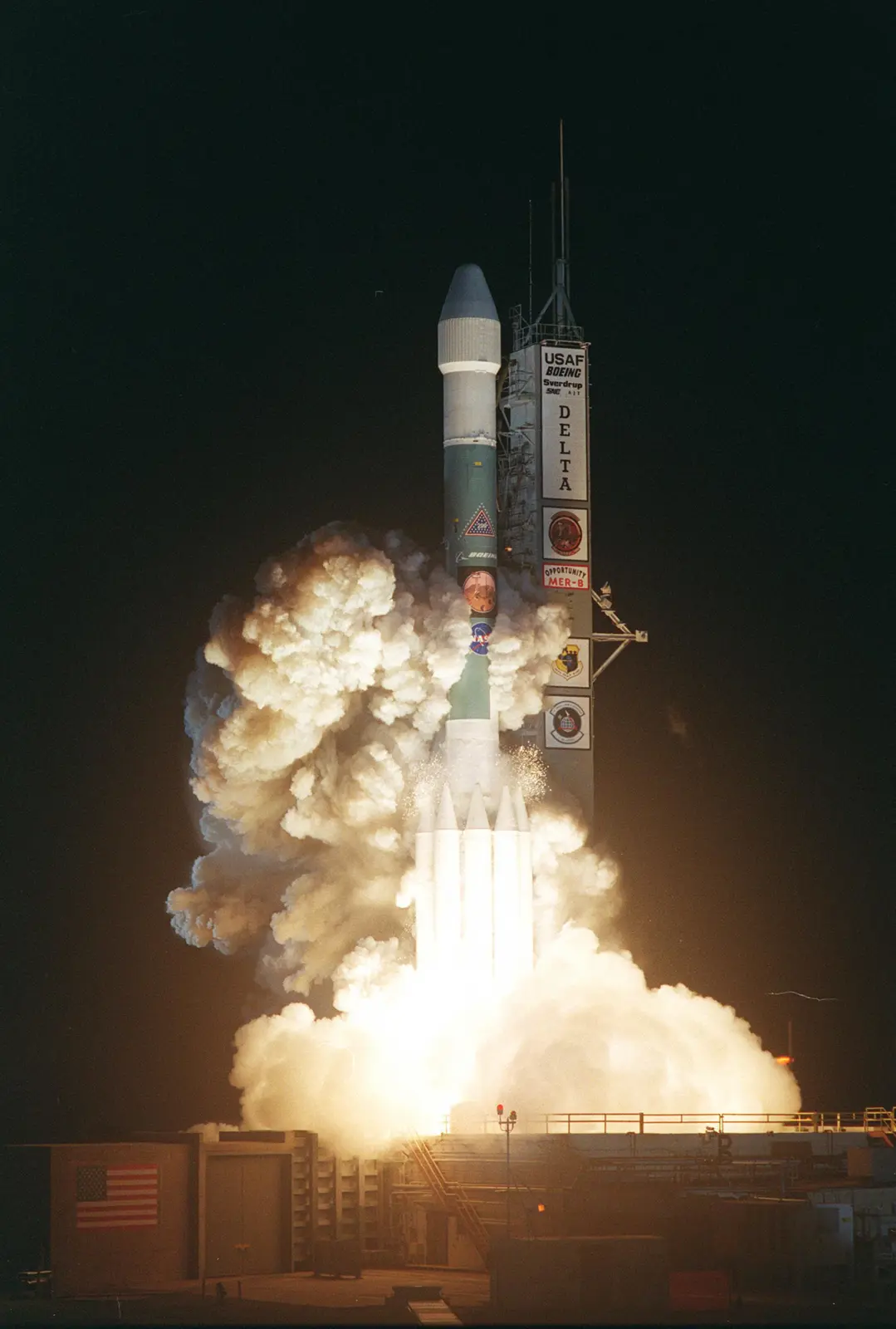
From a 512-mile orbit, tilted 98.7 degrees to the equator and traveling pole-to-pole, the craft will provide imagery, atmospheric temperature and humidity profiles, and land and ocean surface temperature observations, all of which are key ingredients for weather forecasting. In addition, the satellite will measure ozone levels and reflected solar radiation from the planet.JPSS 1 will survey the entire globe twice per day with five sensor packages.The satellite will replace the existing Suomi NPP spacecraft that launched in 2011 for a five-year mission as a gapfiller between NOAA’s legacy weather satellite constellation and the new JPSS generation.
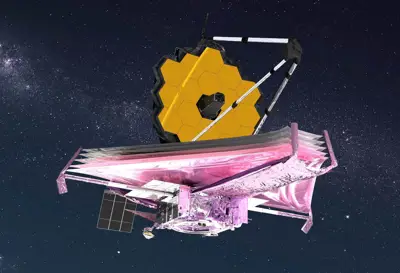
NASA's large strategic science missions or large strategic missions, formerly known as Flagship missions or Flagship-class missions, are the costliest and most capable NASA science spacecraft. Flagship missions exist within all four divisions of NASA's Science Mission Directorate (SMD): the astrophysics, Earth science, heliophysics and planetary science divisions.
Aug 22, 1975 — ongoing
Orbital Attempt
#5,692
ULA Mission
#124
Pad Launch
#91
Location Launch
#673
Designator
2017-073
Weather GO
100%
Nov 18, 2017, 9:47 AM
1 update
9:47 AM
Window Open
9:48 AM
Window Close
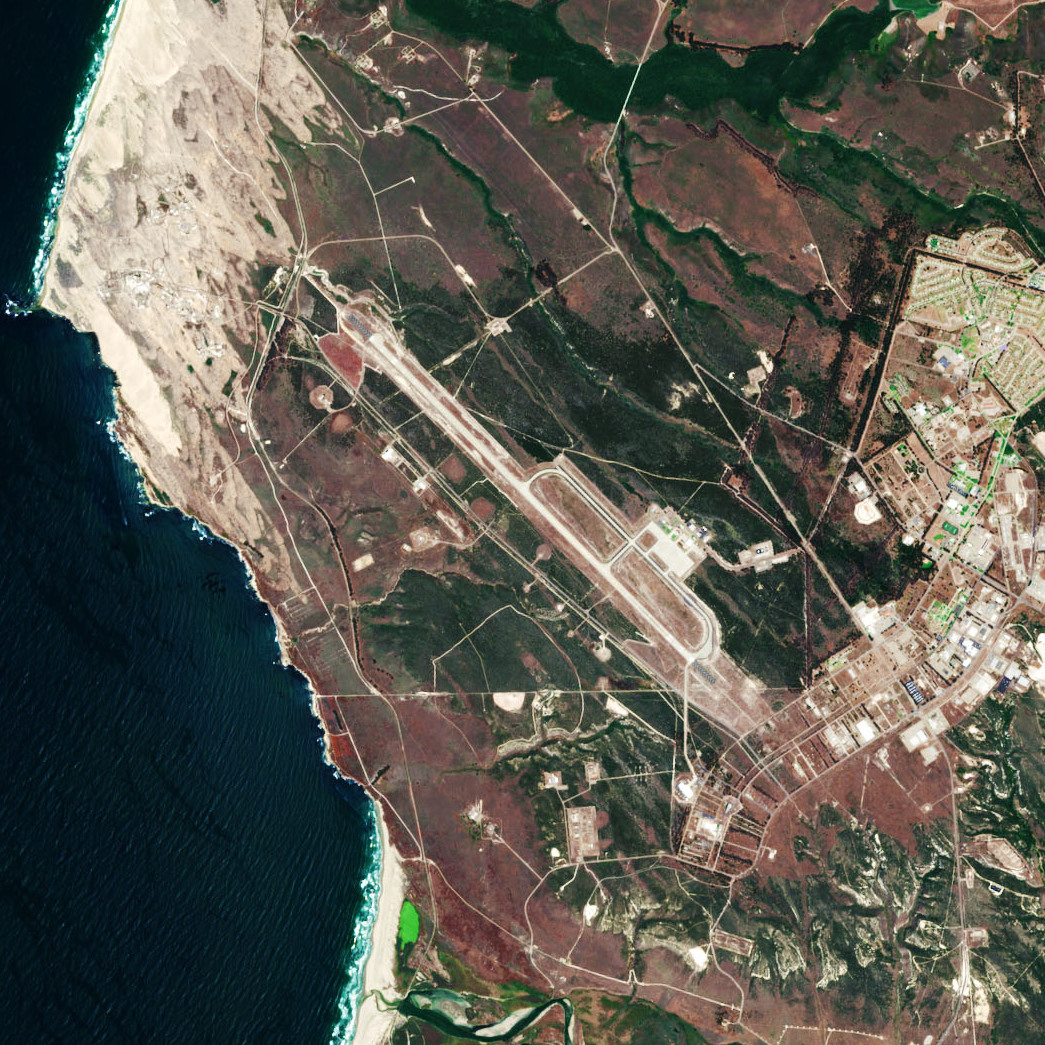
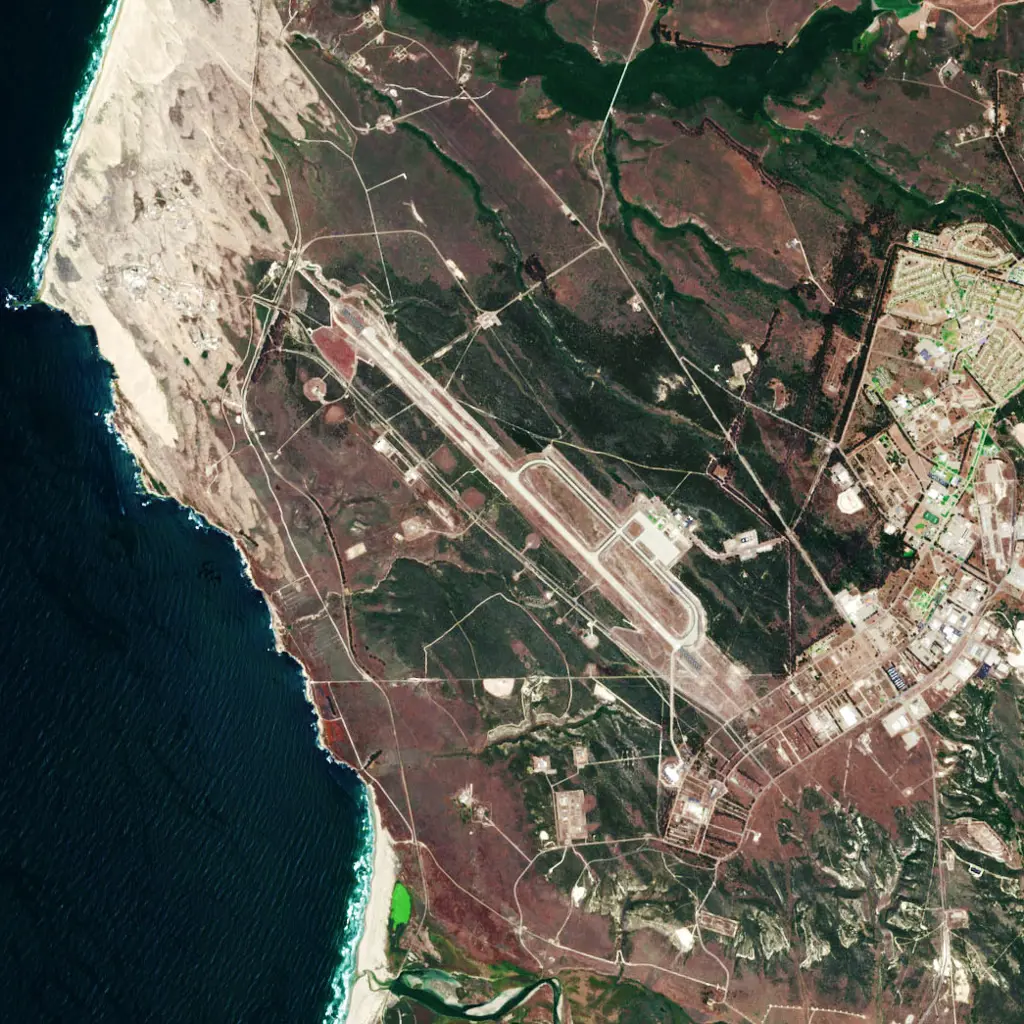
Vandenberg Space Force Base is a United States Space Force Base in Santa Barbara County, California. Established in 1941, Vandenberg Space Force Base is a space launch base, launching spacecraft from the Western Range, and also performs missile testing. The United States Space Force's Space Launch Delta 30 serves as the host delta for the base, equivalent to an Air Force air base wing. In addition to its military space launch mission, Vandenberg Space Force Base also hosts space launches for civil and commercial space entities, such as NASA and SpaceX.
Timezone
America/Los_Angeles
Local Launch Time
Nov 18, 2017, 1:47 AM
Total Launches
900
Total Landings
35
Coordinates
34.7513, -120.5202