
Planetary Science
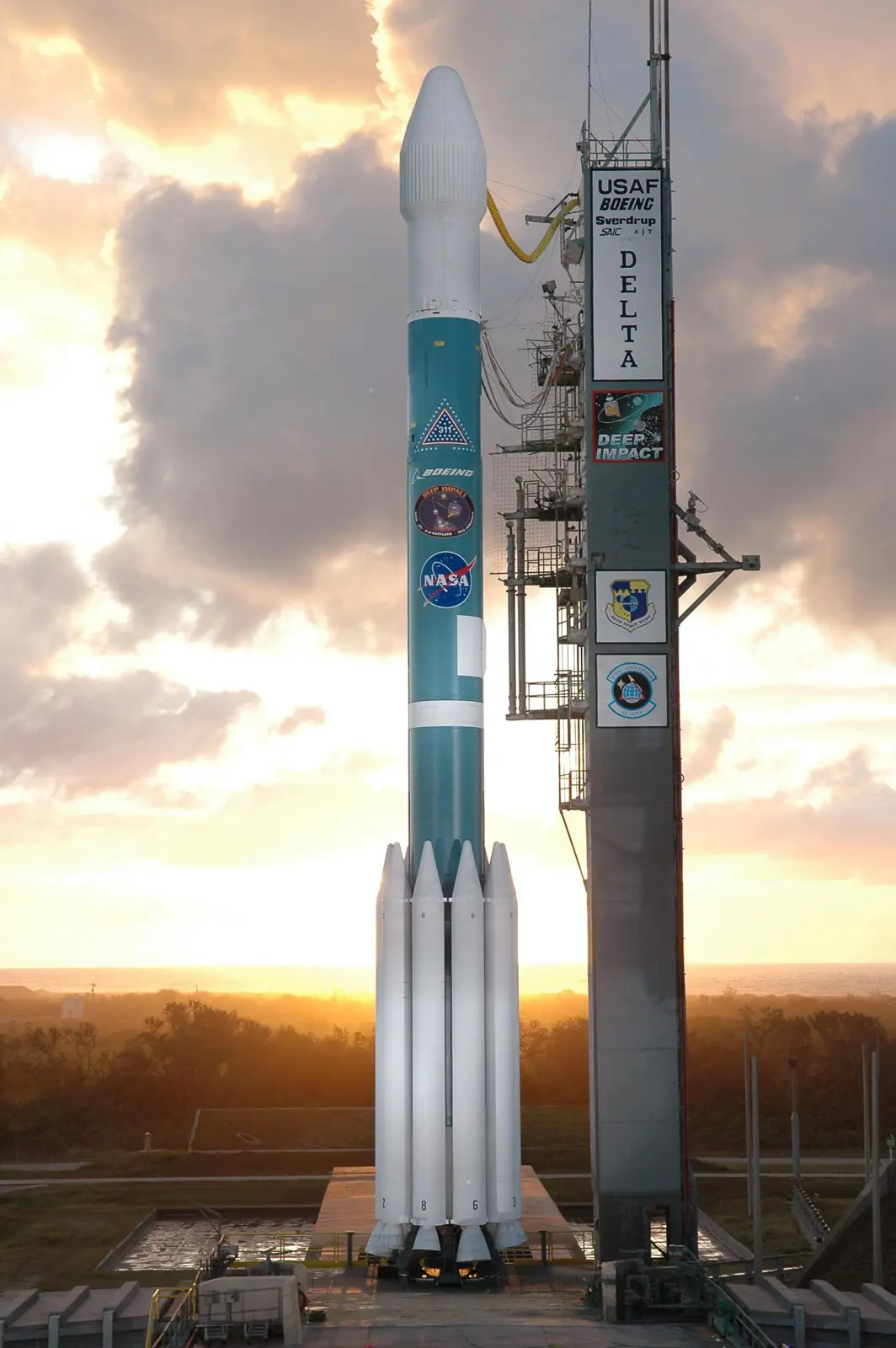
A robotic spacecraft to land on mars under the Mars Scout Program. It studied environments suitable for life, and to research the history of water.
Orbital Attempt
#4,853
ULA Mission
#7
Pad Launch
#140
Location Launch
#648
Designator
2007-034
Aug 4, 2007, 9:26 AM
Second
1 update
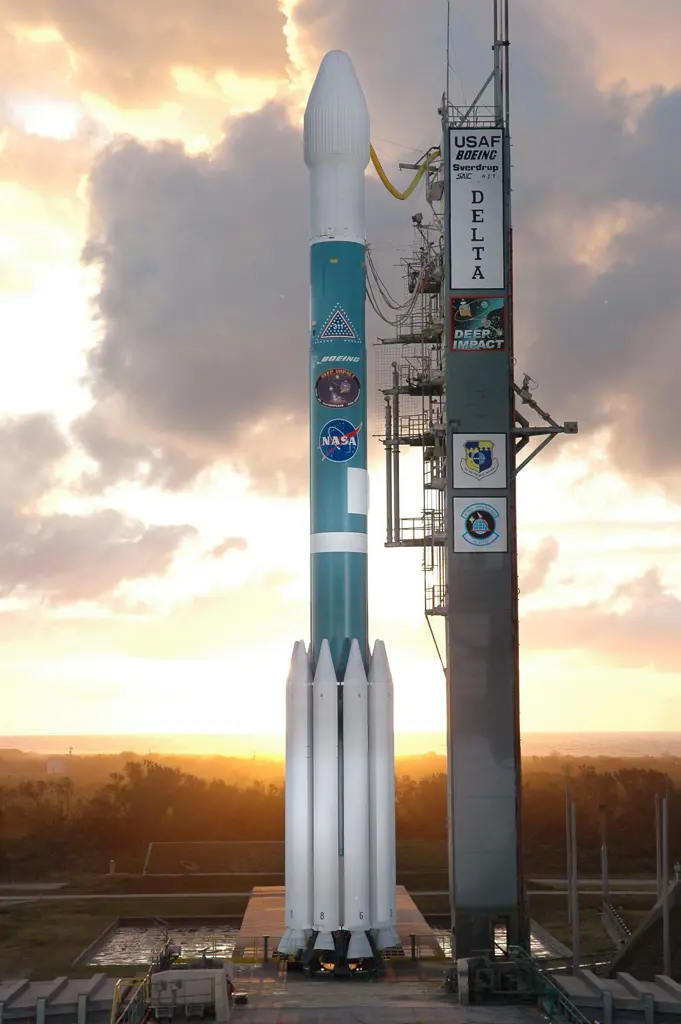
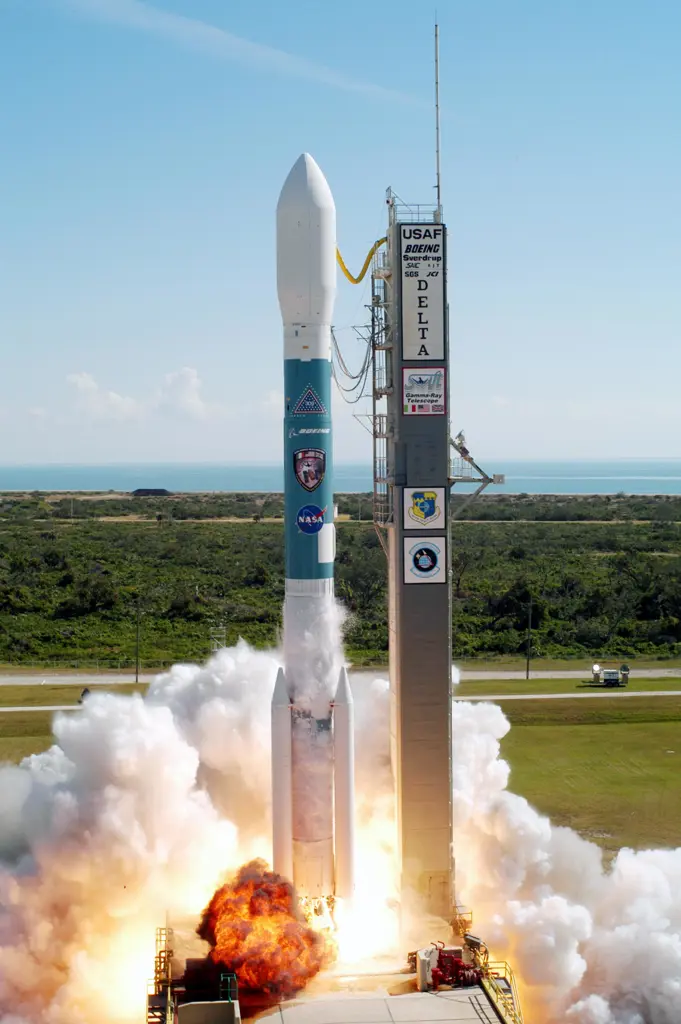
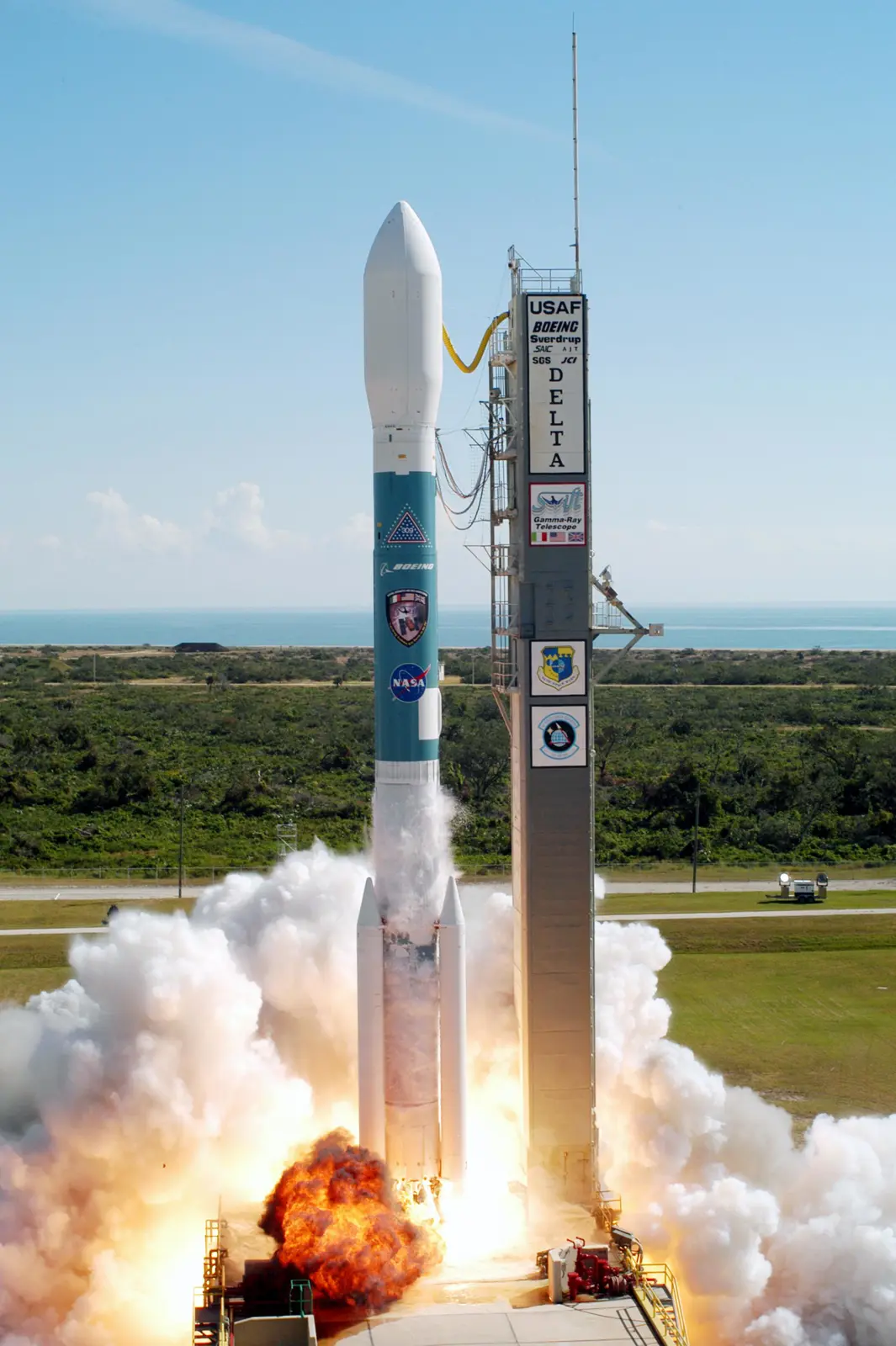
Delta II was an expendable launch system, originally designed and built by McDonnell Douglas. Delta II was part of the Delta rocket family and entered service in 1989. Delta II vehicles included the Delta 6000, and the two later Delta 7000 variants ("Light" and "Heavy"). The rocket flew its final mission ICESat-2 on 15 September 2018, earning the launch vehicle a streak of 100 successful missions in a row, with the last failure being GPS IIR-1 in 1997.
Length
39 m
Diameter
2.44 m
Launch Mass
219 t
Thrust
3,790 kN
LEO Capacity
3,981 kg
GTO Capacity
1,446 kg
SSO Capacity
3,017 kg
Launch Cost
$51M
Reusable
No
Maiden Flight
1990
Fastest Turnaround
15d 19h
Total Launches
1
Successful
1
Failed
0
Consecutive Success
1
Maiden flight: Feb 14, 1990
United Launch Alliance (ULA) is a joint venture of Lockheed Martin Space Systems and Boeing Defense, Space & Security. ULA was formed in December 2006 by combining the teams at these companies which provide spacecraft launch services to the government of the United States. ULA launches from both coasts of the US. They launch their Atlas V vehicle from LC-41 in Cape Canaveral and LC-3E at Vandeberg. Their Delta IV launches from LC-37 at Cape Canaveral and LC-6 at Vandenberg.
Founded
2006
Administrator
Interim CEO: John Elbon
Total Launches
173
Successful
173
Failed
0
Pending
38
Consecutive Success
173
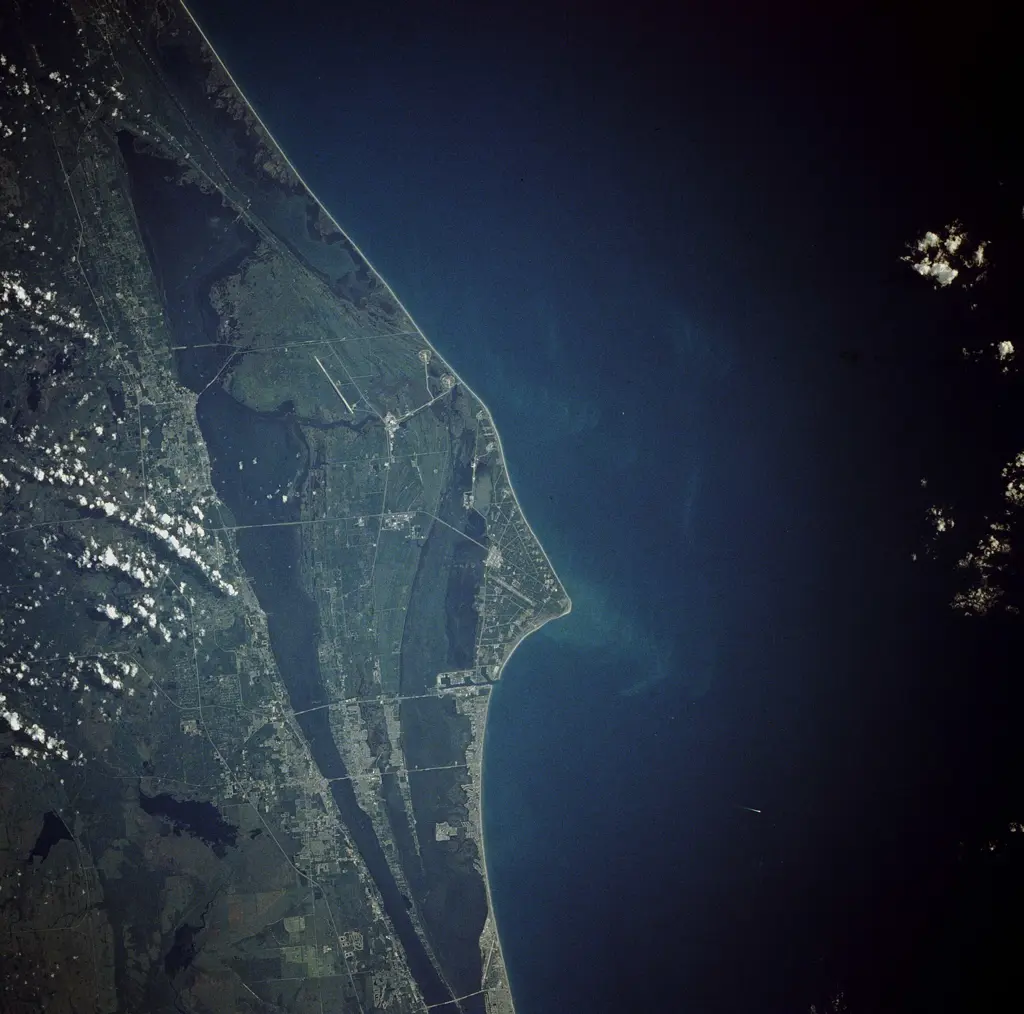
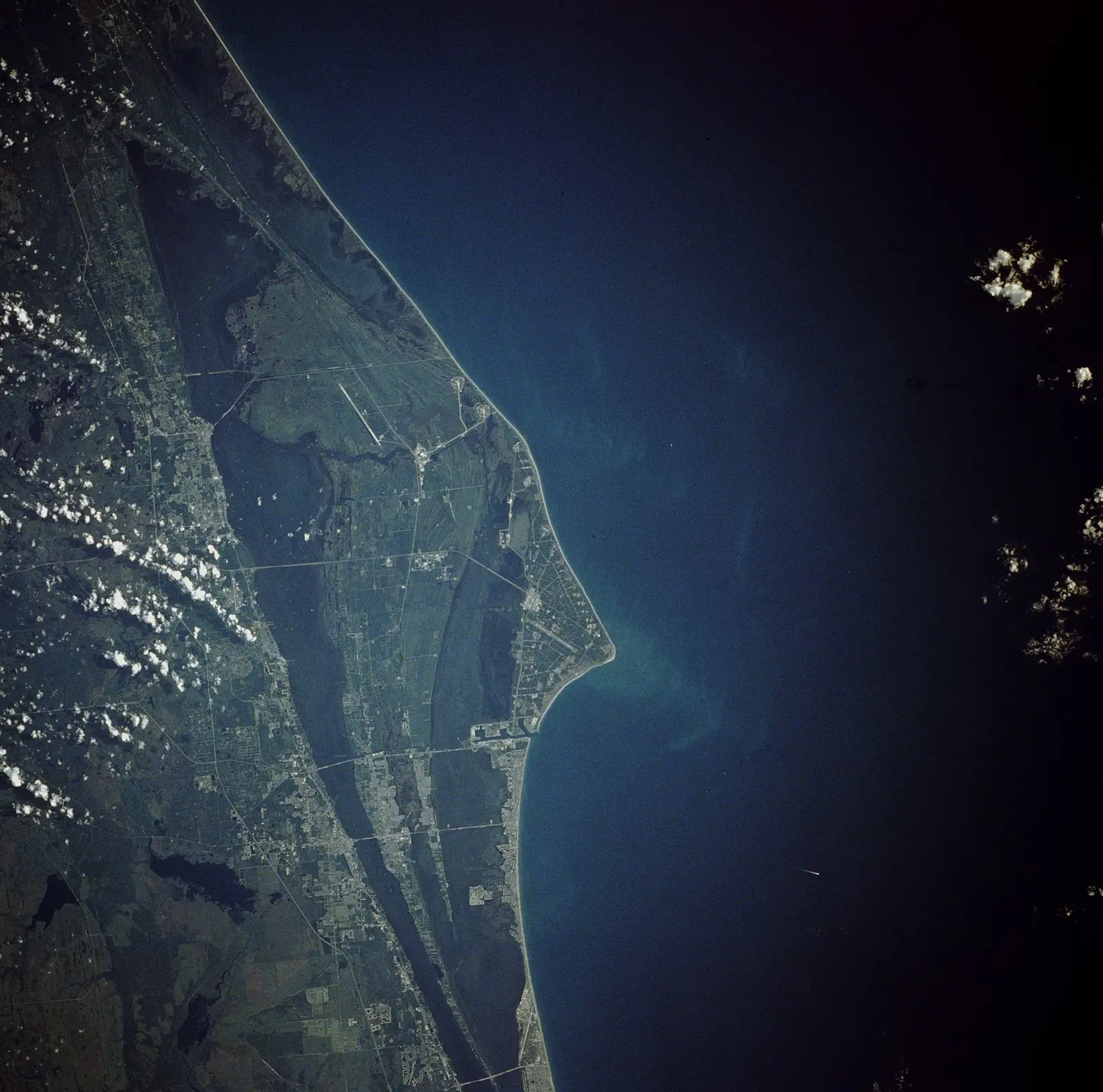
Cape Canaveral Space Force Station (CCSFS) is an installation of the United States Space Force's Space Launch Delta 45, located on Cape Canaveral in Brevard County, Florida.
Timezone
America/New_York
Local Launch Time
Aug 4, 2007, 5:26 AM
Total Launches
1,109
Total Landings
75
Coordinates
28.4889, -80.5778