About Nancy Grace Roman Space Telescope
Primary payload
Roman
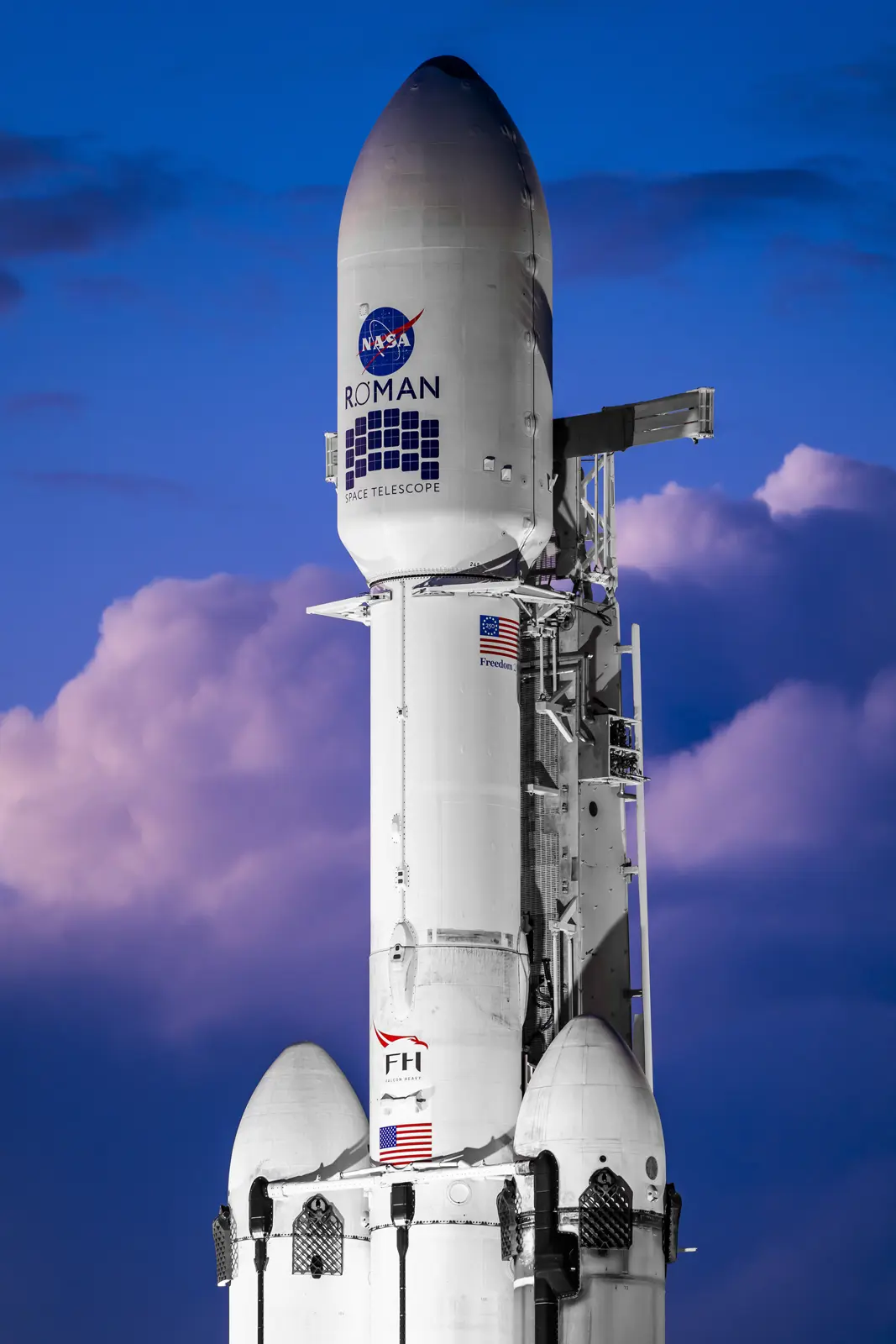
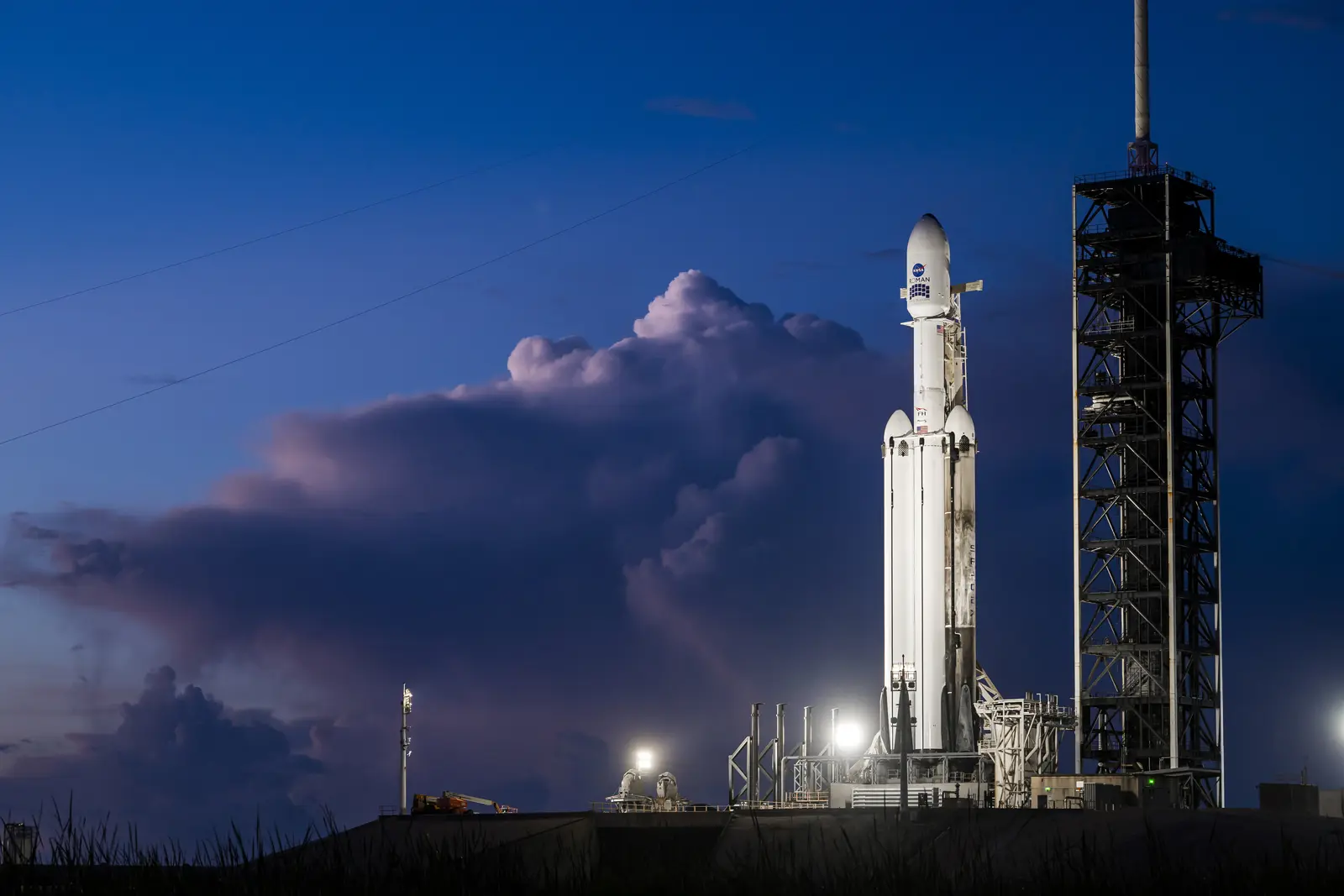
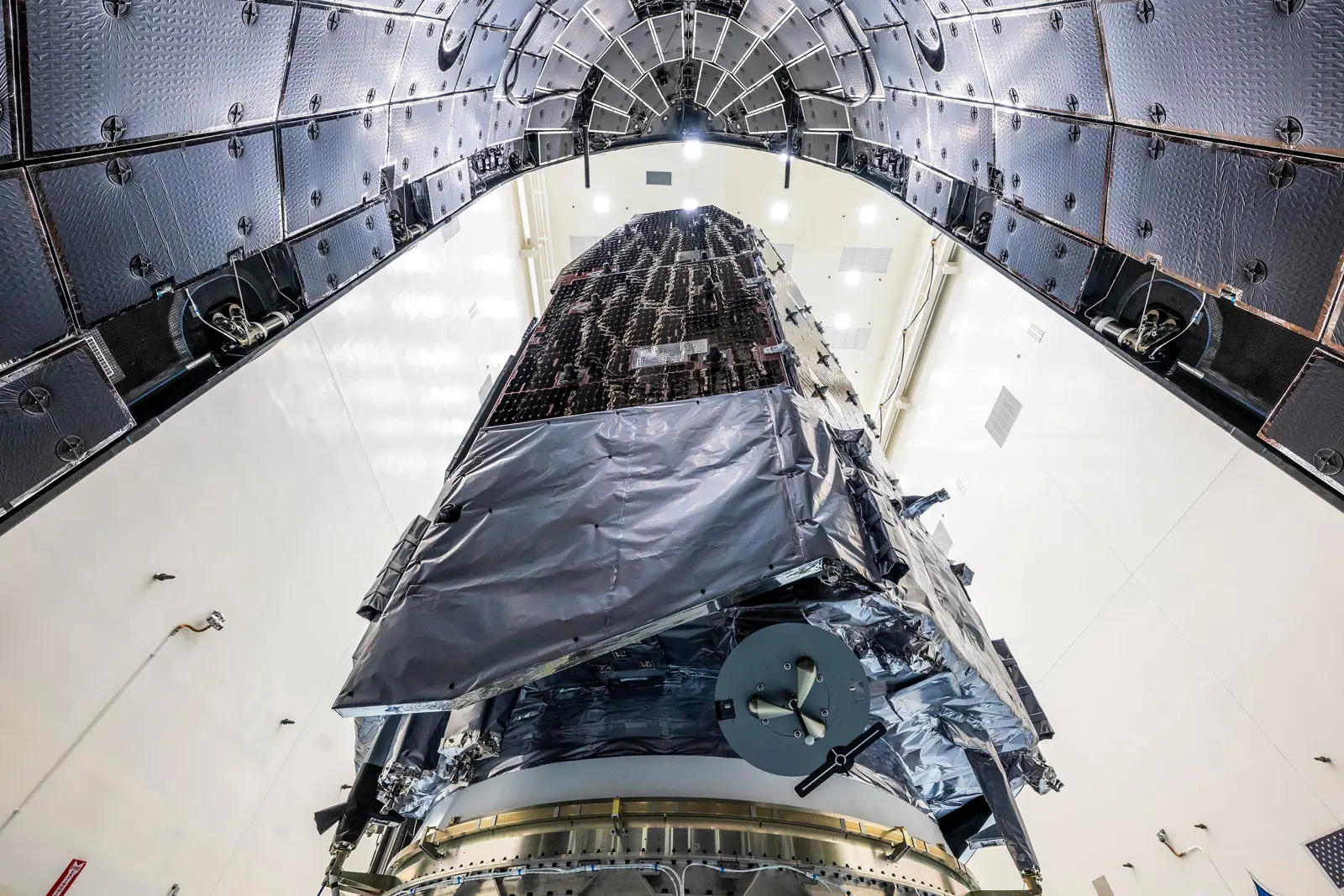
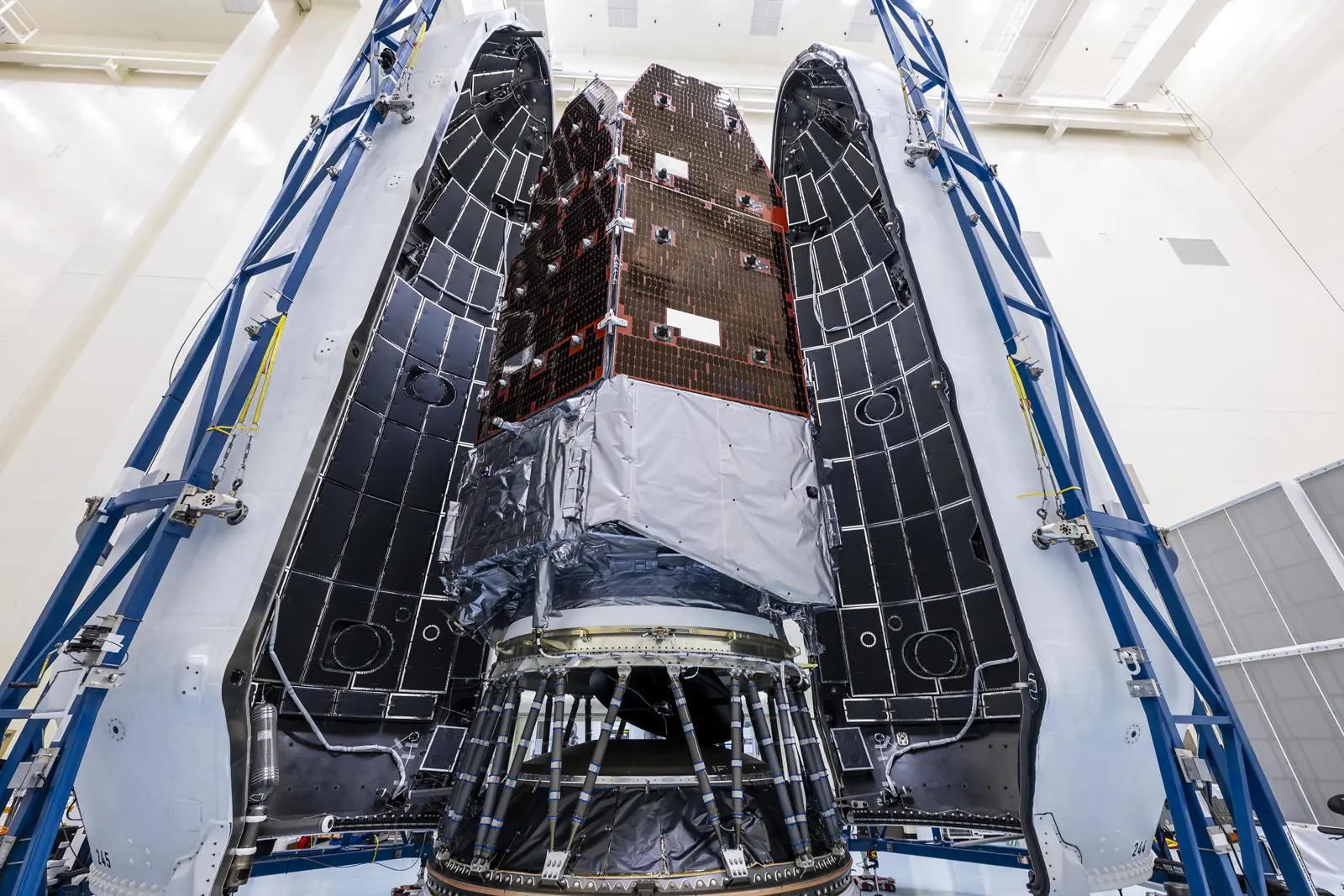
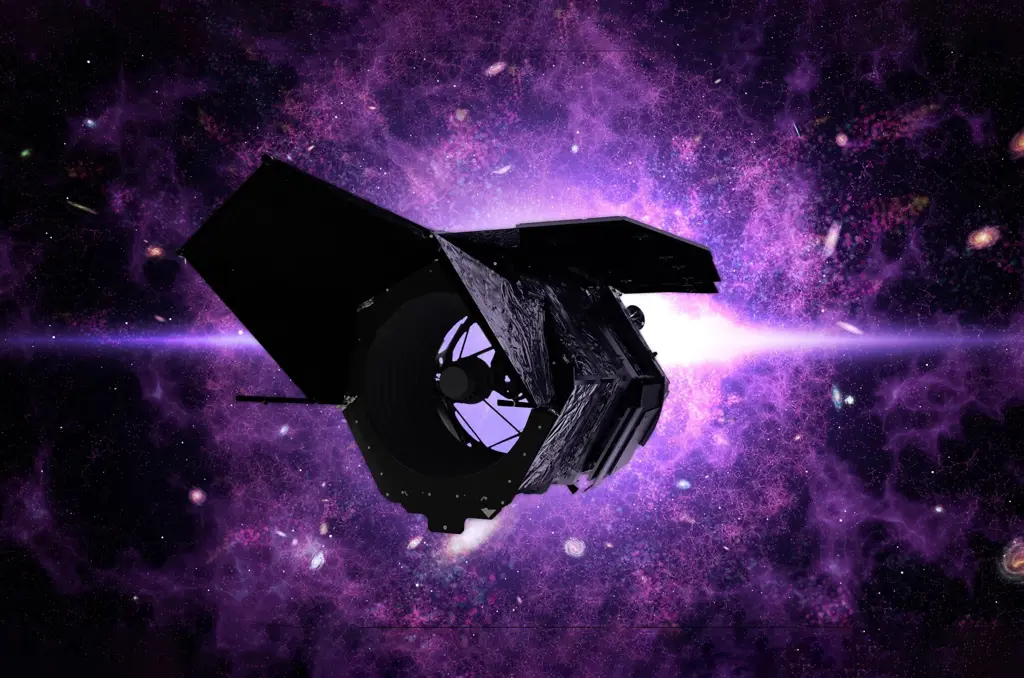
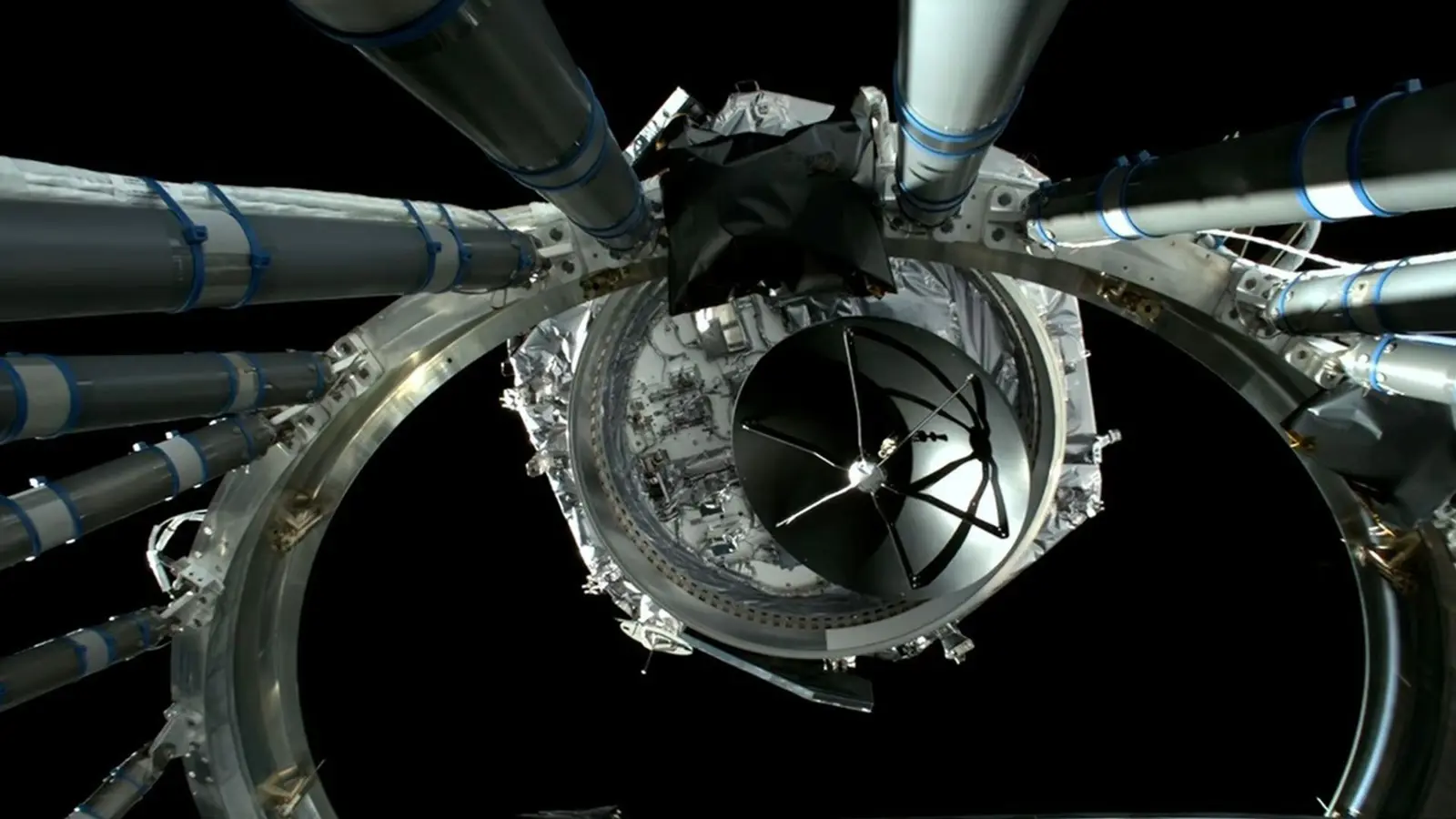
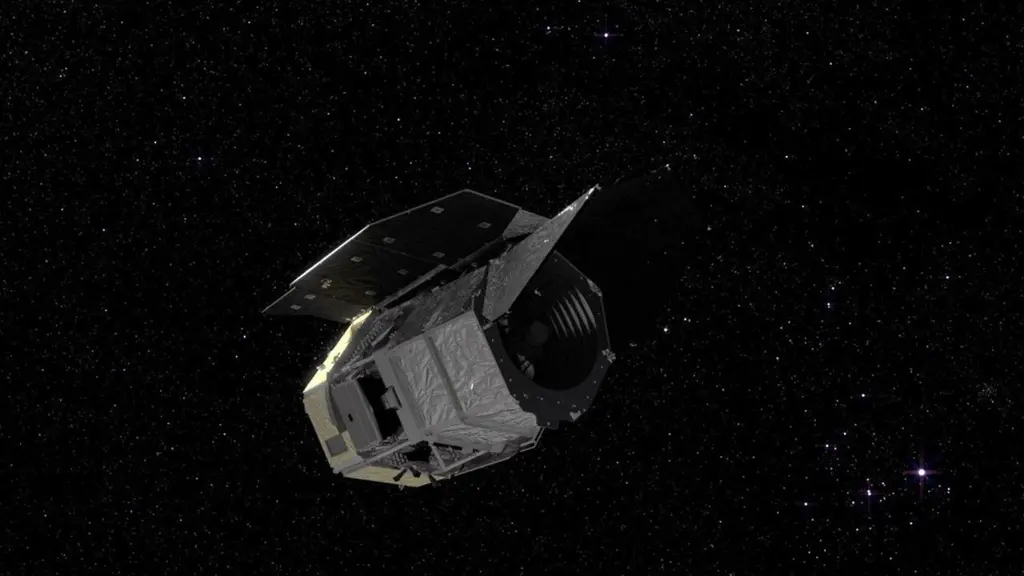
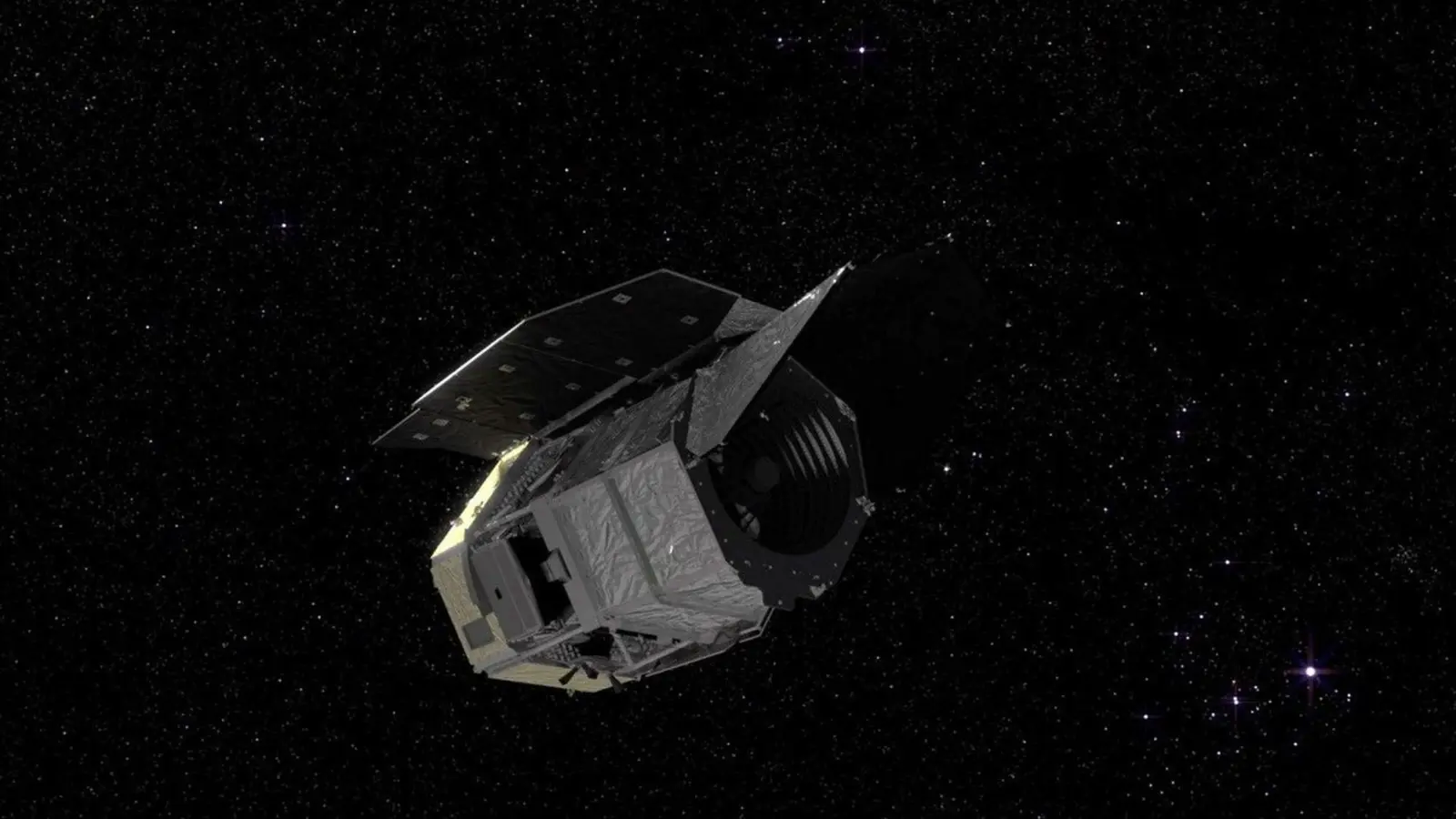
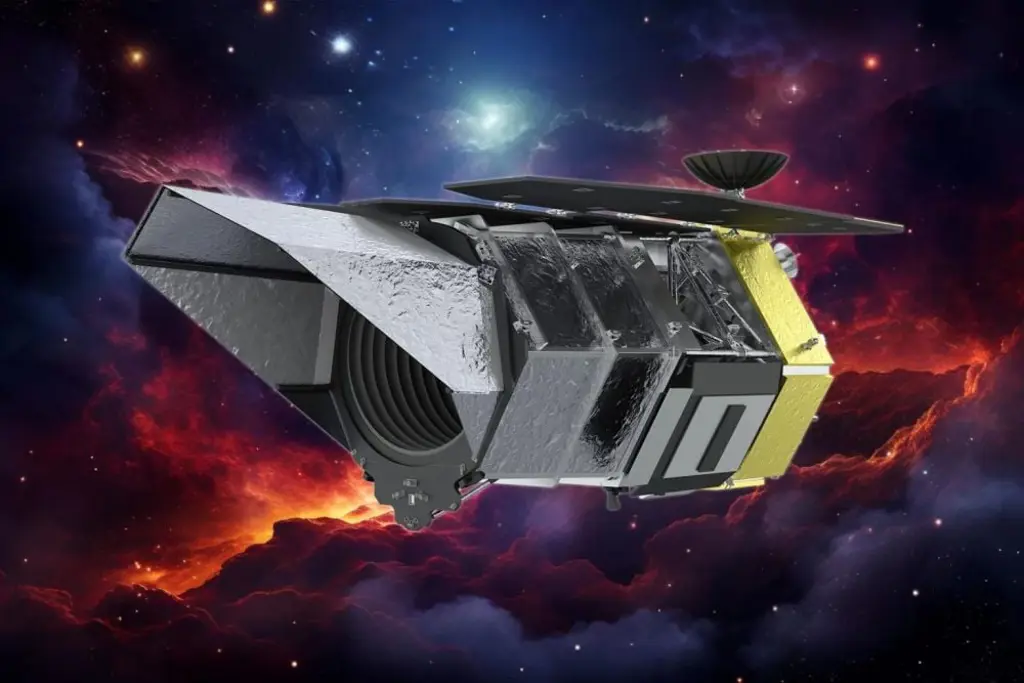
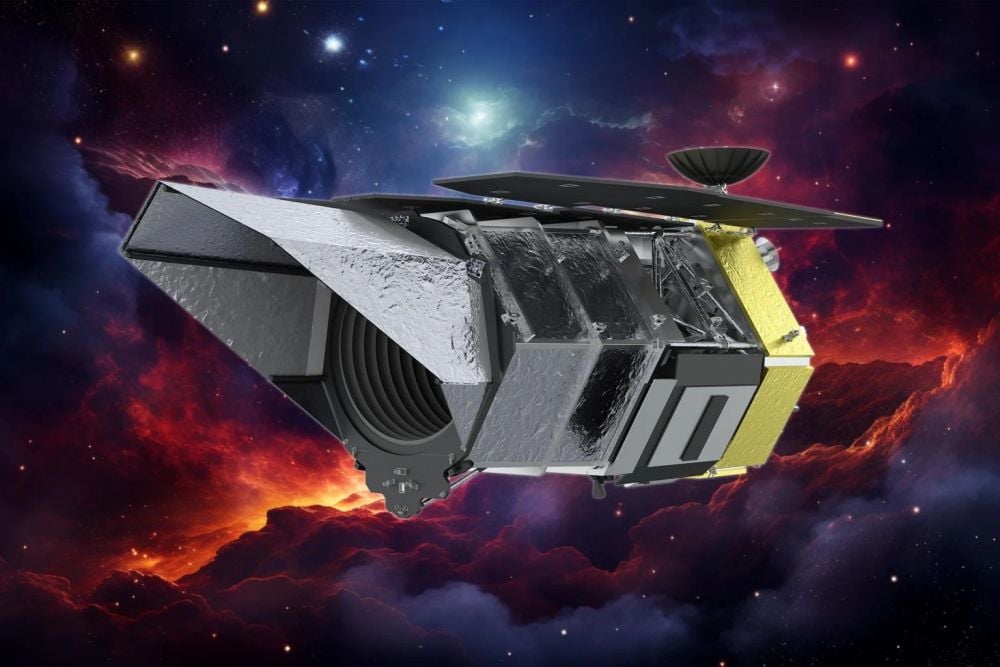
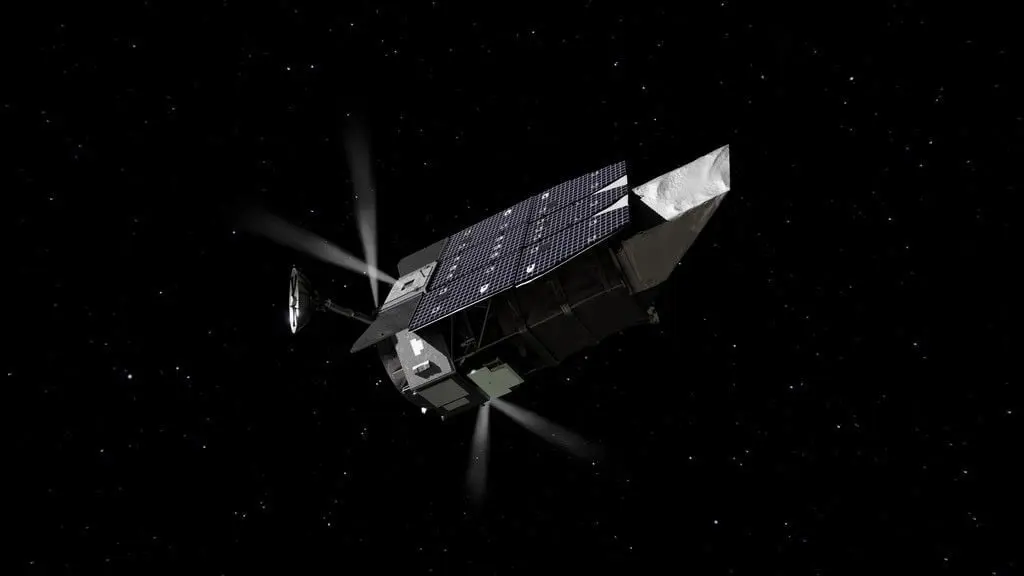
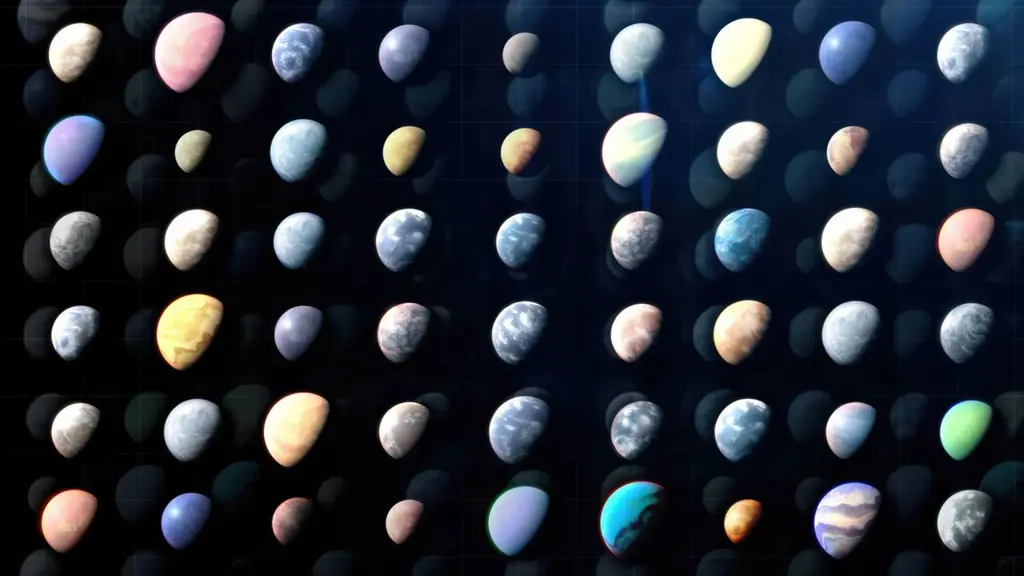
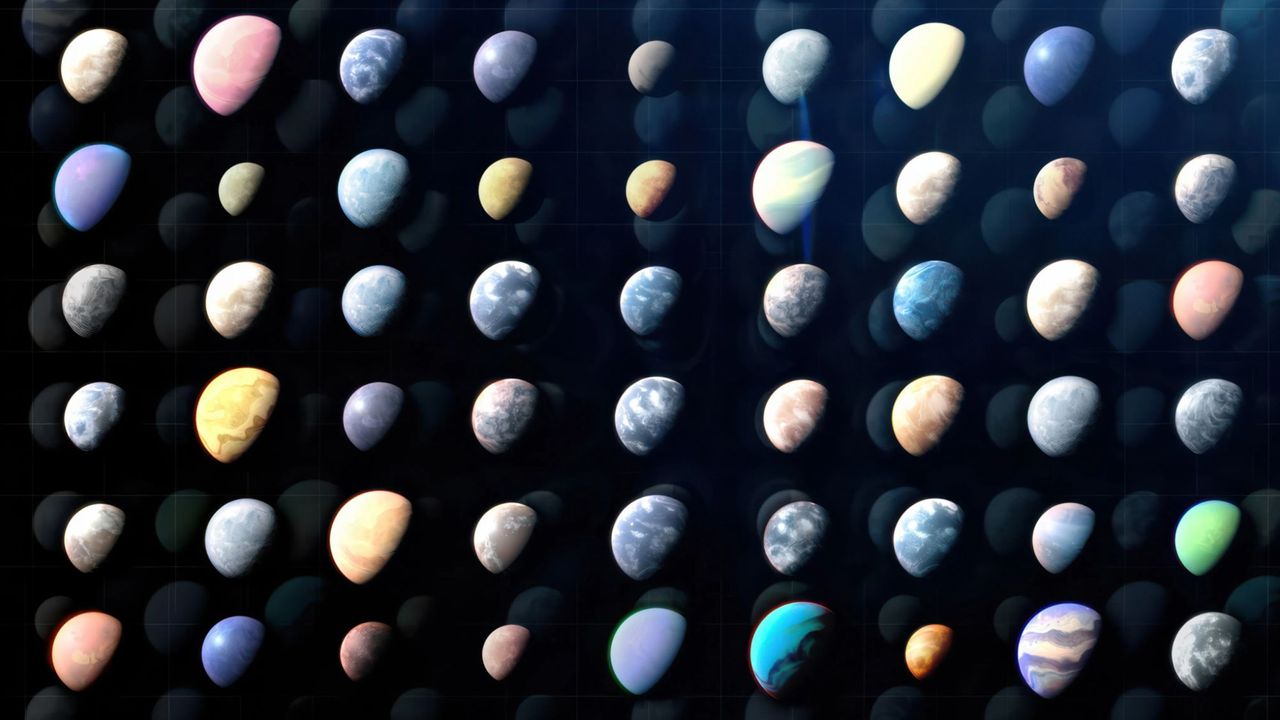
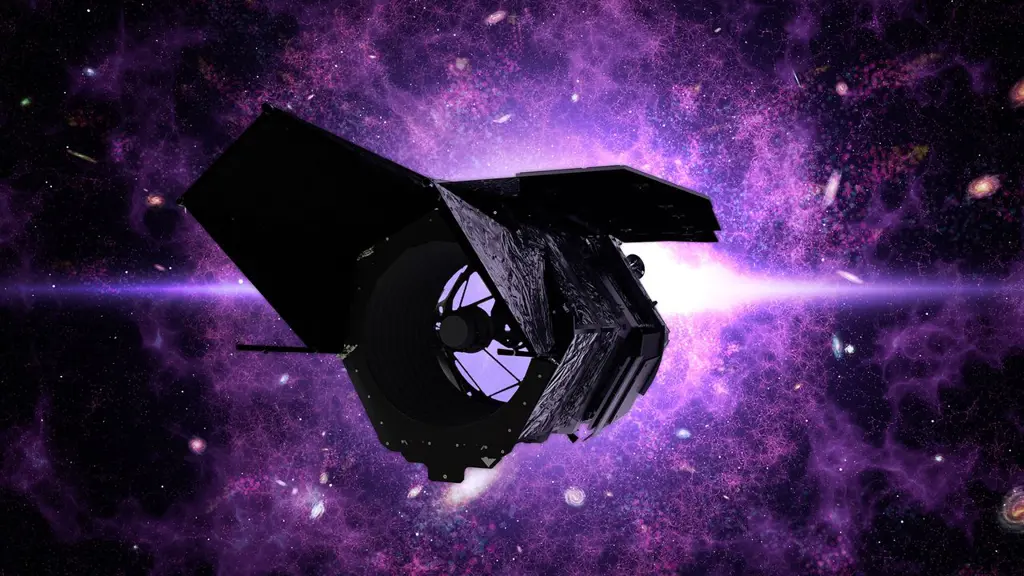
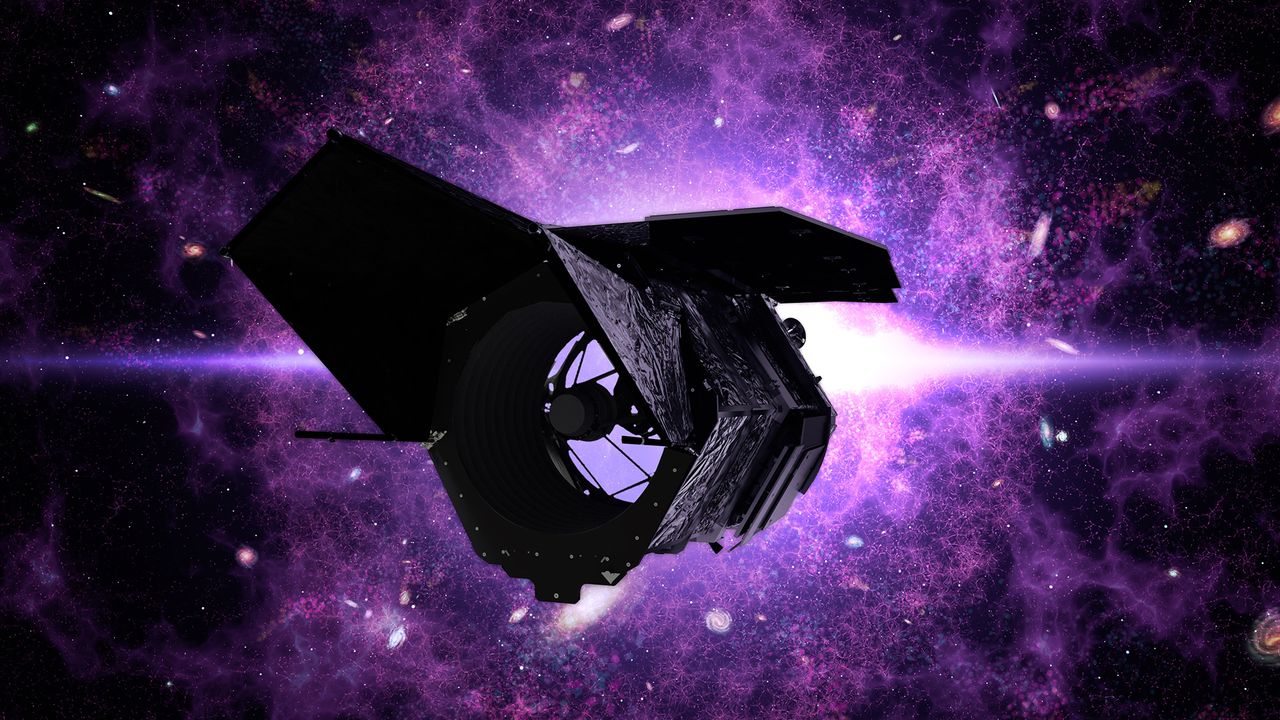
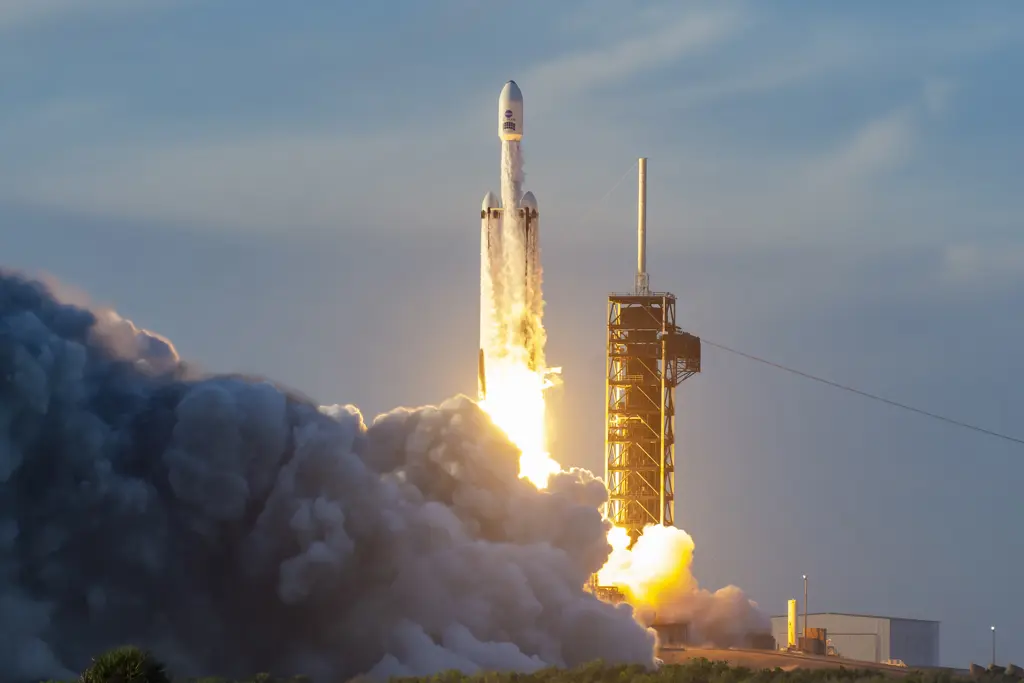
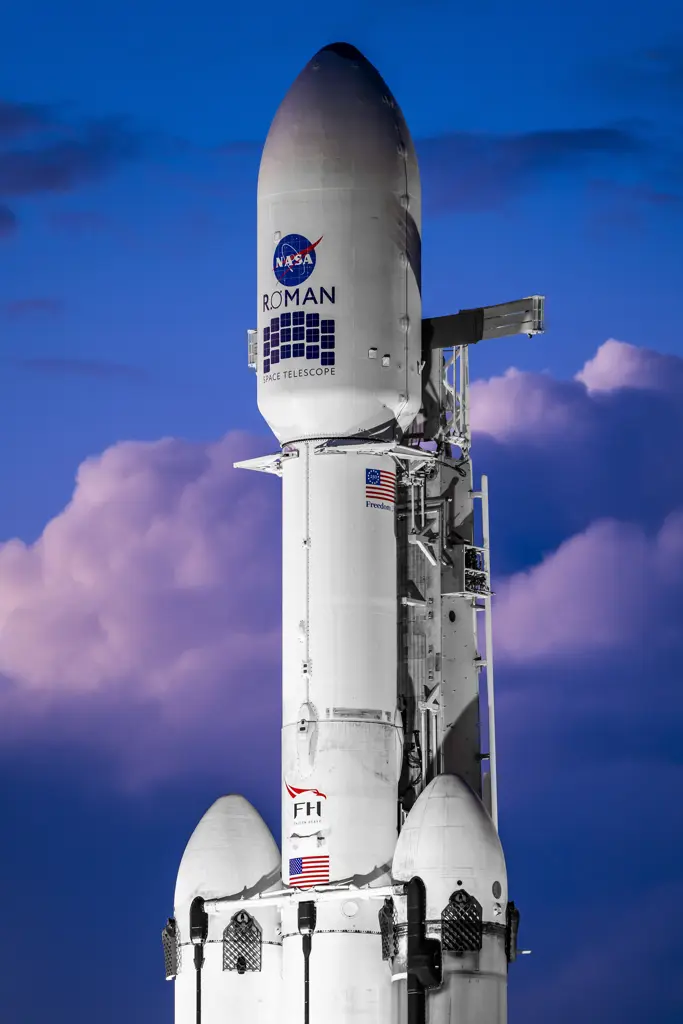
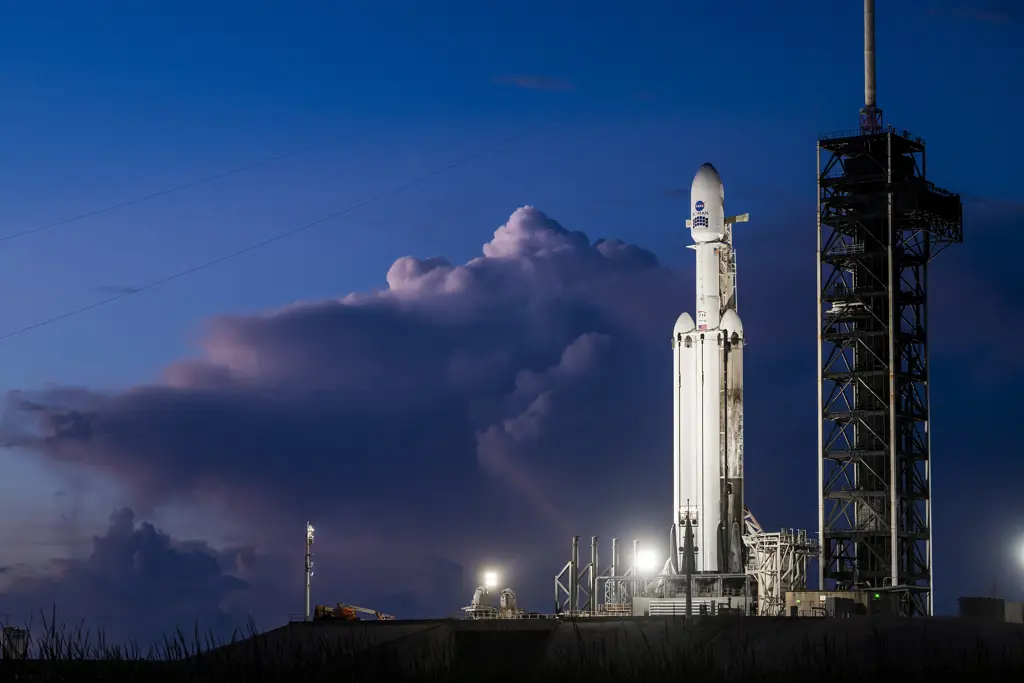
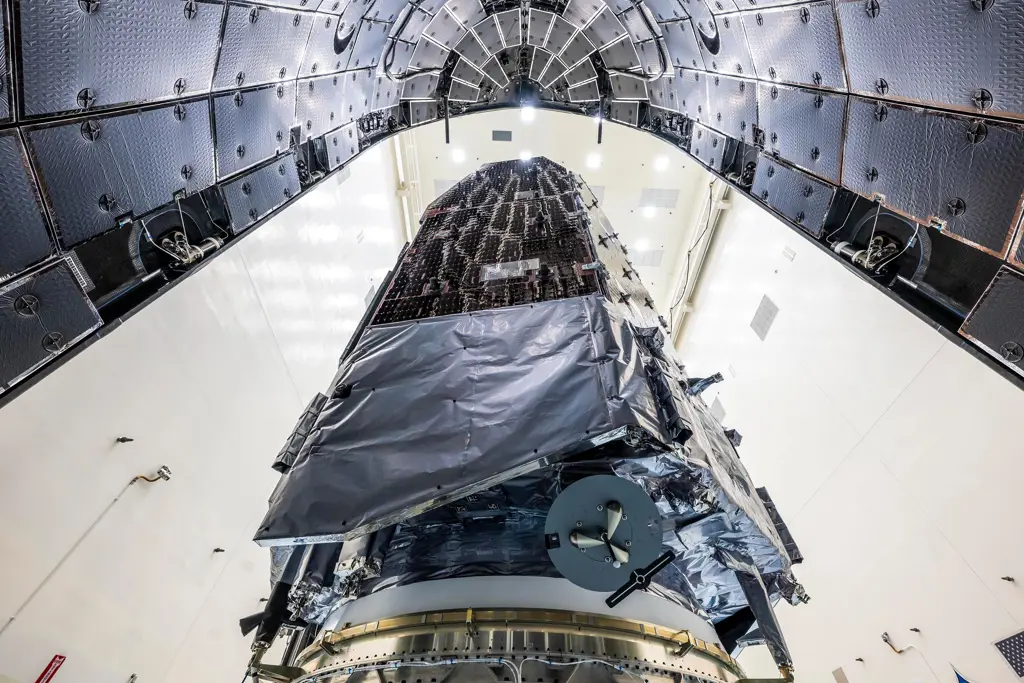
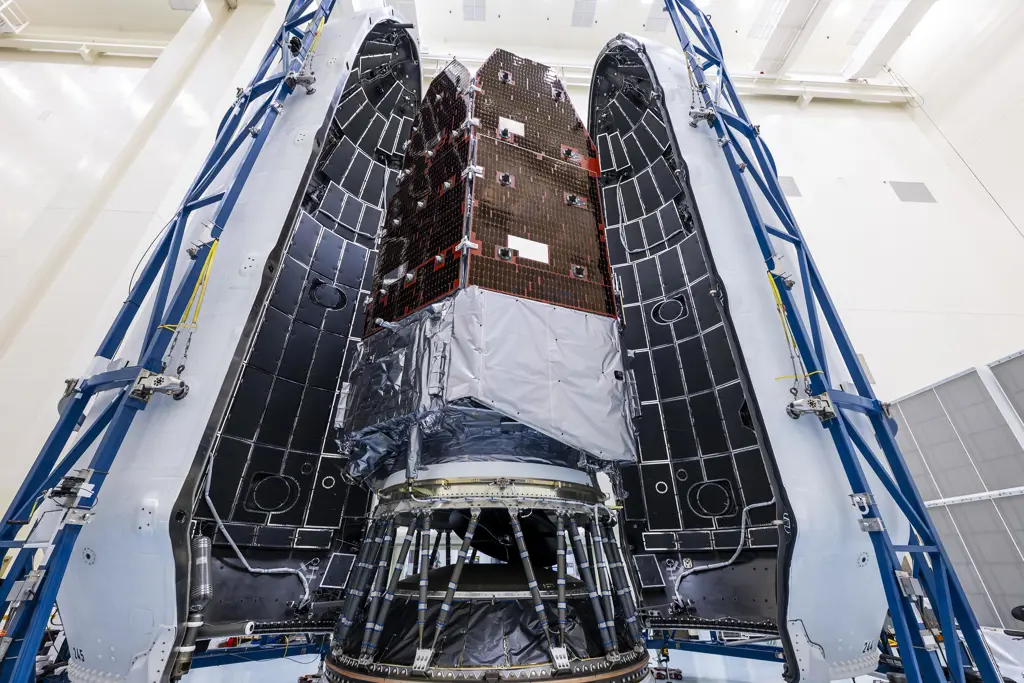
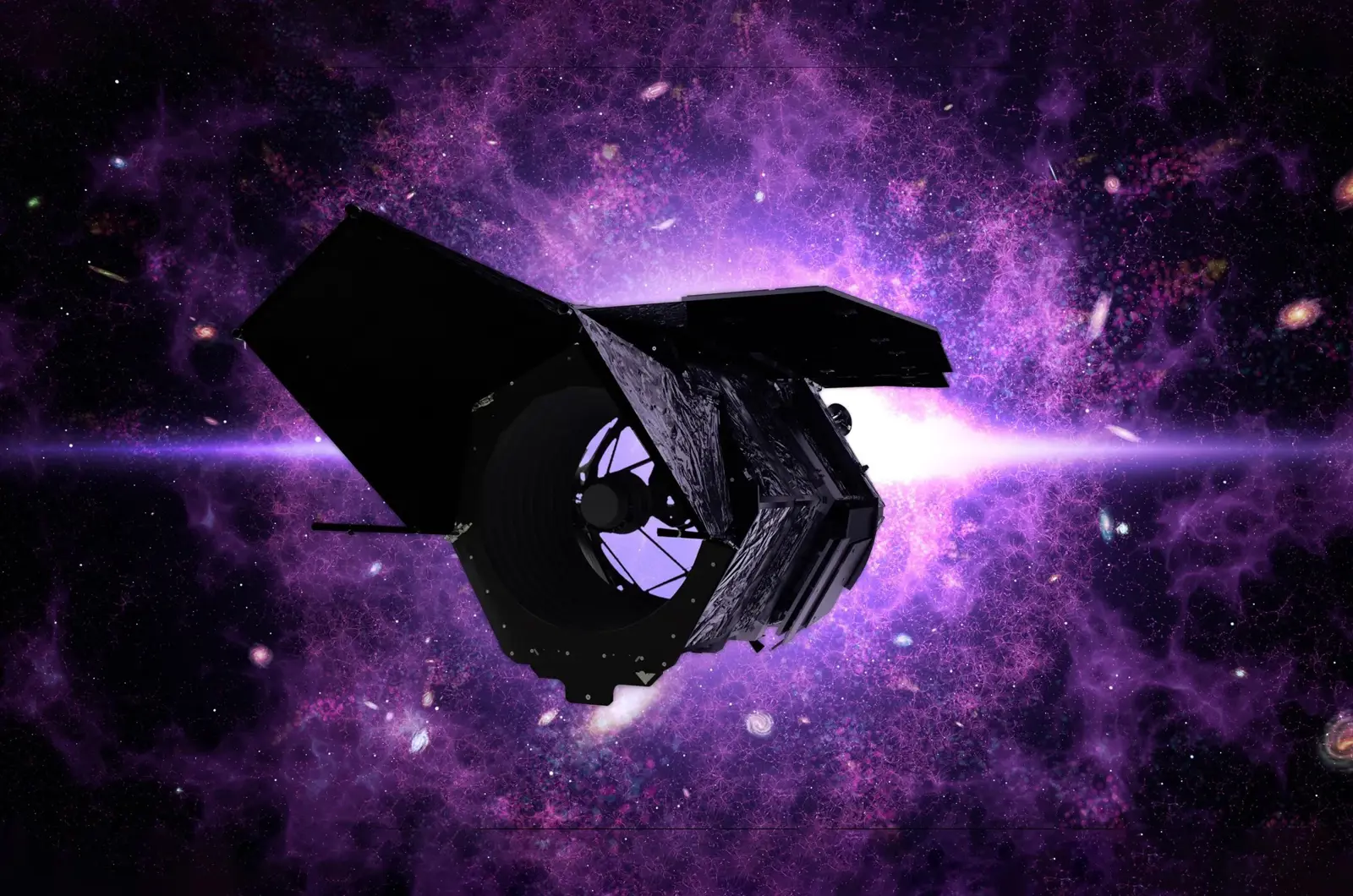
The Nancy Grace Roman Space Telescope is a NASA infrared space telescope with a 2.4 m (7.9 ft) wide field of view primary mirror and two scientific instruments. The Wide-Field Instrument (WFI) is a 300.8-megapixel multi-band visible and near-infrared camera, providing a sharpness of images comparable to that achieved by the Hubble Space Telescope over a 0.28 square degree field of view, 100 times larger than imaging cameras on the Hubble. The Coronagraphic Instrument (CGI) is a high-contrast, small field of view camera and spectrometer covering visible and near-infrared wavelengths using novel starlight-suppression technology. Roman objectives include a search for extra-solar planets using gravitational microlensing, and probing the expansion history of the Universe and the growth of cosmic structure, with the goal of measuring the effects of dark energy, the consistency of general relativity, and the curvature of spacetime.
Orbital Attempt
#7,379
SpX Mission
#724
Pad Launch
#223
Location Launch
#282
Designator
2026-199
Weather GO
70%
Cumulus Cloud Rule, Surface Electric Fields Rule

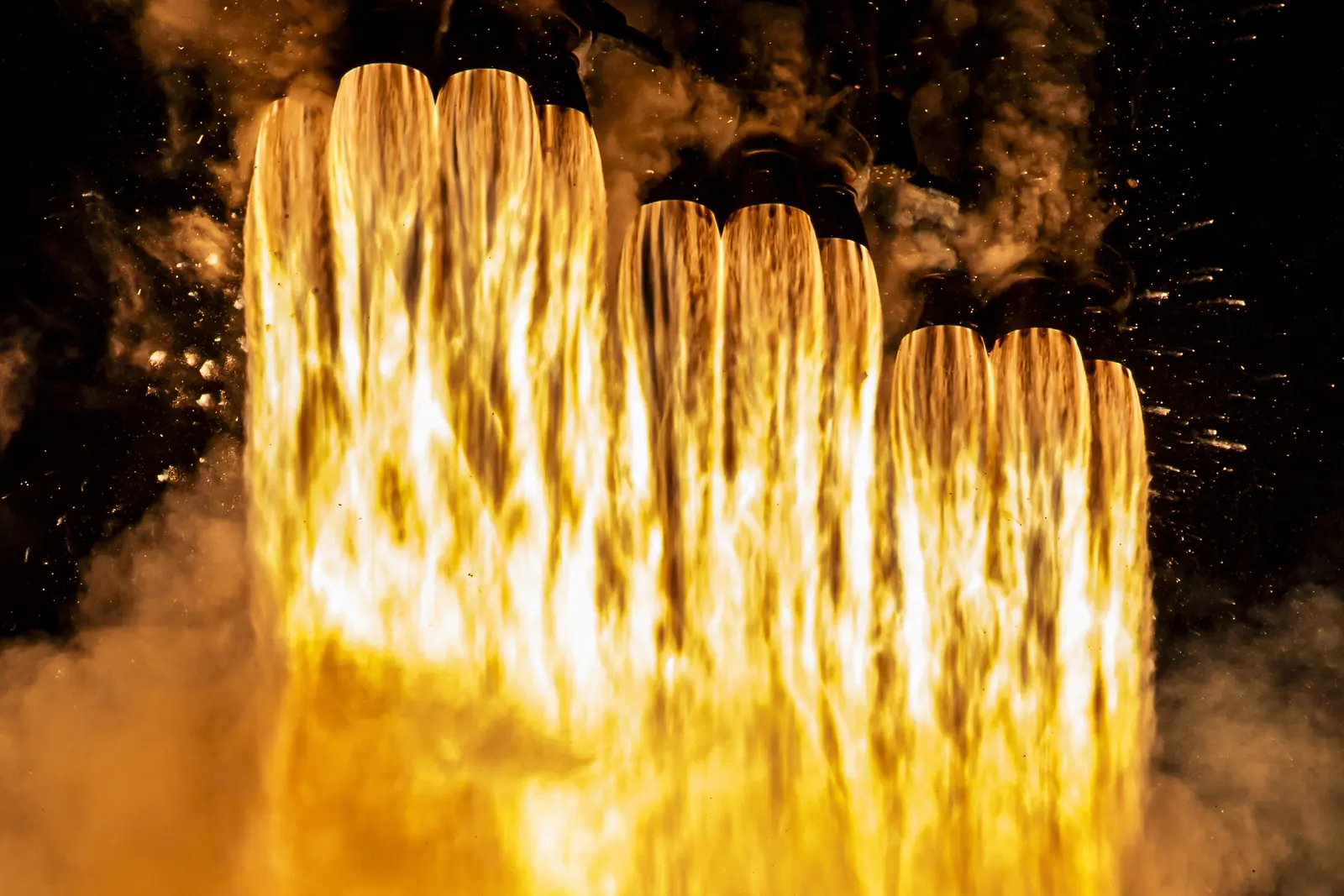
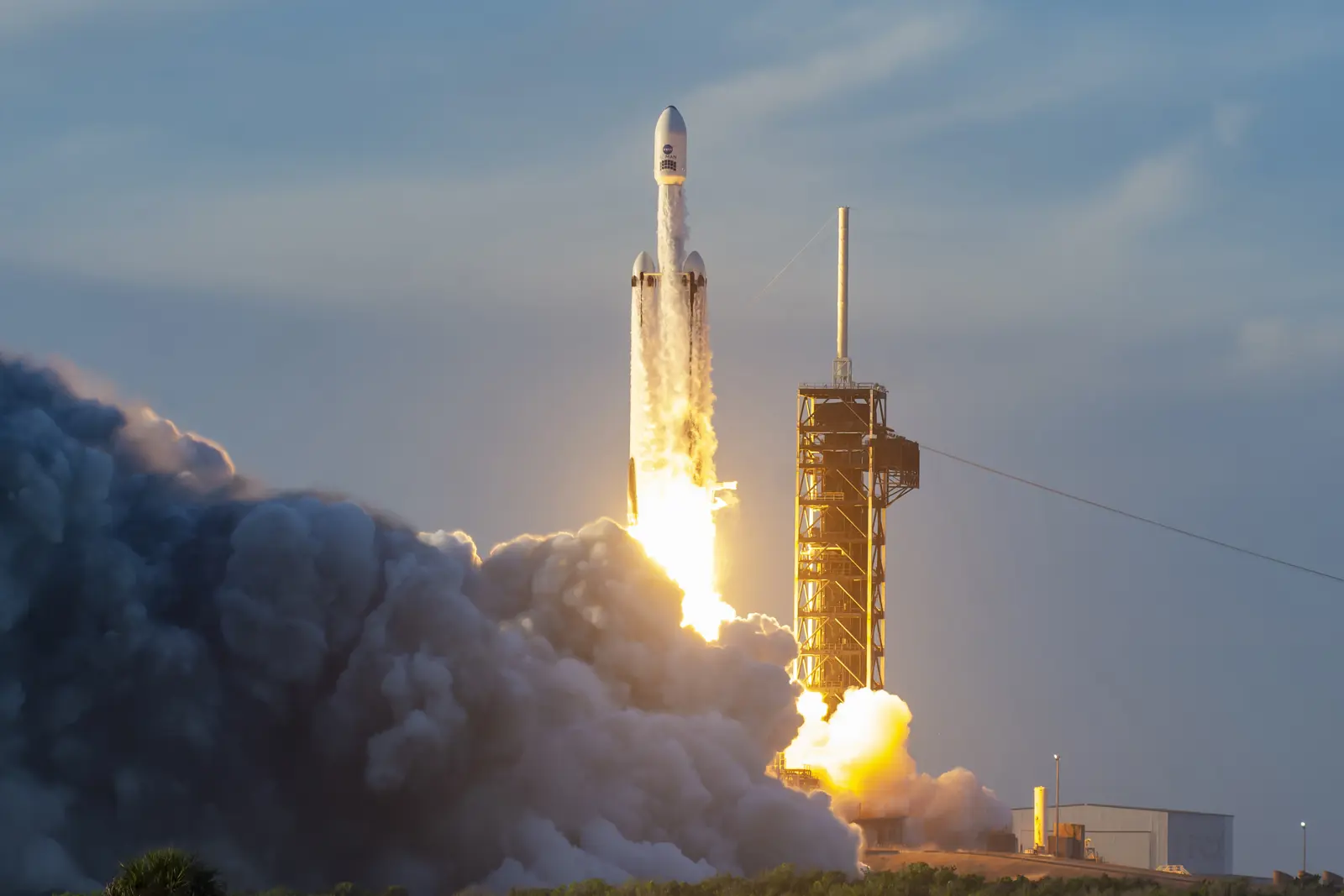
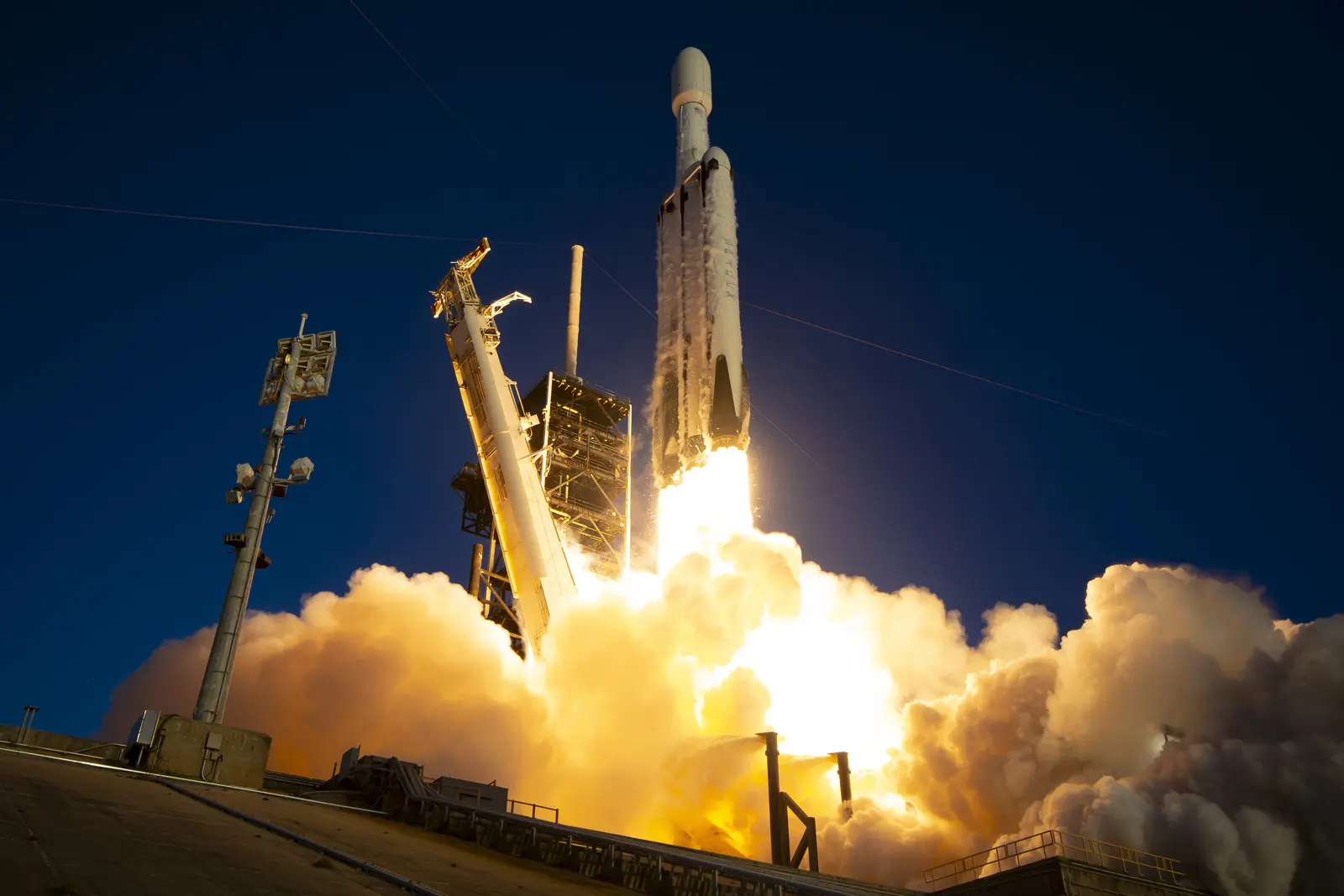
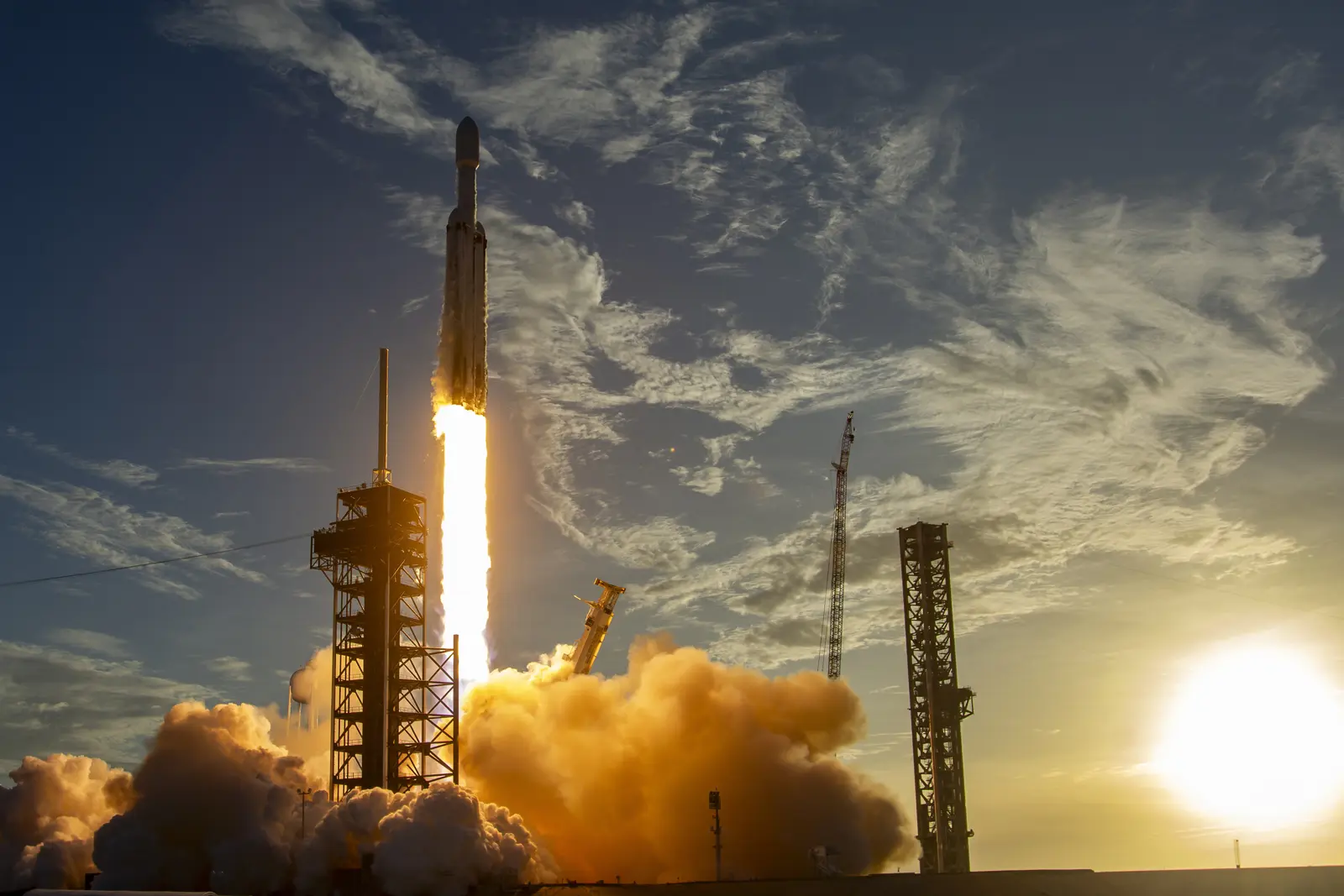
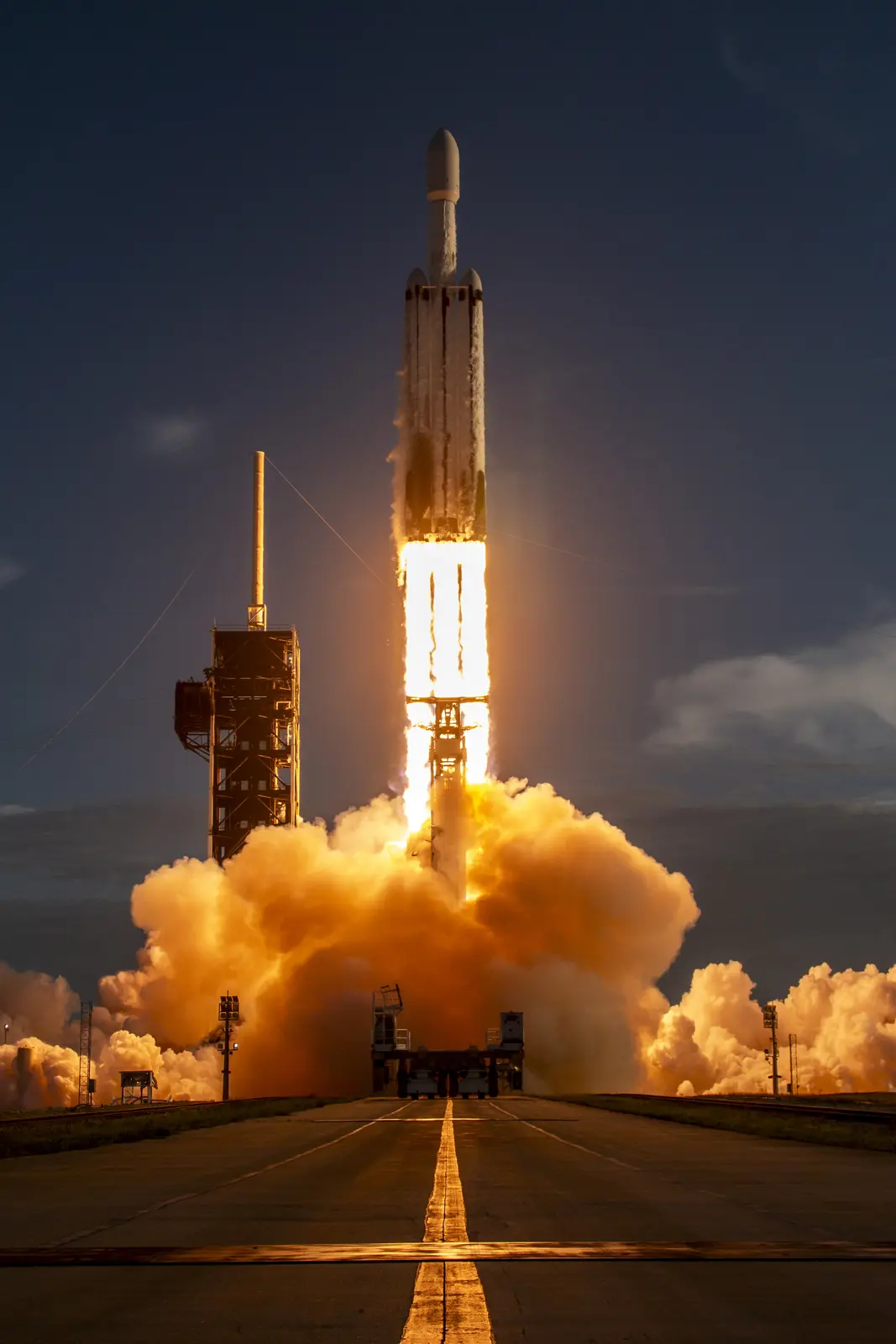
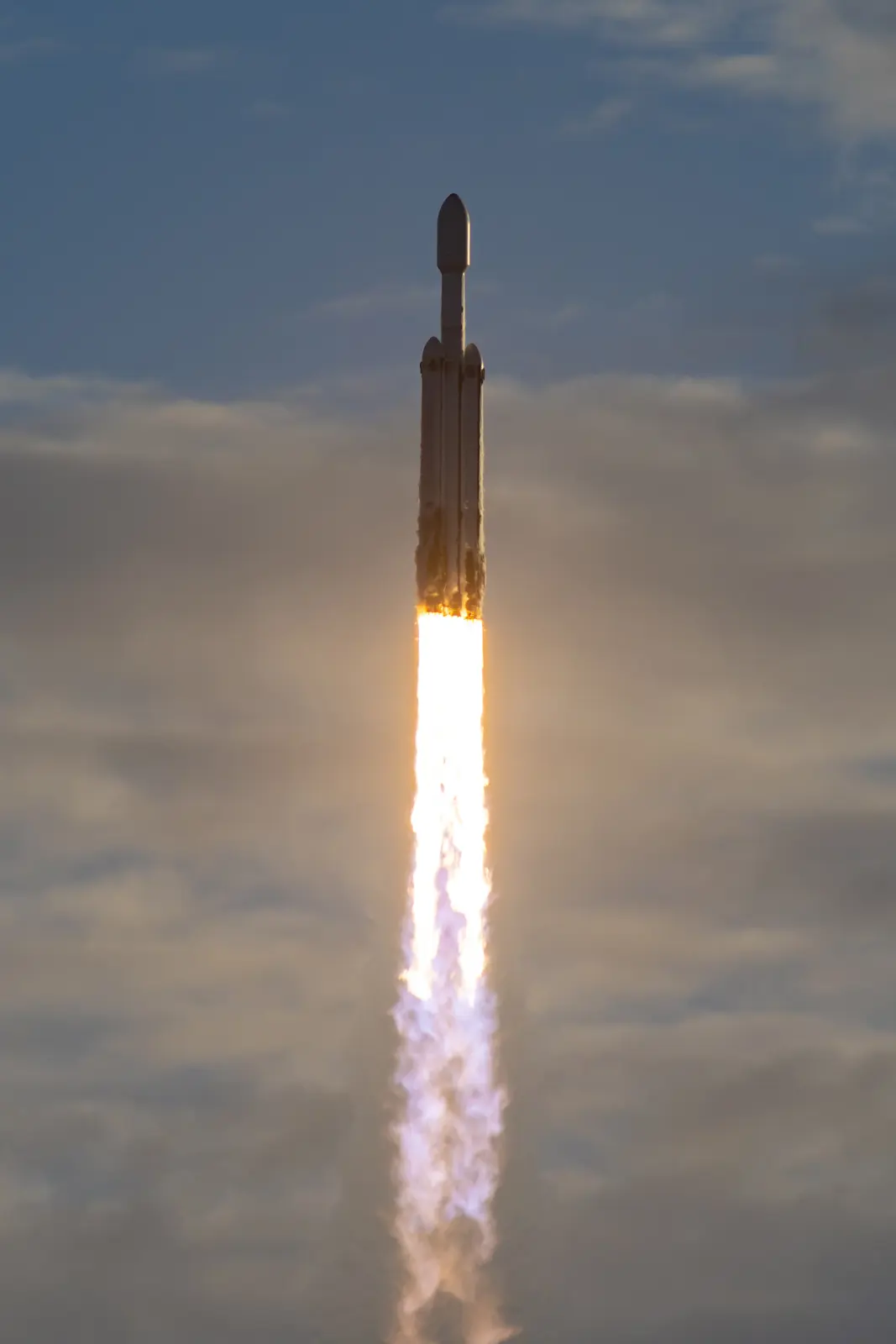
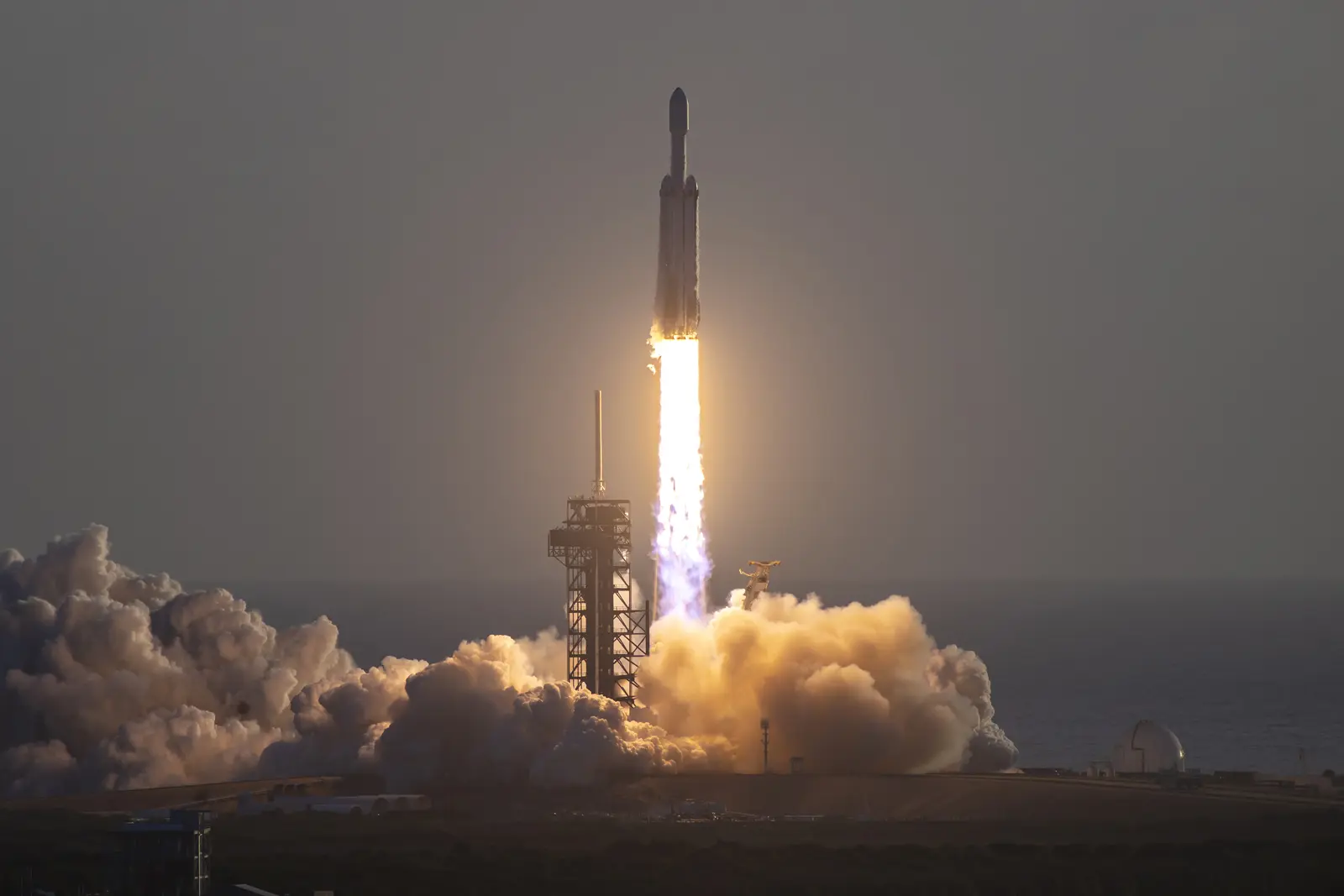
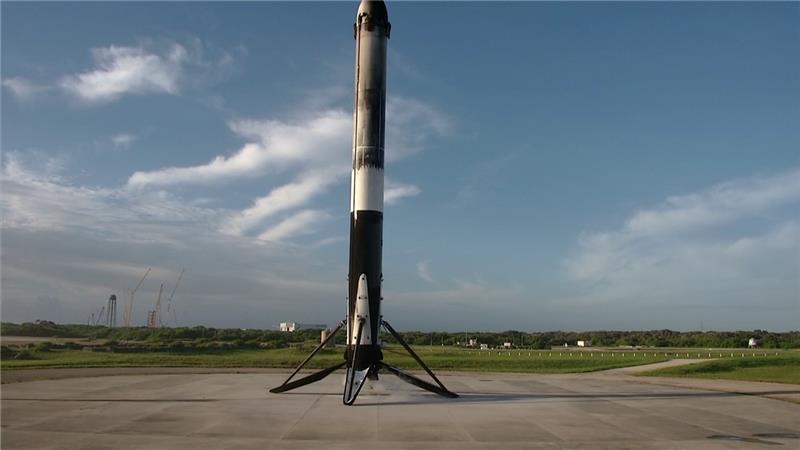
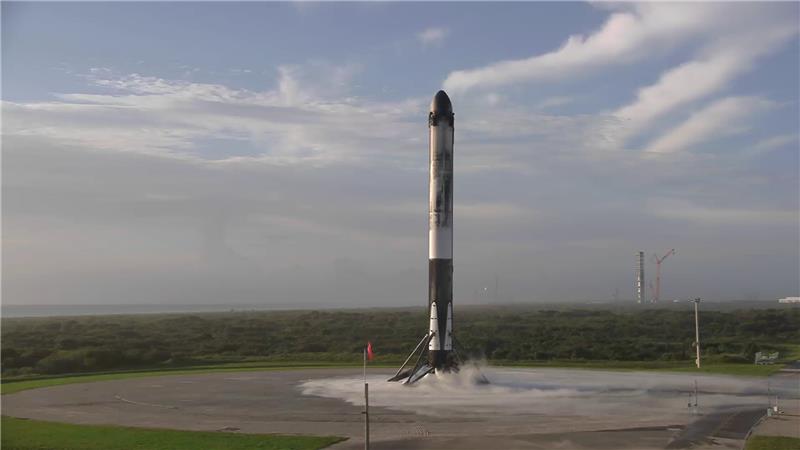
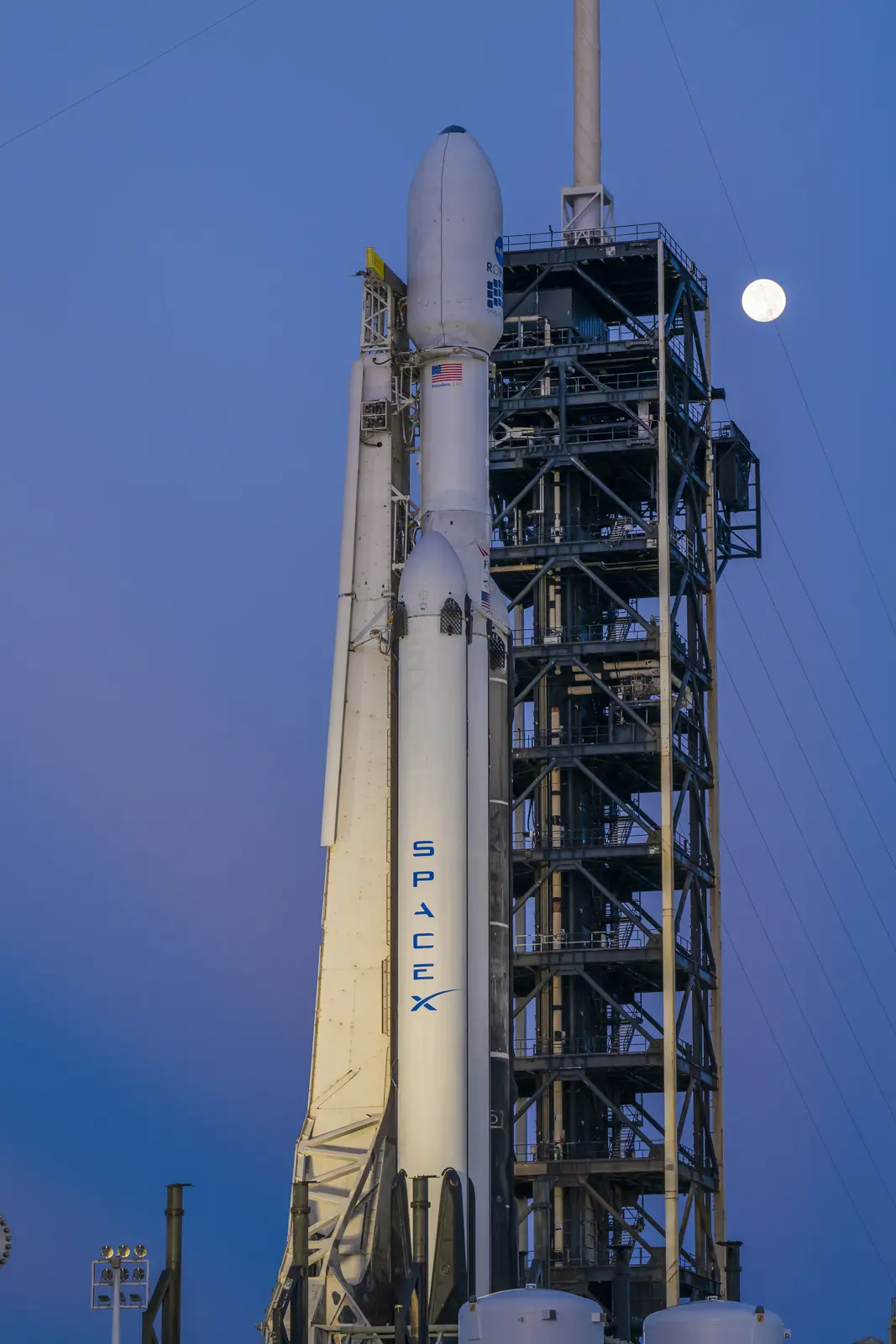
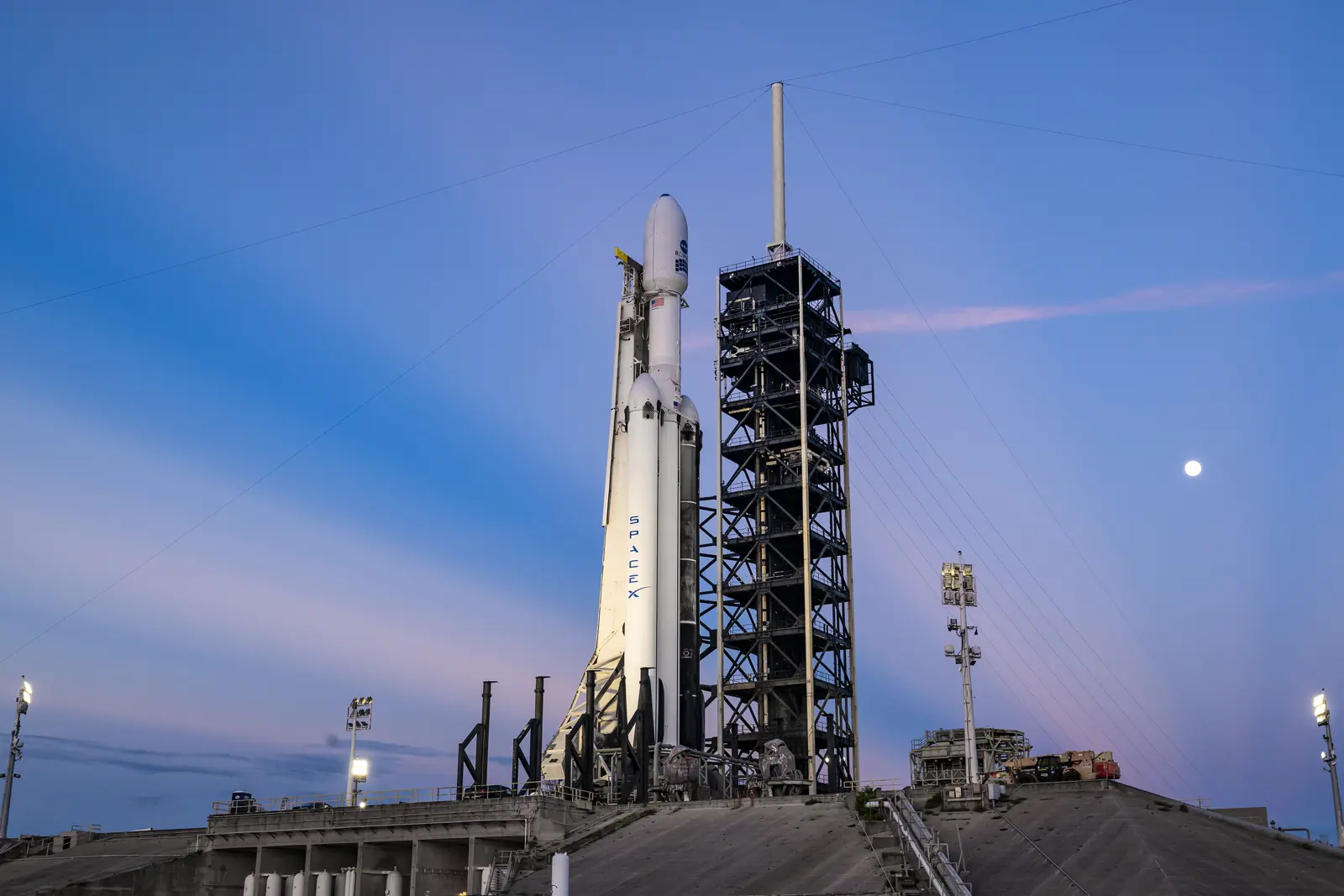
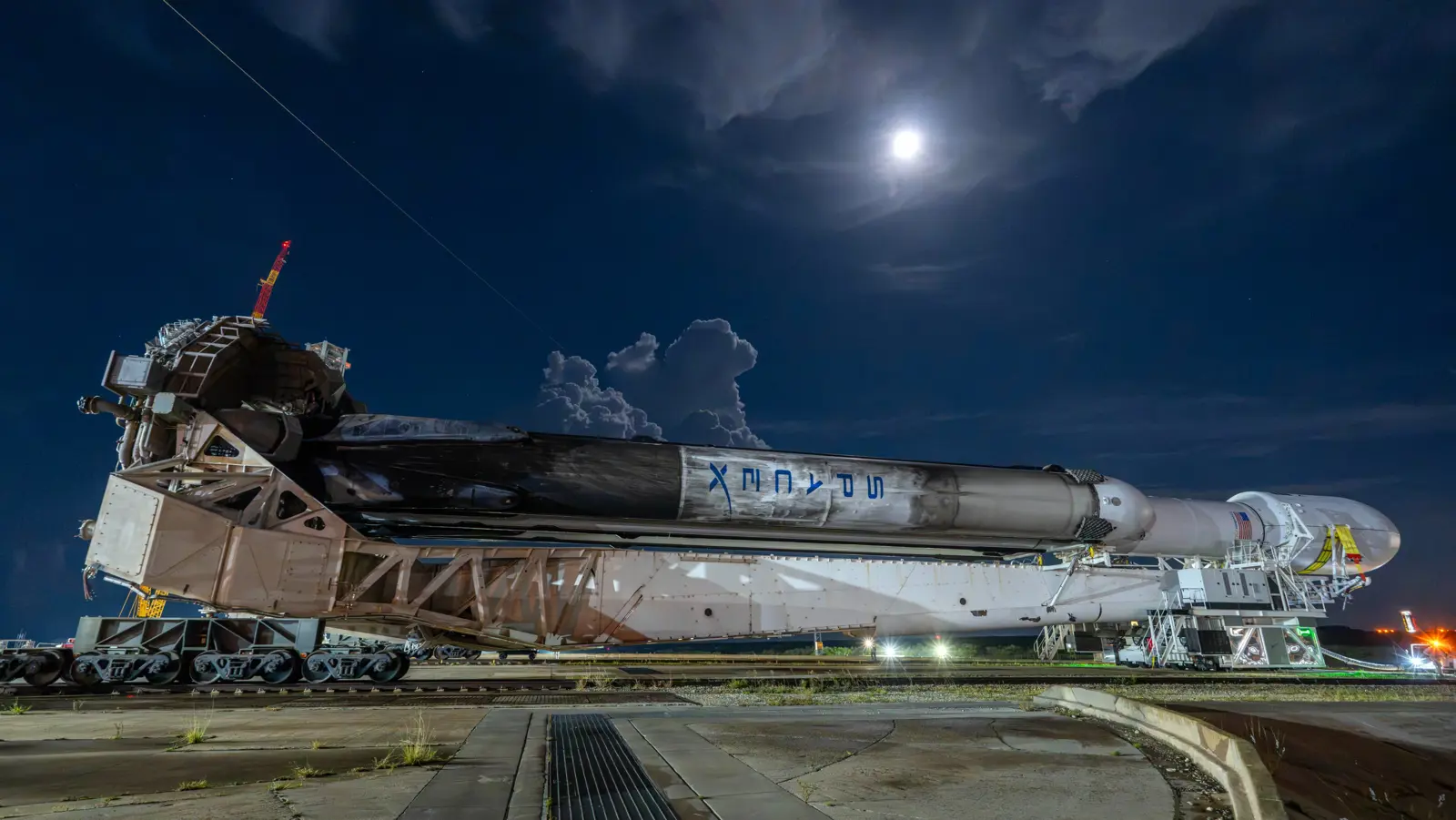
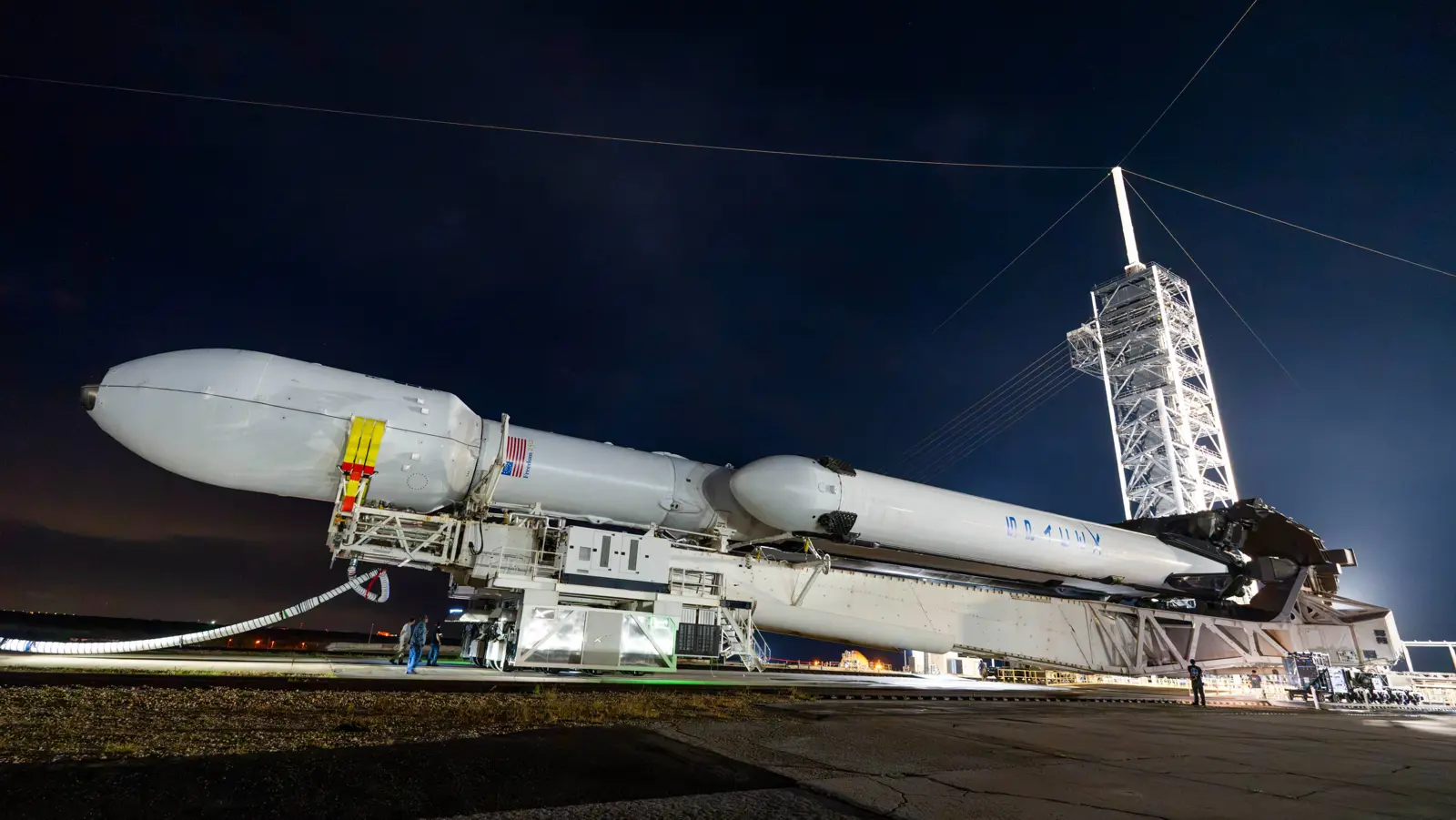
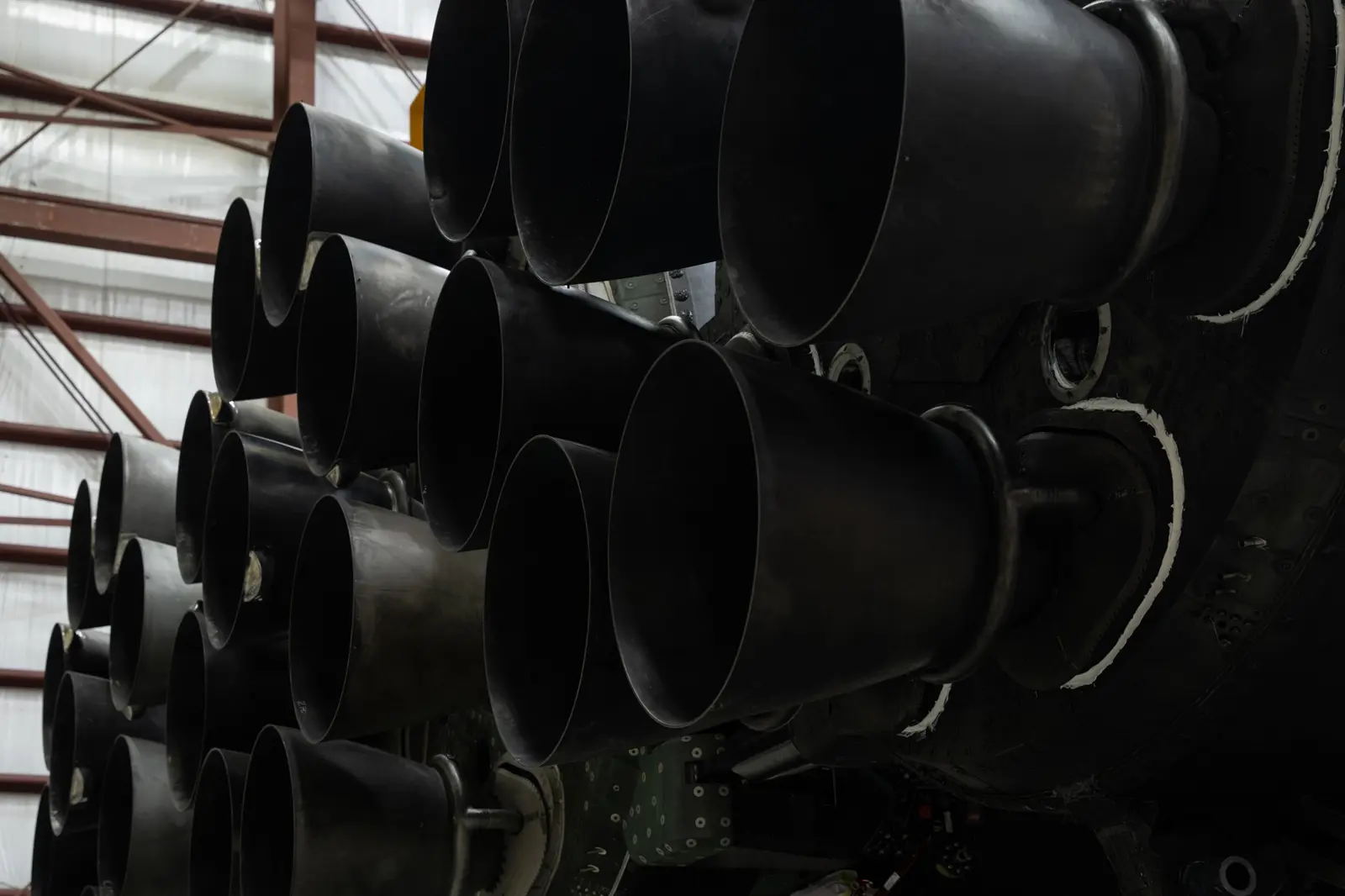
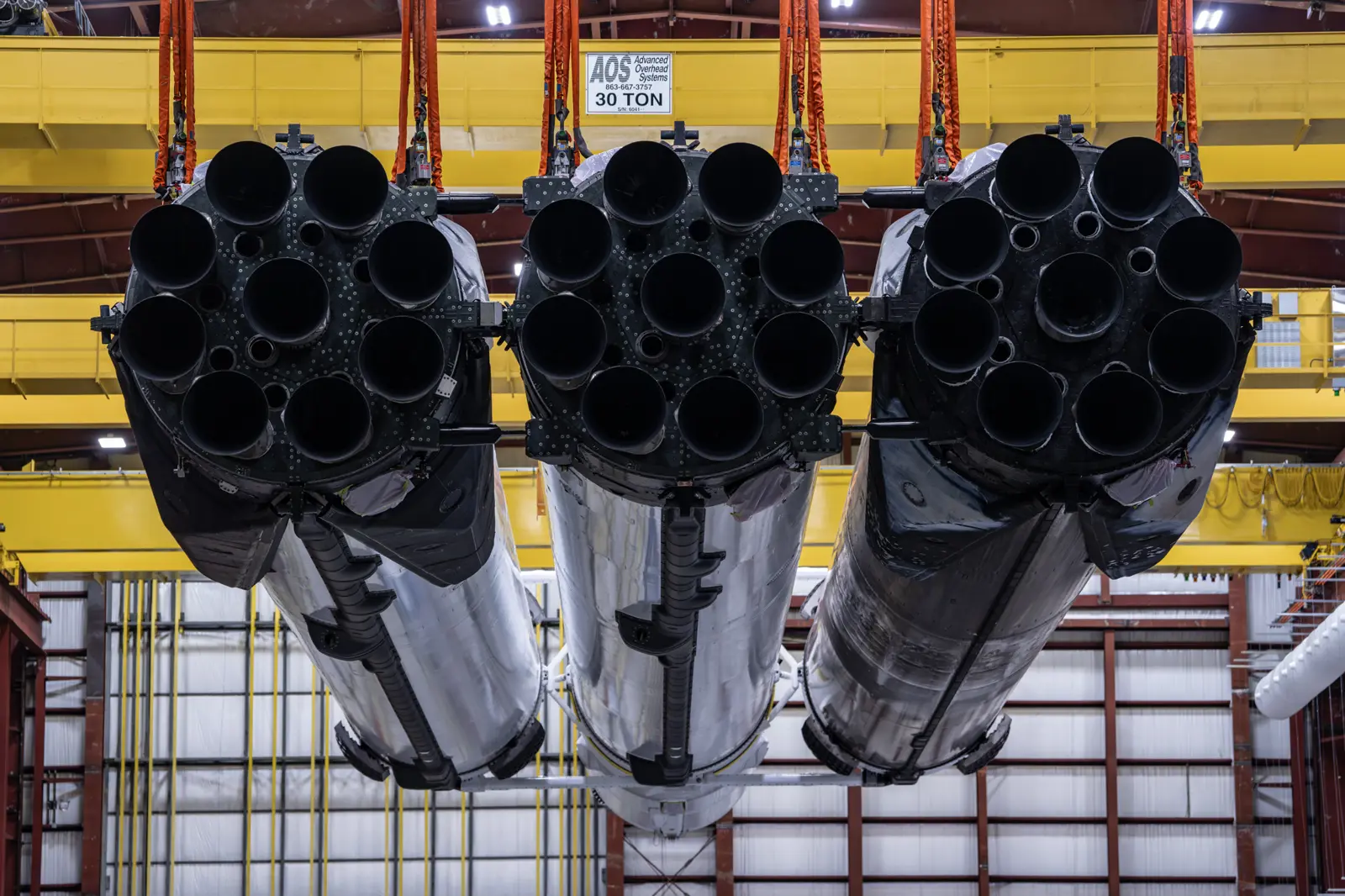
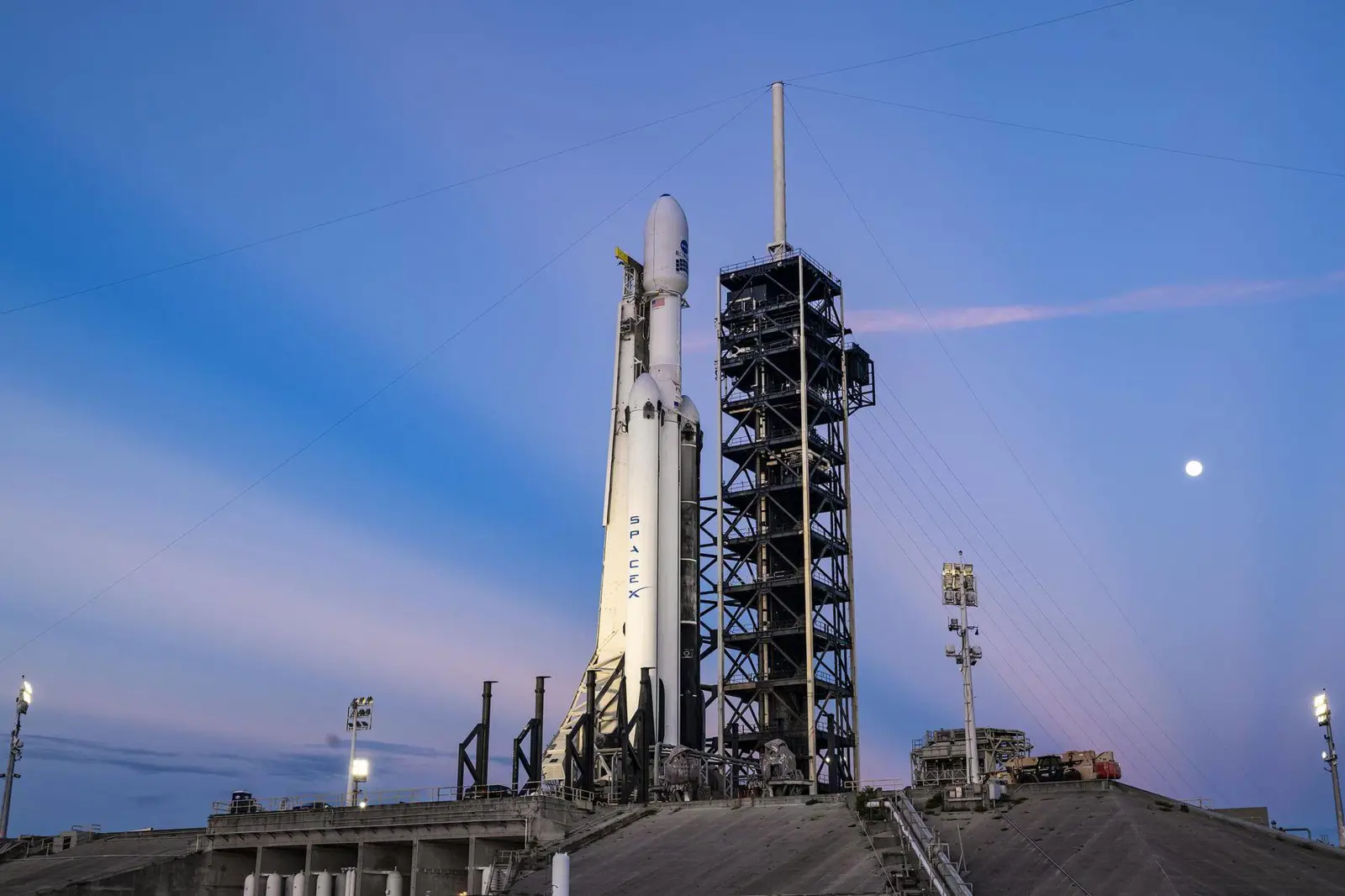
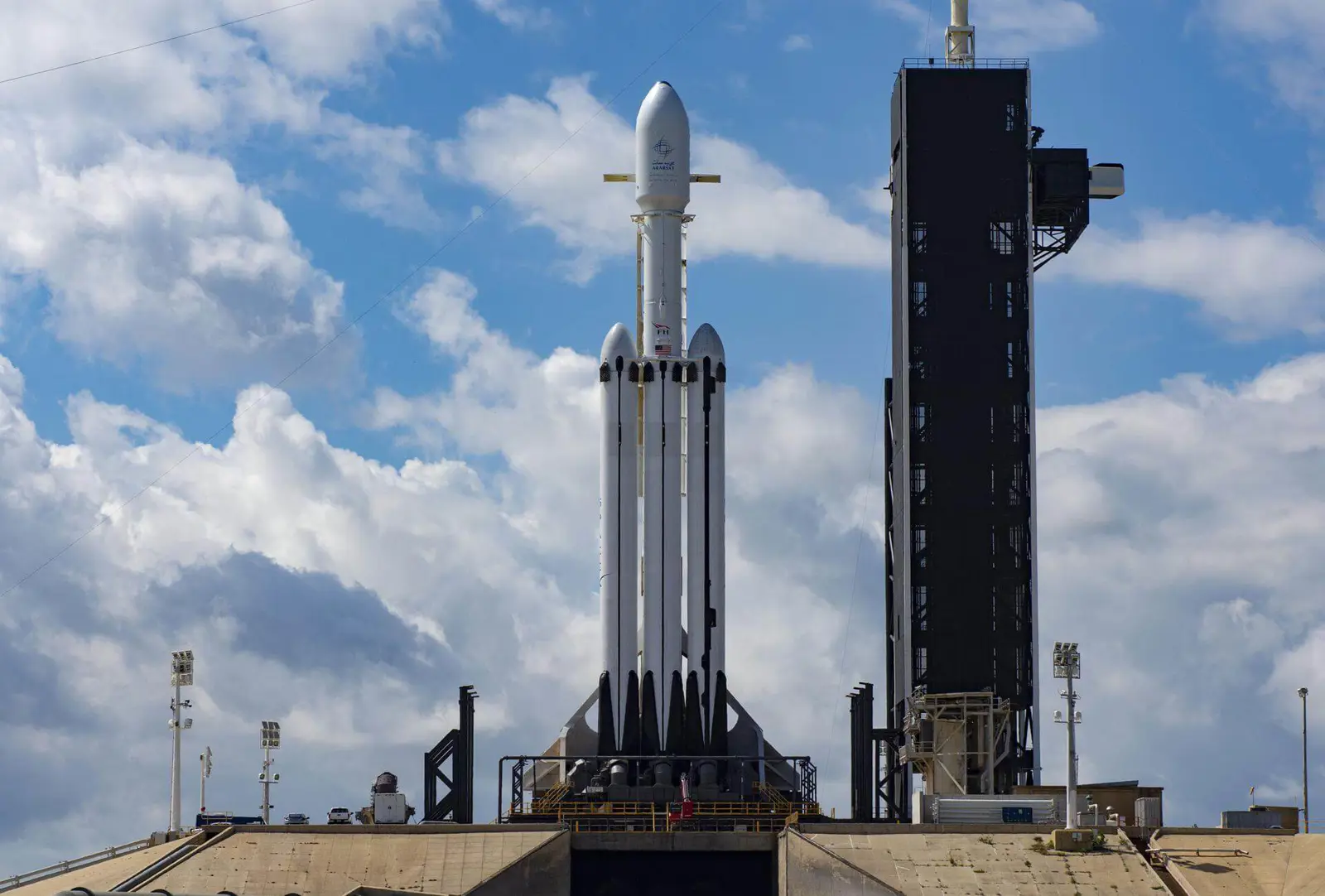
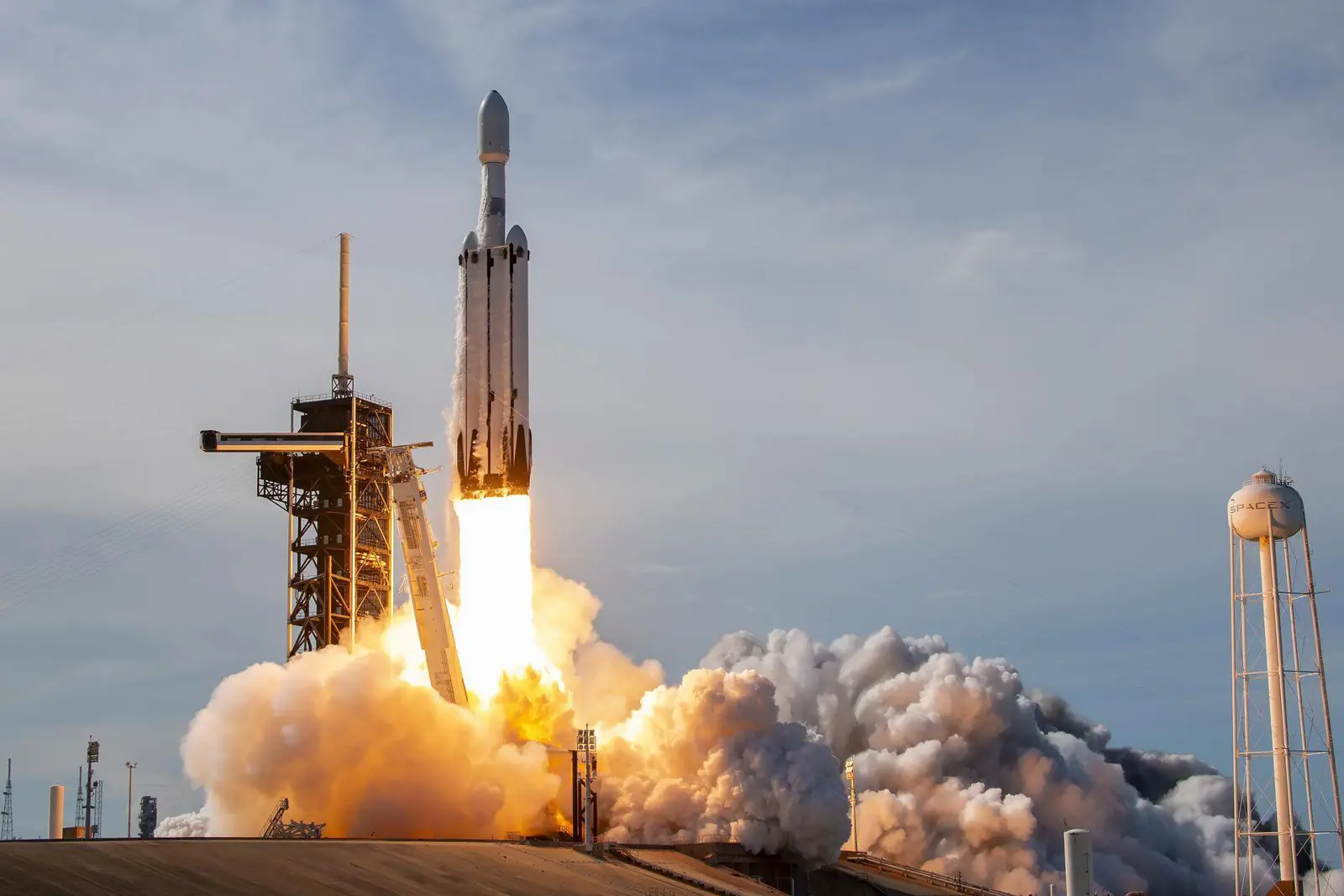
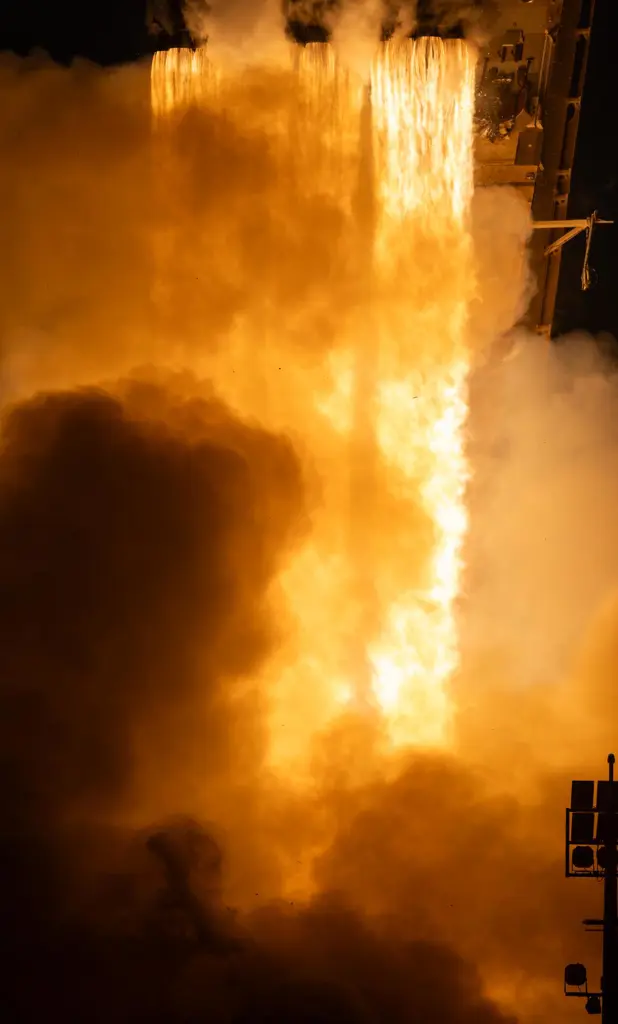
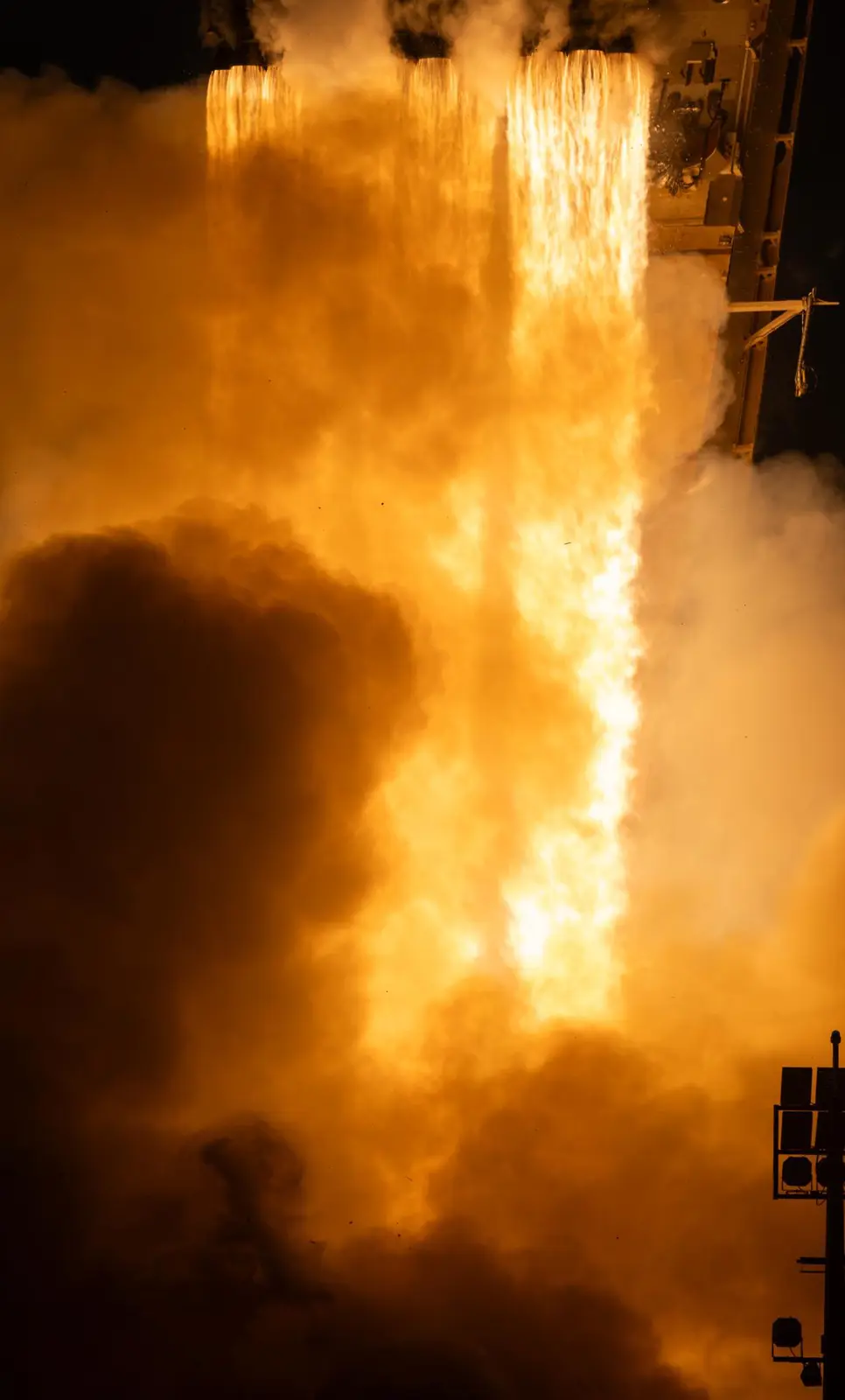
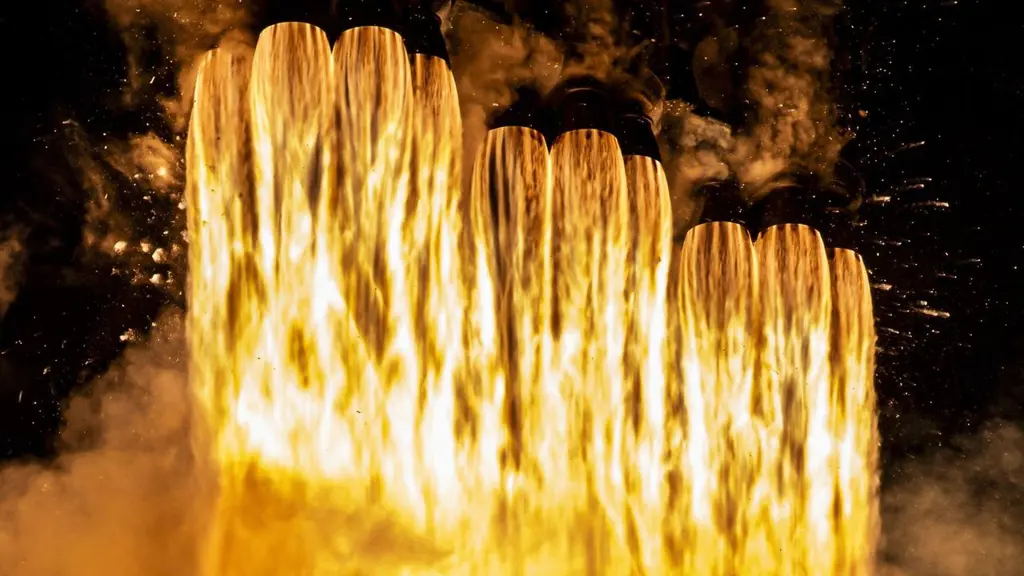
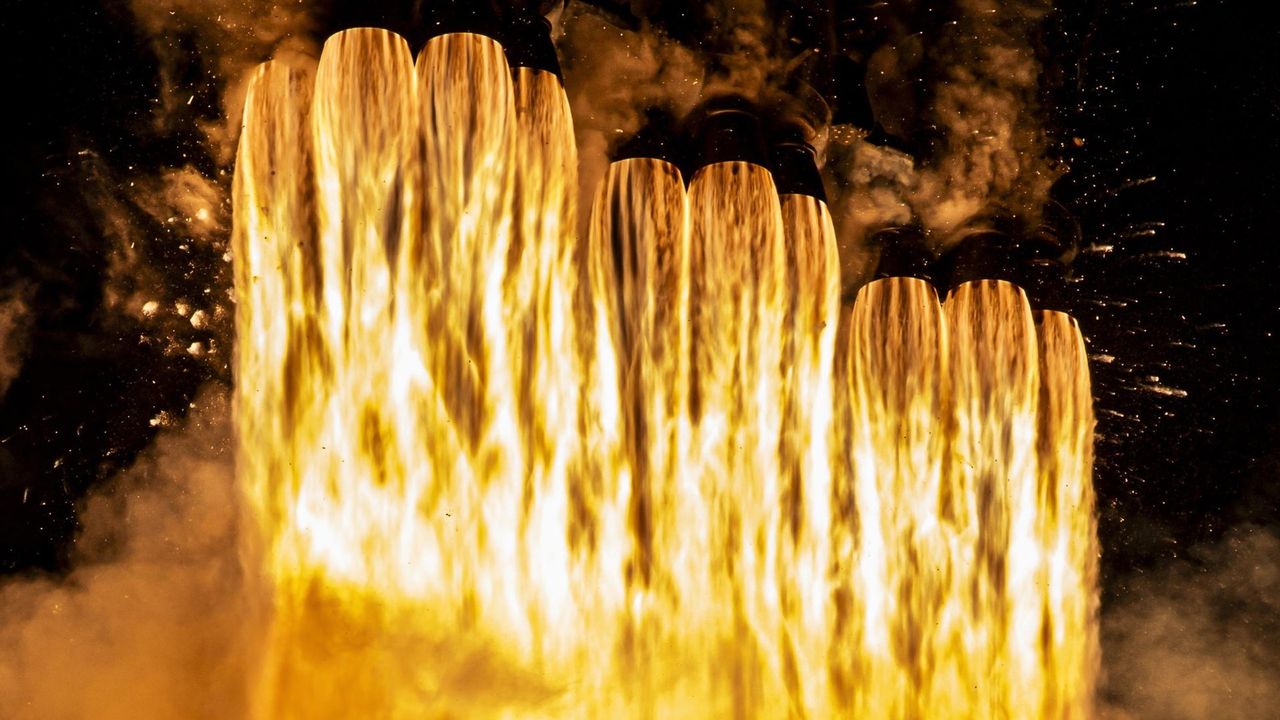
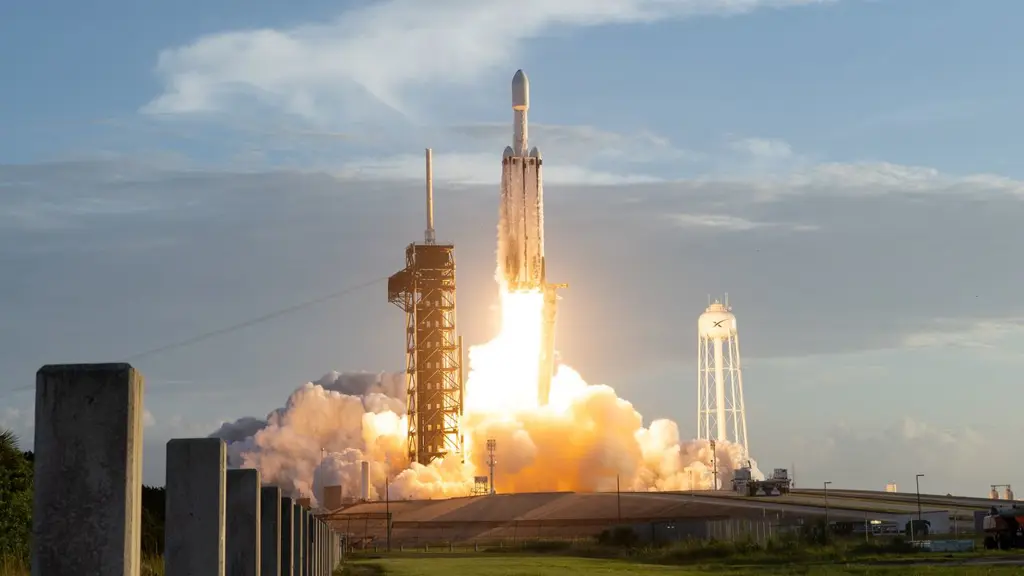
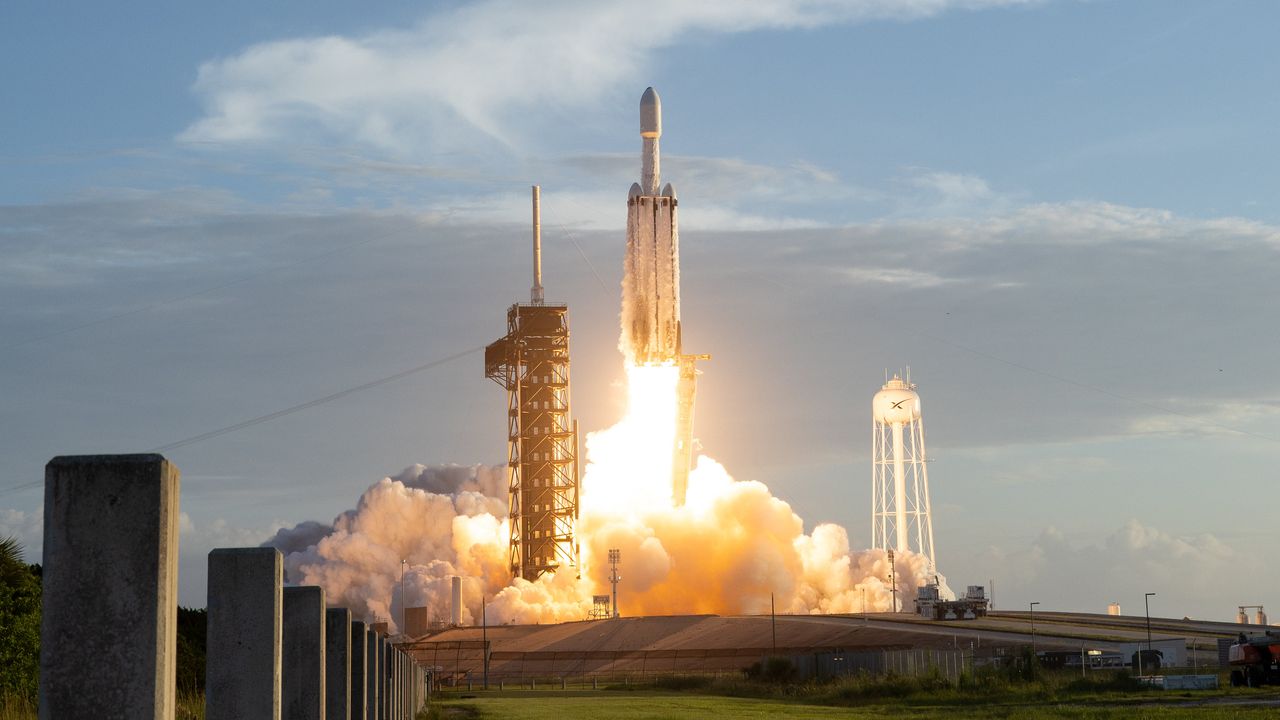
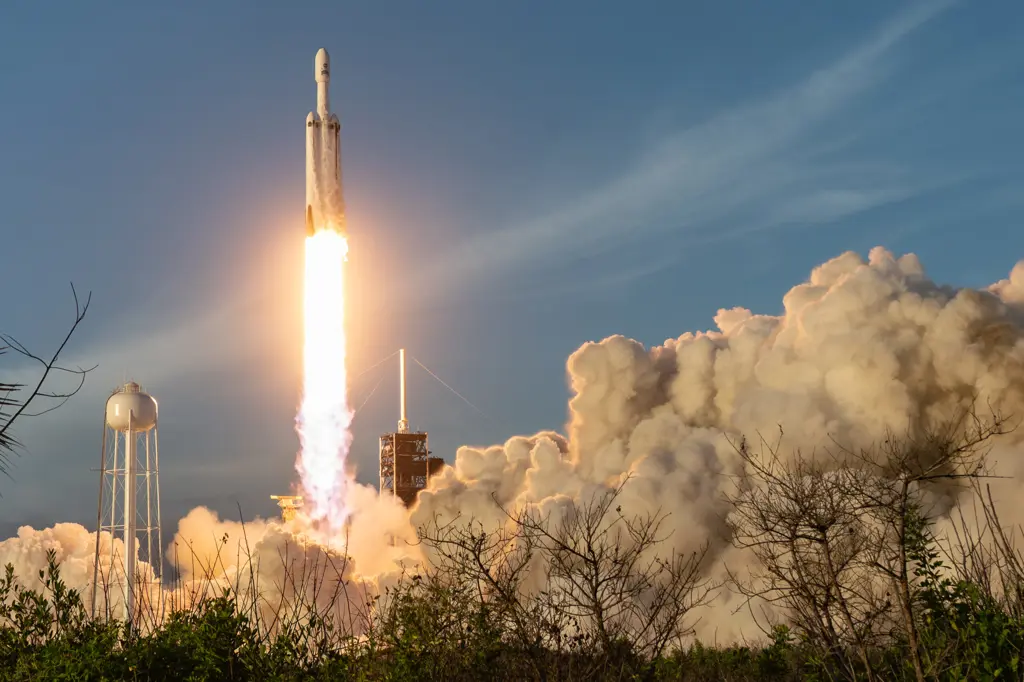
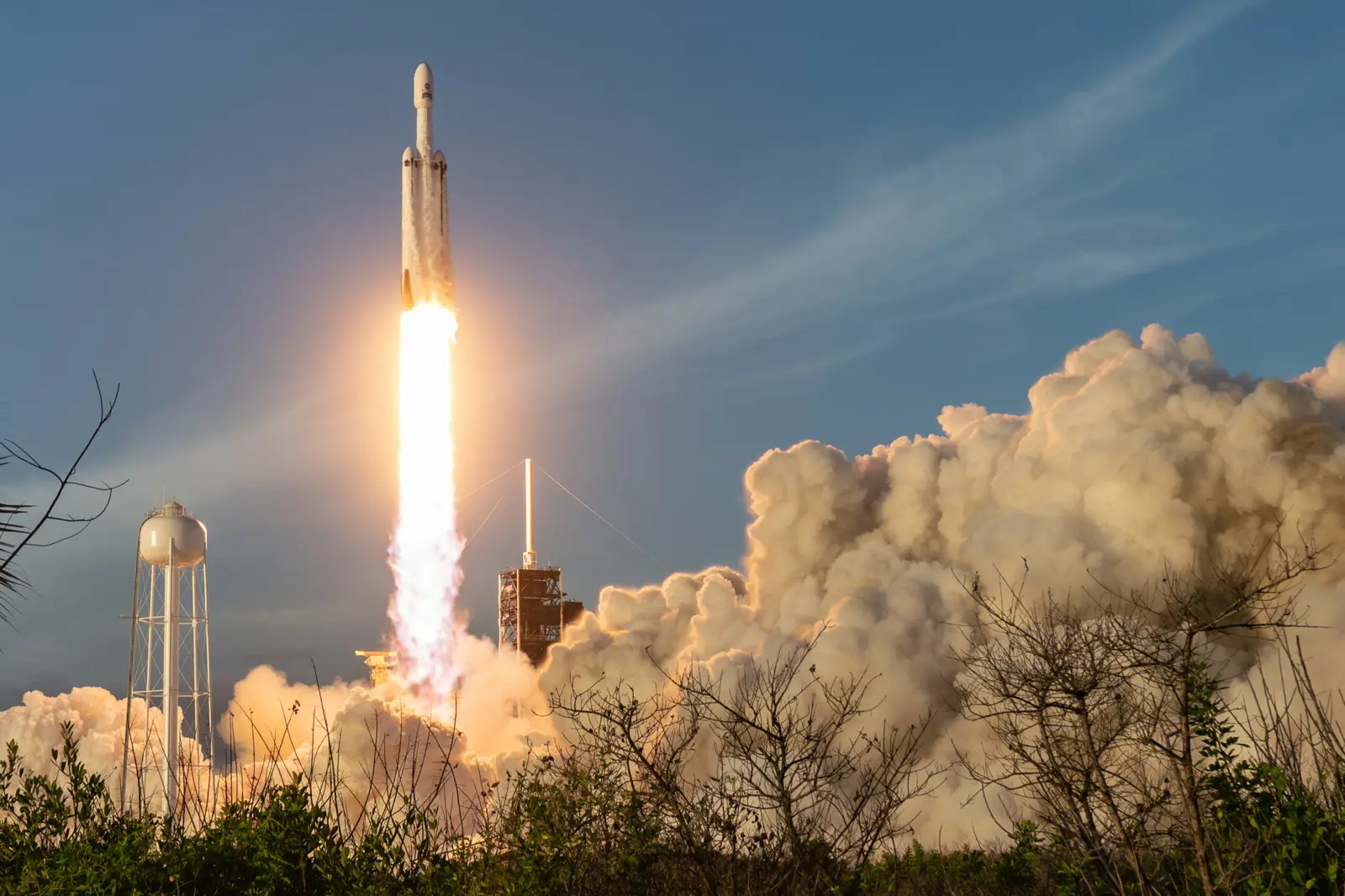
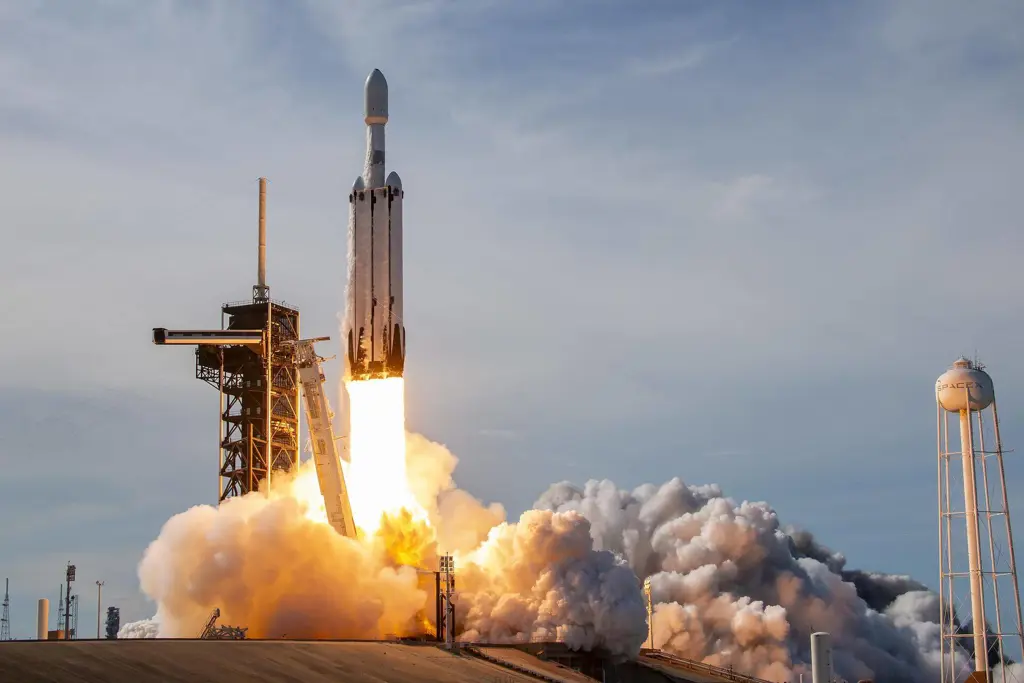
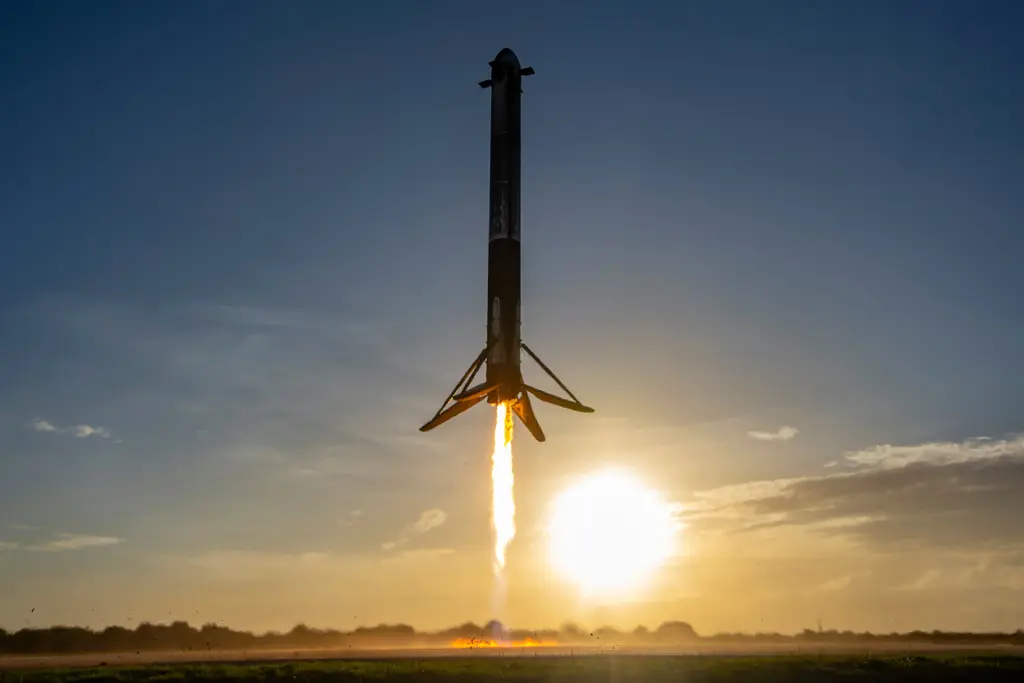
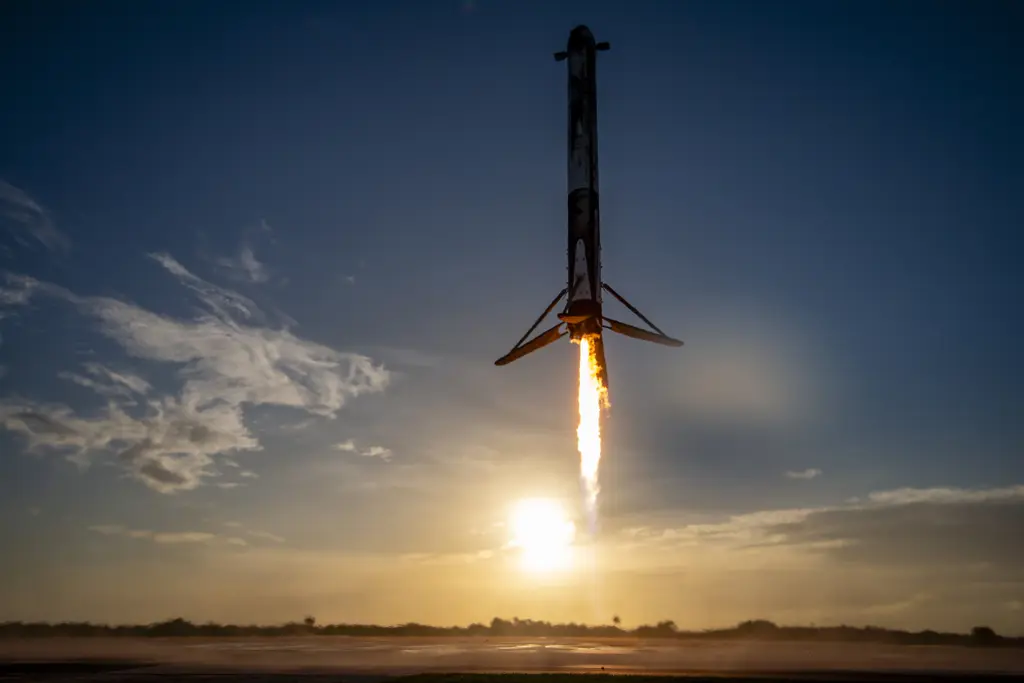
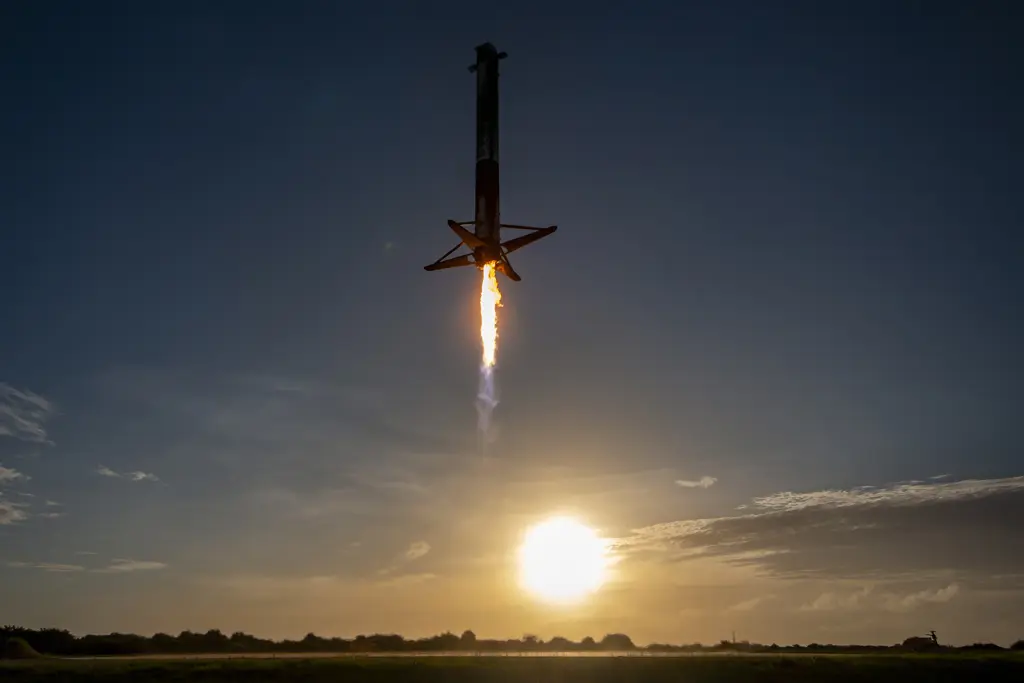
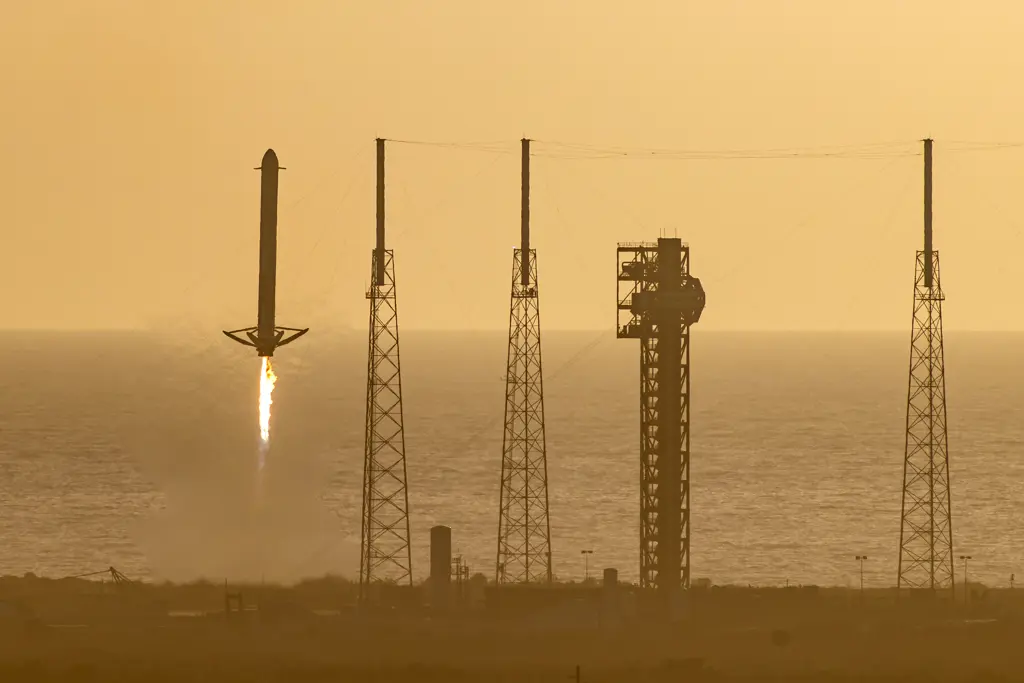
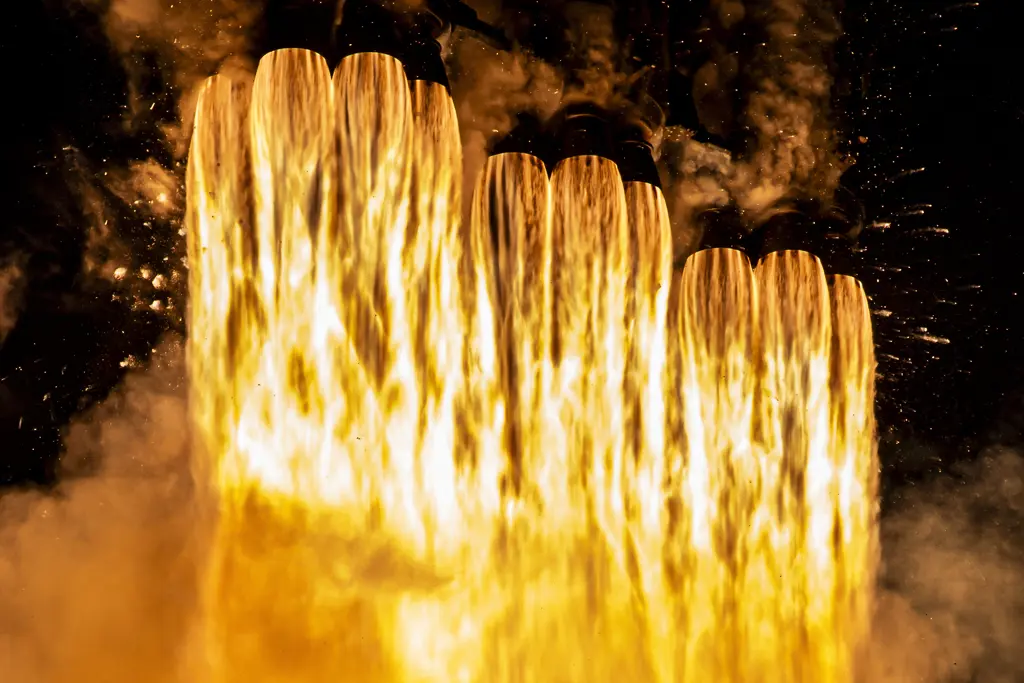
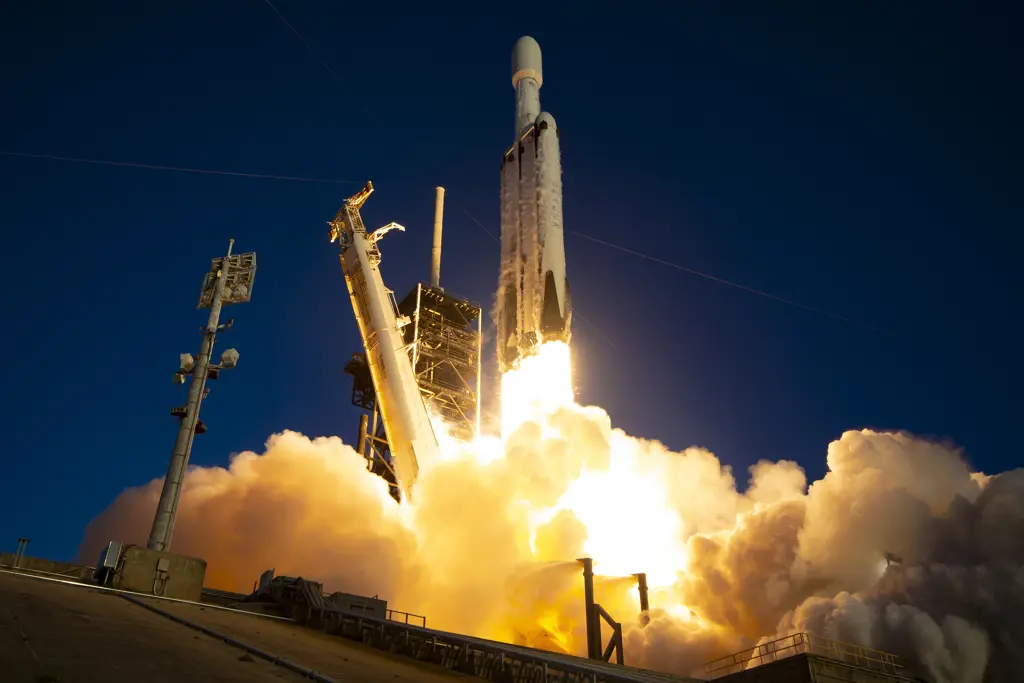
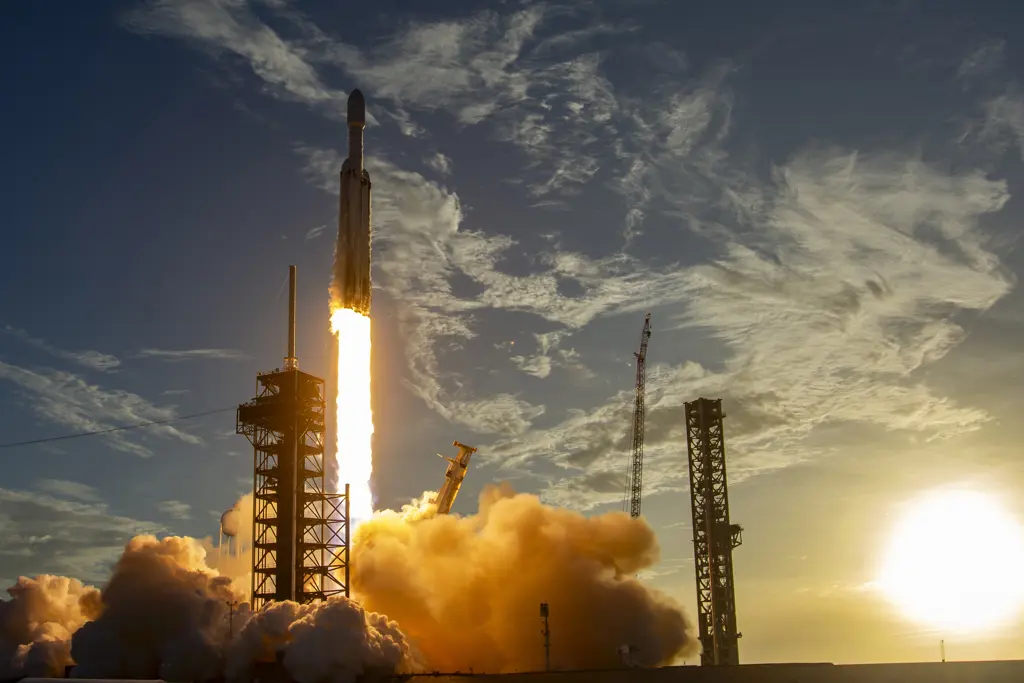
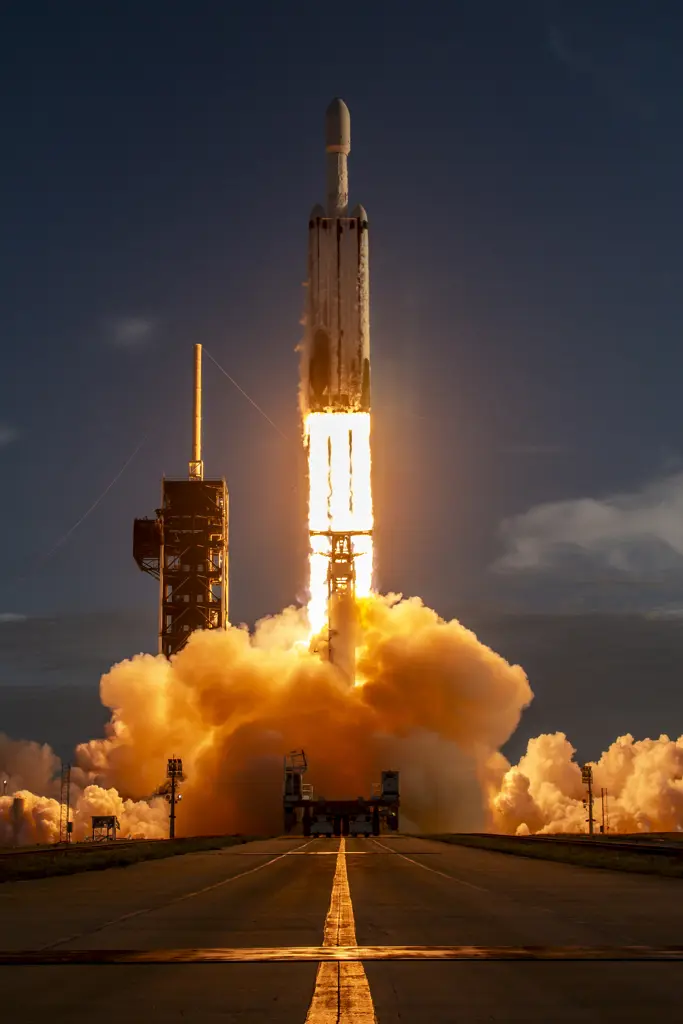
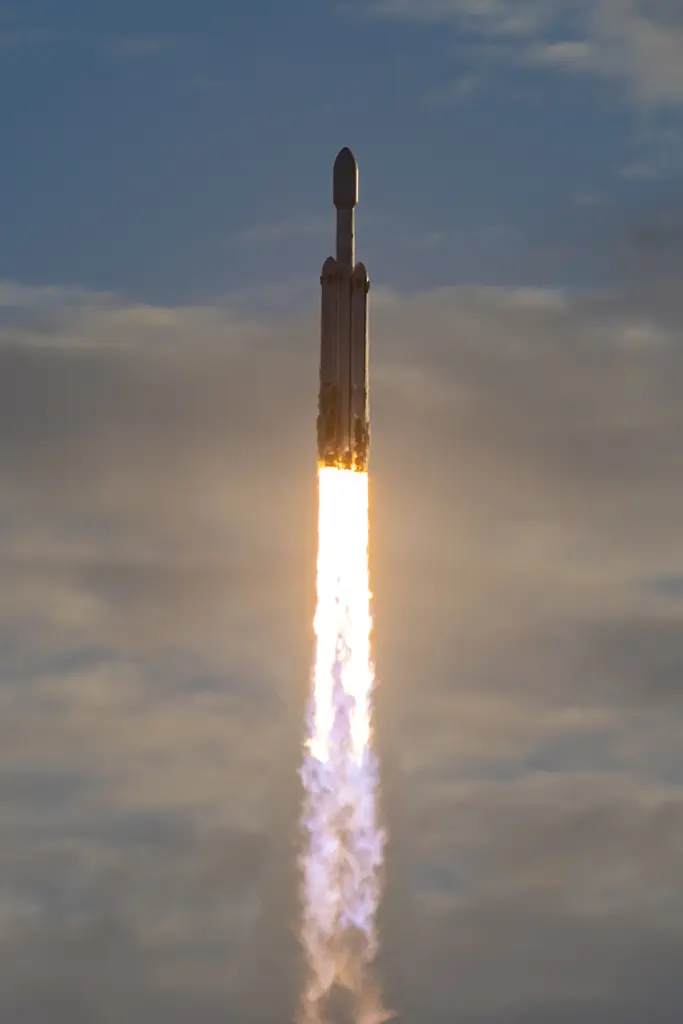
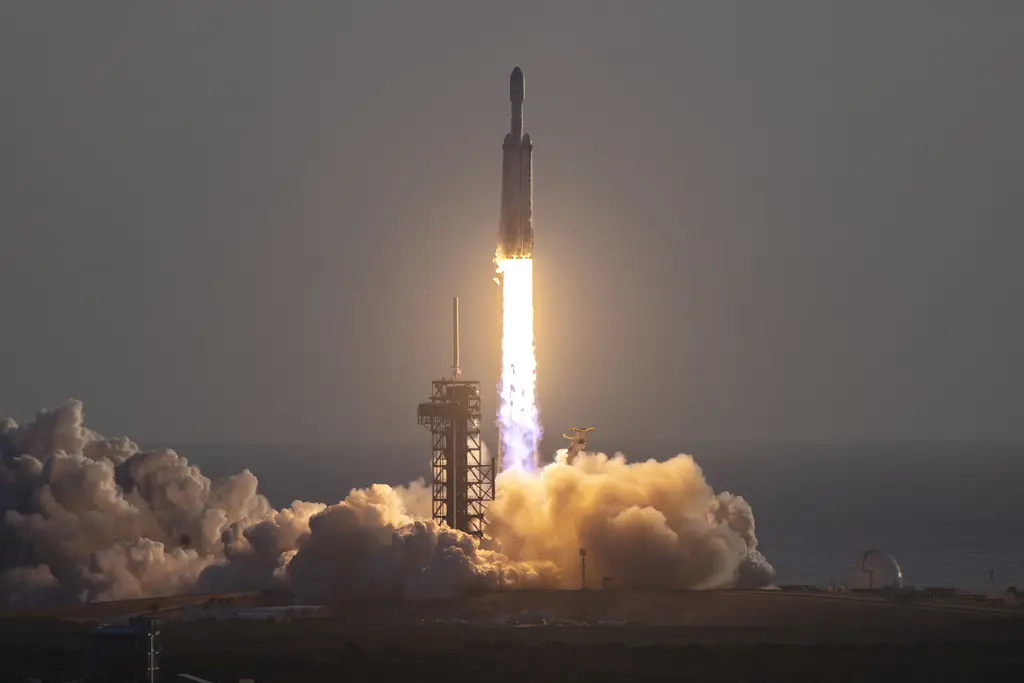
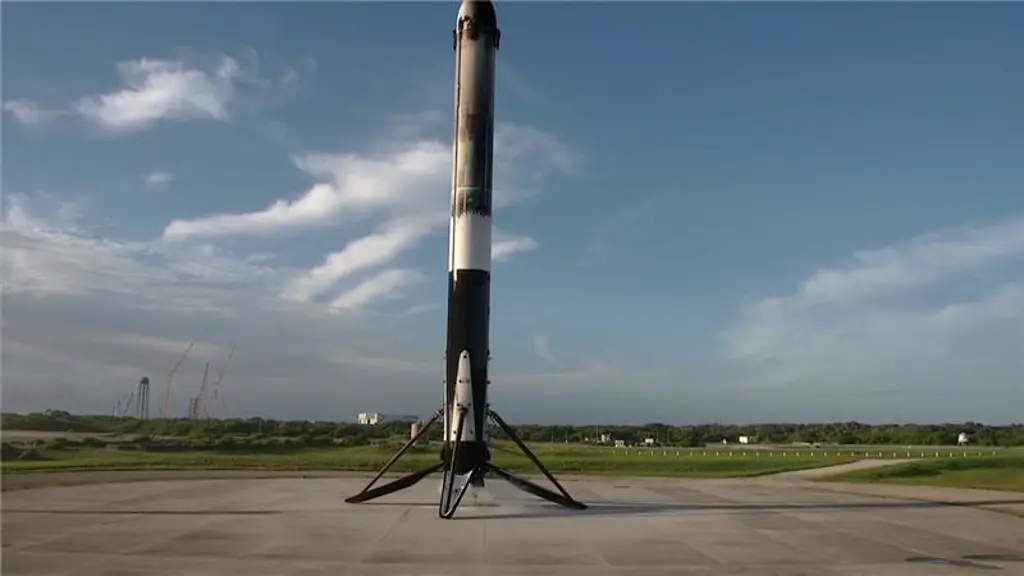
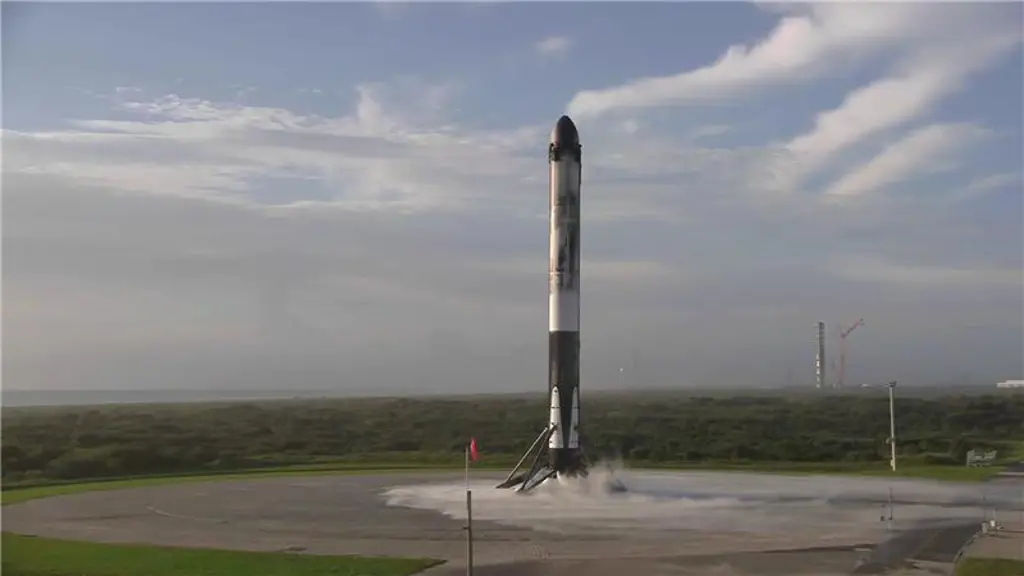
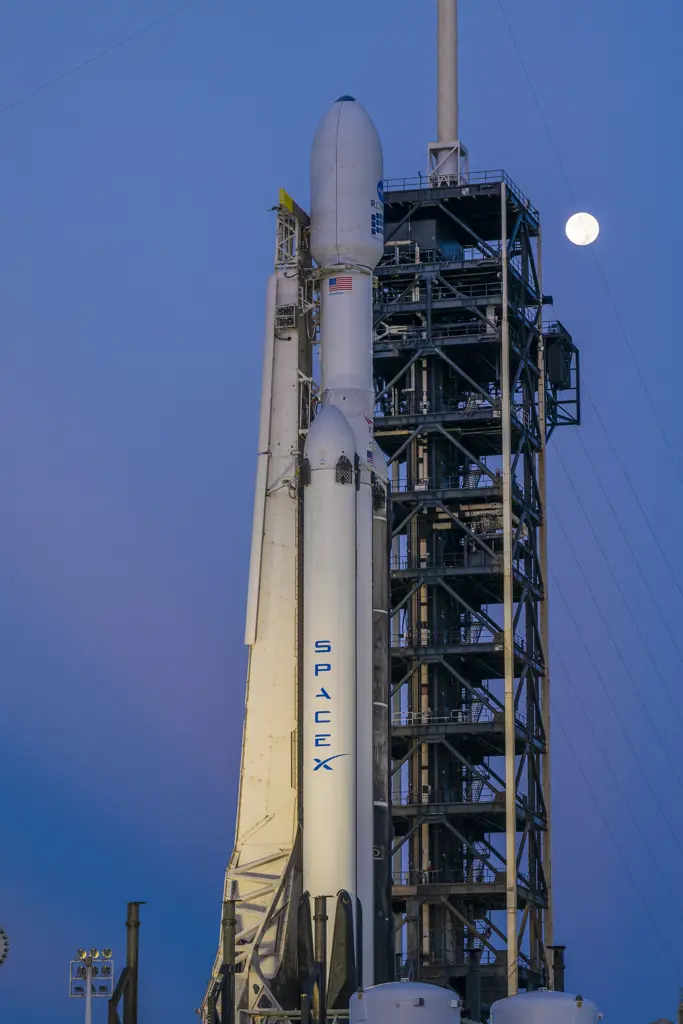
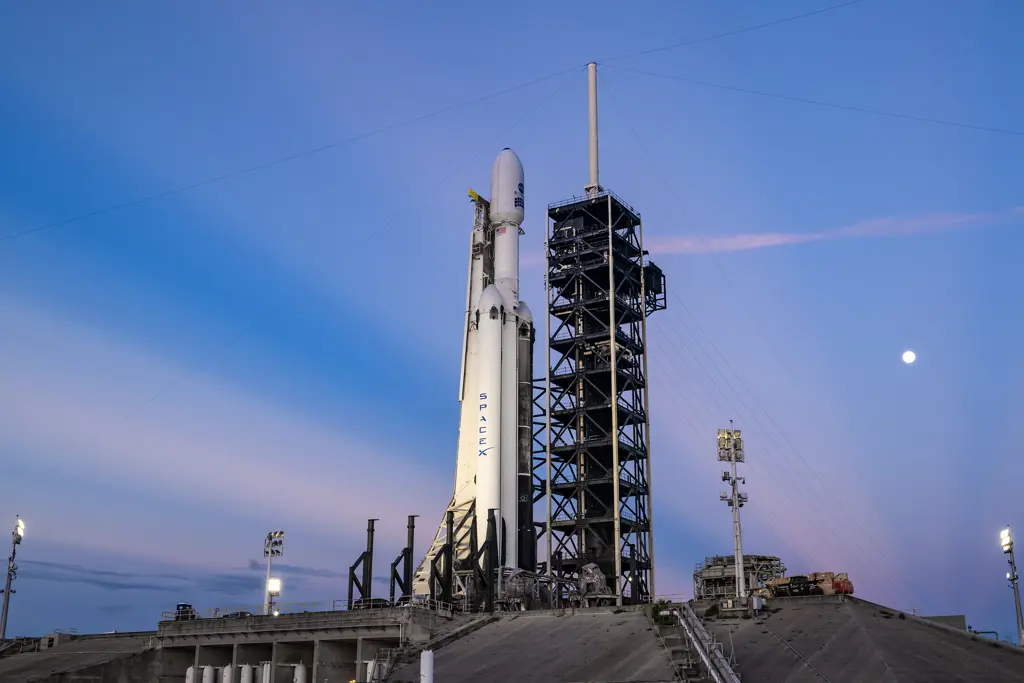
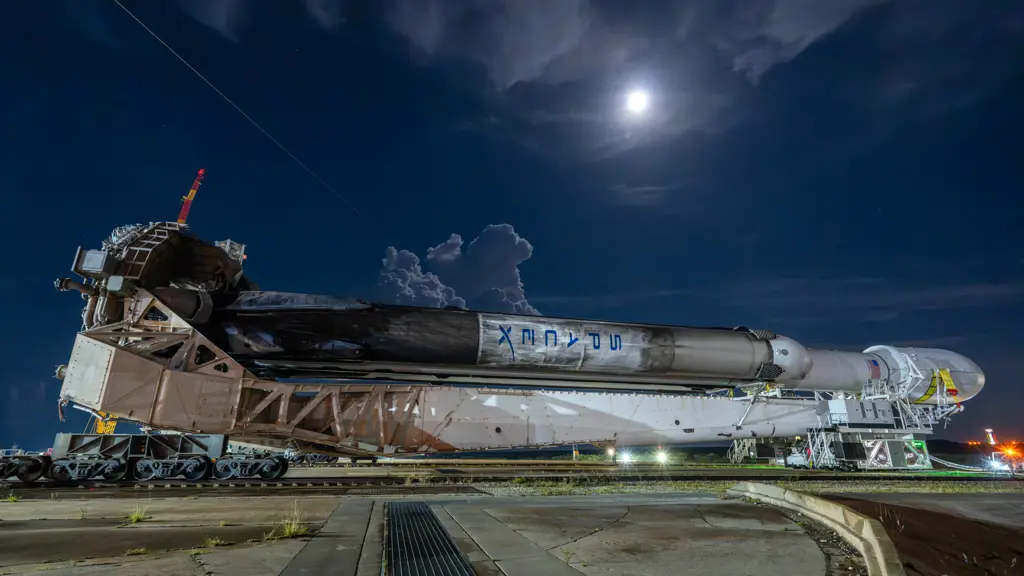
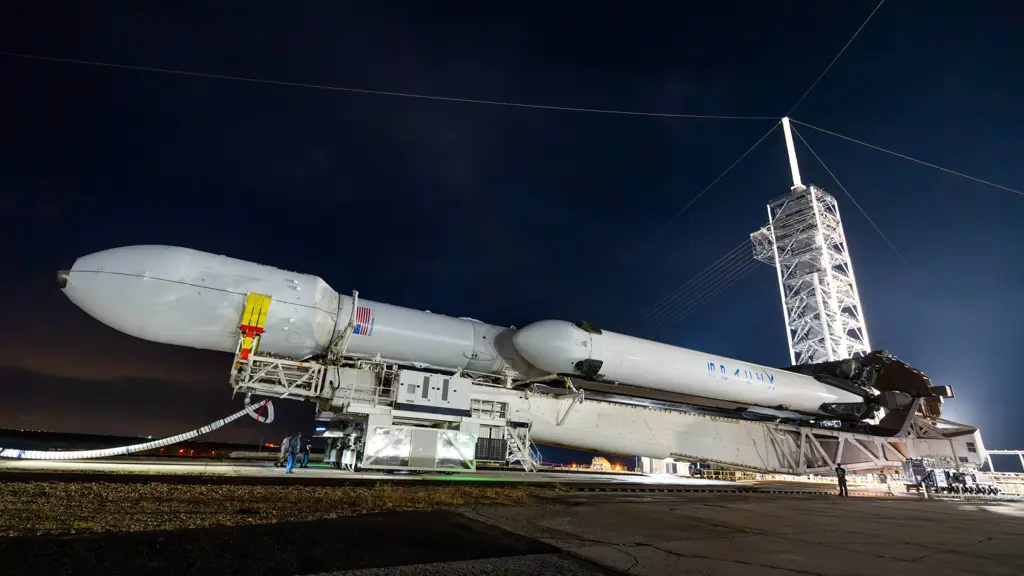
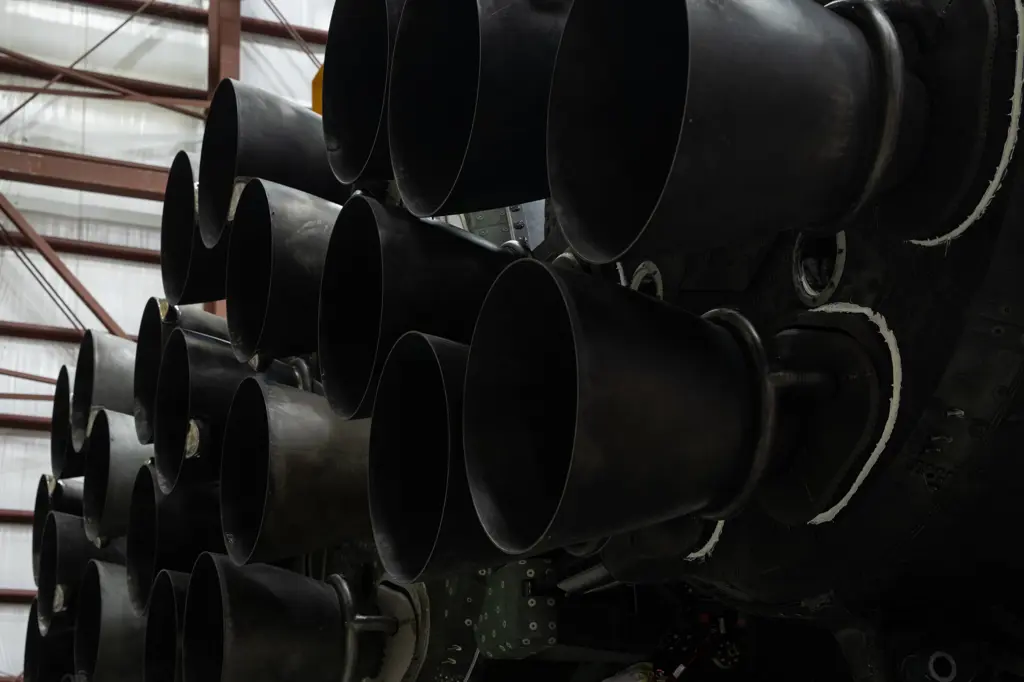
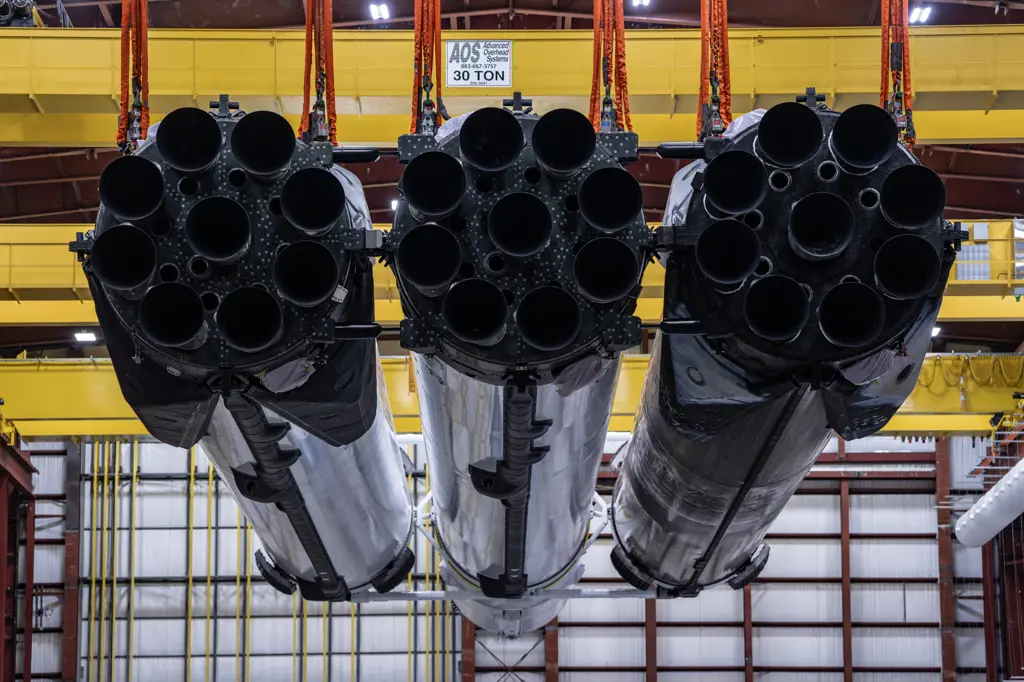
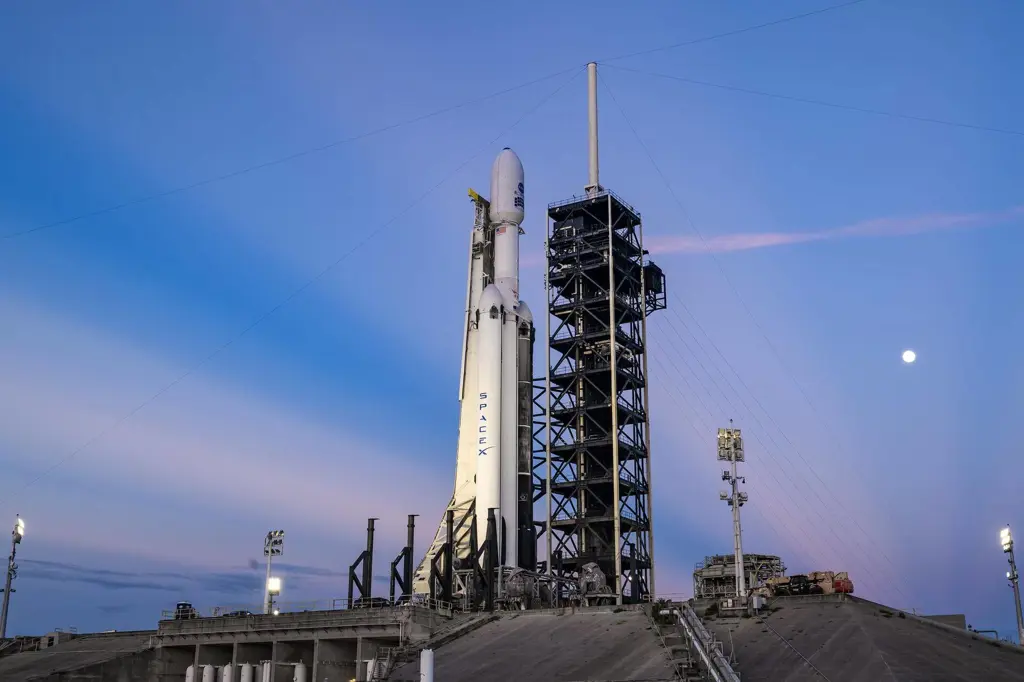
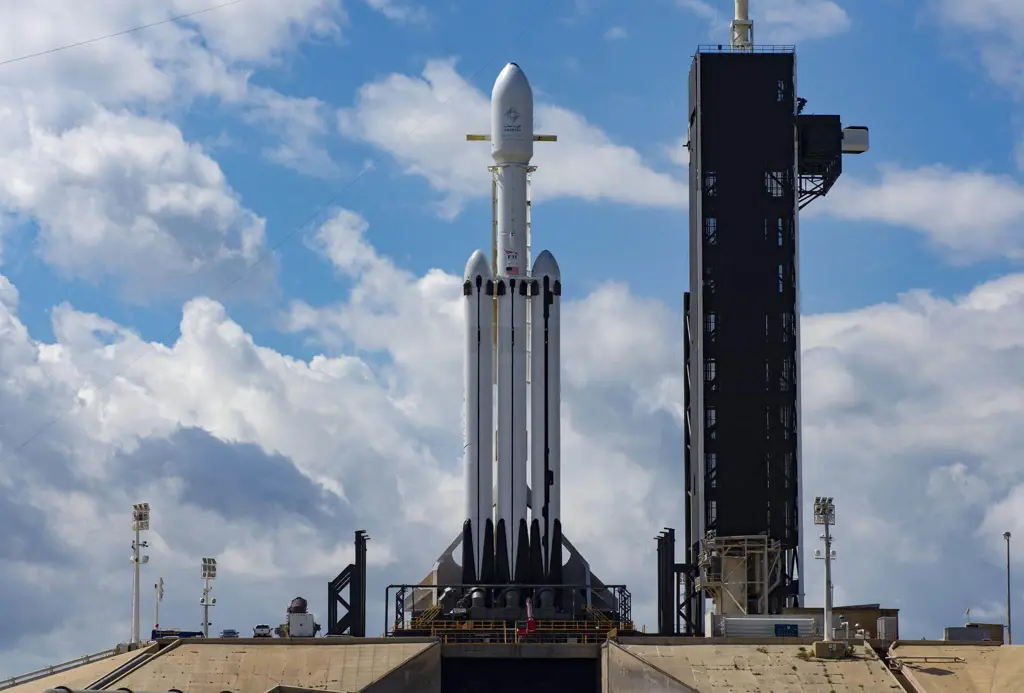
The Falcon Heavy is a variant of the Falcon 9 full thrust launch vehicle and consists of a standard Falcon 9 rocket core, with two additional boosters derived from the Falcon 9 first stage.
Length
70 m
Diameter
12.2 m
Launch Mass
1,400 t
Thrust
22,819 kN
Capacity
63,800 kg
Capacity
26,700 kg
Launch Cost
$90M
Reusable
Yes
Maiden Flight
2018
Fastest Turnaround
1mo 2d
Total Launches
14
Successful
14
Failed
0
Consecutive Success
14
Maiden flight: Feb 6, 2018

Space Exploration Technologies Corp., known as SpaceX, is an American aerospace manufacturer and space transport services company headquartered in Hawthorne, California. It was founded in 2002 by entrepreneur Elon Musk with the goal of reducing space transportation costs and enabling the colonization of Mars. SpaceX operates from many pads, on the East Coast of the US they operate from SLC-40 at Cape Canaveral Space Force Station and historic LC-39A at Kennedy Space Center. They also operate from SLC-4E at Vandenberg Space Force Base, California, usually for polar launches. Another launch site is being developed at Boca Chica, Texas.
Founded
2002
Administrator
CEO: Elon Musk
Total Launches
743
Successful
728
Failed
15
Pending
137
Consecutive Success
228
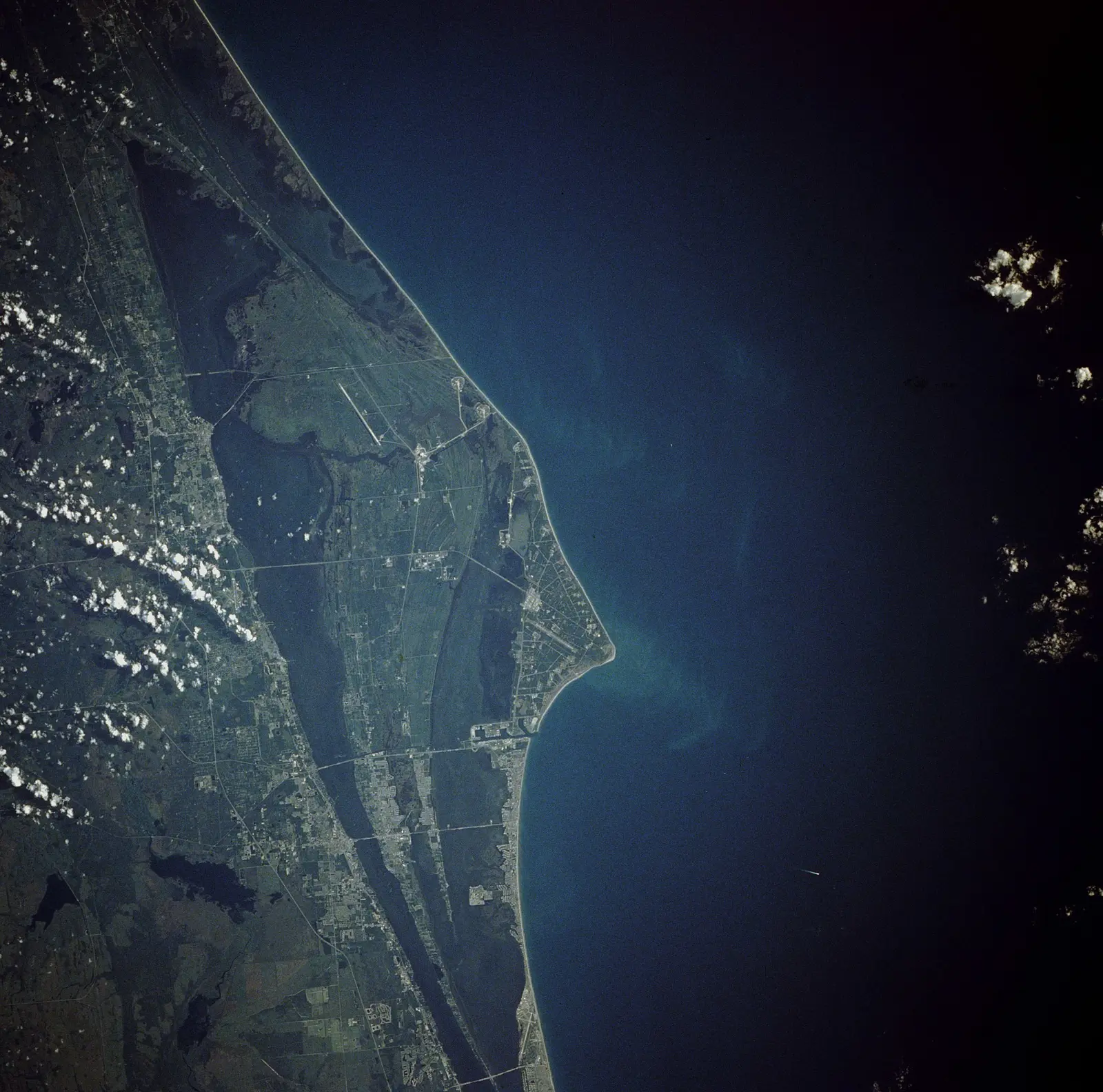
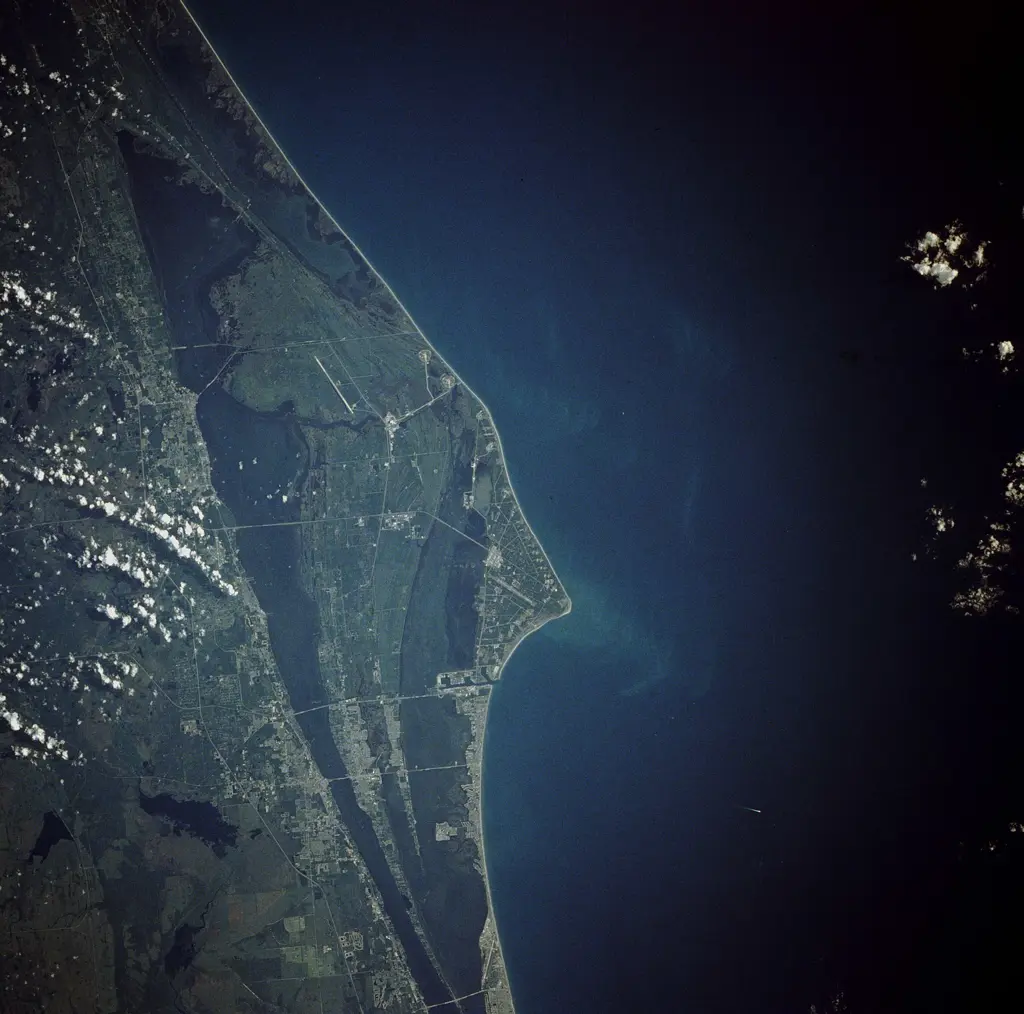
The John F. Kennedy Space Center, located on Merritt Island, Florida, is one of NASA's ten field centers. Since 1968, KSC has been NASA's primary launch center of American spaceflight, research, and technology. Launch operations for the Apollo, Skylab and Space Shuttle programs were carried out from Kennedy Space Center Launch Complex 39 and managed by KSC. Located on the east coast of Florida, KSC is adjacent to Cape Canaveral Space Force Station (CCSFS).
Timezone
America/New_York
Local Launch Time
Aug 30, 2026, 7:26 AM
Total Launches
283
Total Landings
0
Coordinates
28.5242, -80.6508
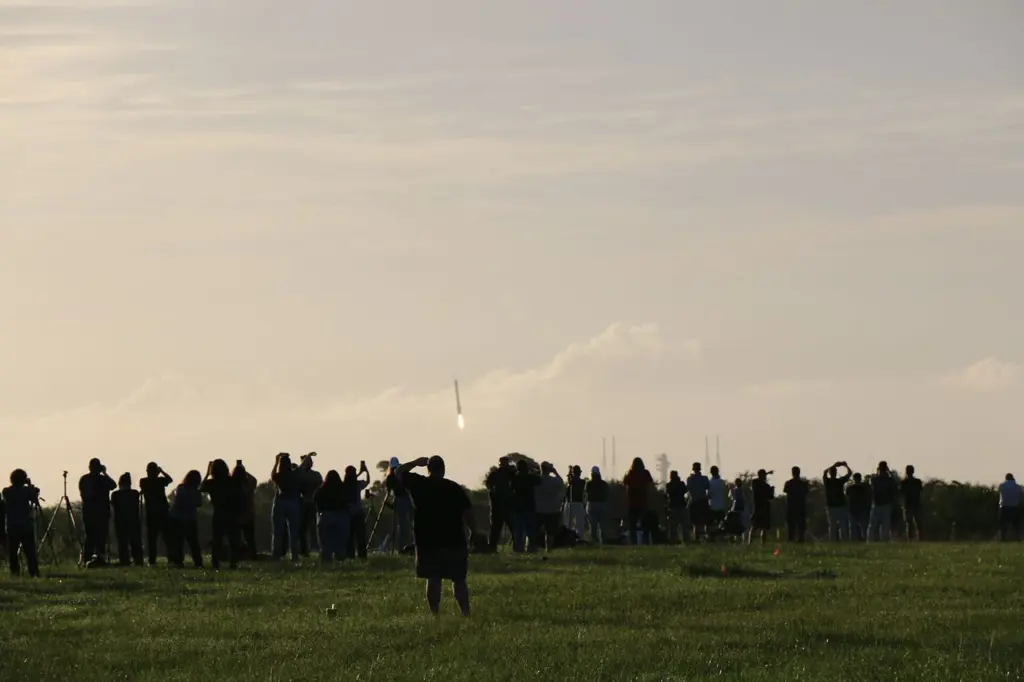
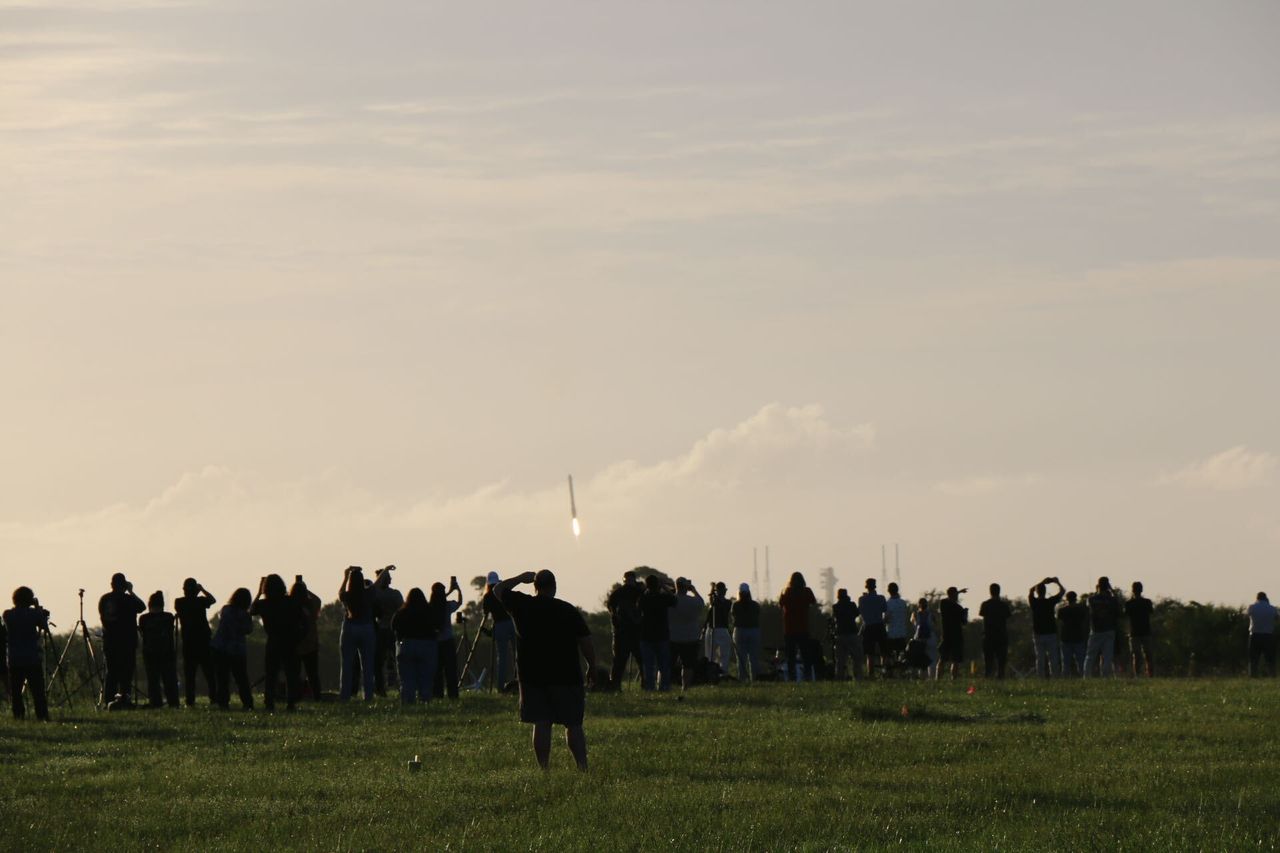
Watching in person?Viewing guide for Kennedy Space Center
Aug 30, 2026, 11:26 AM
Second
15 updates
11:25 AM
Window Open
11:26 AM
Window Close
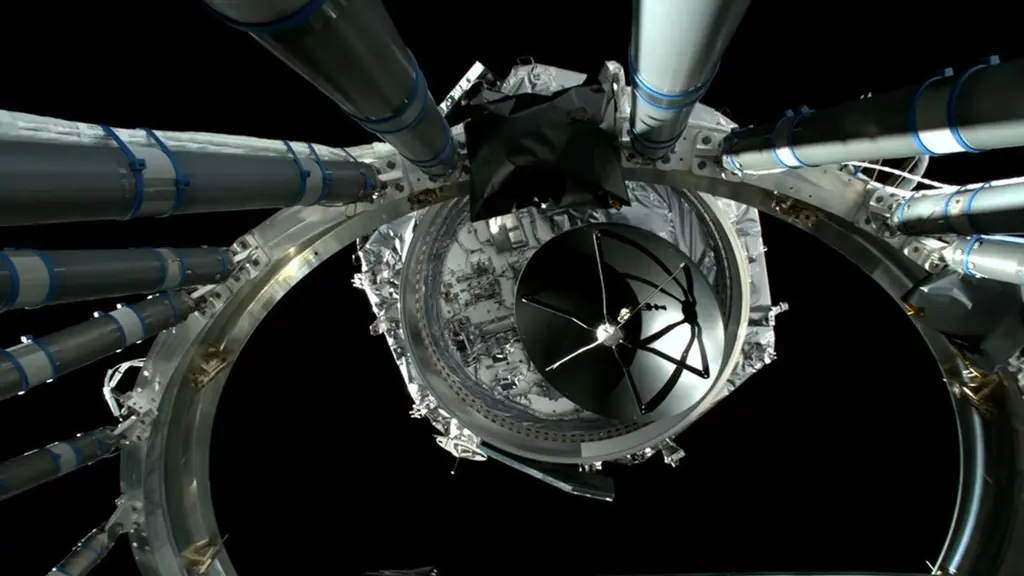
Launch success with telescope solar panels/sunshade deployed.
SourcePayload deployed.
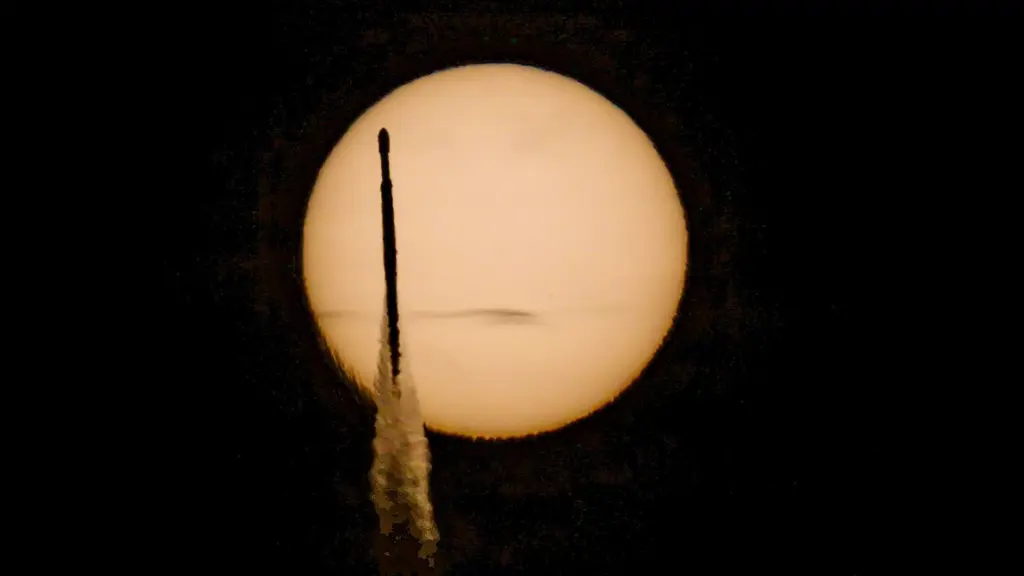
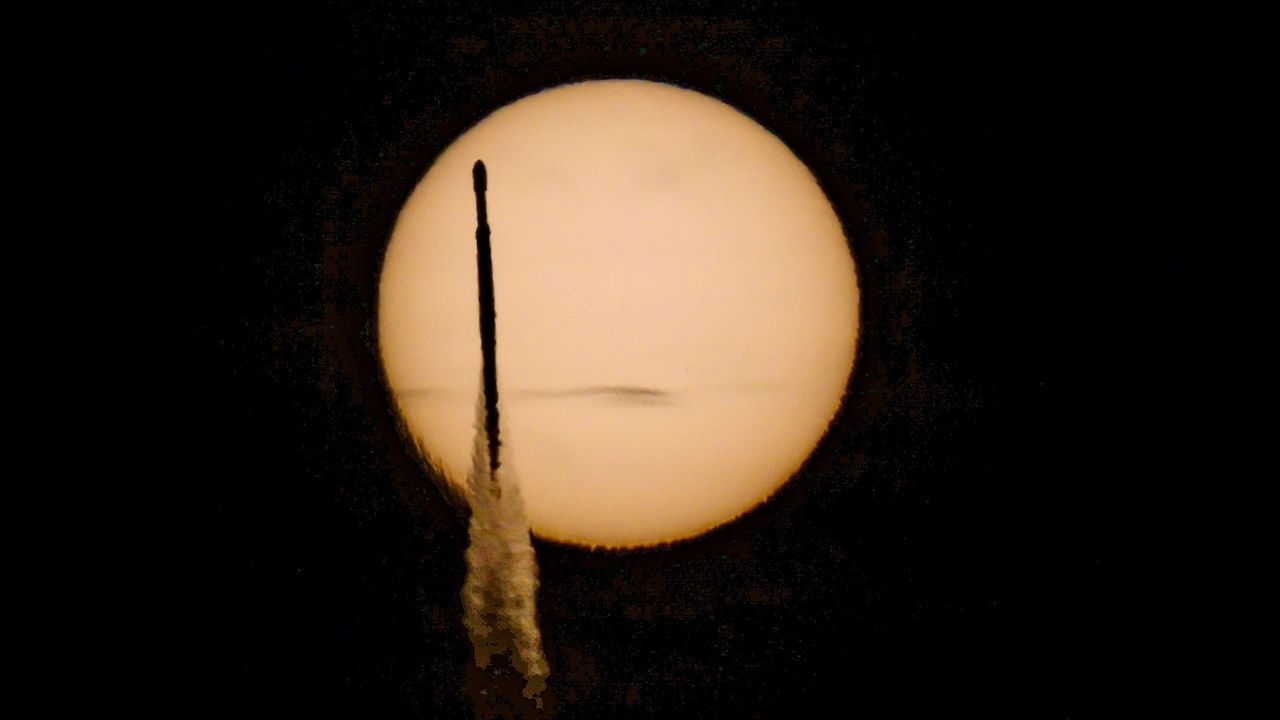
SourceLiftoff!
SourceUpdated launch weather, 70% GO.
SourceOfficial Webcast by NASA has started
SourceNow targeting Aug 30 at 11:26 UTC
SourceUpdated launch weather, 50% GO (launch window per https://x.com/spaceflightnow/status/2093717878302216462).
SourceNow targeting Aug 30 at 11:25 UTC
SourceUpdated launch weather, 60% GO.
SourceGO for launch.
SourceTweaked T-0.
SourceTweaked T-0.
SourceSetting GO.
SourceAdded tentative launch time.
SourceNET August 30.
SourceNET late August.
SourceMay move up to NET early September.
SourceNET September 28.
SourceNET September.
SourceAdding launch NET October 2026
Source