Cassini–Huygens
Thirteen years orbiting Saturn
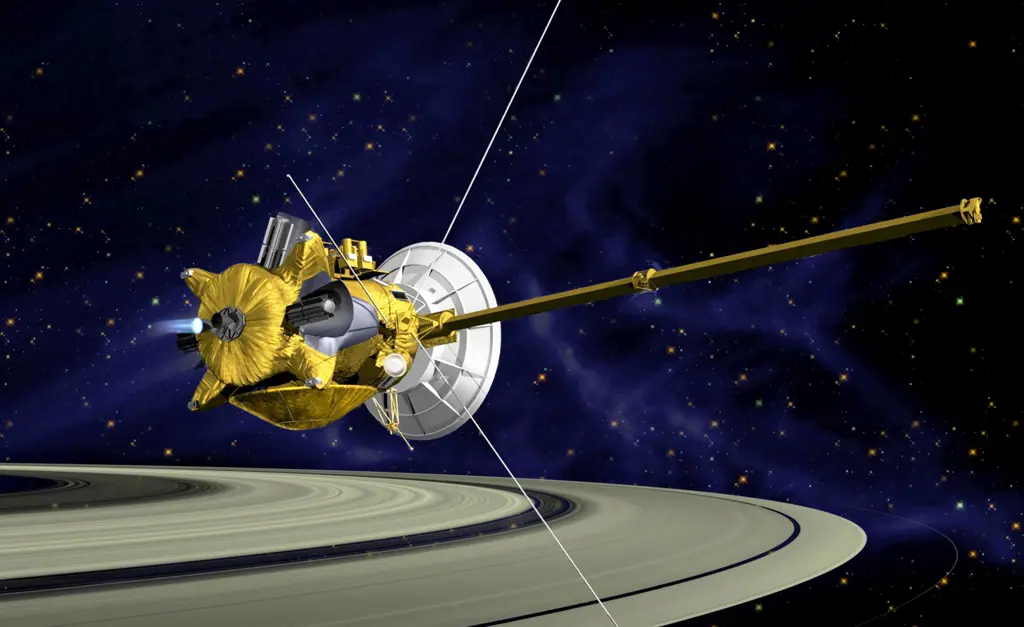
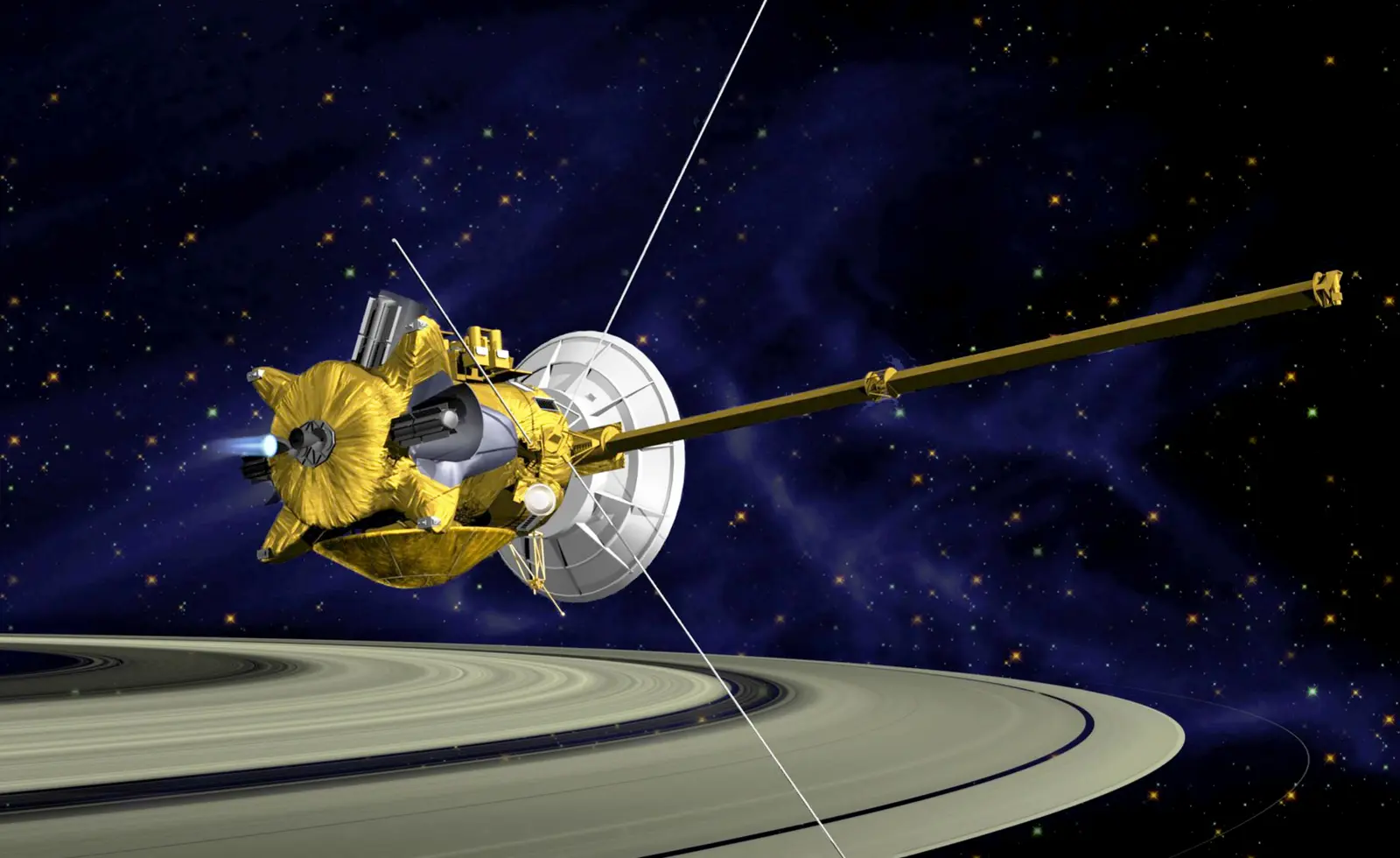
Cassini–Huygens was a flagship mission to the Saturn system — a NASA orbiter carrying a European-built lander, the product of NASA, ESA and the Italian Space Agency working together. It launched in 1997 and reached Saturn in 2004 after a seven-year cruise that used gravity assists from Venus, Earth and Jupiter to build up speed.
In January 2005 the orbiter released ESA's Huygens probe, which parachuted through Titan's thick orange haze and landed on its surface — the first and farthest landing ever made in the outer solar system. Over the next twelve years Cassini circled Saturn nearly 300 times, discovering water-rich jets erupting from the moon Enceladus, mapping methane lakes on Titan with radar, and tracing the intricate structure of the rings.
Running low on fuel and to protect the ocean moons it had found, Cassini ended on its own terms: a 'Grand Finale' of 22 dives between Saturn and its innermost rings, followed by a deliberate plunge into Saturn's atmosphere on 15 September 2017, transmitting data until the moment it burned up.
Mission timeline
- 1997 · Oct 15Launch
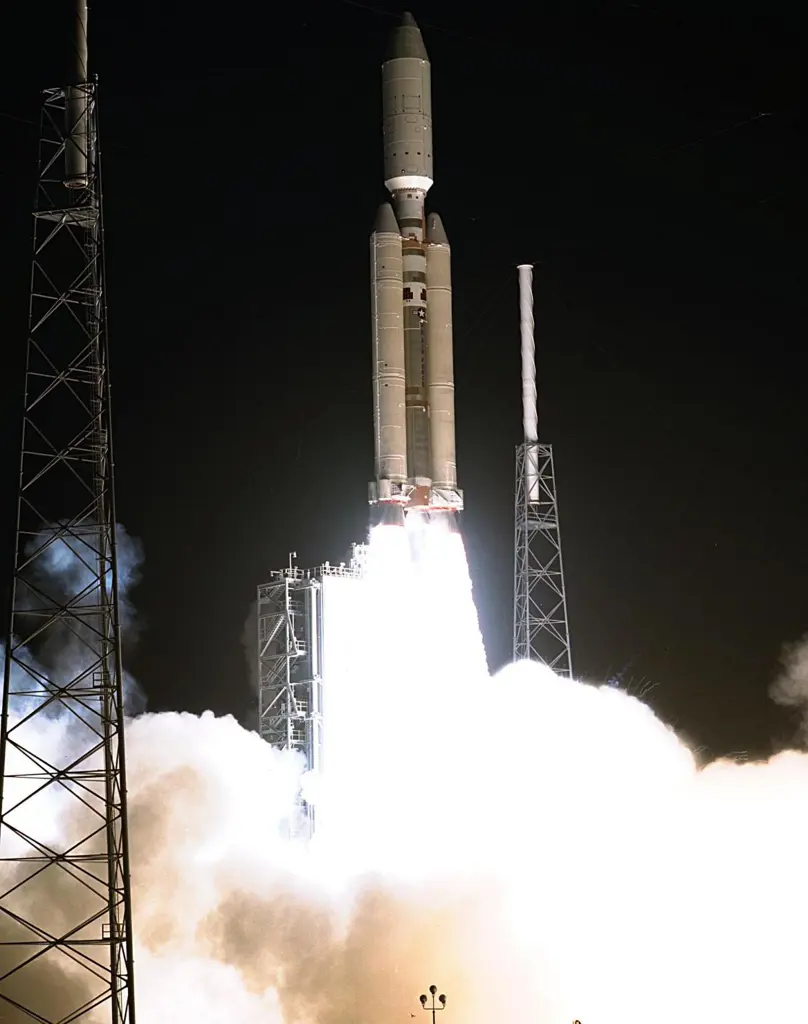
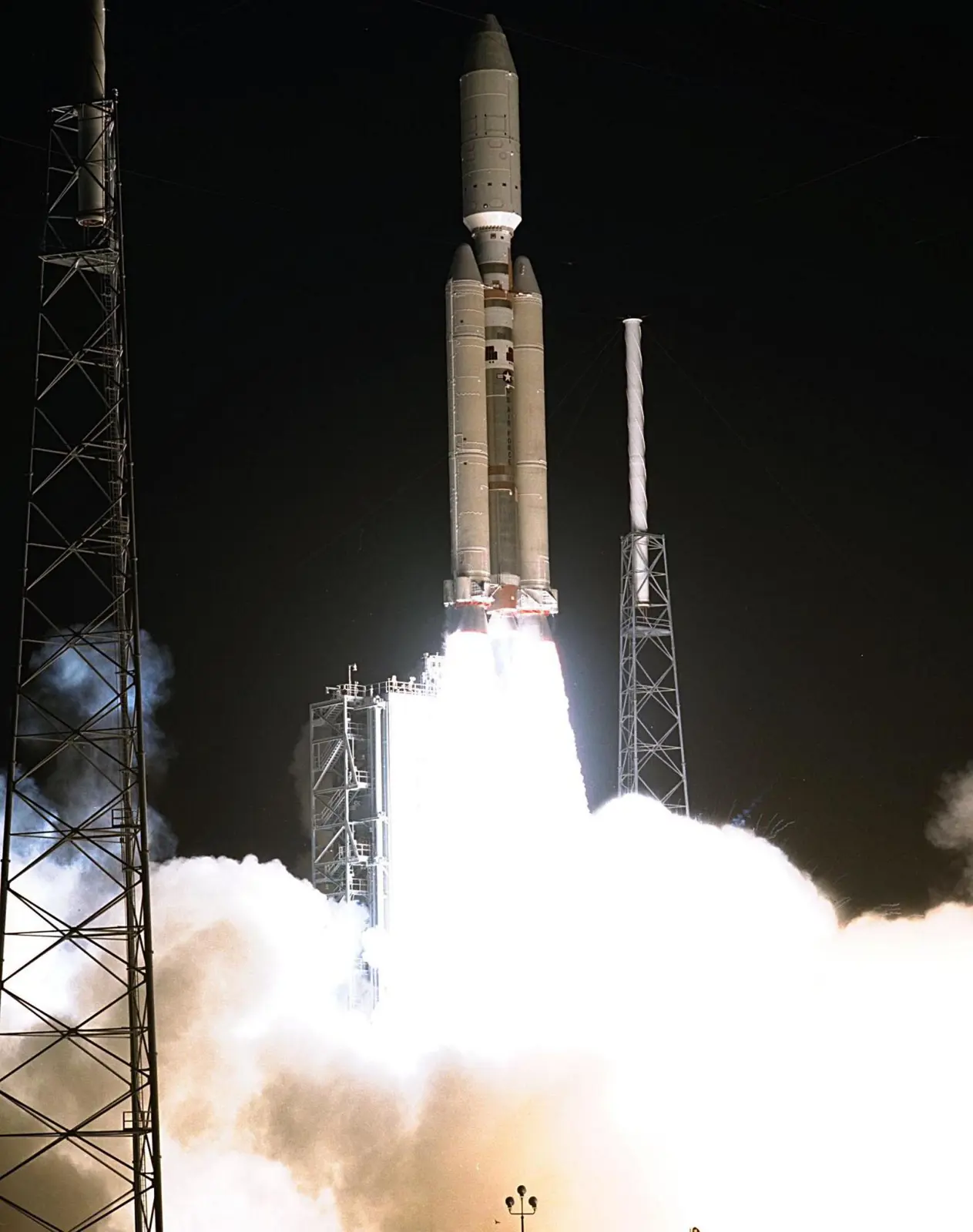
Lifted off from Cape Canaveral on a Titan IVB/Centaur — the heaviest interplanetary spacecraft the United States had launched.
- 1998 · 2000Gravity-assist cruise
Two Venus flybys, an Earth flyby and a Jupiter flyby slingshot Cassini outward, stealing planetary momentum to reach Saturn.
- 2004 · Jul 1Saturn orbit insertion
A 96-minute engine burn threads Cassini through a gap in the rings and into orbit — the first spacecraft ever to orbit Saturn.
- 2005 · Jan 14Huygens lands on Titan
ESA's probe descends by parachute and touches down on Titan — the first landing in the outer solar system, returning images of riverbeds and a frozen shore.
- 2005Enceladus plumes discovered
Cassini spots geyser-like jets of water ice and vapour erupting from fractures near Enceladus's south pole — evidence of a subsurface ocean.
- 2008Equinox Mission
First mission extension; Cassini watches Saturn's equinox and the changing light across the rings.
- 2010Solstice Mission
Second extension carries the orbiter through nearly half a Saturnian year of seasonal change.
- 2017 · Apr 26Grand Finale begins
Cassini starts 22 weekly dives through the unexplored gap between Saturn and its rings, sampling the planet directly.
- 2017 · Sep 15Mission ends
Out of fuel, Cassini plunges into Saturn's atmosphere — destroying itself to ensure it never contaminates Enceladus or Titan.
Frequently asked questions
Mission simulation

Active instruments
- Imaging Science Subsystem
Narrow- and wide-angle cameras — most of Cassini's iconic visible-light photographs
- Visible and Infrared Mapping Spectrometer
Maps the composition of surfaces, rings and atmospheres across visible and infrared light
- Composite Infrared Spectrometer
Thermal-infrared temperatures and chemistry of Saturn, Titan and the icy moons
- Titan Radar Mapper
Cut through Titan's haze to image the surface and reveal its hydrocarbon seas and lakes
- ESA Titan descent probe
Parachuted to Titan's surface in 2005, returning the first in-situ data from the outer solar system
Headline discoveries
Cassini flew directly through plumes jetting from Enceladus and measured water vapour, ice grains, salts and organic molecules — proof of a salty, possibly habitable ocean beneath the moon's icy shell.
Radar and the Huygens landing revealed seas, lakes and rivers of liquid methane and ethane, with clouds and rain — the only world besides Earth with stable liquid on its surface.
Cassini resolved waves, gaps, embedded moonlets and 'propellers' in Saturn's rings, and weighed them during the Grand Finale — finding the rings are surprisingly young and slowly raining into the planet.
Track Cassini in real time
Fly the Saturn tour in NASA's Eyes on the Solar System — a real-time 3D simulation of Cassini's orbits among the rings and moons.
Data: NASA/JPL — Eyes on the Solar System