Starship
A fully-reusable, two-stage super heavy-lift system designed to carry cargo and crew to orbit, the Moon and Mars.
Flight record
About Starship
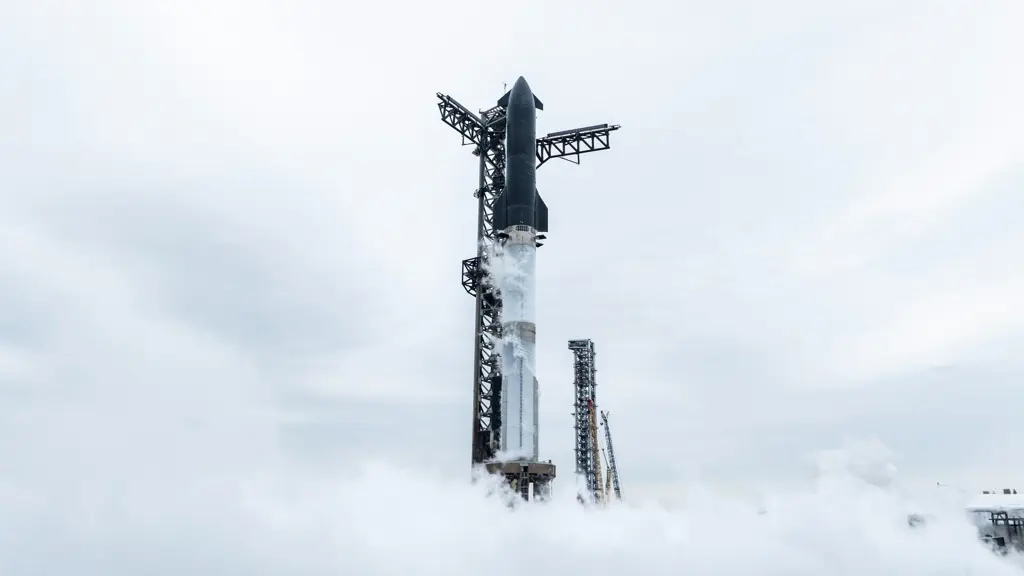
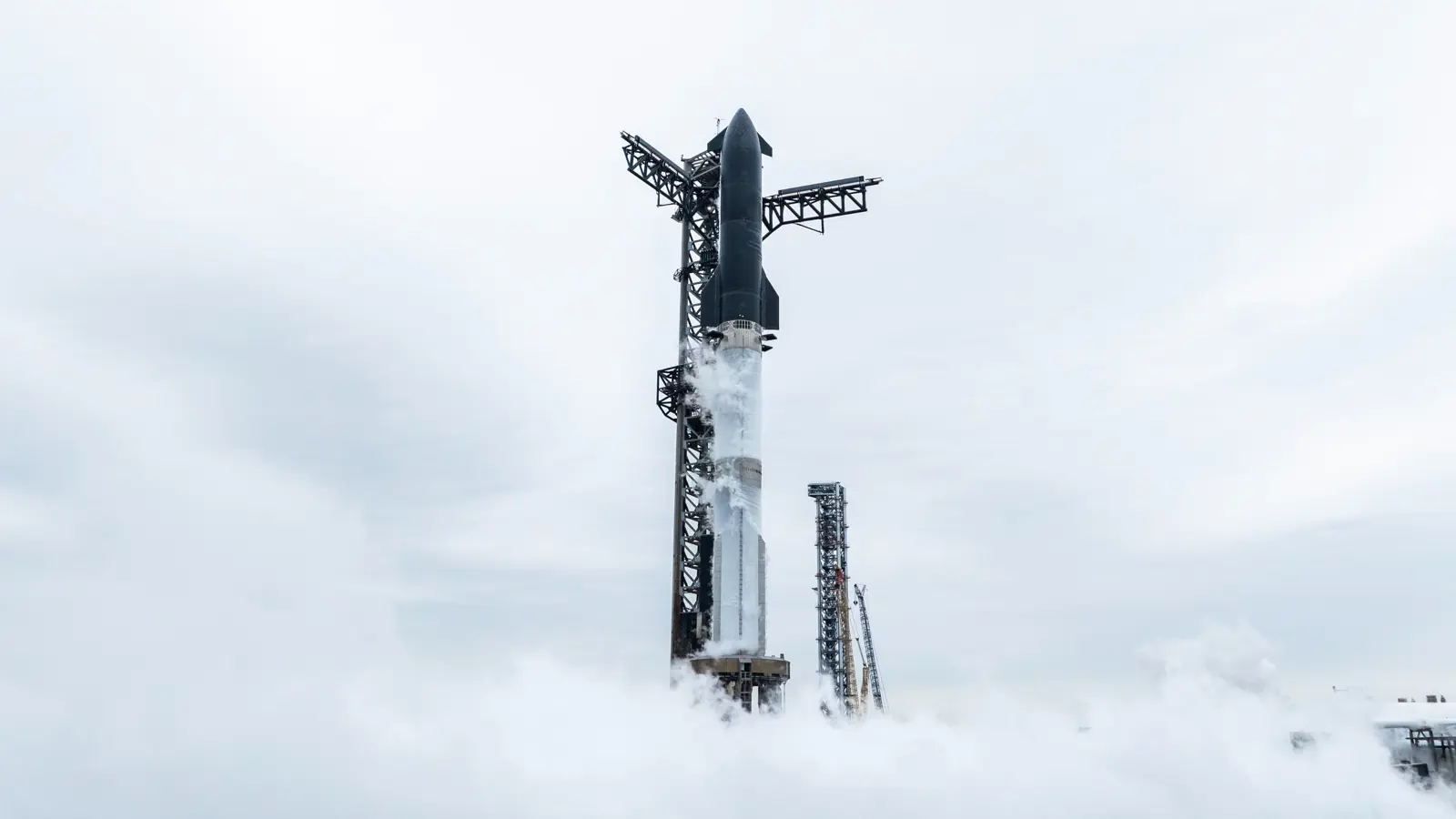
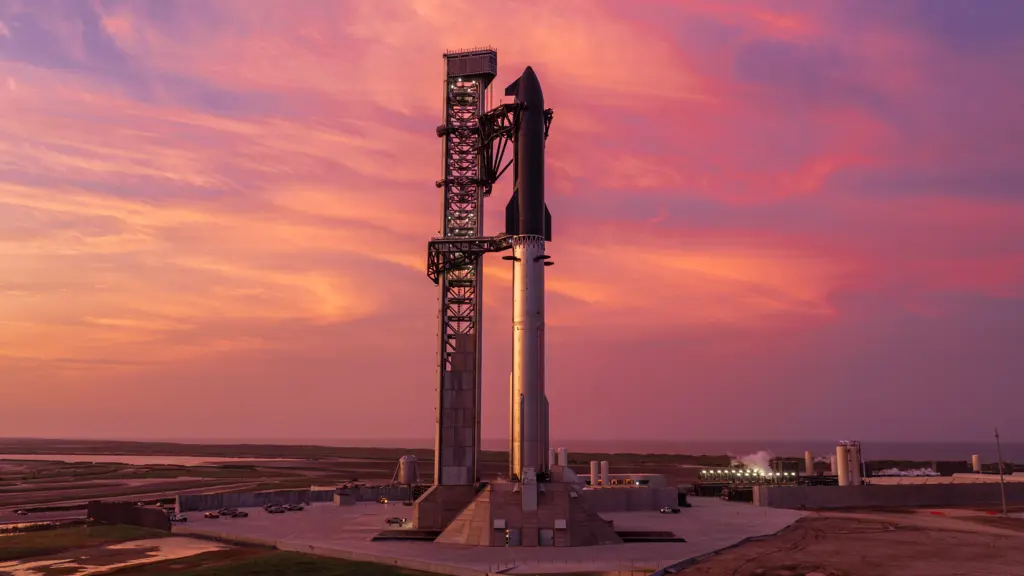
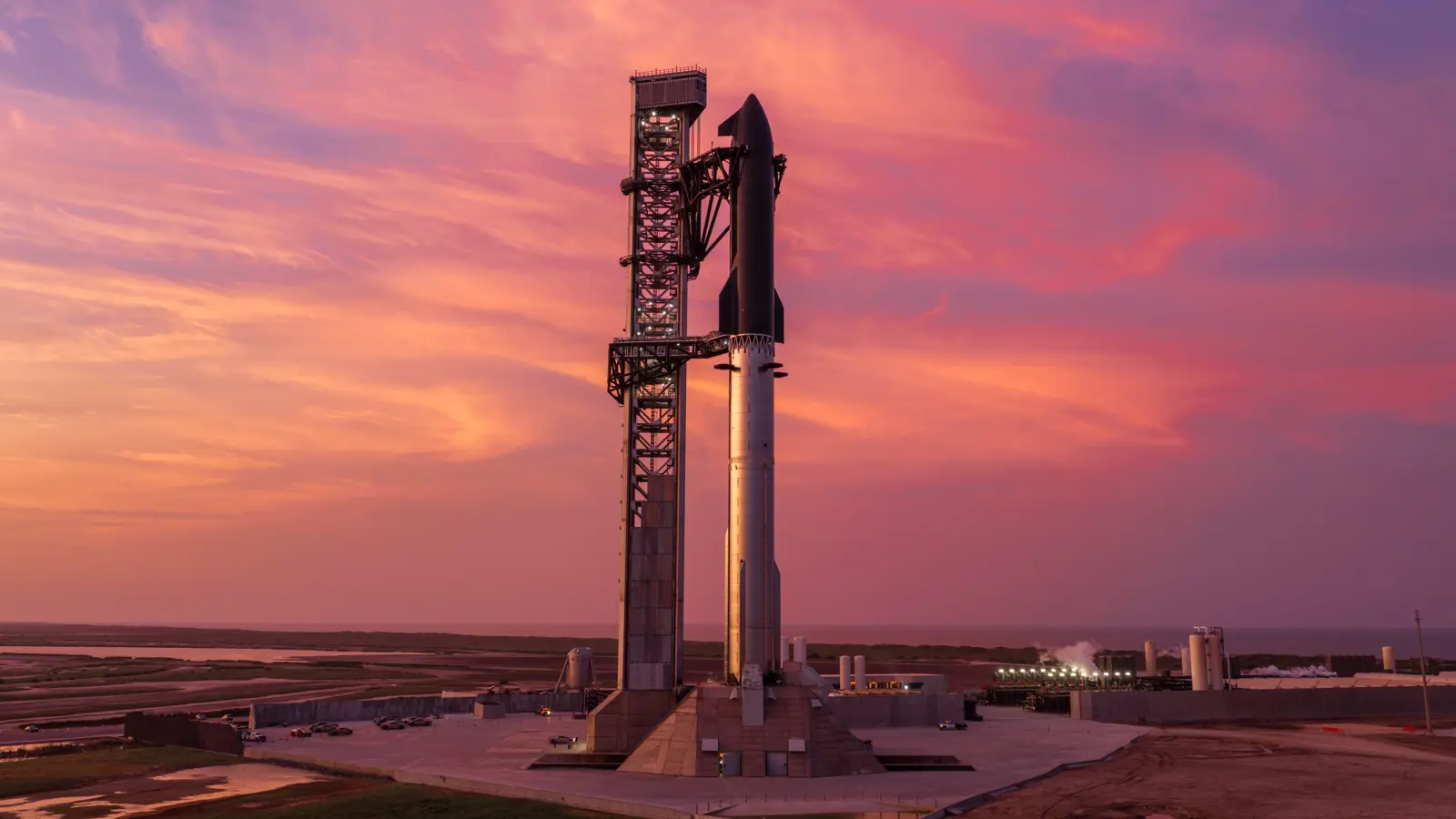
Starship is SpaceX's next-generation launch system: a stainless-steel upper stage (also called 'Starship') stacked on a 'Super Heavy' booster, both powered by SpaceX's methane-fuelled Raptor engines and both designed to be fully and rapidly reusable. Standing roughly 120 metres tall when stacked, it is the largest and most powerful rocket ever built.
It is being developed to deliver very large payloads to orbit, deploy next-generation Starlink satellites, serve as the crewed lunar lander for NASA's Artemis programme, and ultimately enable crewed missions to Mars. As of 2026 it remains in an iterative flight-test campaign, having flown a series of integrated flight tests and demonstrated a tower 'catch' of the Super Heavy booster.
Development
Prototypes (Starhopper, SN-series)
2019–2021Early single- and three-engine test articles performing 'hops' and high-altitude flights at Starbase, Texas, validating the landing flip manoeuvre.
Integrated flight tests (Block 1 / Block 2)
2023–2025Full stacks of Starship on Super Heavy flying suborbital and near-orbital trajectories, progressively demonstrating staging, re-entry and the first booster tower-catch.
Block 3
2025–presentThe current, larger and more capable test article, working toward routine orbital flight, payload deployment and on-orbit refuelling.
Flight history
Frequently asked questions
Specifications
- Height
- 124.4 m
- Diameter
- 9 m
- Launch mass
- 5,000 kg
- Payload to
- 100,000 kg
- Thrust at liftoff
- 80,807 kN
- Reusable
- No
Key dates
- First flight
- Apr 20, 2023
- First prototype hop (Starhopper)
- Aug 27, 2019
- First integrated flight test
- Apr 20, 2023
- First Super Heavy tower catch
- Oct 13, 2024
Official links
Starship launches
Every upcoming and past Starship launch — live countdowns, mission details and launch history.
Upcoming Launches

Flight 15
Dec 31, 2026, 12:00 AM
SpaceX
Starship
SpaceX Starbase, TX, USA
SpaceX HLS LEO Demo
Jun 30, 2027, 12:00 AM
SpaceX
Starship
Kennedy Space Center, FL, USA
Superbird-9
Dec 31, 2028, 12:00 AM
SpaceX
Starship
Kennedy Space Center, FL, USA
Starlab
Dec 31, 2029, 12:00 AM
SpaceX
Starship
Kennedy Space Center, FL, USA
Previous Launches
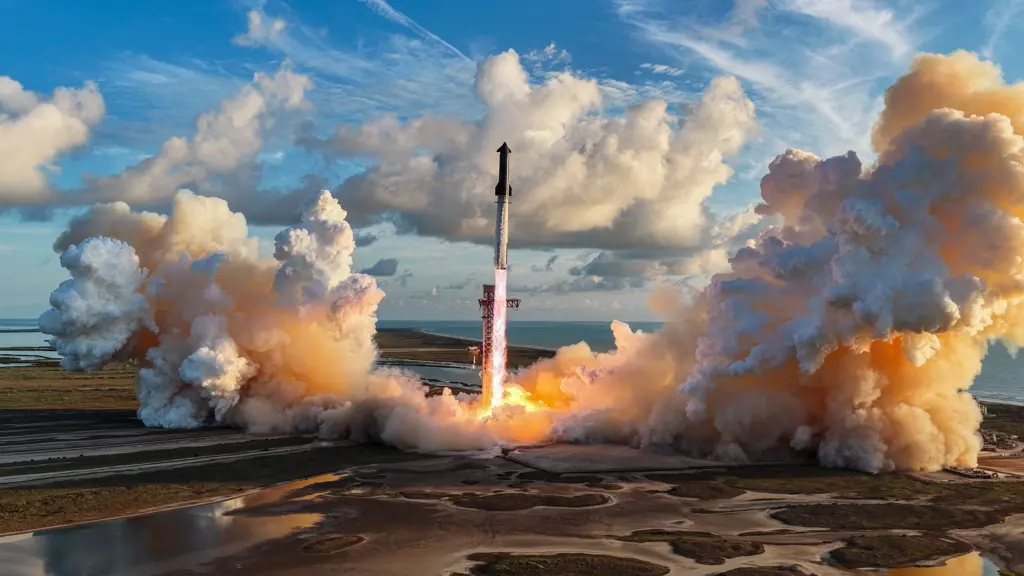
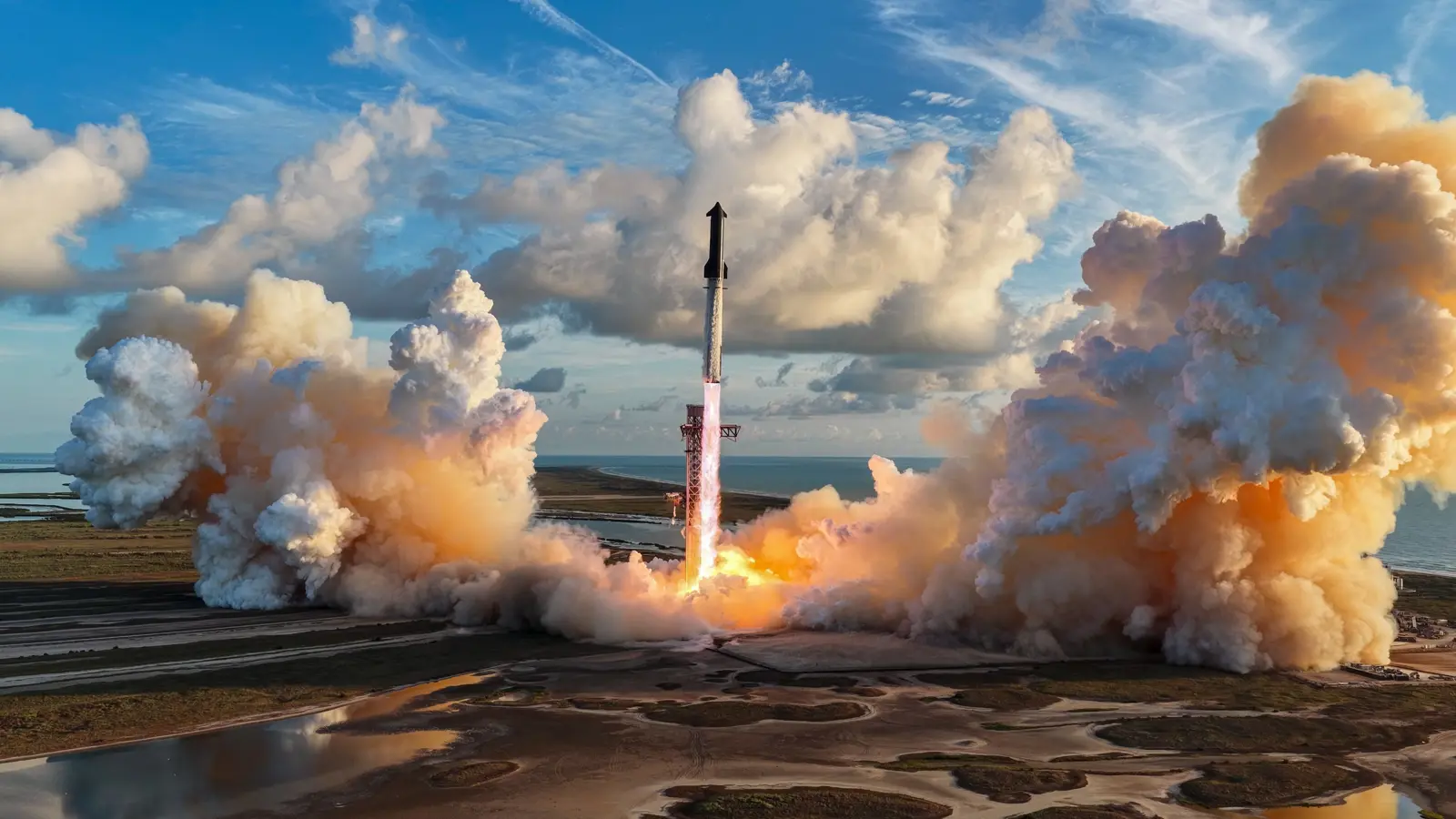
Starlink Group 31-1 (Starship Flight 14)
Sep 28, 2026, 12:48 PM
SpaceX
Starship
SpaceX Starbase, TX, USA
Flight 13
Jul 24, 2026, 10:51 PM
SpaceX
Starship
SpaceX Starbase, TX, USA
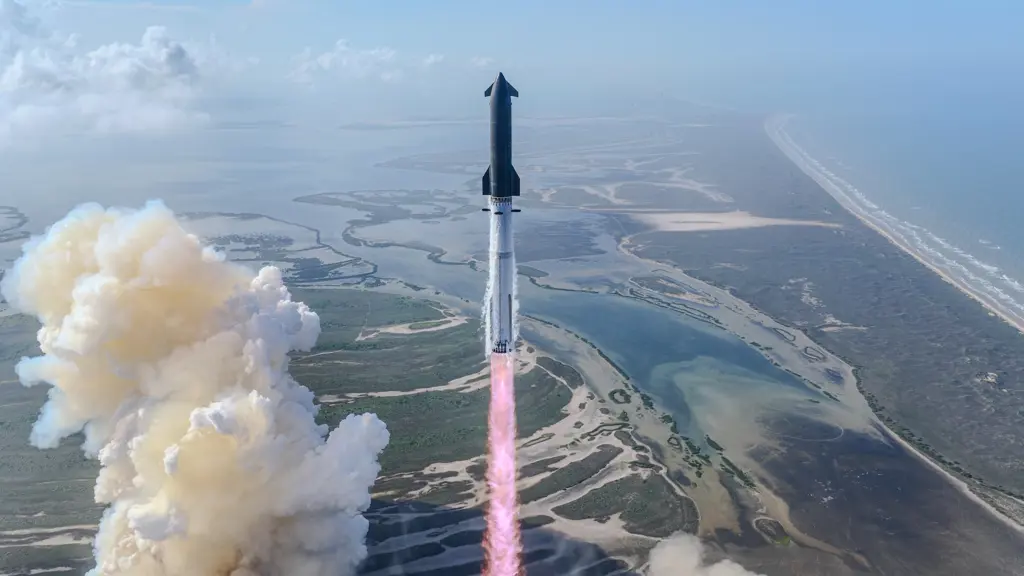
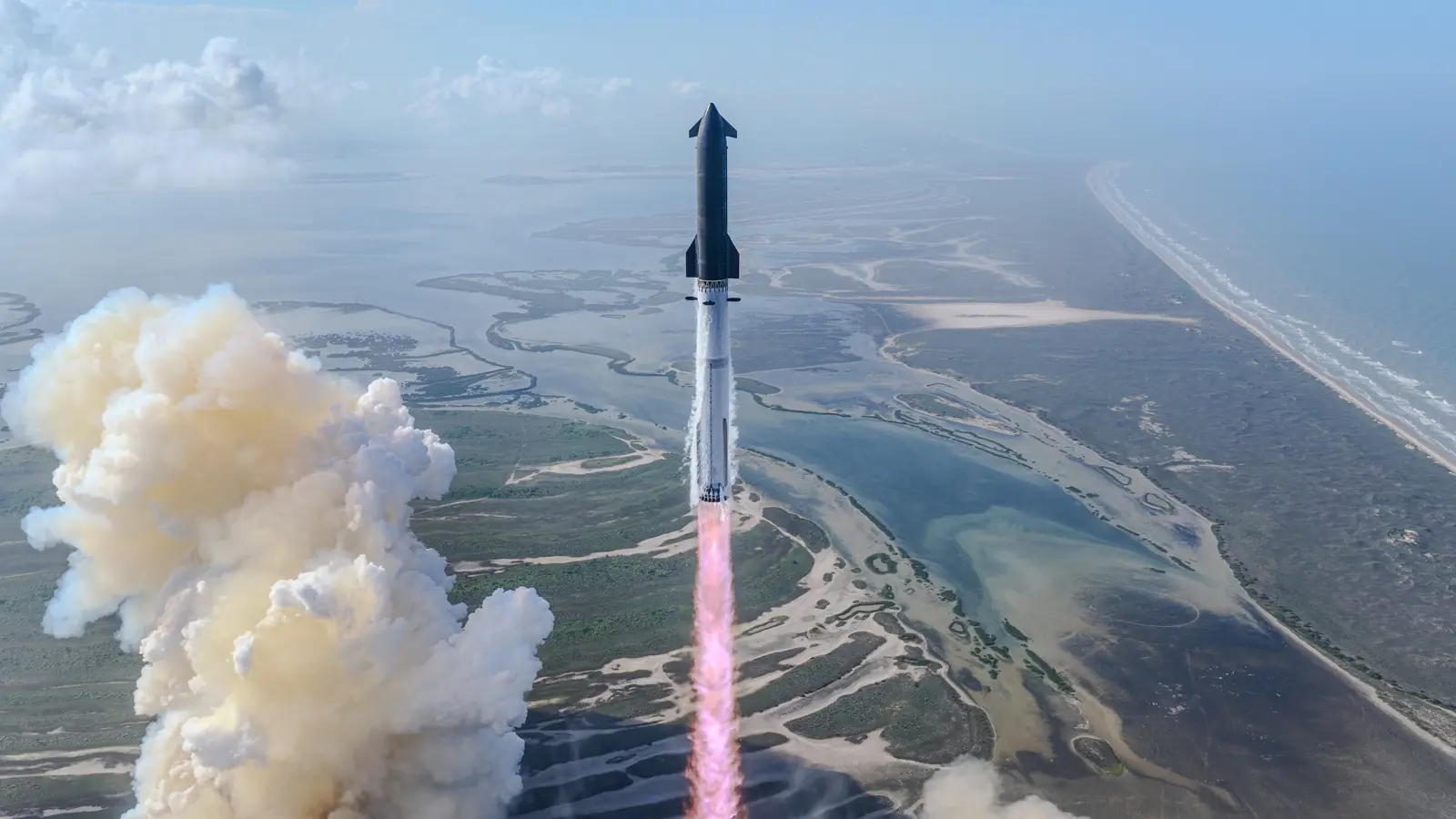
Flight 12
May 22, 2026, 10:30 PM
SpaceX
Starship
SpaceX Starbase, TX, USA
Flight 11
Oct 13, 2025, 11:23 PM
SpaceX
Starship
SpaceX Starbase, TX, USA
Flight 10
Aug 26, 2025, 11:30 PM
SpaceX
Starship
SpaceX Starbase, TX, USA
Flight 9
May 27, 2025, 11:36 PM
SpaceX
Starship
SpaceX Starbase, TX, USA
Flight 8
Mar 6, 2025, 11:30 PM
SpaceX
Starship
SpaceX Starbase, TX, USA
Flight 7
Jan 16, 2025, 10:37 PM
SpaceX
Starship
SpaceX Starbase, TX, USA
Related articles









Posts from X

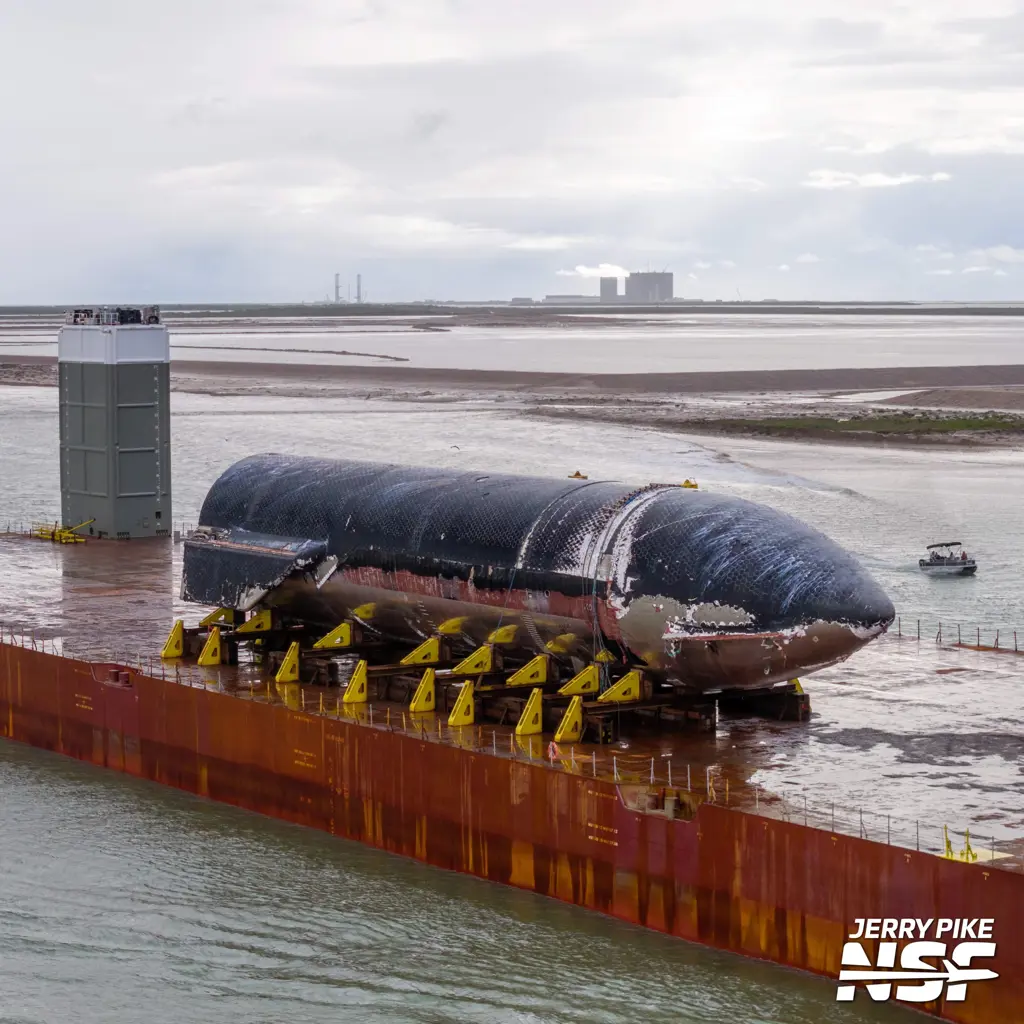
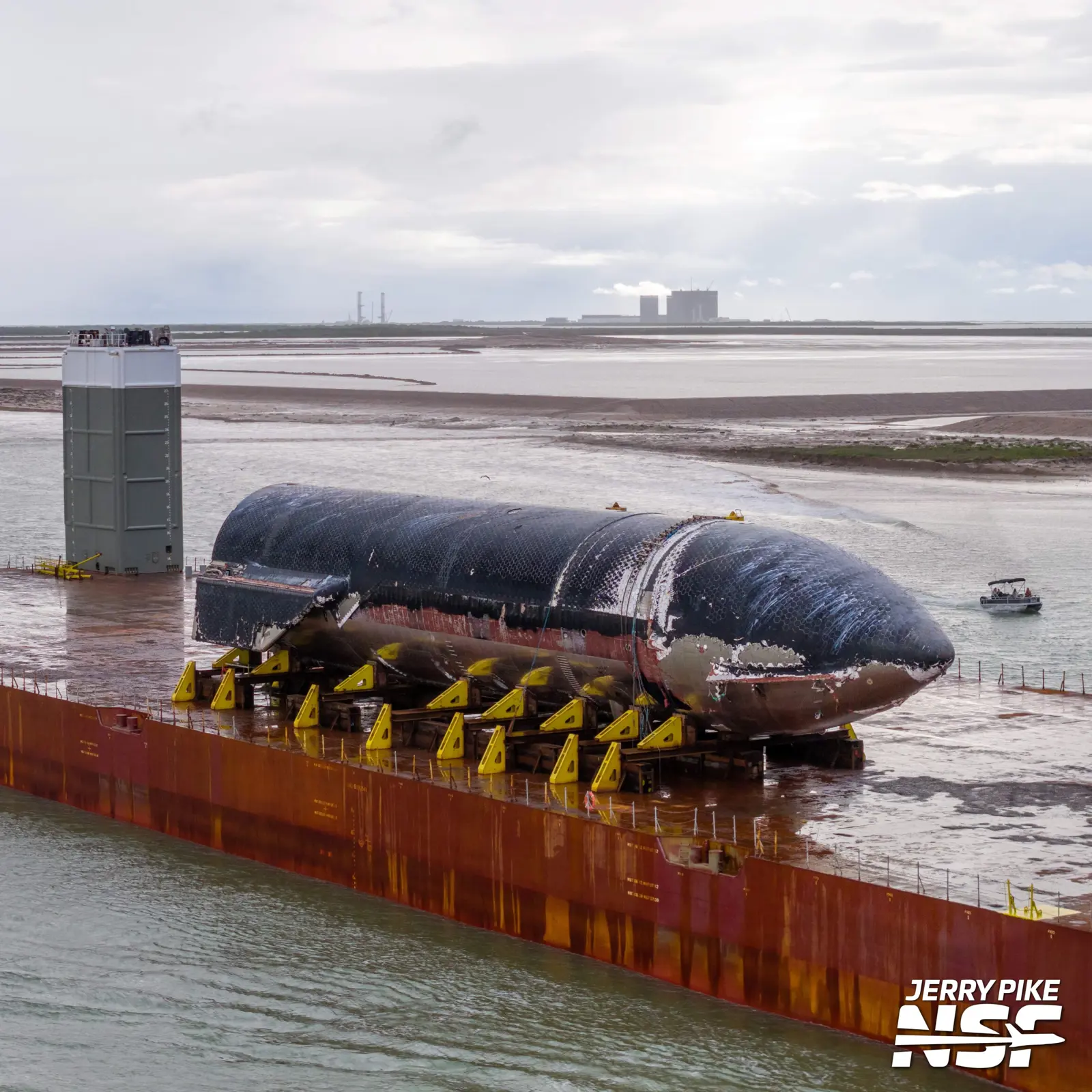
Starship 40’s return to base
 SpaceX@SpaceXOct 13
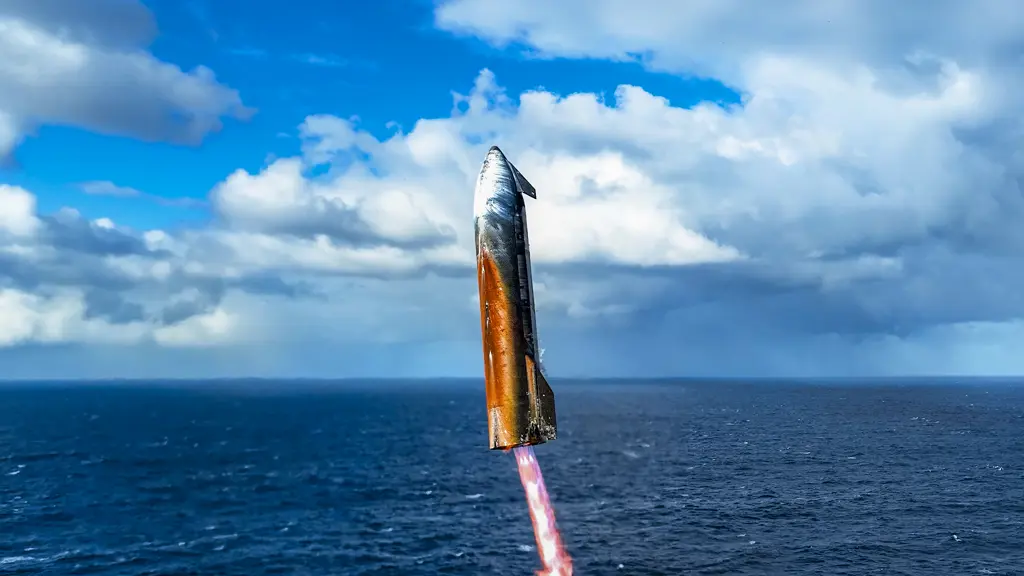
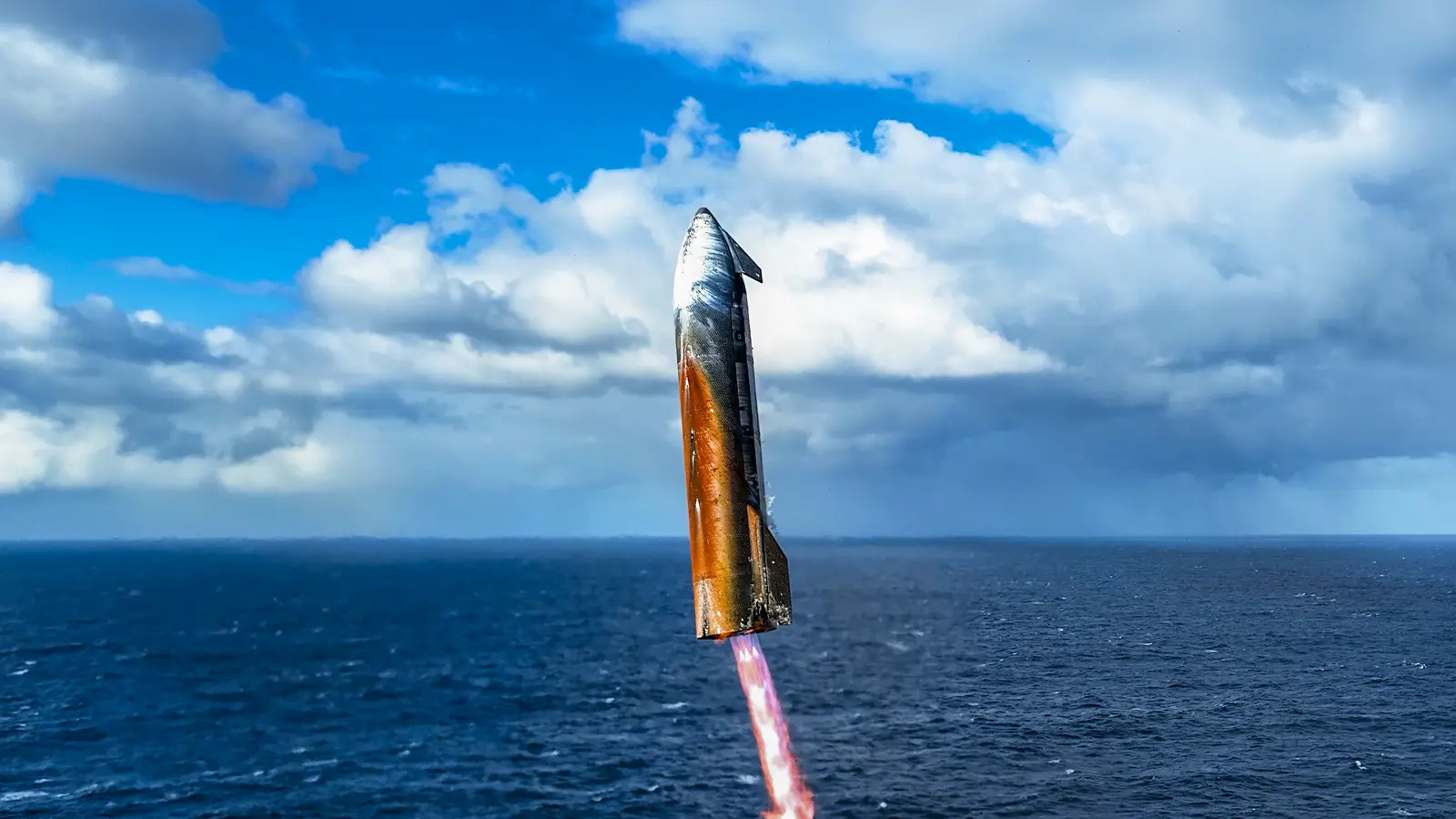
The first Starship to return to its launch site, Ship 40's journey took it across air, space, and sea. Now that it is vertical alongside three other Starships in a Megabay at Starbase, it will provide first-of-its-kind data on a flown Starship heatshield, Raptor engines, avionics, and more.
The first Starship to return to its launch site, Ship 40's journey took it across air, space, and sea. Now that it is vertical alongside three other Starships in a Megabay at Starbase, it will provide first-of-its-kind data on a flown Starship heatshield, Raptor engines, avionics, and more.
Starship deploying Starlink V3 satellites
Sci-fi irl
SpaceX@SpaceXOct 2Hot-staging on Starship Flight 14
Beautiful view of Starlink V3 deployment
SpaceX@SpaceXOct 2Starship's first orbital flight delivered 26 Starlink V3 satellites to space
Starship's first orbital flight delivered 26 Starlink V3 satellites to space
Hot-staging on Starship Flight 14
Starship Flight 14
SpaceX@SpaceXSep 30Starship Flight 14, the first morning launch from Starbase since Flight 5
Starship will expand the aperture of physics research by placing much larger telescopes in orbit and giant ones on the Moon
 Luis Batalha@luismbatSep 30
Starship reached orbit for the first time on Monday. One of my favorite potential use cases is launching the next generation of space telescopes faster and with far fewer constraints. Today, engineers designing the largest space telescopes face extreme mass and volume limits that forces them to make telescopes lighter, foldable, and dependent on incredibly intricate deployment mechanisms, adding years of engineering complexity and increasing the risk of failure. Starship changes that tradeoff. Thanks to its massive payload capacity and volume, telescope builders could "convert risk into mass": build heavier, simpler observatories instead of optimizing every component around launch constraints. That could accelerate the next generation of space telescopes, and astrophysics research, by decades!
Starship Flight 14, the first morning launch from Starbase since Flight 5
Starship Super Heavy
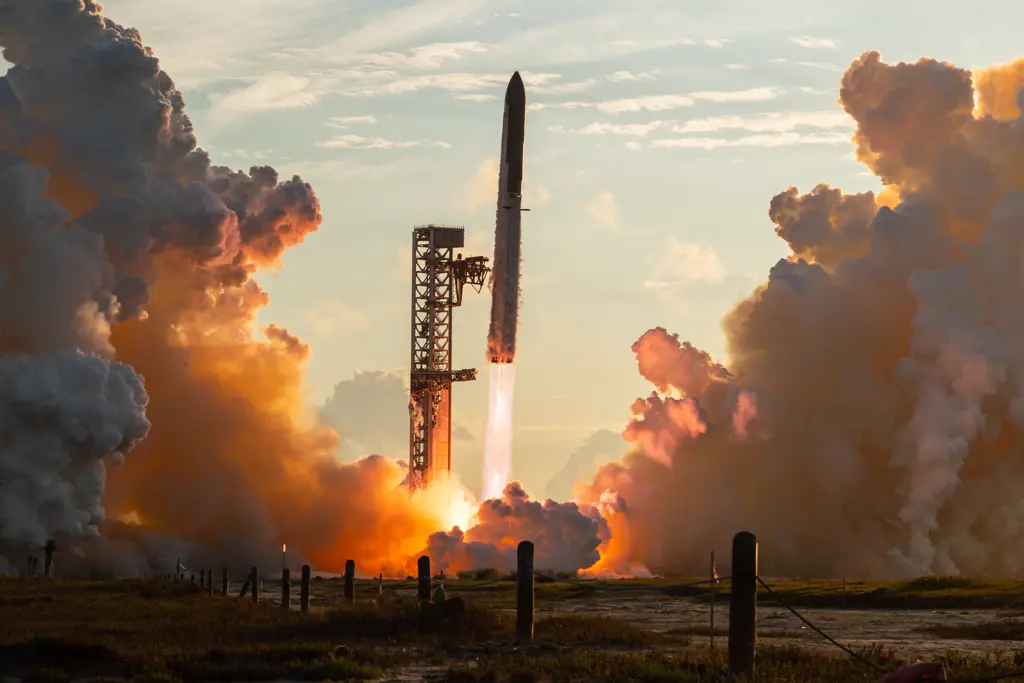
SpaceX@SpaceXSep 29Super Heavy liftoff powered by 33 Raptor 3 engines
Super Heavy liftoff powered by 33 Raptor 3 engines
Starship flight videos
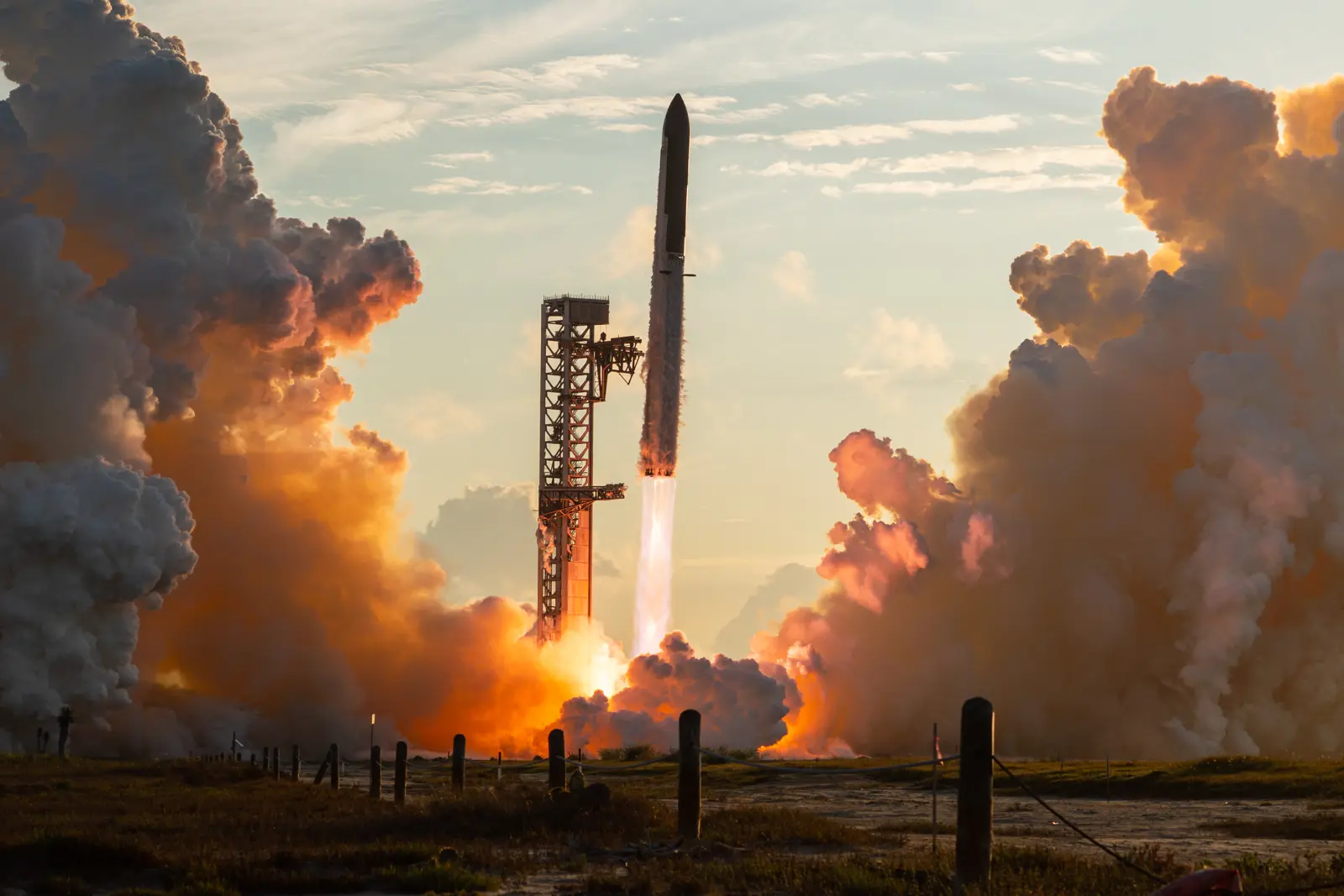
SpaceX@SpaceXSep 29Slow motion views of Flight 14 liftoff from the pad and tower at Starbase
Slow motion views of Flight 14 liftoff from the pad and tower at Starbase
Starship achieved orbit on its first attempt and successfully delivered Starlink V3 satellites to space for the first time → spacex.com/launches/stars…
Starship landing
SpaceX@SpaceXSep 28Splashdown confirmed. Congratulations to the entire SpaceX team on the first orbital flight of Starship!
Splashdown confirmed. Congratulations to the entire SpaceX team on the first orbital flight of Starship!
Starship is reentering the atmosphere
Deorbit burn complete. Starship is on course to reenter Earth’s atmosphere ahead of a planned splashdown in the Pacific Ocean in ~1 hour
Starship is preparing for its deorbit burn
Live views of Starship in orbit brought to you by @Starlink
Flight teams will deorbit Starship safely to our pre-cleared area of the Pacific Ocean after 3 hours in orbit
All 26 Starlink V3 operational satellites deployed and operating nominally
SpaceX@SpaceXSep 28The @Starlink team has made contact with all 26 satellites x.com/SpaceX/status/…
First orbital flight of Starship successful!
SpaceX@SpaceXSep 28Starship performs its orbital insertion burn and enters orbit of Earth for the first time
The @Starlink team has made contact with all 26 satellites
SpaceX@SpaceXSep 28Payload deploy complete. All 26 @Starlink V3 satellites are in orbit
Payload deploy complete. All 26 @Starlink V3 satellites are in orbit
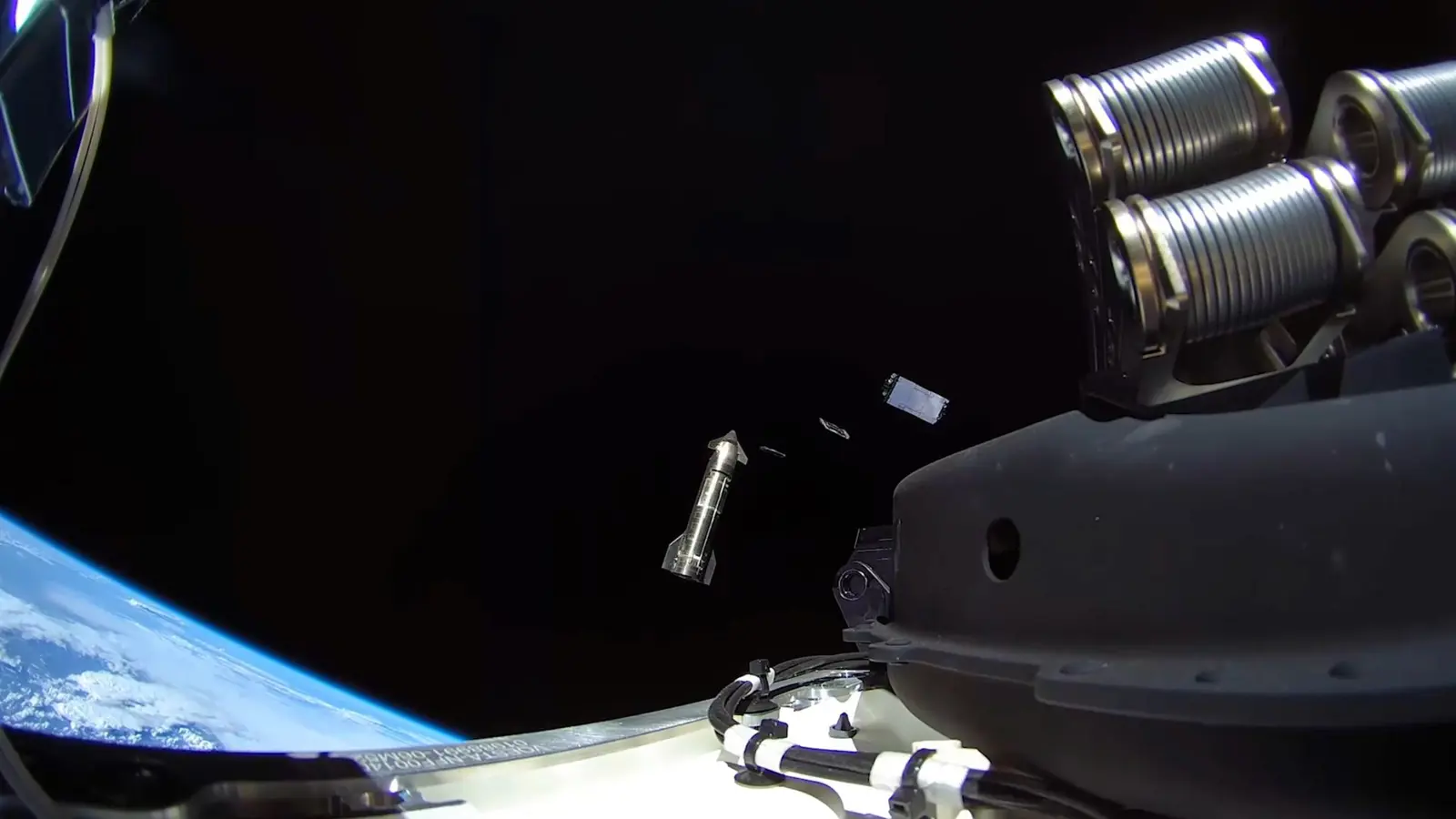
Starship has begun deploying its payload of 26 @Starlink V3 satellites. This deployment sequence will take ~30 minutes
Starship performs its orbital insertion burn and enters orbit of Earth for the first time
Go for orbit! Starship will soon perform a burn with a single Raptor engine to enter an ~275 km orbit of Earth
Starship’s ascent burn is complete. Starship is now on a passively safe suborbital trajectory as teams check systems to confirm we are good to proceed to orbit today
Super Heavy has splashed down in the Gulf of America!
Starship’s Raptor engines ignite during hot-staging separation. Super Heavy boosted back towards its splashdown site in the Gulf of America
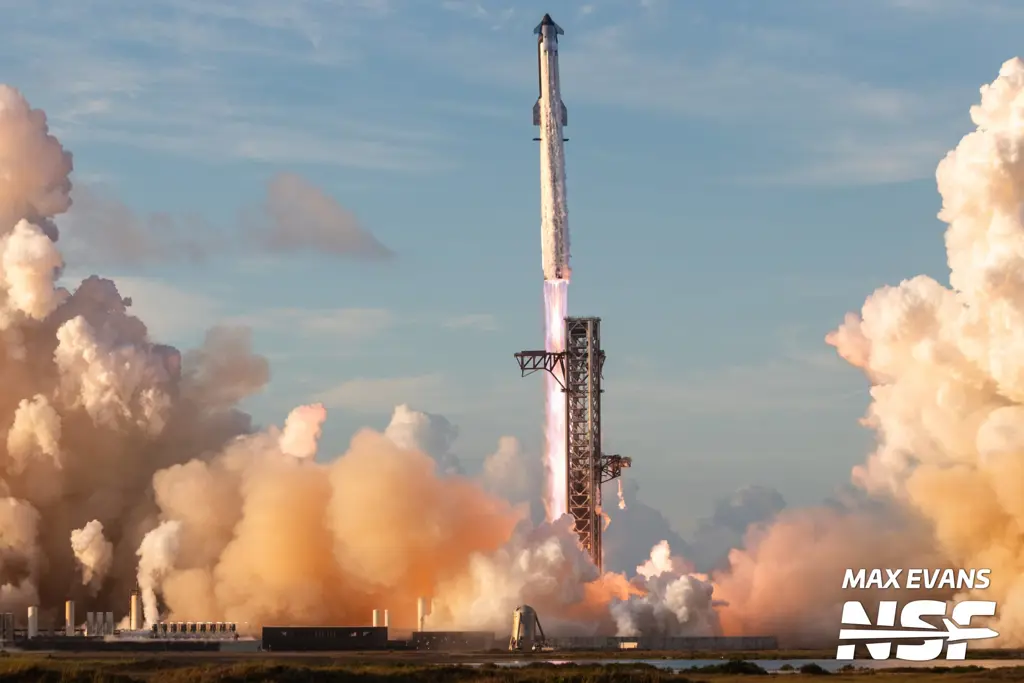
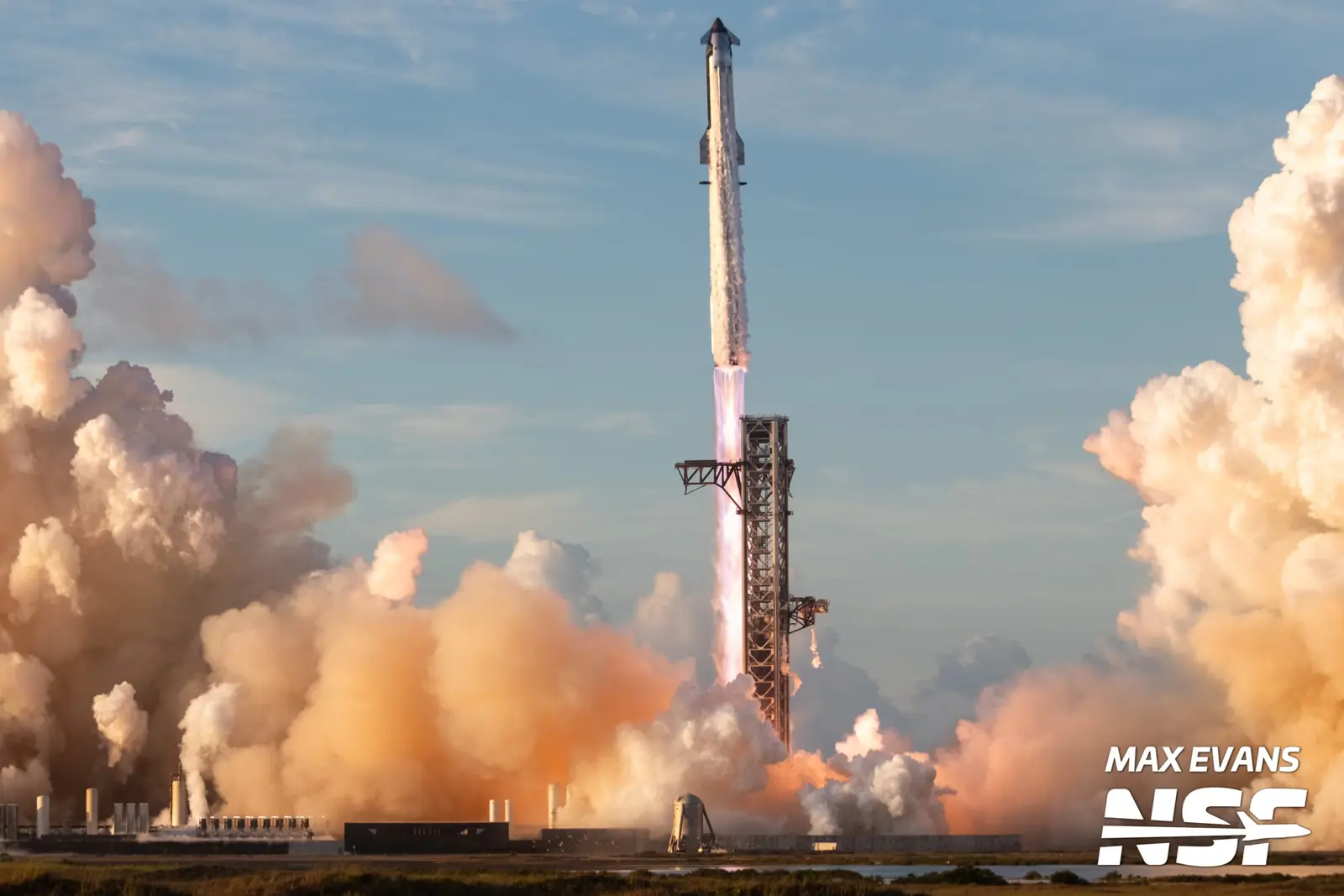
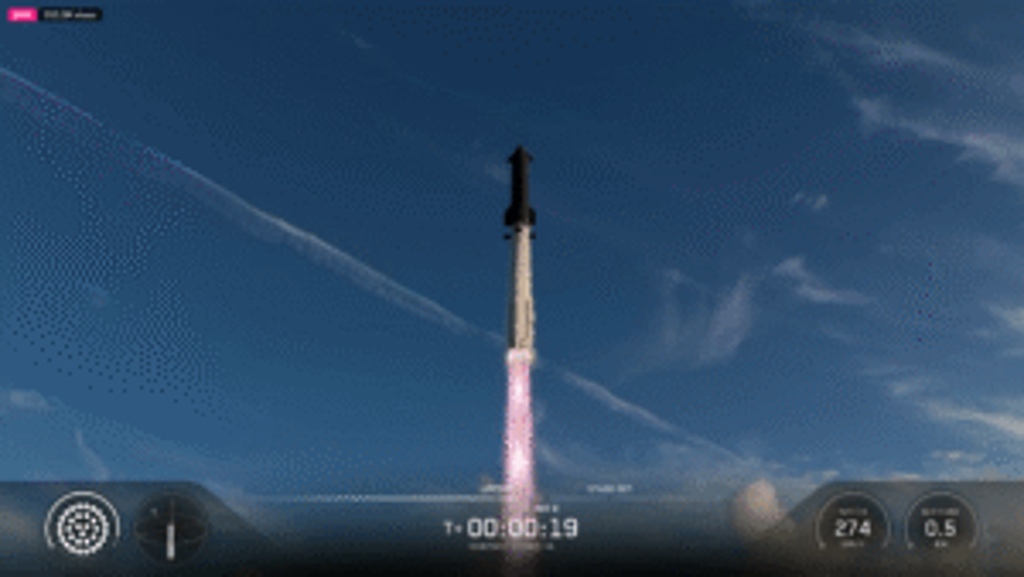
Liftoff of Starship!
Today’s Starship flight is planned to deploy 26 @Starlink V3 satellites
Our approach to Starship’s first orbital mission
The trajectory profile for Starship’s 14th flight
SpaceX engineers got their first hands-on look at a Starship after its return from space. What they learned led to improvements in Starship’s heatshield we’ll see fly today. Watch the latest episode in the ongoing Starship series → spacex.com/content/starsh…
Live webcast of Starship's 14th flight starts now
SpaceX@SpaceXSep 27Starship’s 14th flight is set to launch on Monday, Sept 28. The 75-minute launch window opens at 7:15 a.m. CT. Live coverage of the mission starts ~35 minutes before launch → x.com/i/broadcasts/1…
Propellant load is underway for today’s launch
Go for propellant load. Teams will soon begin loading Starship with ~12 million pounds of liquid oxygen and liquid methane. Targeting launch for 7:48 a.m. CT
SpaceX@SpaceXSep 27Starship’s 14th flight is set to launch on Monday, Sept 28. The 75-minute launch window opens at 7:15 a.m. CT. Live coverage of the mission starts ~35 minutes before launch → x.com/i/broadcasts/1…
Targeting launch for 7:46 a.m. CT
On track for Starship’s 14th flight. The 75-minute launch window opens at 7:15 a.m. CT. Live coverage of the mission begins ~35 minutes before launch
SpaceX@SpaceXSep 27Starship’s 14th flight is set to launch on Monday, Sept 28. The 75-minute launch window opens at 7:15 a.m. CT. Live coverage of the mission starts ~35 minutes before launch → x.com/i/broadcasts/1…
Starship Flight 14 aiming to launch tomorrow morning
SpaceX@SpaceXSep 27Starship’s 14th flight is set to launch on Monday, Sept 28. The 75-minute launch window opens at 7:15 a.m. CT. Live coverage of the mission starts ~35 minutes before launch → x.com/i/broadcasts/1…
Stainless Steel Starship
Launch rehearsal complete ahead of Starship Flight 14
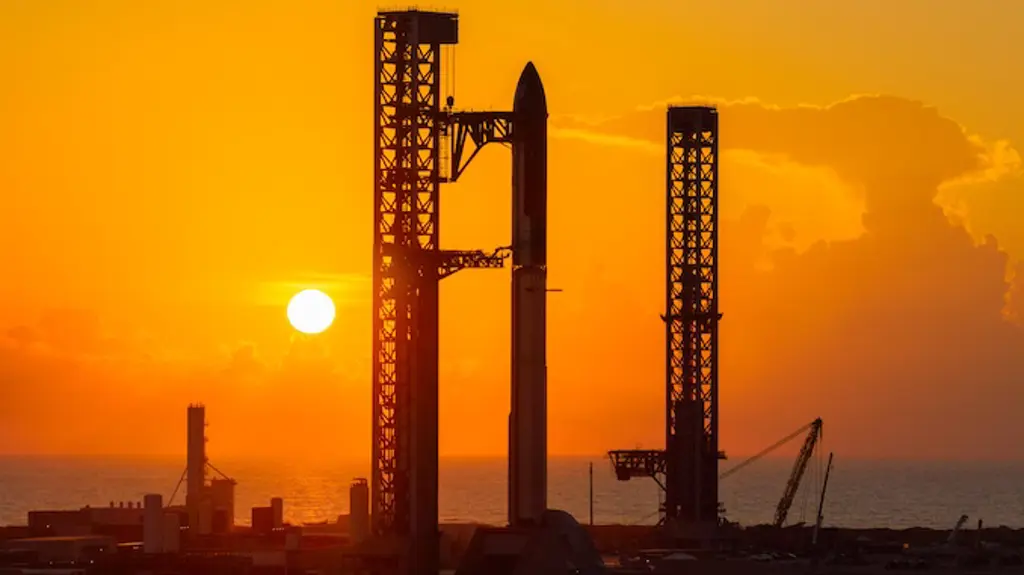
Sunrise at Starbase. Opportunistic full stack testing is planned ahead of Flight 14's launch, which is on track for Monday, Sept. 28, pending regulatory approval
Stacking Starship ahead of Flight 14
Ship 41 moved to the launch pad at Starbase
Interesting
 Herbert Ong@herbertongSep 20
🚨 Cathie Wood’s Starship math gets crazy very quickly! Larry Goldberg @TeslaLarry breaks down ARK’s estimate that a single Starship launch could eventually generate around $1 BILLION in connectivity revenue. Now combine that with Elon’s goal of 10,000 Starship flights per year. The theoretical math? Up to $10 TRILLION in annual revenue. Of course, there are huge assumptions here. Bandwidth demand, launch cadence, pricing, and network capacity all have to scale. But that’s the bigger point. If Starship goes from occasional launches to multiple flights per day, SpaceX starts looking like something very different from a rocket company. And orbital data centers could add another layer on top. The numbers are speculative. The scale of the idea isn’t. $SPCX
Related videos
More rockets
Falcon 9
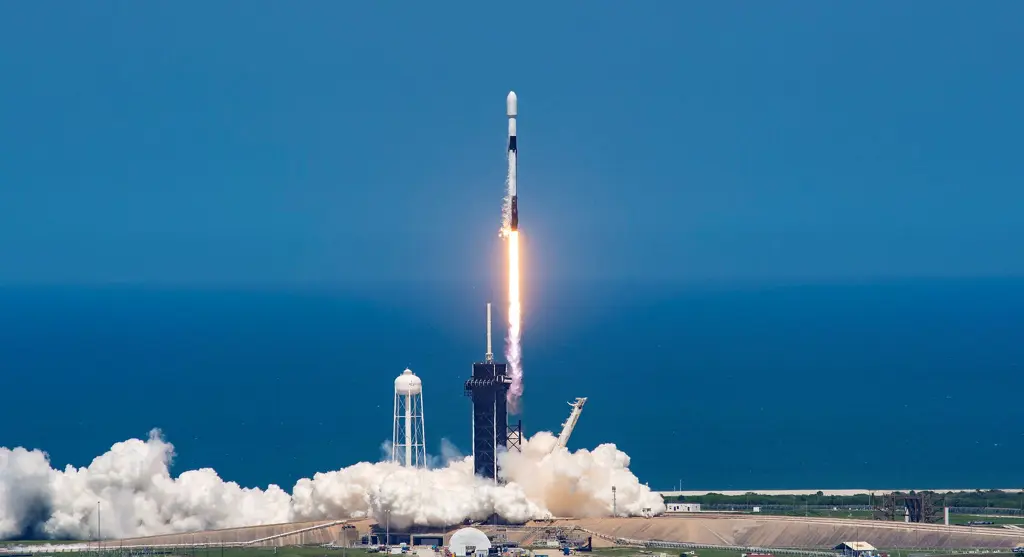
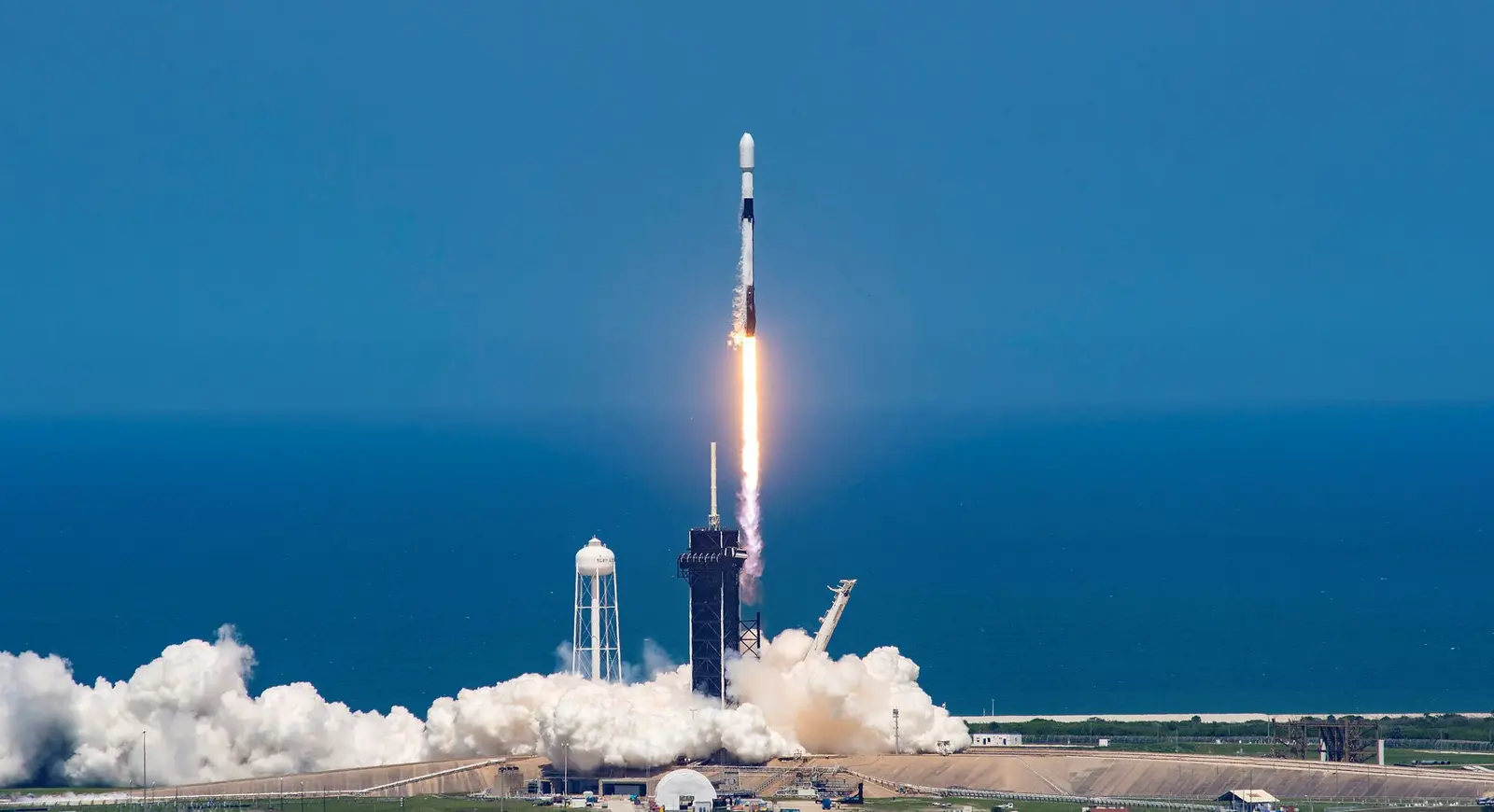
OperationalSpaceX's partially-reusable workhorse — the most-flown orbital rocket in history.
Falcon Heavy
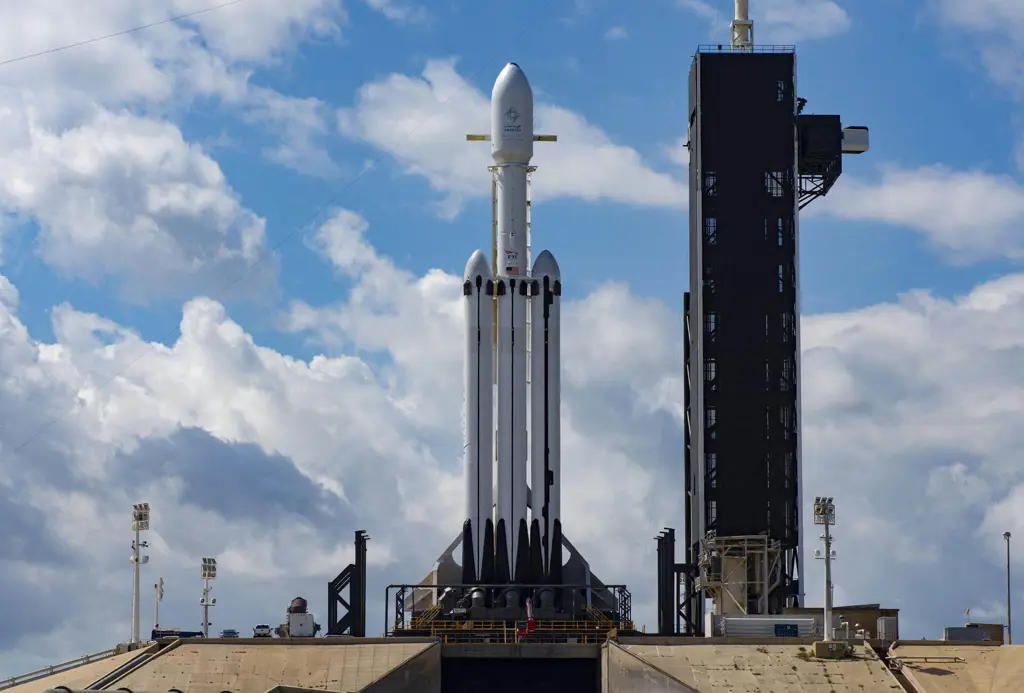
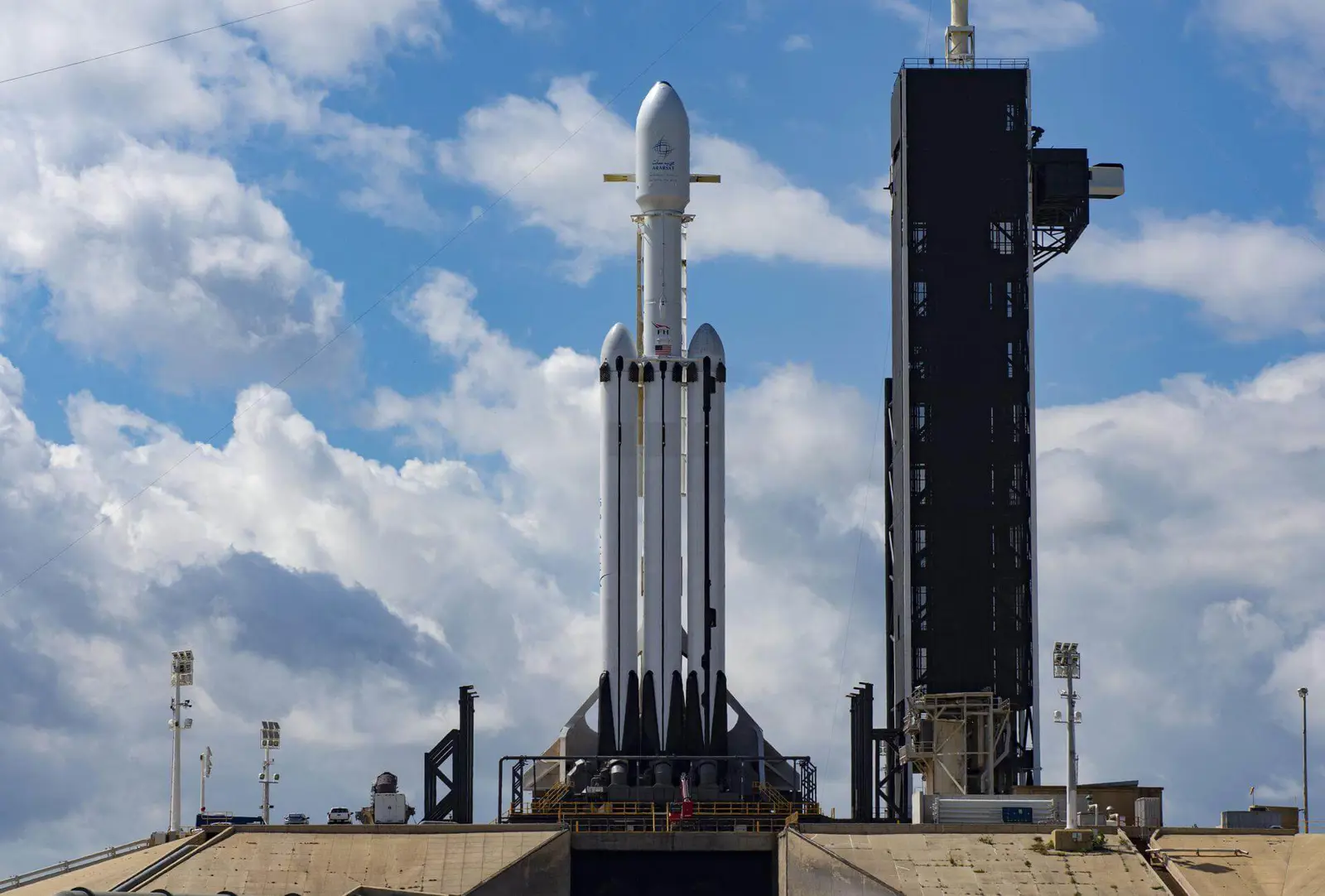
OperationalThree Falcon 9 cores strapped together — one of the most powerful operational rockets flying.
New Glenn
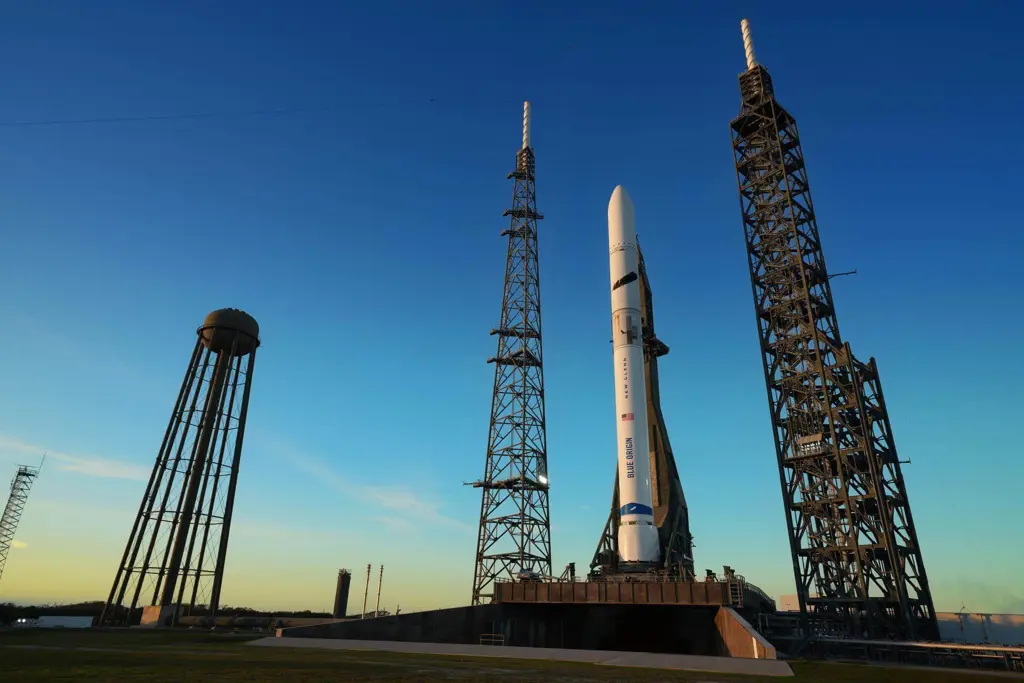
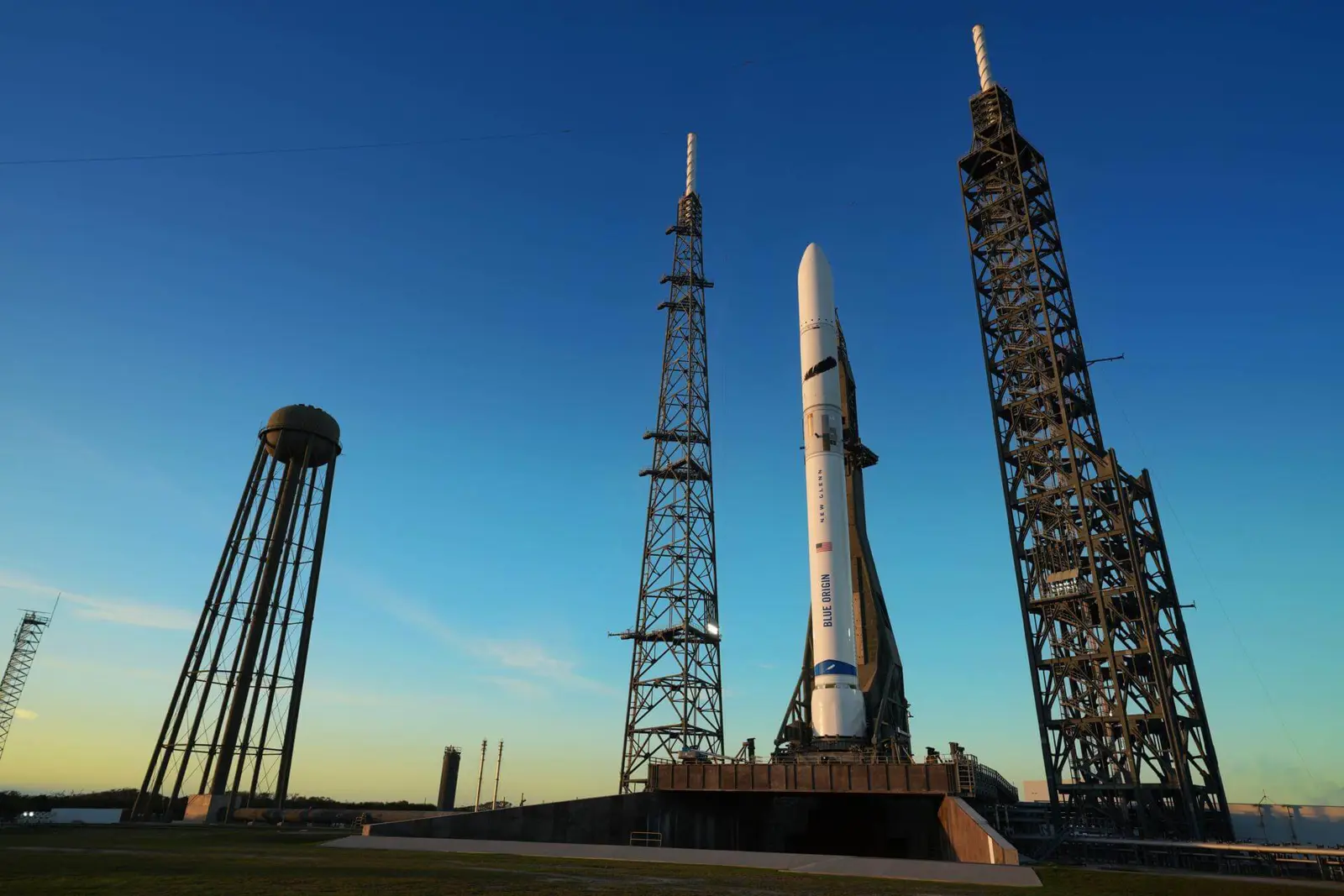
OperationalBlue Origin's reusable heavy-lift rocket, named for astronaut John Glenn.