Advanced logistics
The spacecraft that keep stations alive — delivering tonnes of cargo, propellant, and supplies to outposts in orbit.
Advanced Logistics Spacecraft
Advanced logistics spacecraft are uncrewed vehicles designed to deliver cargo, propellant, water, and atmospheric gases to orbital outposts, and in some concepts to destinations on Earth's surface. The class encompasses vehicles from ESA's Automated Transfer Vehicle and JAXA's H-II Transfer Vehicle to the commercially operated Cygnus and Dragon, as well as next-generation systems such as Sierra Nevada Corporation's Dream Chaser and Sierra Space's Ghost rapid-delivery spacecraft. These vehicles collectively sustain the International Space Station and China's Tiangong Space Station, and are being adapted to support future cislunar infrastructure under programmes such as Artemis.
The largest operational logistics vehicles — ATV, HTV, and Tianzhou — fall into the 6–8 tonne cargo class, combining pressurised dry cargo, bulk fluid delivery, and in most cases the ability to reboost a station's orbit. Commercial vehicles such as Cygnus typically deliver 3.5–5 tonnes per mission. An emerging category of rapid-response logistics spacecraft, exemplified by the Ghost concept, aims to pre-stage supplies in orbit for delivery anywhere on Earth within 90 minutes.
Historical development
The foundations of human-spaceflight logistics were laid during NASA's Apollo programme in the 1960s and early 1970s, which established the first comprehensive model for delivering crew, consumables, and equipment to the Moon and returning them safely. Skylab (1973–1974) extended this into station-centric logistics, with multiple Apollo/Saturn missions carrying crews, experiments, and repair hardware to a single orbital facility and demonstrating on-orbit maintenance.
The Space Shuttle, whose development formally began in 1972 and which first flew in April 1981, became NASA's first large reusable logistics spacecraft. Its payload bay enabled the transport and return of satellites and modules, and from 1998 it was modified to carry pressurised logistics modules (MPLMs) and unpressurised cargo carriers to the ISS. Shuttle delivered key station elements including the Destiny laboratory, the Quest airlock, and multiple truss segments, and on its final ISS flight in February 2011 it delivered the Permanent Multipurpose Module and Express Logistics Carrier 4.
After Shuttle retirement NASA shifted to commercially operated logistics services. The Commercial Orbital Transportation Services programme, initiated in 2006, produced SpaceX's Dragon — which flew its first operational ISS cargo mission in 2012 — and Northrop Grumman's Cygnus, which became operational in 2014. These vehicles replaced government-owned logistics craft with contracted services, a model that has since been extended through the Commercial Resupply Services (CRS) framework.
Major vehicle classes
ESA's Automated Transfer Vehicle (ATV) was one of the most capable logistics spacecraft of its era. It delivered pressurised cargo, propellant, water, and gas to the ISS; performed automatic rendezvous and docking with the Russian segment; and could reboost the station's orbit. A detailed NASA logistics breakdown gives its total upload cargo as 7,667 kg (16,903 lb), comprising 5,500 kg of dry cargo, 840 kg of water, 100 kg of atmospheric gases, 860 kg of refuelling propellant, and 4,700 kg of reboost propellant. ATV could also return up to 6,500 kg of waste to a destructive reentry and remain docked to the ISS for up to six months.
JAXA's HTV (Kounotori) delivered up to 6.5 metric tonnes of combined pressurised and unpressurised cargo per mission, with a pressurised cargo limit of approximately 3,500 kg and an unpressurised limit of approximately 1,500 kg, for a total launch mass of about 16.5 tonnes. Unlike ATV, HTV carried unpressurised external cargo for installation on the station's truss, though it did not perform reboost. After berthing it was filled with waste and sent to destructive reentry.
JAXA's successor vehicle, HTV-X, is designed to provide equal or better cargo capacity than HTV. Its pressurised module offers approximately 39 m³ of volume, accommodating up to 313 Cargo Transfer Bags. HTV-X can also remain in orbit and support extended post-delivery experimental operations for up to approximately 1.5 years after initial cargo handover, depending on mission design.
China's Tianzhou cargo spacecraft has a total mass of about 7 tonnes and a maximum payload of up to 6.5 tonnes, including pressurised cargo and propellant. It is approximately 10.6 m long and 3.35 m in diameter, divided into a cargo cabin for pressurised cargo and a propulsion cabin for orbit control and refuelling. Tianzhou operates in near-circular orbits at 380–420 km altitude and 41–42° inclination, can remain docked to the Tiangong station for up to approximately 365 days, and is capable of simultaneously transporting pressurised cargo, refuelling propellant, and small satellites of up to 24U equivalent.
Northrop Grumman's Cygnus is launched on the Antares rocket, which is rated for payloads of up to 8,000 kg to low Earth orbit. Individual Cygnus missions to the ISS have carried between approximately 3,600 kg and 5,000 kg of cargo depending on configuration. For example, the NG-13 mission carried 8,000 lb (approximately 3,600 kg) of supplies, while a 2026 Cygnus XL mission on Falcon 9 carried approximately 11,000 lb (about 5,000 kg) of science and supplies. Cygnus is also capable of performing ISS reboost, adding a propulsion function akin to that of ATV.
Sierra Nevada Corporation's Dream Chaser Cargo System, selected under NASA's CRS-2 contract, is designed to deliver simultaneously 5,500 kg of pressurised and unpressurised cargo to the ISS. It features runway landing and high reusability, enabling two-way cargo transport.
Sierra Space Ghost — rapid global delivery concept
Sierra Space is developing a spacecraft called Ghost as a reusable logistics vehicle intended to pre-stage or rapidly launch supplies to Earth orbit and subsequently return payloads to any point on Earth in 90 minutes or less. Ghost operates either as a pre-staged supply system held in orbit ready for deorbit on demand, or as a rapidly launched vehicle that ascends, collects or carries payload, and then returns.
A current test article carries approximately 150 kg of payload. Under the REGAL contract study, the concept is being scaled to a payload capacity of 5 or 10 metric tonnes. Ghost is designed for an on-orbit lifespan of approximately five years as a pre-staged logistics system. Unlike conventional station-resupply vehicles, Ghost is aimed at global logistics delivery rather than space-station resupply, with a target delivery time of 90 minutes or less to any location on Earth after deorbit and reentry. Detailed mass breakdown figures for the 5–10 tonne versions remain in the conceptual study phase.
Propulsion and docking systems
Advanced logistics spacecraft typically combine high-efficiency electric propulsion for long-duration orbit transfers and station-keeping with chemical propulsion for high-thrust manoeuvres during rendezvous, docking, and emergency collision avoidance. Ion thrusters and Hall-effect thrusters offer specific impulses in the range of roughly 3,000–5,000 seconds and are widely used for orbit raising and fine orbit control; over 200 spacecraft have used ion thrusters since the 1960s. Chemical systems — monopropellant hydrazine for attitude control and small burns, bipropellant (e.g. MMH/NTO) for larger delta-v — provide the rapid thrust response needed during final approach and capture.
Cold-gas thrusters are commonly employed in the terminal proximity-operations phase, where contamination or plume impingement on the station must be minimised. Rendezvous guidance, navigation, and control relies on relative navigation sensors such as laser ranging, optical cameras, radar, and GNSS-based systems, combined with onboard guidance software and attitude control thrusters. Docking mechanisms use androgynous or compatible adapters with latches and alignment guides capable of tolerating misalignments and sustaining structural loads during cargo transfer and reboost operations.
For future deep-space or interplanetary logistics missions, nuclear thermal propulsion is under study; it offers specific impulse in the range of approximately 900 seconds with relatively high thrust, enabling faster transfers than chemical systems. Nuclear electric propulsion, which uses a reactor to power high-Isp electric thrusters, is also considered for high-mass cargo missions requiring sustained thrust over long durations.
Key Milestones
- 1960s–early 1970sApollo and Skylab logistics foundations
Apollo programme establishes the first comprehensive human-spaceflight logistics model. Skylab (1973–1974) demonstrates station-centric logistics with multiple resupply missions and on-orbit repair.
- April 1981Space Shuttle first flight (STS-1/Columbia)
The Shuttle becomes NASA's first large reusable logistics spacecraft, capable of carrying approximately 9,100 kg to orbit and enabling both delivery and return of cargo.
- 1998 onwardISS multi-vehicle logistics network
ISS assembly drives a multi-agency logistics architecture incorporating Progress, Soyuz, Shuttle, HTV, ATV, and later Dragon, Cygnus, and Starliner.
- 2006NASA Commercial Orbital Transportation Services (COTS) initiated
NASA initiates COTS to create commercial cargo vehicles for ISS, shifting from government-owned spacecraft to contracted logistics services.
- 2012SpaceX Dragon first operational ISS cargo flight
Dragon begins Commercial Resupply Services flights, introducing two-way cargo transport — delivery and return of experiments and equipment.
- 2014Cygnus enters operational service
Northrop Grumman's Cygnus becomes operational for ISS cargo, with continuous logistics flights delivering supplies and later adding reboost capability.
Deep-space and Artemis-era logistics
NASA's Artemis programme requires new logistics architectures for sustained lunar presence, including cargo landers and delivery vehicles to the lunar surface and resupply of the planned Lunar Gateway. NASA has formal policy requiring programme life-cycle logistics support, integrating supportability and logistics considerations into design from early phases. In the Space Launch System era, NASA has established cross-programme Logistics Integration Teams and defined Logistics Support Dates as part of advanced logistics planning — for example, an SLS Logistics Support Date cited as 15 April 2017. These efforts extend logistics from ISS operations to cislunar and deep-space missions, emphasising automated systems, long resupply chains, and robust Integrated Logistics Support.
Frequently Asked Questions
Related
International Space Station
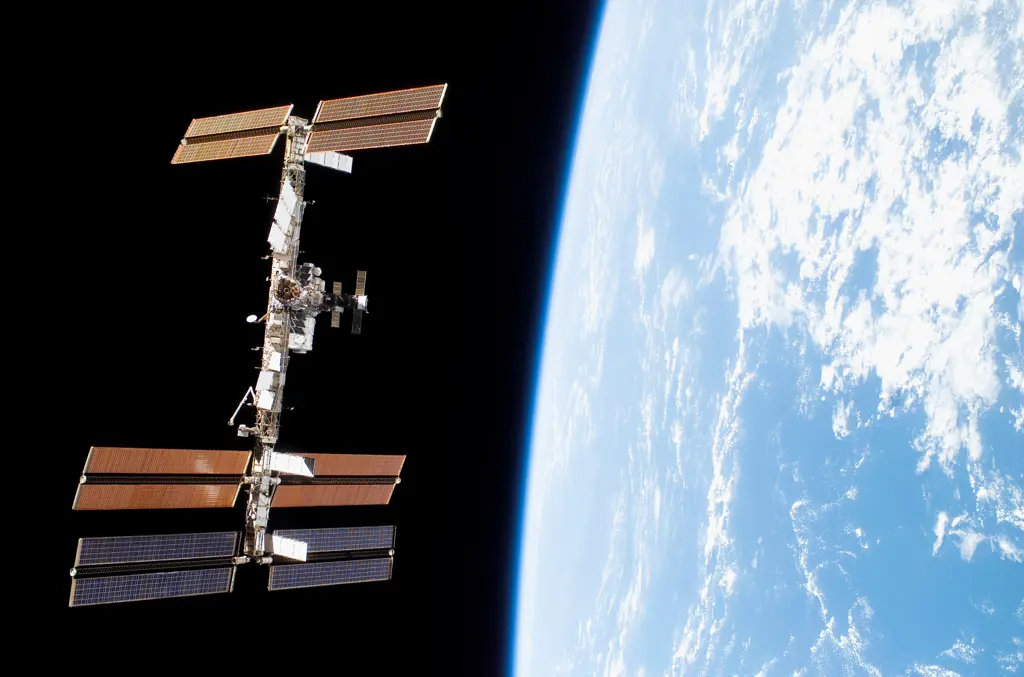
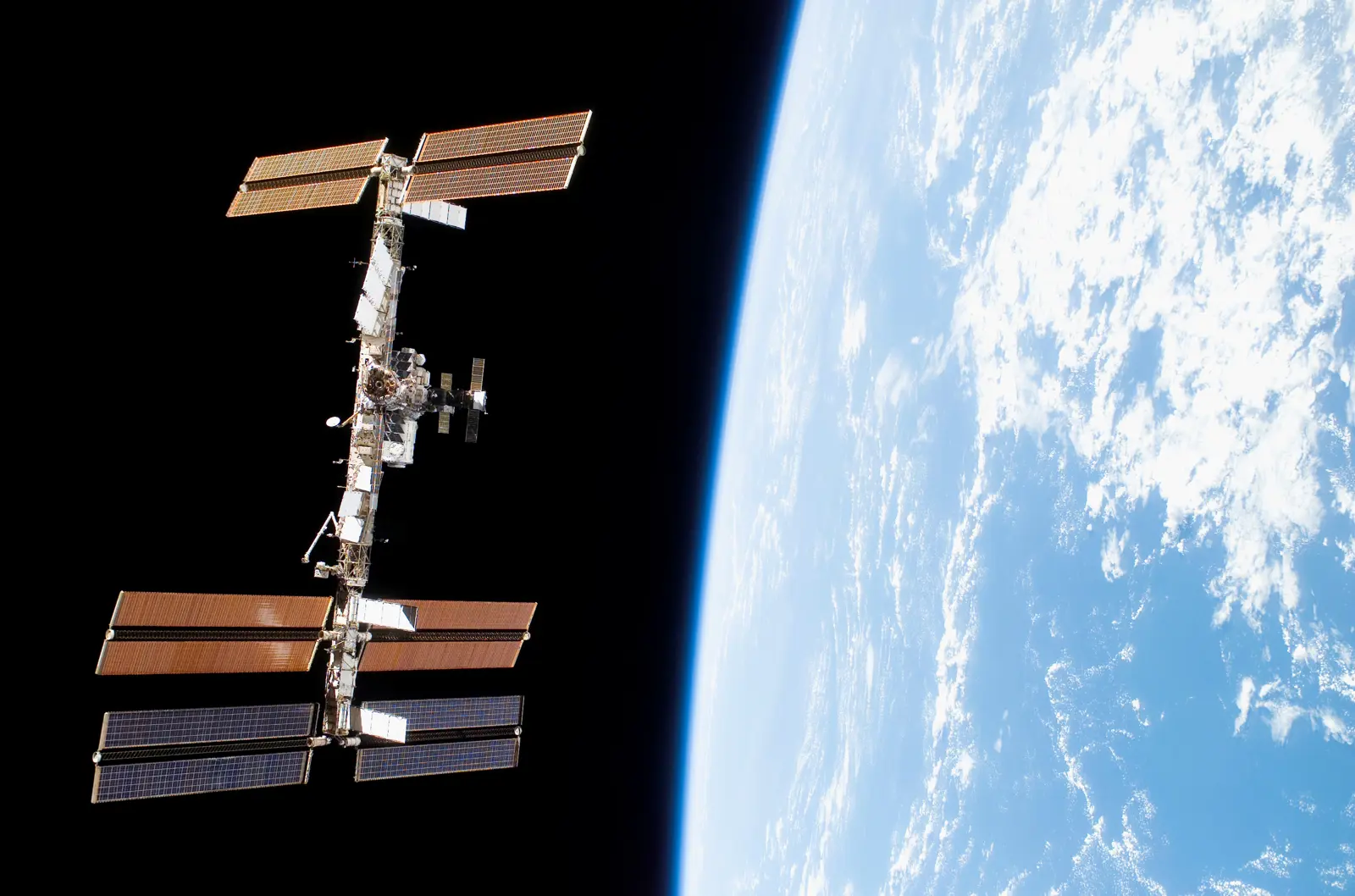
Humanity's permanent outpost in low Earth orbit — a football-field-sized laboratory that has hosted nearly 300 people from 26 countries without interruption since November 2, 2000.
Tiangong Space Station
China's permanently crewed modular space station in low Earth orbit — humanity's newest long-duration outpost among the stars.
Artemis Program
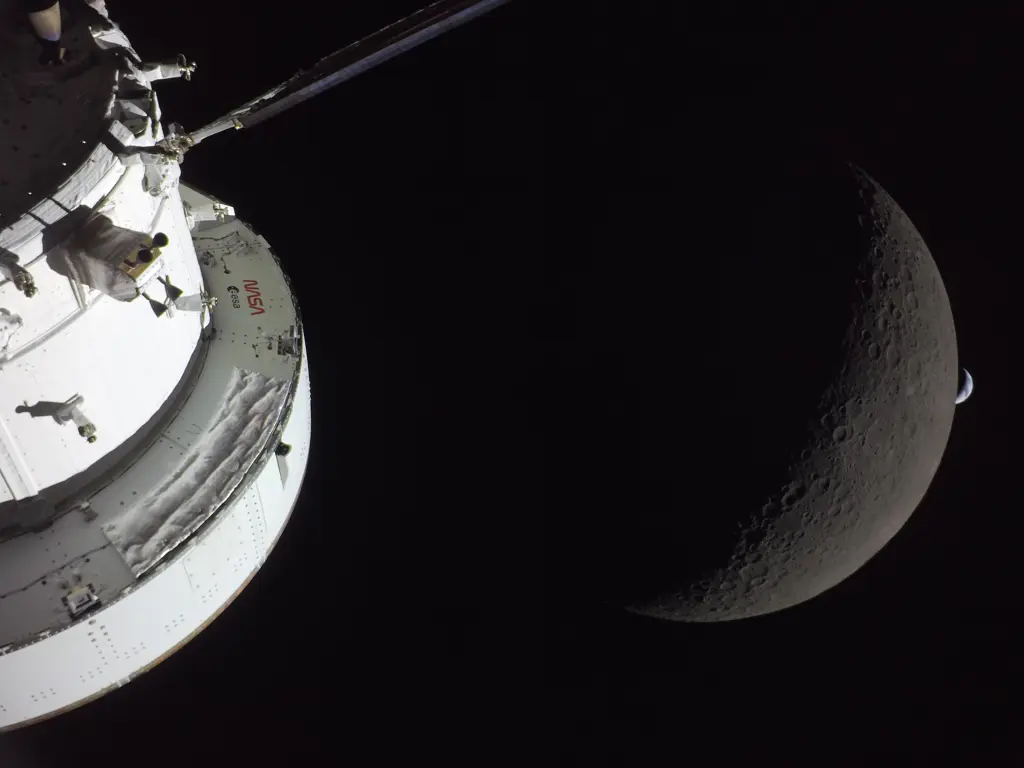
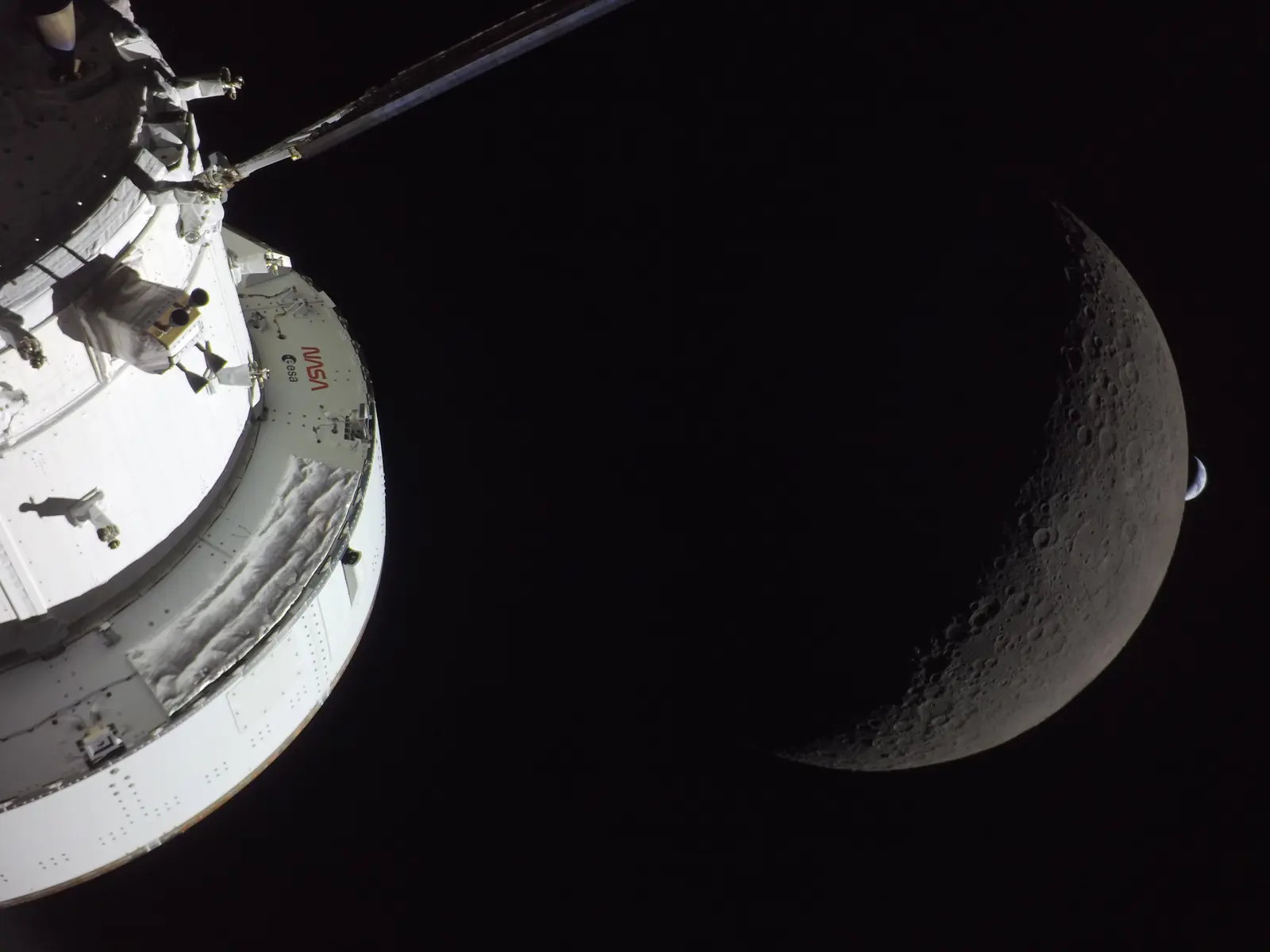
OperationalReturning humans to the Moon — to stay
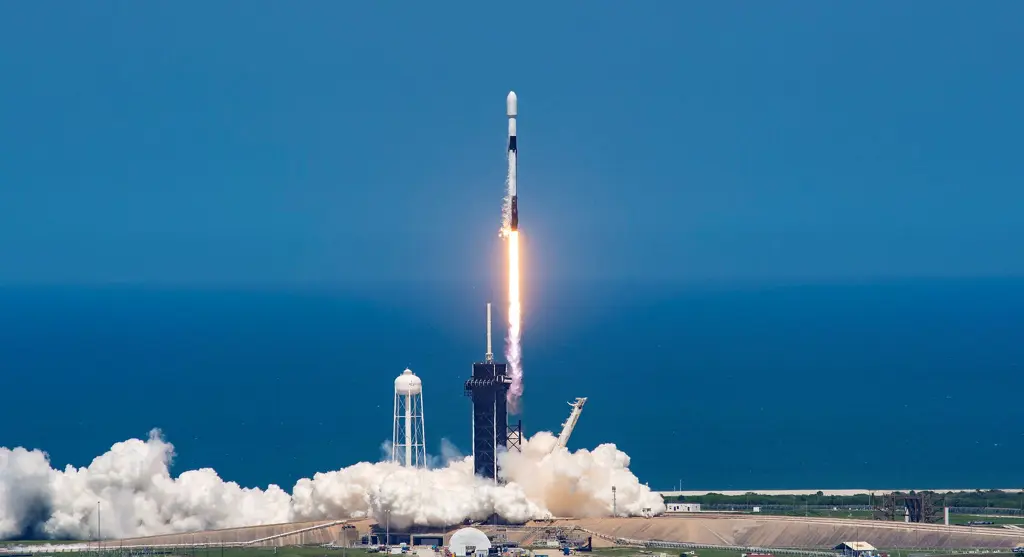
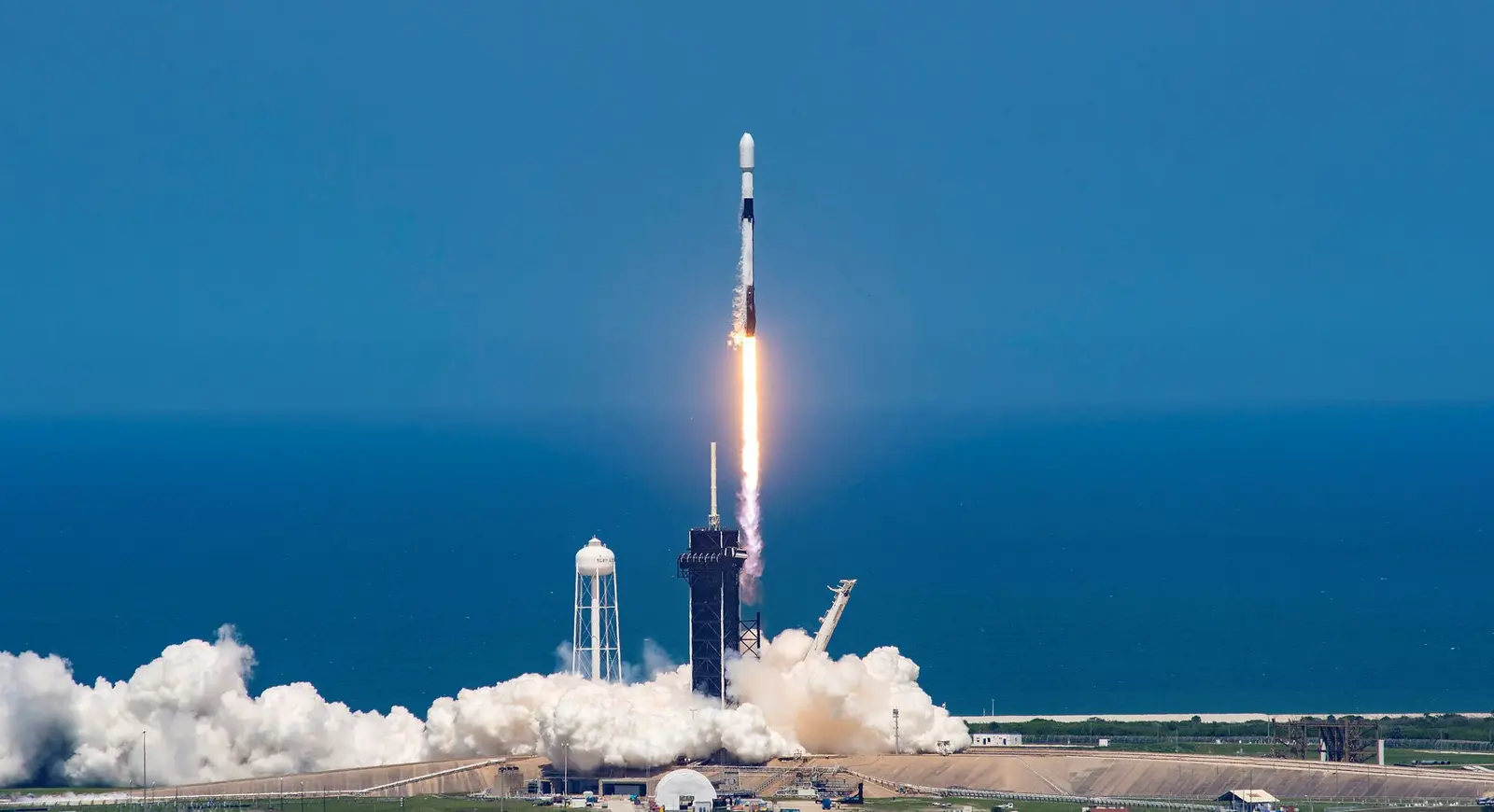
Falcon 9
OperationalSpaceX's partially-reusable workhorse — the most-flown orbital rocket in history.
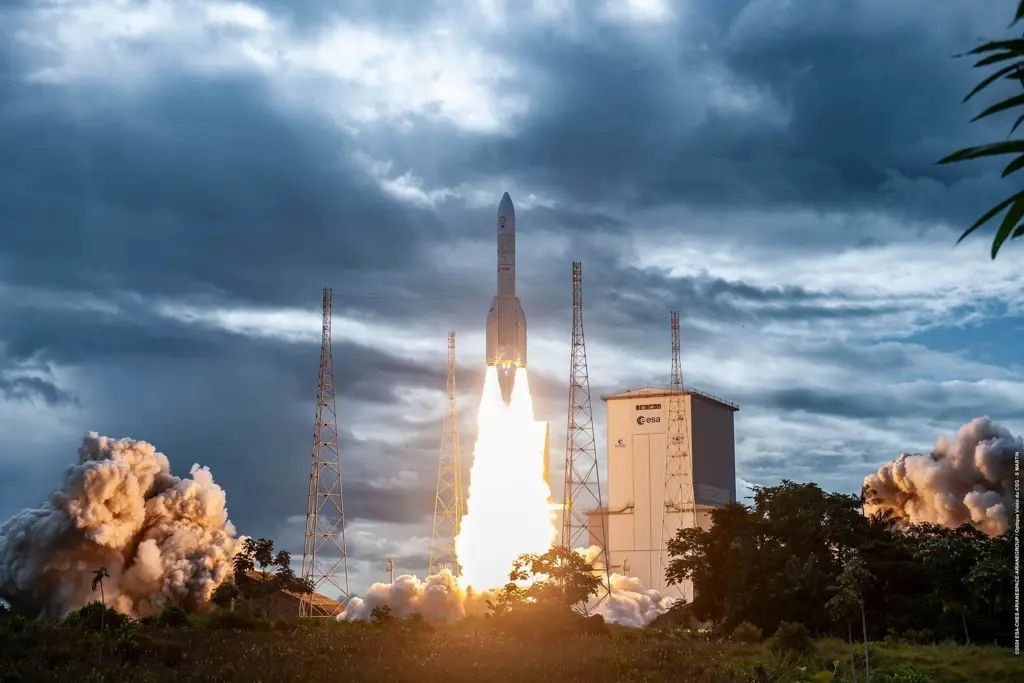
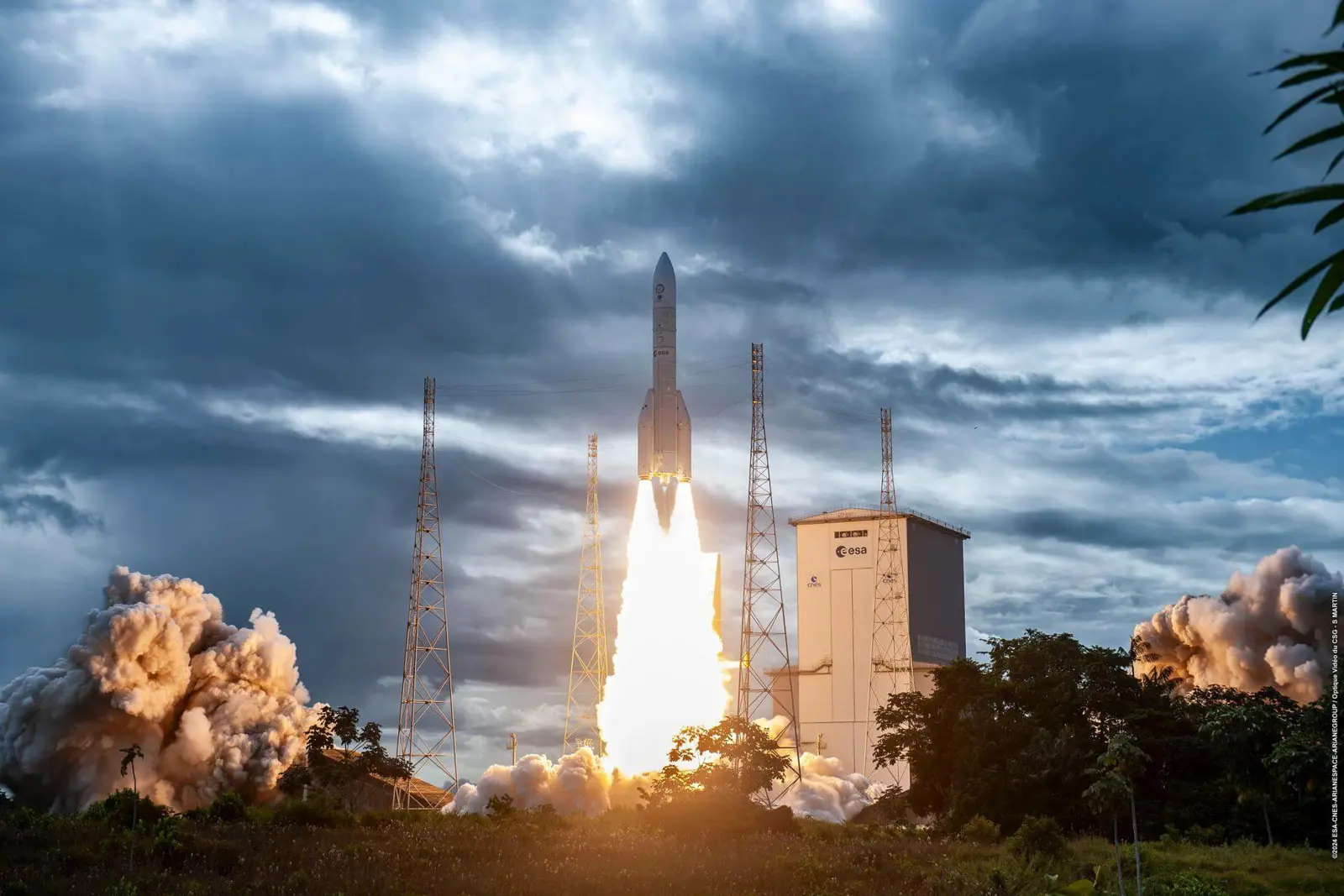
Ariane 6
OperationalEurope's new heavy-lift rocket, successor to the long-serving Ariane 5.
Sources
- Leveraging Existing Space Assets for Delivery of Cargo to the ISS (ULA PDF)
- Research and Development of the Tianzhou Cargo Spacecraft (Science Partner Journal)
- Sierra Space Ghost: Revolutionizing Global Logistics
- Special Delivery: Zip Code SPACE — Northrop Grumman Cygnus
- Development Status and Future Plans of Next Generation Cargo Transportation System HTV-X (MHI PDF)
- International Space Station Visiting Vehicles — NASA
- Automated Transfer Vehicle — Wikipedia
- Commercial Resupply Services — Wikipedia
- NASA Selects Sierra Nevada Corporation's Dream Chaser for CRS-2
- NG-13 Cygnus Begins ISS Chase with 8,000 Pounds of Cargo
- NASA Space Rocket Logistics Challenges (NASA NTRS PDF)
- Space Shuttle program — Wikipedia
- Recent innovations to advance space electric propulsion technologies (ScienceDirect)
- In-Space Propulsion — NASA Small Spacecraft Technology
- HTV-8 — eoPortal