Cargo return
How tonnes of science, hardware, and samples make it back from the space station to Earth — and why only one vehicle can do it.
Cargo return from the space station
Cargo return is the capability to bring scientific samples, experiment hardware, and equipment back to Earth intact from an orbiting space station. Since the retirement of the Space Shuttle, this capability has been provided operationally to the International Space Station exclusively by SpaceX's Cargo Dragon spacecraft under NASA's Commercial Resupply Services (CRS) programme.
Unlike other current ISS cargo vehicles — Northrop Grumman's Cygnus and the Russian Progress — Cargo Dragon is designed to survive atmospheric reentry and recover its pressurized cargo intact. The spacecraft can return up to approximately 3,000 kg of pressurized cargo per mission, though typical flown return loads have been in the range of 2,300–2,500 kg.
Returned cargo includes biological specimens, materials science samples, life-support hardware requiring refurbishment, and other ISS equipment. The ability to return this material to Earth laboratories for post-flight analysis is a central driver of the ISS research programme.
The Commercial Resupply Services programme
NASA's Commercial Resupply Services contracts, awarded to commercial providers, specify both delivery of cargo to the ISS and the return of pressurized downmass to Earth. The original CRS-1 contracts targeted annual capabilities of approximately 14,000–17,000 kg of cargo delivered and returned or disposed of per year, with 55–70 m³ of pressurized volume per year. Up to 4,000 kg of unpressurized cargo disposal per year was also specified.
Two providers have participated in CRS: SpaceX with Cargo Dragon, launched on the Falcon 9, and Orbital ATK (later Northrop Grumman) with Cygnus. Cygnus delivers cargo to the station but is not designed to return to Earth; it performs a destructive reentry loaded with waste. Only Dragon provides meaningful downmass return.
NASA describes the programme as having restored American capability to deliver and return ISS cargo after the retirement of the Space Shuttle — a capability that had previously been unique to the Shuttle's payload bay. The CRS-2 contracts, covering missions from 2019 onward, continue to include cargo return as a core requirement.
What gets returned
Returned cargo falls into two broad categories: scientific downmass and operational downmass.
Scientific downmass encompasses biological samples, materials science coupons, fluid and combustion samples, and other experiment results that must be analyzed in Earth laboratories. Representative examples from recent CRS missions include bioprinted organ and cartilage tissue, DNA-inspired materials for cancer research, wound-healing tissue samples, cryogenic fuel storage experiment data, plant growth chambers, and radiation protection vest evaluations. CRS-33, for example, returned more than 55 investigations including materials aging tests and stem-cell studies.
Operational downmass covers ISS hardware returned for teardown, fault analysis, refurbishment, and potential reuse. CRS-22 returned life-support hardware including a catalytic reactor, a urine processing assembly distillation unit, a Sabatier controller, rodent habitat hardware, and gas tanks. Other missions have returned failed equipment such as experiment incubator drawers for recertification. Returning hardware rather than discarding it allows engineers to diagnose in-orbit failures and prepare replacement units.
The return sequence: from undocking to laboratory
In the days before undocking, ISS crew and NASA payload teams load science samples and hardware into Cargo Dragon's pressurized volume, working within mass and center-of-gravity limits. The upgraded Cargo Dragon has double the powered locker capacity of earlier versions, allowing more biological experiments to be kept at controlled temperatures throughout the return.
At a scheduled time, the unpiloted capsule autonomously undocks from its docking port — typically the forward port of Harmony — and executes a series of small thruster burns to exit the station's keep-out sphere and approach ellipsoid. This places Dragon on an independent trajectory clear of the ISS.
Once positioned correctly in its orbit, Dragon performs a deorbit burn using its Draco thrusters, lowering perigee into the atmosphere. The capsule then reenters protected by its PICA-X heat shield. After reentry, drogue parachutes deploy followed by main parachutes, and Dragon splashes down in the ocean — either in the Pacific off Southern California or in the Atlantic off Florida, depending on mission profile. Atlantic splashdowns, introduced with newer CRS missions, reduce transit time to Kennedy Space Center.
SpaceX recovery vessels are pre-positioned near the landing zone. After splashdown, small fast boats approach the capsule, retrieve parachutes, and conduct hypergolic propellant safety checks before teams rig Dragon to the ship's hoist and lift it onto the deck. For time-critical scientific payloads, a helicopter transfers the highest-priority cargo directly from the recovery ship to shore, with delivery to Kennedy Space Center's Space Station Processing Facility minimizing exposure to Earth gravity and temperature changes. From there, samples are distributed to principal investigators at universities, research institutes, and NASA centers.
Dragon versus non-returning vehicles
Three families of uncrewed cargo spacecraft have served the ISS: Dragon, Cygnus, and Progress. Their return capabilities differ fundamentally.
Dragon is currently the only operational uncrewed cargo vehicle that returns significant downmass from the ISS. The original Dragon 1 flew CRS-1 through CRS-20 from 2012 to 2020. The upgraded Cargo Dragon 2 began with CRS-21 in December 2020, offering higher cargo capacity and improved powered locker facilities. Both variants dock or berth with the station, are loaded with return cargo, and splash down under parachutes for ocean recovery.
Northrop Grumman's Cygnus delivers cargo to the station but does not return to Earth. After departure, it performs a destructive reentry loaded with waste. Cygnus missions have also demonstrated the ability to support station reboost operations. The Russian Progress — the first cargo vehicle to dock with the ISS, in August 2000 — likewise does not return cargo; it is destroyed on reentry after carrying waste away from the station. Soyuz, though primarily a crew vehicle, carries small amounts of supplies and can return modest quantities of samples as part of crewed missions, but it is not operated as a dedicated cargo-return freighter.
Key events in ISS cargo return
- Aug 8, 2000First ISS cargo docking
A Russian Progress spacecraft docked with the International Space Station — the first cargo vehicle to do so. Progress does not return cargo to Earth.
- May 12, 2012First Dragon cargo mission launches
SpaceX's Dragon 1 lifted off on the first Commercial Resupply Services mission, becoming the first commercial spacecraft to deliver and return cargo from the ISS.
- 2012–2020Dragon 1 CRS operations
Dragon 1 flew CRS-1 through CRS-20, routinely returning scientific samples and hardware from the ISS via Pacific Ocean splashdowns.
- Dec 2020Cargo Dragon 2 debuts (CRS-21)
The upgraded Dragon 2 cargo variant flew its first CRS mission, returning approximately 2,359 kg of research and cargo. The new vehicle offers higher capacity and double the powered locker space of its predecessor.
- 2021CRS-22 returns life-support hardware
Cargo Dragon returned ISS life-support hardware including a catalytic reactor, urine processing assembly distillation unit, and Sabatier controller for teardown and refurbishment, alongside science samples.
- 2026CRS-33 and CRS-34 return packed science
CRS-33 returned more than 55 investigations including stem-cell studies and materials aging tests. CRS-34 returned bioprinted tissue, cryogenic fuel storage data, and DNA-inspired materials, described by NASA as among the most research-packed CRS returns.
Frequently asked questions
Related
International Space Station
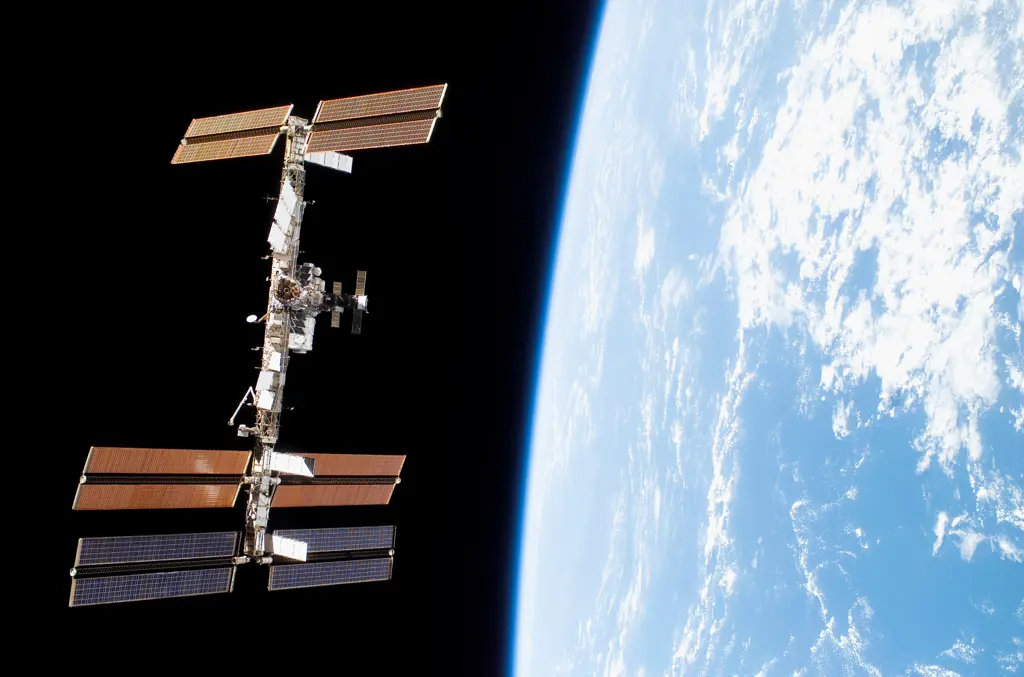
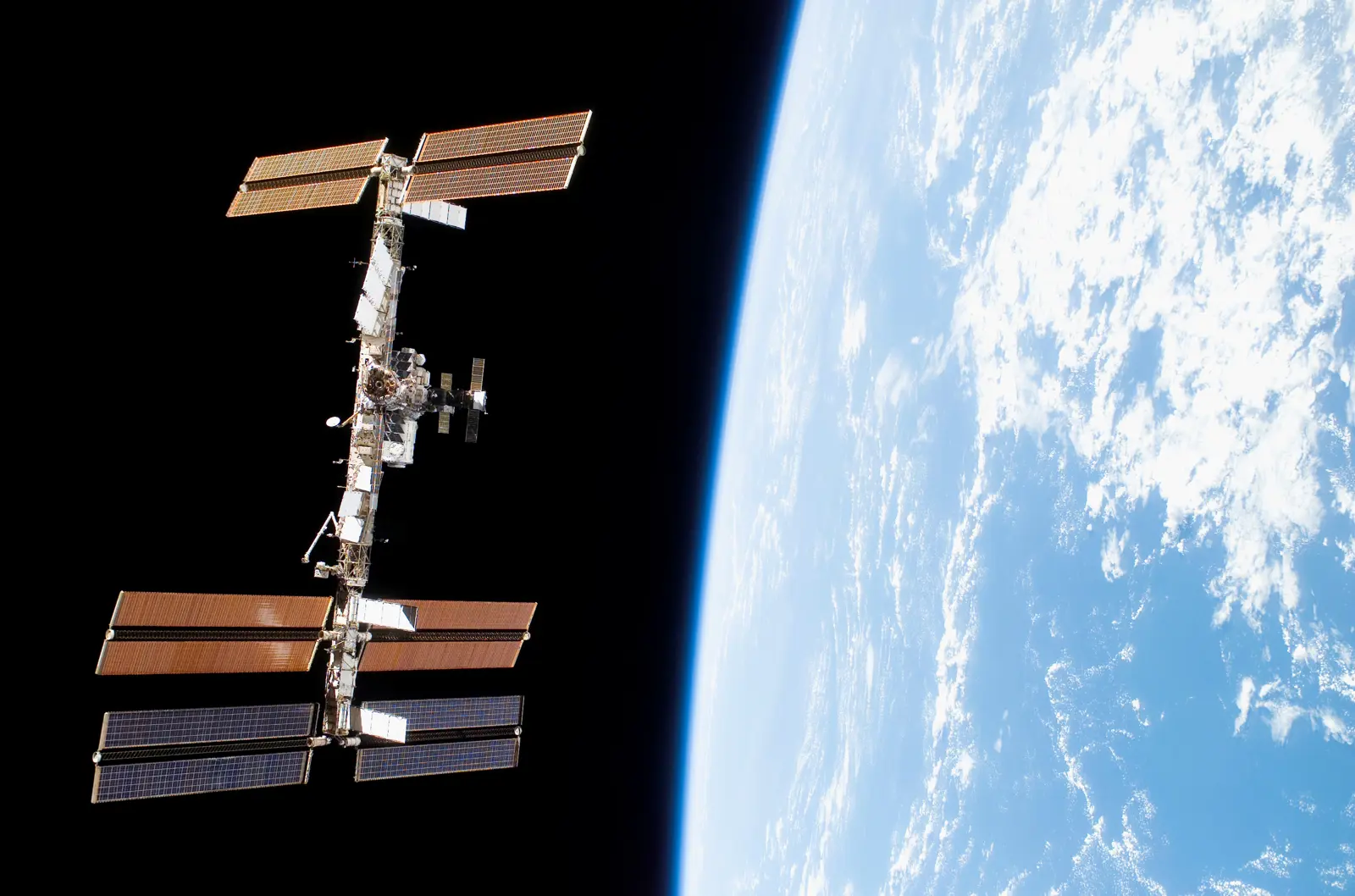
Humanity's permanent outpost in low Earth orbit — a football-field-sized laboratory that has hosted nearly 300 people from 26 countries without interruption since November 2, 2000.
Falcon 9
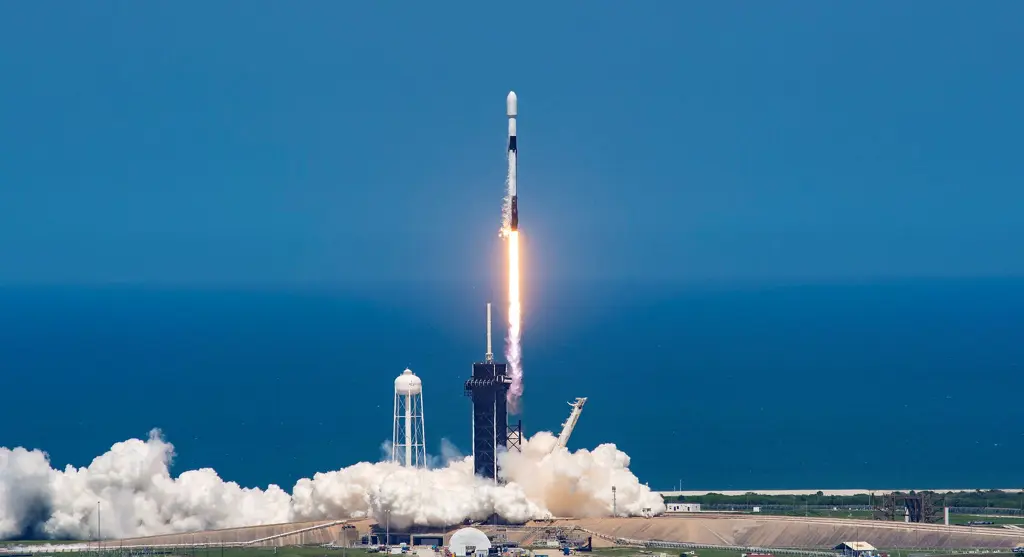
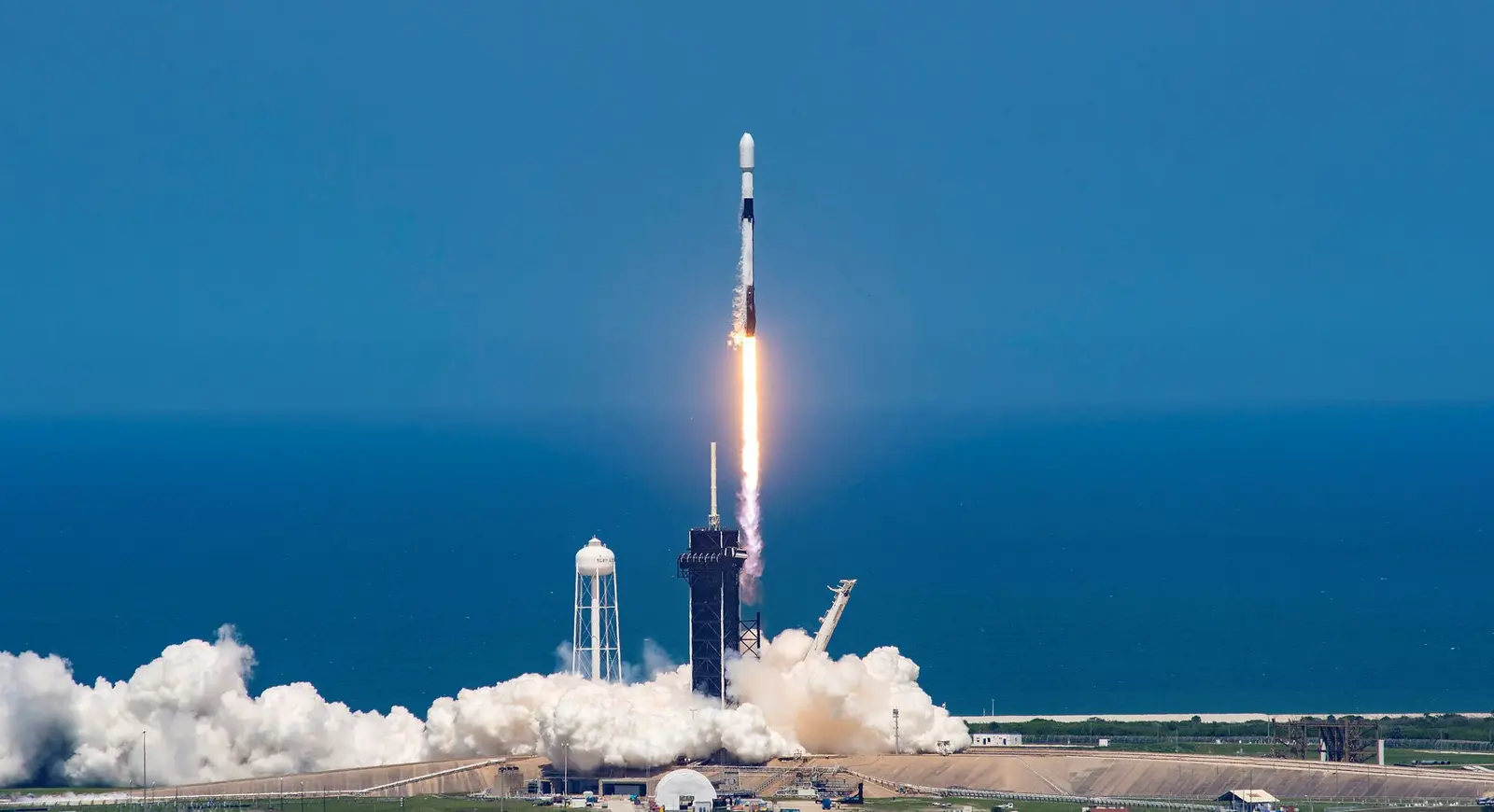
OperationalSpaceX's partially-reusable workhorse — the most-flown orbital rocket in history.
Artemis Program
OperationalReturning humans to the Moon — to stay
Sources
- SpaceX Cargo Dragon — ISS Resupply Spacecraft | Orbital Radar
- SpaceX Dragon 2 - Wikipedia
- SpaceX CRS-22 Mission Overview — NASA (PDF)
- ISS: SpaceX CRS-21 — eoPortal
- Commercial Resupply Services Overview — NASA
- Commercial Resupply Services - Wikipedia
- NASA's SpaceX CRS-34 Dragon Returns Packed with Space Station Science — NASA
- SpaceX CRS-33 return brings back ISS National Lab research
- Scientific Samples, Hardware Return from the Space Station — NASA
- Home again! SpaceX Dragon cargo capsule splashes down — Space.com
- SpaceX Dragon safely returns research-based cargo from ISS — Federal Laboratory Consortium
- NASA, SpaceX 31st Commercial Resupply Mission Overview — NASA
- SpaceX Dragon Recovery Program — spaceOFFSHORE