Fission surface power
A nuclear fission reactor for the lunar surface — delivering continuous 40-kilowatt-class power through the long lunar night to support Artemis and beyond.
Fission Surface Power
Fission Surface Power (FSP) is a joint NASA and U.S. Department of Energy (DOE) program to develop a compact nuclear fission reactor capable of delivering continuous electrical power on the surface of the Moon. Unlike solar arrays, a fission reactor operates regardless of sunlight, making it uniquely suited to survive the approximately 14-Earth-day lunar night and to support operations at the lunar south pole, where sunlight is intermittent.
The program's publicly stated baseline target through 2024 is a 40-kilowatt-electric (kWe) class reactor weighing no more than 6 metric tons, fueled by High-Assay Low-Enriched Uranium (HALEU), and capable of operating for ten years without human intervention. NASA describes this output as roughly equivalent to powering about 30 average U.S. households for a decade.
FSP builds directly on the Kilopower project (2015–2018), which culminated in the KRUSTY full-scale nuclear test at the Nevada National Security Site. Where Kilopower validated 1–10 kWe concepts with a highly enriched uranium core, FSP scales the architecture to the 40 kWe class needed for crewed Artemis surface infrastructure and later Mars applications.
In June 2022, NASA and DOE selected three industry teams for Phase 1 concept design contracts of approximately $5 million each. Phase 2 — an open competitive solicitation for the final lunar demonstration reactor — was planned for 2025, with delivery to the launch pad targeted for the early 2030s.
Why fission power for the Moon
The lunar surface presents a severe power challenge for sustained human presence. A lunar night lasts approximately 14 Earth days, during which temperatures plunge and solar panels produce no electricity. Missions that rely solely on solar power and batteries must carry enormous energy storage systems or shut down critical equipment. At the lunar south pole — the priority target for the Artemis program because of suspected water ice deposits — extended periods of shadow make solar architectures particularly problematic.
A fission reactor solves this by providing base-load power continuously, independent of the Sun's position. NASA and DOE have described FSP as a means to power habitats, in-situ resource utilization (ISRU) systems, rovers, and communications equipment without interruption. A 40 kWe system would supply enough electricity to sustain crewed surface operations across the full lunar day–night cycle, and the same architecture is considered extensible to future Mars surface missions.
Heritage: SNAP-10A and the Kilopower program
The United States launched its only operational space fission reactor, SNAP-10A, in April 1965. The sodium-potassium cooled fast reactor delivered approximately 500 watts of electrical power and operated for 43 days before a non-reactor electrical failure ended the mission. No U.S. fission reactor flew in space after SNAP-10A for decades.
The modern lineage of FSP begins with the DUFF (Demonstration Using Flattop Fissions) experiment in 2012, conducted by NASA and DOE at the Nevada National Security Site (NNSS). DUFF used an existing critical assembly called Flattop and, for the first time, a heat pipe to transfer thermal energy from a uranium source to a Stirling engine, generating approximately 24 watts of electrical power. Though small in scale, DUFF validated the core architecture: a compact solid uranium fuel source, passive heat pipes, and Stirling converters.
NASA's Space Technology Mission Directorate (STMD) formally started the Kilopower project in 2015 under its Game Changing Development program. The three-year project aimed to mature a 1–10 kWe fission power technology to Technology Readiness Level 5 by 2017. Development proceeded through non-nuclear tests using an electrical heater and a depleted uranium core, followed by full nuclear testing with a highly enriched uranium (HEU) core.
The Kilopower Reactor Using Stirling Technology (KRUSTY) experiment was conducted from November 2017 through March 2018 at NNSS. It used a approximately 30-kilogram, coffee-can-sized HEU core (approximately 93% U-235) fabricated at Y-12 in Oak Ridge, Tennessee. The test progressed through four phases ending with a 28-hour full-power run that included startup, ramp to full power, steady operation, deliberate simulation of failed engines and failed heat pipes, and controlled shutdown. The results confirmed the integrated reactor–heat-pipe–Stirling system's inherent stability and passive safety. NASA publicly announced the successful results on 2 May 2018 at Glenn Research Center. The Kilopower project formally ended in 2018.
From Kilopower to Fission Surface Power
NASA describes Fission Surface Power as a project that "expands on the efforts of the agency's Kilopower project, which ended in 2018." The transition involved both a scale increase — from 1–10 kWe concepts to a ~40 kWe surface power plant — and a fuel type change enabled by a parallel DOE study.
A 2016 memorandum of understanding (MOU) between NASA and DOE established the basis for joint work on space nuclear power, including surface reactors. An October 2020 NASA–DOE MOU expanded this framework, creating dedicated working groups on space nuclear power and propulsion and explicitly supporting a lunar fission surface power system. A DOE reactor study completed in March 2020 demonstrated that low-enriched uranium (LEU) reactor concepts could achieve approximately the same mass as HEU Kilopower-class designs. This finding enabled the shift from HEU to LEU for FSP, addressing proliferation policy concerns without significant performance penalties.
In 2021, DOE issued a Request for Proposal to U.S. companies for design concepts for a fission surface power system that could be ready to launch within about a decade. In June 2022, NASA and DOE selected three industry teams for Phase 1 concept design contracts, marking the transition from government-only concept work to industry-led detailed design. FSP is now part of NASA's Exploration Systems Development Mission Directorate, explicitly linked to Artemis and lunar surface infrastructure.
System design
The FSP reference design is a liquid-metal cooled reactor using uranium dioxide (UO₂) fuel, operating at a thermal power of approximately 1 MWt to deliver 40 kWe of electrical output. The reactor operates at a coolant outlet temperature of approximately 900 K. Fuel burnup is planned at less than 1% over a design life of 5–8 years in early reference concepts, extended to 10 years in current program requirements, chosen to limit fuel swelling from fission product gas accumulation.
Each complete FSP system encompasses four contractor-provided subsystems: the reactor itself, a power conversion system, a heat rejection system, and power management and distribution (PMAD). Designs must operate autonomously with limited or no on-site human maintenance.
For power conversion, Stirling dynamic converters are the primary technology in the baseline reference design. Stirling engines receive heat at approximately 850 K from the reactor's liquid-metal loop. Reference hardware included a full-scale 12 kWe Stirling power conversion unit, with individual engines rated at approximately 10 kWe each. Waste heat from the Stirling cold end is transported by pressurized water to radiators that reject it to space.
Brayton cycle converters are identified as a viable alternative to Stirling engines, particularly for power levels above approximately 50 kWe where Brayton offers higher cycle efficiency. Lockheed Martin's FSP team, for example, has focused development on Brayton engines for higher-power applications. NASA's 2024 Request for Information exploring a potential 100 kWe follow-on system explicitly specified a closed Brayton cycle, citing risk reduction and extensibility to higher power systems as rationale.
The Kilopower architecture, retained as a design heritage reference, differs from the larger FSPS reference in using passive heat pipes — rather than a pumped liquid-metal loop — to transport heat from the uranium core to the Stirling convertors. The KRUSTY core used a 23-kilogram enriched uranium core with a reflector, a single control rod, radiation shielding, and heat pipes connected directly to free-piston Stirling engines. This simpler architecture was well suited to the 1–10 kWe scale.
Major FSP subsystems
- Fission Reactor Module
Uranium fission core generating ~1 MWt of thermal power from HALEU fuel; liquid-metal cooled at ~900 K outlet temperature; no moderator required.
- Power Conversion System
Converts reactor heat to electricity via Stirling engines (~850 K hot end, ~10 kWe per engine) or Brayton cycle turbomachinery; full-scale reference unit rated at 12 kWe.
- Heat Rejection System
Carries waste heat from power converters to space radiators using pressurized water as the transport fluid; radiators sized for full-power operation.
- Power Management and Distribution
Conditions and distributes 40 kWe of electrical output to surface loads; must support autonomous operation across 10-year mission.
2022 concept design contractors
Lockheed Martin
Jun 2022Lead contractor; partnered with BWX Technologies (nuclear reactor and fuel) and Creare (specialized engineering). Exploring Brayton engines for power conversion at ≥50 kWe levels.
Westinghouse
Jun 2022Lead contractor partnered with Aerojet Rocketdyne. Developing a 40 kWe-class lunar fission surface power concept design.
IX (Intuitive Machines–X-Energy joint venture)
Jun 2022Lead contractor partnered with Maxar and Boeing. Developing a 40 kWe-class lunar fission surface power concept design.
Key milestones
- 1965SNAP-10A launch
The only U.S. fission reactor launched to space, delivering ~500 W of electrical power. Operated 43 days before a non-reactor electrical failure ended the mission.
- 2012DUFF experiment
NASA and DOE conduct the Demonstration Using Flattop Fissions (DUFF) at the Nevada National Security Site, using a heat pipe and Stirling engine to produce ~24 W from a uranium source — the first such demonstration.
- 2015Kilopower project starts
NASA STMD formally begins the three-year Kilopower project to mature 1–10 kWe fission power technology to TRL 5 using an HEU core, heat pipes, and Stirling converters.
- Nov 2017 – Mar 2018KRUSTY nuclear test
The Kilopower Reactor Using Stirling Technology (KRUSTY) full-scale nuclear test is conducted at NNSS using a ~30 kg HEU core (~93% U-235). A 28-hour full-power run includes intentional failure simulations; the system demonstrates inherent stability and passive safety.
- 2 May 2018KRUSTY results announced
NASA and DOE publicly announce successful KRUSTY results at Glenn Research Center. The Kilopower project formally ends in 2018.
- Oct 2020NASA–DOE MOU on space nuclear power
Expanded memorandum of understanding creates dedicated working groups on space nuclear power and propulsion, explicitly supporting a lunar fission surface power system.
- Mar 2020DOE LEU reactor study
DOE completes a study showing that low-enriched uranium (LEU) reactor concepts can achieve approximately the same mass as HEU Kilopower-class designs, enabling the shift to LEU for FSP.
- 2021FSP Request for Proposals issued
NASA and DOE issue an RFP to U.S. companies for fission surface power system design concepts, targeting a lunar demonstration within approximately a decade.
- Jun 2022Three Phase 1 teams selected
NASA and DOE select Lockheed Martin (with BWXT and Creare), Westinghouse (with Aerojet Rocketdyne), and IX/Intuitive Machines–X-Energy (with Maxar and Boeing) for Phase 1 concept design contracts of approximately $5 million each.
- 2025 (planned)Phase 2 open solicitation
NASA planned to issue an open competitive Phase 2 solicitation for industry to design the final lunar demonstration reactor, following Phase 1 concept reviews.
- Early 2030s (target)Lunar demonstration
FSP target: deliver the flight reactor to the launch pad in the early 2030s for a one-year lunar surface demonstration, followed by nine years of operational support.
2024 program evolution: 100 kWe Brayton concept
By late 2024, a NASA internal directive and a Request for Information (RFI) began exploring a potential upsized lunar fission reactor concept of approximately 100 kWe using a closed Brayton cycle power conversion system. This concept assumed availability of a heavy-class lunar lander capable of delivering up to 15 metric tons to the lunar surface — significantly more than the 6-metric-ton mass cap of the original 40 kWe FSP baseline.
The RFI indicated that reactors under this concept should be prepared to launch by the first quarter of fiscal year 2030 (the final calendar quarter of 2029). The directive stated that NASA's Space Technology Mission Directorate should cease new FSP technology maturation efforts that do not support the anticipated follow-on Request for Proposals, and redirect FY2025 funding accordingly. The closed Brayton cycle was specified to reduce risk and ensure extensibility to higher power systems.
As of the end of 2024, the 100 kWe concept represented a potential evolution or replacement of the earlier 40 kWe FSP configuration but had not been formally baselined as the program specification. NASA's own high-level public documentation continued to describe the 40 kWe system as the primary development target.
Safety and regulatory framework
FSP designs must comply with NASA safety and radiation standards, including NPR 1800.1, NPR 1800.2E, and NASA-STD-3001 (which covers crew radiation limits for nuclear technologies in section 4.8.4). Key safety considerations include radiation dose, shielding design, safe operating practices, testing requirements, and safety and risk analysis methods.
Before flight, a full-capability ground qualification unit (QU) must be designed, built, and tested. Detailed test requirements were still being defined as of the Phase 1 period. A NASA Nuclear Technical Discipline Team and external standards bodies including ASTM and the American Nuclear Society (ANS) are developing standards for safe in-space operation and test qualification.
Frequently asked questions
Related
The Moon
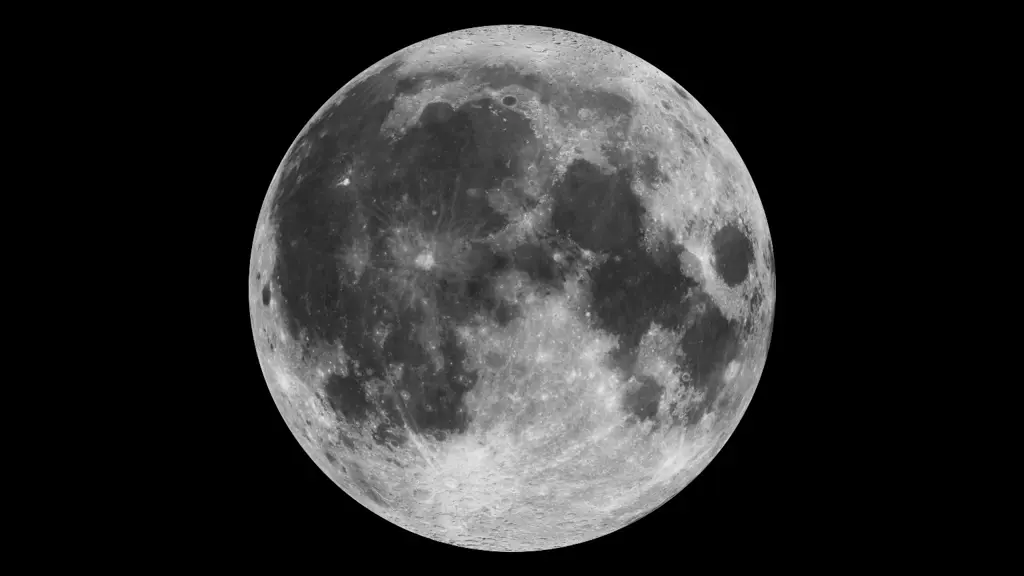
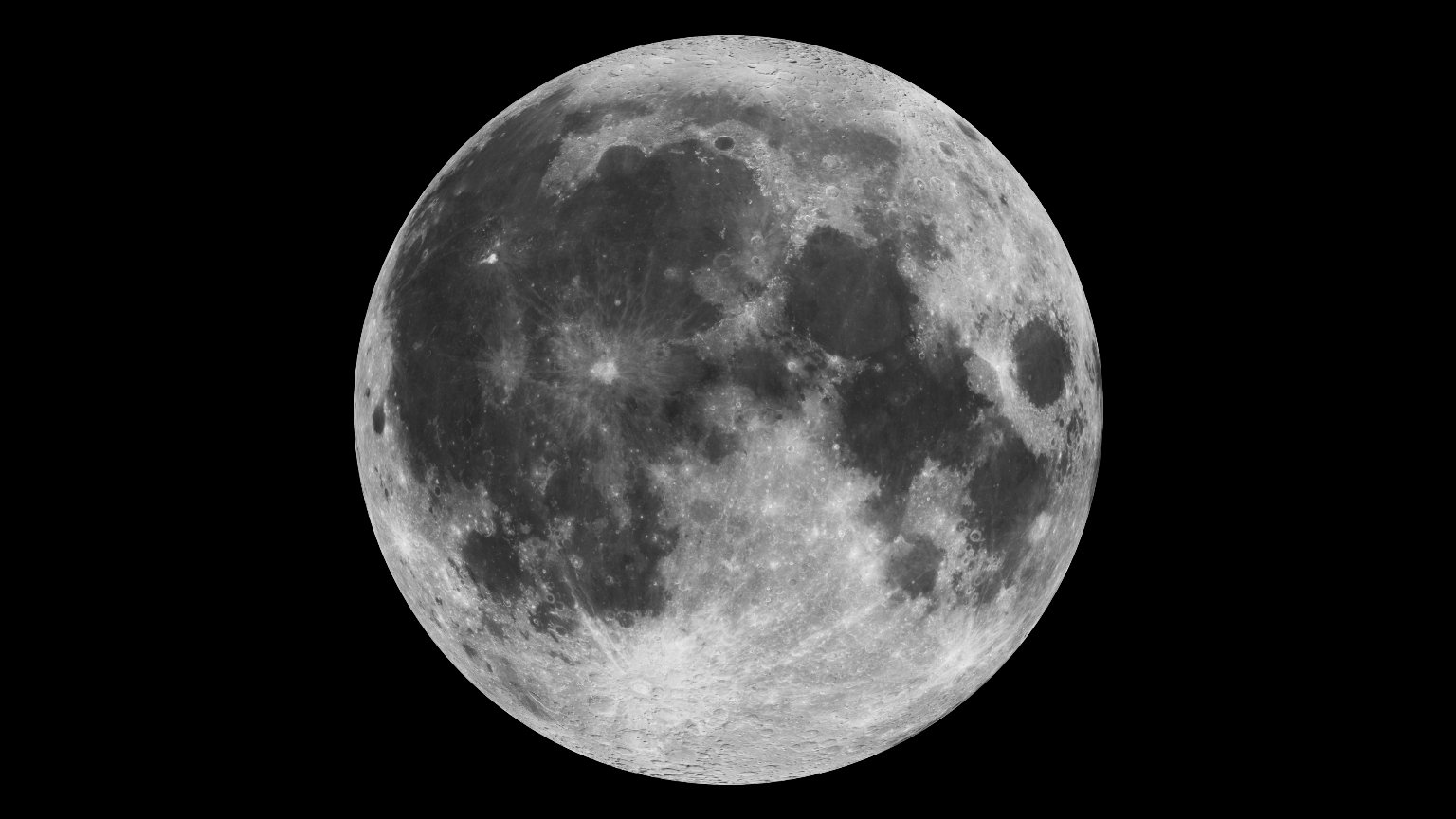
Earth's only natural satellite — a world of craters, ancient volcanoes, and frozen water that shapes our tides, steadies our seasons, and beckons a new generation of explorers.
Artemis Program
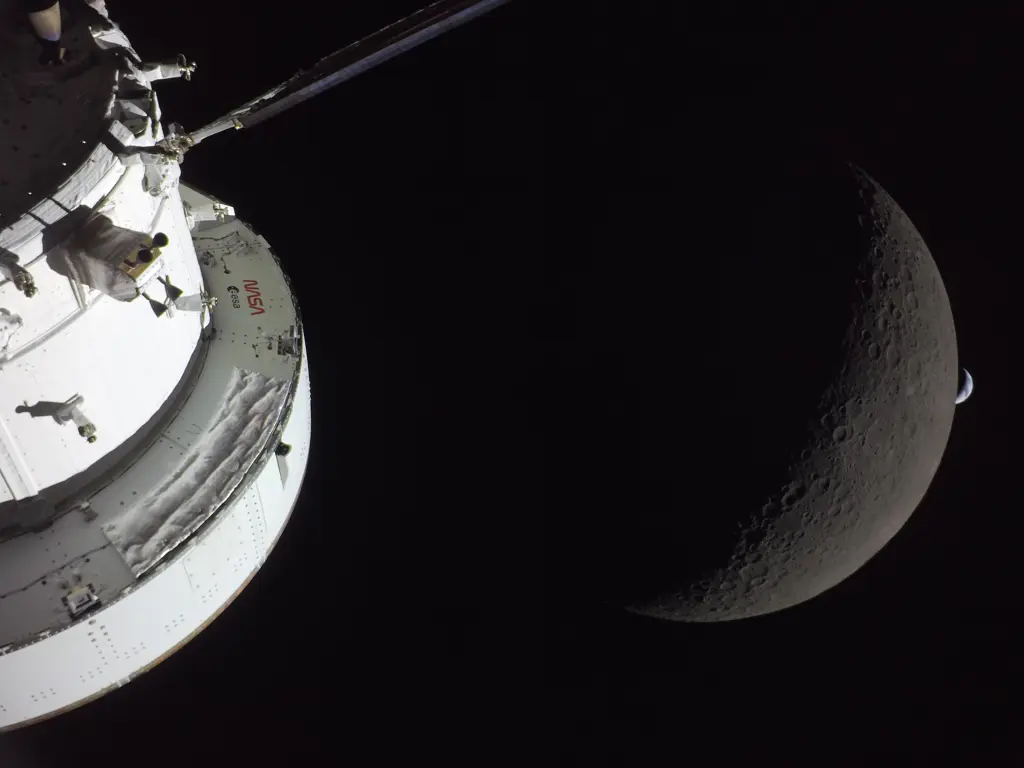
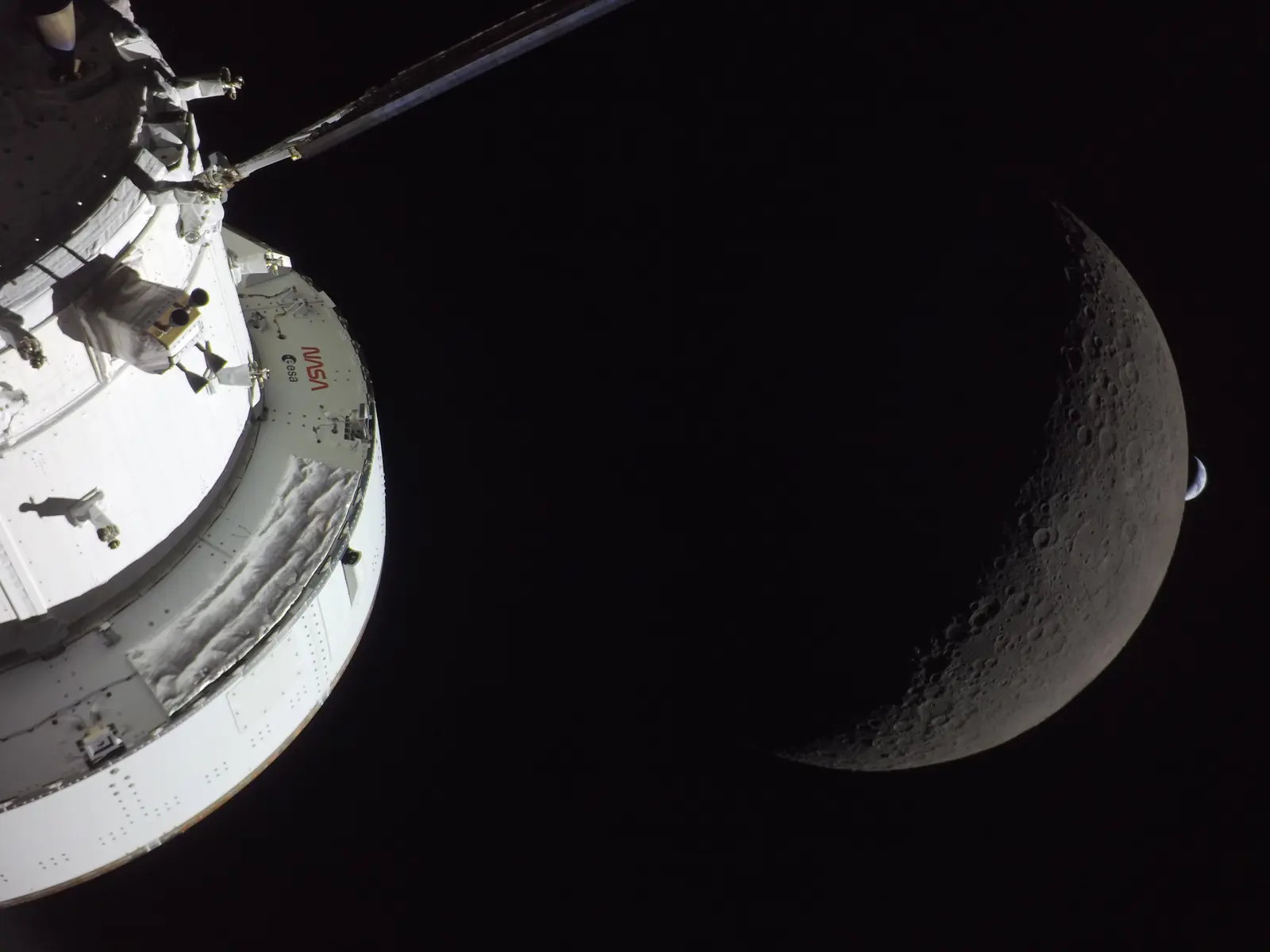
OperationalReturning humans to the Moon — to stay
Mars
The fourth planet from the Sun — a cold, rocky desert world with the Solar System's tallest volcano, two tiny moons, and abundant evidence of an ancient watery past.
Sources
- NASA's Fission Surface Power Project Energizes Lunar Exploration — NASA Glenn Research Center
- NASA's Fission Surface Power (FSP) Project — NRC/NASA PDF
- Fission Surface Power — Endless Power in the Lunar Night (Lockheed Martin)
- Fission Surface Power — NASA Exploration Systems Development
- Fission Surface Power Project — NASA Technical Reports Server
- Fission Surface Power — Idaho National Laboratory
- Nuclear power on the moon: What we're watching — American Nuclear Society
- 5 Things You Need to Know about Fission Surface Power Systems — U.S. Department of Energy
- NASA Announces Artemis Concept Awards for Nuclear Power on Moon — NASA
- Fission Surface Power Technology Development Status — NASA Technical Reports Server
- NASA's Kilopower Reactor Development and the Path to Higher Power — Stanford/NASA TM-2017-219467
- NASA, NNSS, partners complete Kilopower experiment at NNSS