Habitation modules
From Skylab's converted rocket stage to Gateway's lunar outpost — the pressurized volumes where humans live and work in space.
Habitation modules
A habitation module is a pressurized structure designed to sustain human life in the vacuum of space. It provides breathable atmosphere, thermal regulation, water management, sleeping quarters, hygiene facilities, food preparation areas, and exercise space — everything needed for crews to live and work for days, months, or years beyond Earth.
The design of habitation modules has evolved considerably since the first crewed stations of the 1970s. Early programs such as Skylab relied on a single large converted rocket stage to create one spacious volume. Soviet and Russian engineers pioneered modular architecture with Mir, building a station from a central living core augmented by specialized modules. The International Space Station extended this approach across five space agencies, distributing habitation functions among nodes, service modules, and laboratories. Newer programs — including inflatable modules and the Lunar Gateway — push the boundaries further, developing compact or foldable habitats for deep-space exploration.
Connecting nodes, pressure hatches, and airlocks are as fundamental to station architecture as the living volumes themselves: they allow modules to be added incrementally, isolated in an emergency, and accessed by visiting crewed spacecraft. Underpinning it all is the Environmental Control and Life Support System (ECLSS), which manages atmosphere composition, CO₂ removal, water recycling, humidity, and thermal control across the interconnected pressurized volume.
Design principles
A habitation module is fundamentally a pressure vessel — typically a cylindrical aluminum or composite shell with domed ends — maintained at roughly 101 kPa internal pressure against the near-vacuum of space. Internal stiffening frames, longerons, and ring frames control deformation and support equipment racks, while reinforced penetrations carry power, data, and fluid lines between modules.
Function zoning is a consistent principle across habitat designs. Layouts generally separate systems and maintenance areas from communal spaces (galley, wardroom, exercise equipment, workstations) and from private crew quarters. Sleep areas are placed away from noisy pumps and fans but close to hygiene facilities and emergency equipment. Studies for long-duration missions recommend at least 25 m³ of net habitable volume per person; shorter missions have been designed around roughly 15 m³ per crewmember.
Private or semi-private sleep stations are considered both a psychological and operational necessity for long missions. In microgravity, sleeping bags are restrained to wall or ceiling surfaces, requiring padded contact surfaces, restraint points, and ventilation to prevent exhaled CO₂ from pooling around a sleeping crewmember. Acoustics, dimmable lighting, and circadian-rhythm support through programmable LEDs are additional human-factors criteria captured in NASA-STD-3001.
Radiation and micrometeoroid/orbital debris (MMOD) protection must also be integrated into the hull structure. In deep-space habitats, water storage arranged around crew quarters has been considered as part of a radiation shelter strategy. Materials throughout the pressurized volume must meet stringent flammability, off-gassing, and toxicity limits required for closed life-support environments.
Interconnection nodes and airlocks
Nodes are structural and functional hubs that link multiple pressurized modules through standardized docking interfaces. Orthogonal port arrangements — side ports at roughly 90° intervals, plus top and bottom dome ports — allow symmetric expansion in multiple directions and simplify structural analysis. Beyond carrying mechanical loads, nodes serve as manifolds for atmosphere circulation ducts, water and waste fluid lines, power distribution, data networks, and thermal-control coolant loops.
Each docking interface typically features a standardized structural ring, redundant pressure seals (metal-to-metal or elastomeric), motorized latching mechanisms, capture guides, and integrated utility umbilicals for fluid quick-disconnects and electrical connectors. Independently operable hatches on each side of a port allow individual modules to be sealed off in the event of a pressure loss or fire.
Airlocks allow controlled transitions between pressurized and vacuum environments for extravehicular activities (EVAs) or to receive visiting spacecraft. Typical airlock systems include pneumatic valves connecting the chamber to either the cabin or the vacuum, pressure sensors for automated control, and in advanced designs, compressors or storage tanks to recover gas rather than vent it entirely. Mechanical interlocks prevent both inner and outer hatches from being opened simultaneously.
Skylab — the converted rocket stage
Skylab, launched 14 May 1973 on a Saturn V, was the first US space station and represented a distinct design philosophy: a single large pressurized volume derived from an existing launch vehicle upper stage. Its core, the Orbital Workshop, was converted from a Saturn S-IVB liquid hydrogen tank, yielding an approximate pressurized volume of 300 m³ — substantially larger than any early modular station.
The Orbital Workshop housed crew quarters, a galley and wardroom, waste management, exercise equipment, and extensive experiment racks, alongside a solar observatory and Earth observation facilities integrated into the station structure. Three successive crews (Skylab 2, 3, and 4) lived aboard for missions of 28, 59, and 84 days respectively, each crew numbering three astronauts. Power was provided by solar arrays with batteries, and environmental control and life support managed air and limited water recycling.
Mir — the first modular station
Mir (in orbit 1986–2001) was the first modular, continuously inhabited space station, pioneering the architecture of a central living core augmented by specialized expansion modules. Its Core Module (DOS-7), launched 20 February 1986, was approximately 13.1 m long and 4.15 m in diameter, with a pressurized volume of roughly 90 m³. It housed the primary crew quarters, galley, sanitation facilities, life support, and guidance and navigation systems, as well as several docking ports for visiting spacecraft and future modules. Nominal crew size was three, though the station often hosted more during crew changeovers.
Additional modules expanded Mir's capabilities over the following years. Most — Kvant-1, Kristall, Spektr, and Priroda — were primarily laboratories, but Kvant-2, launched in 1989, meaningfully augmented habitation. It added improved oxygen generation systems, enhanced water management, a sanitation compartment including a shower, and additional storage. This distributed approach, with habitation functions spread across several modules from a central living core, directly informed the design of the International Space Station.
The International Space Station — distributed habitation
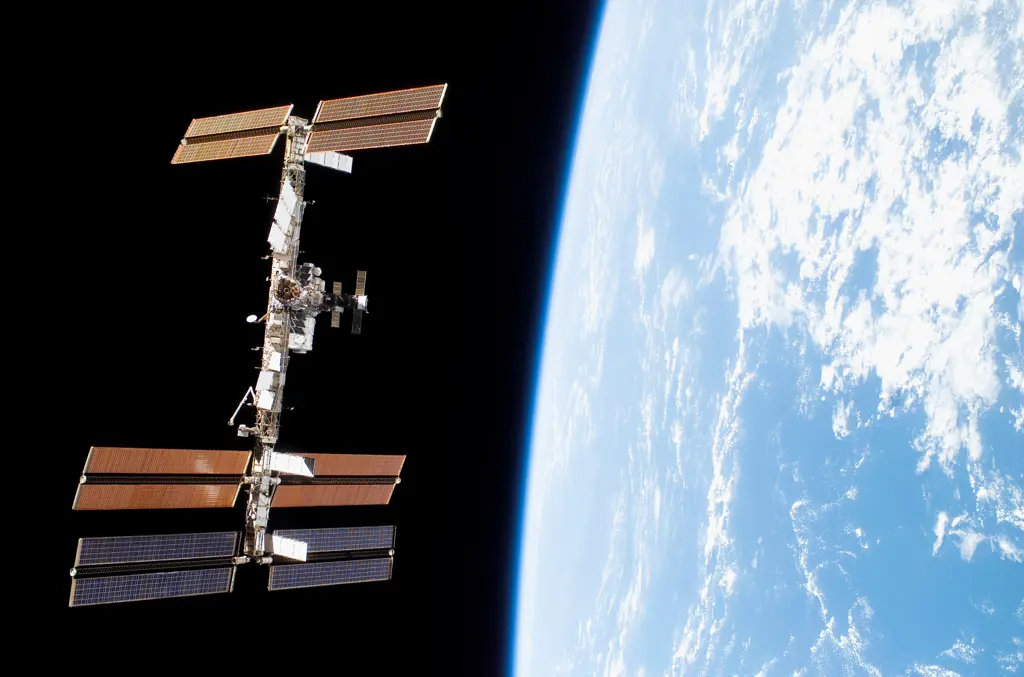
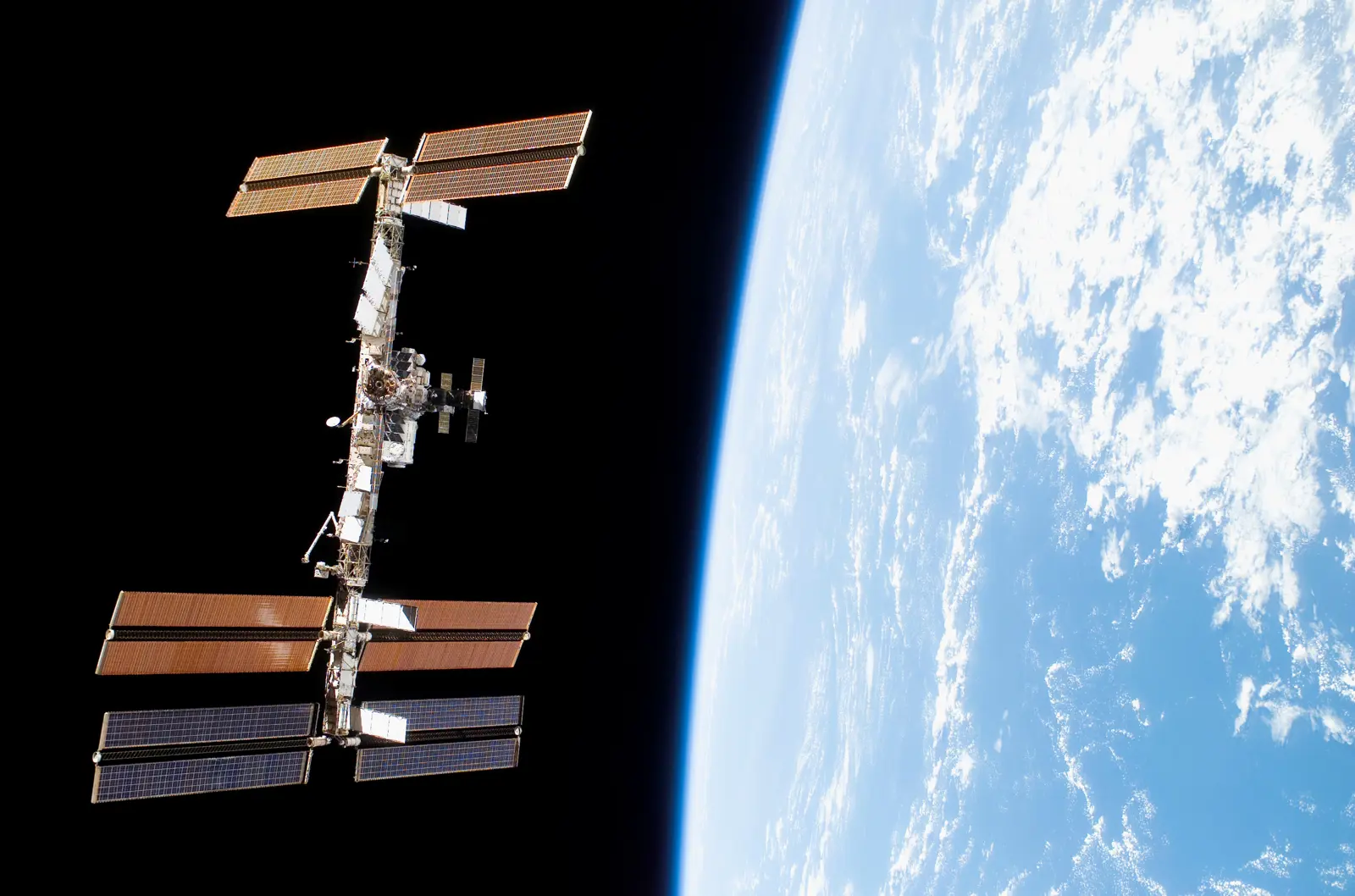
The International Space Station has a total pressurized volume of 1,005 m³ and a habitable volume of approximately 388 m³, spread across US, Russian, European, Japanese, and commercial modules assembled from 1998 onward. Unlike Skylab's single volume or Mir's single core, ISS habitation is distributed across multiple elements — no single module serves solely as a 'habitation module'.
In the Russian Orbital Segment, Zvezda (Service Module) — launched July 2000, 13.10 m long, 4.15 m diameter, ~87 m³ pressurized volume — is the primary habitation element. It provides two dedicated crew cabins, a wardroom with a table, a galley, hygiene facilities, life support, power distribution, data processing, flight control, propulsion and reboost capability, and communications. Zarya (Functional Cargo Block), the first ISS module launched 20 November 1998, has a pressurized volume of 71.5 m³ and now serves mainly for storage and propulsion. Nauka (Multipurpose Laboratory Module), launched in 2021, adds one sleeping quarter and additional life-support capacity to the Russian segment.
In the US Orbital Segment, habitation functions are shared across several nodes. Unity (Node 1), launched December 1998, is primarily a six-port connector with a pressurized volume of roughly 71.5 m³. Harmony (Node 2), launched October 2007, serves as the main US sleeping area, with four sleep stations each of approximately 2.1 m³ — smaller and with less storage than the canceled Habitation Module design. Tranquility (Node 3), launched February 2010 and built by ESA for NASA, houses a main toilet, ECLSS equipment, and exercise machines including the ARED resistive exercise device. Tranquility also hosts the Cupola, a seven-window observation dome used for Earth viewing, robotics operations, and photography, and informally treated as a communal observation area. Destiny (US Laboratory), launched February 2001, provides rack interfaces for both station systems and scientific experiments alongside its laboratory function.
A dedicated US Habitation Module was developed through the 1980s and 1990s as part of the Space Station Freedom heritage. It was intended to provide four 3.2 m³ crew quarters each with storage and a workstation, plus a galley, toilet, shower, and medical facilities, in a module approximately 8.5 m long and 4.3 m in diameter. Following the Columbia accident, budget and schedule constraints led to its cancellation; on 14 February 2006 NASA repurposed its completed hull for ground life-support research. Its habitation functions were redistributed to Harmony, Tranquility, Zvezda, and later Nauka.
Expandable habitats — TransHab and BEAM
Alongside rigid aluminum modules, engineers have pursued expandable (inflatable) habitats that launch in a compact stowed configuration and expand to a larger pressurized volume on orbit. NASA's TransHab concept, developed in the late 1990s, was an inflatable habitat intended for long-duration human spaceflight including Mars-related missions. Its multi-layer shell incorporated Kevlar-based materials for structural integrity and protection from orbital debris. Congress canceled TransHab in 2000, but Bigelow Aerospace subsequently acquired rights to NASA-developed inflatable habitat patents, informing its own designs.
The Bigelow Expandable Activity Module (BEAM) is Bigelow Aerospace's ISS technology demonstrator, widely described as a flight test of inflatable habitat technology in the lineage of TransHab. NASA awarded Bigelow a $17.8 million contract on 20 December 2012 under the Advanced Exploration Systems program. BEAM was launched 8 April 2016, installed on the ISS on 16 April 2016, expanded on 28 May 2016, and its hatch was first opened on 6 June 2016. Its mass is approximately 1,360 kg; expanded, it measures roughly 4.0 m long and 3.2 m in diameter with an internal volume of approximately 16 m³. The module's primary purpose was to test how expandable habitats perform with respect to deployment, structural integrity, thermal stability, radiation, debris, and microbial growth in the space environment. BEAM is now used for storage aboard the ISS.
Lunar Gateway — habitation beyond Earth orbit
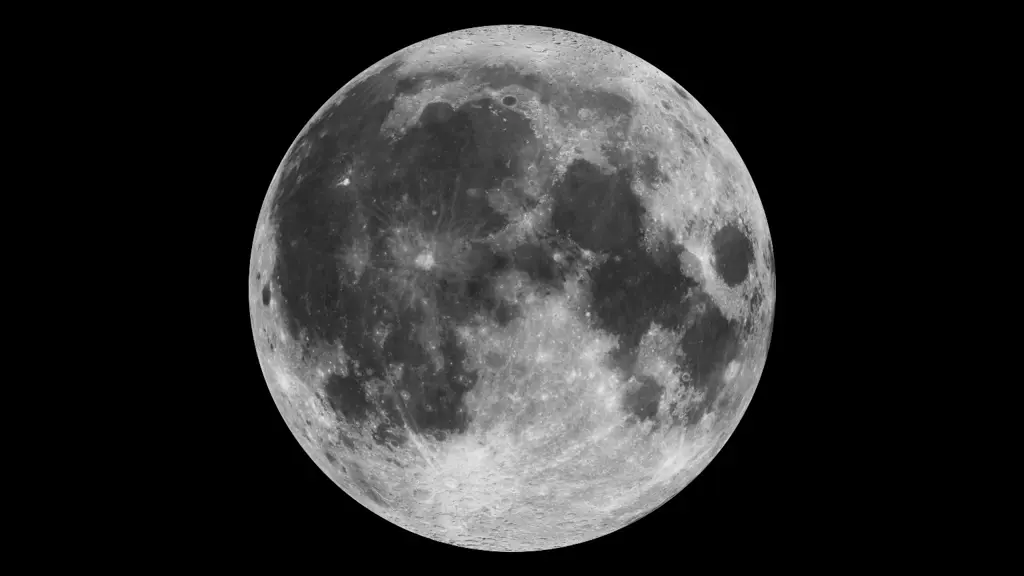
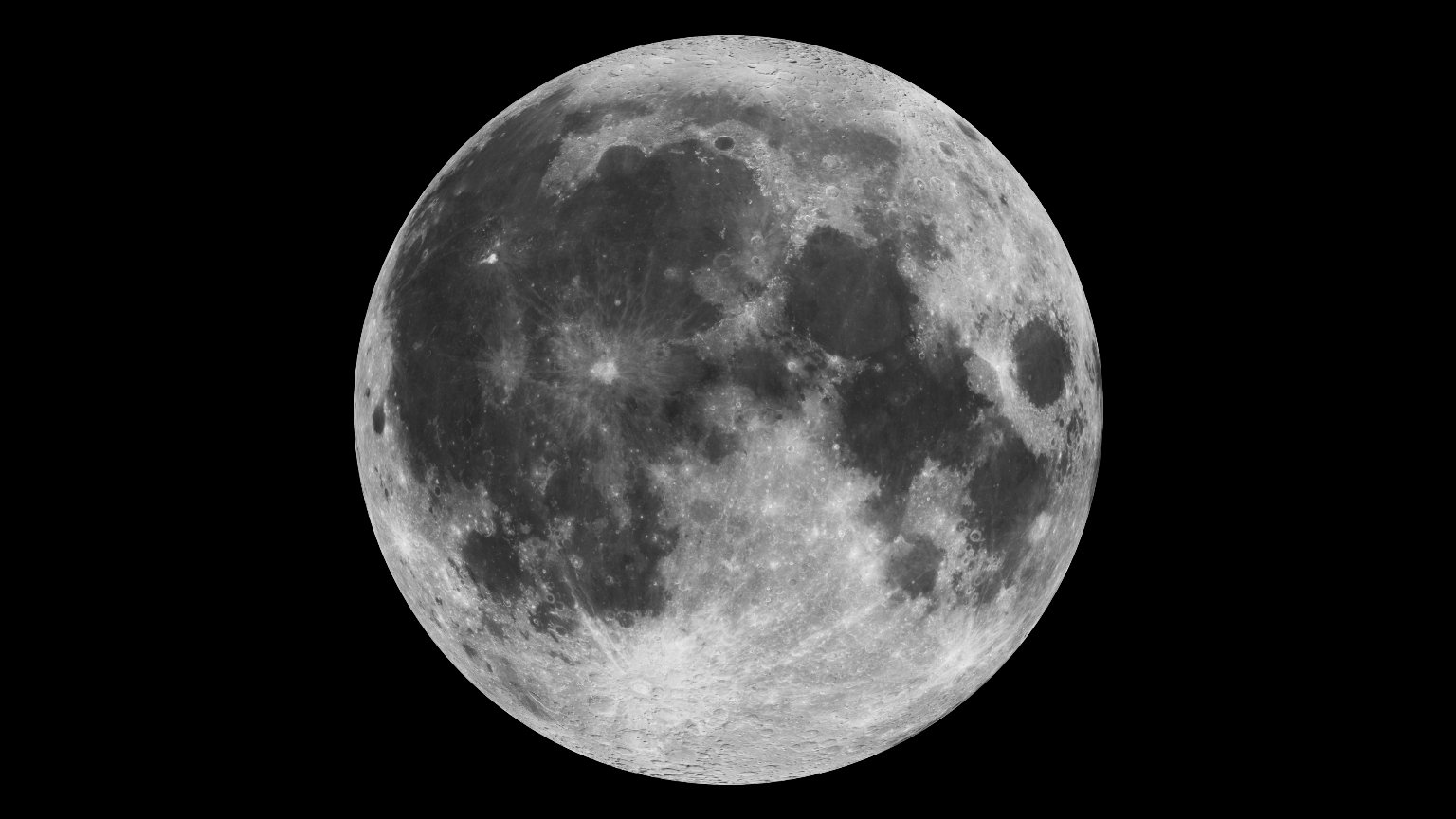
The Lunar Gateway is a small modular space station to be assembled in a near-rectilinear halo orbit (NRHO) around the Moon in support of the Artemis program. It will not be permanently crewed; instead, it is designed for intermittent visits by up to four astronauts for one to three months at a time as its modules come online. The Gateway's first habitation element is HALO (Habitation and Logistics Outpost).
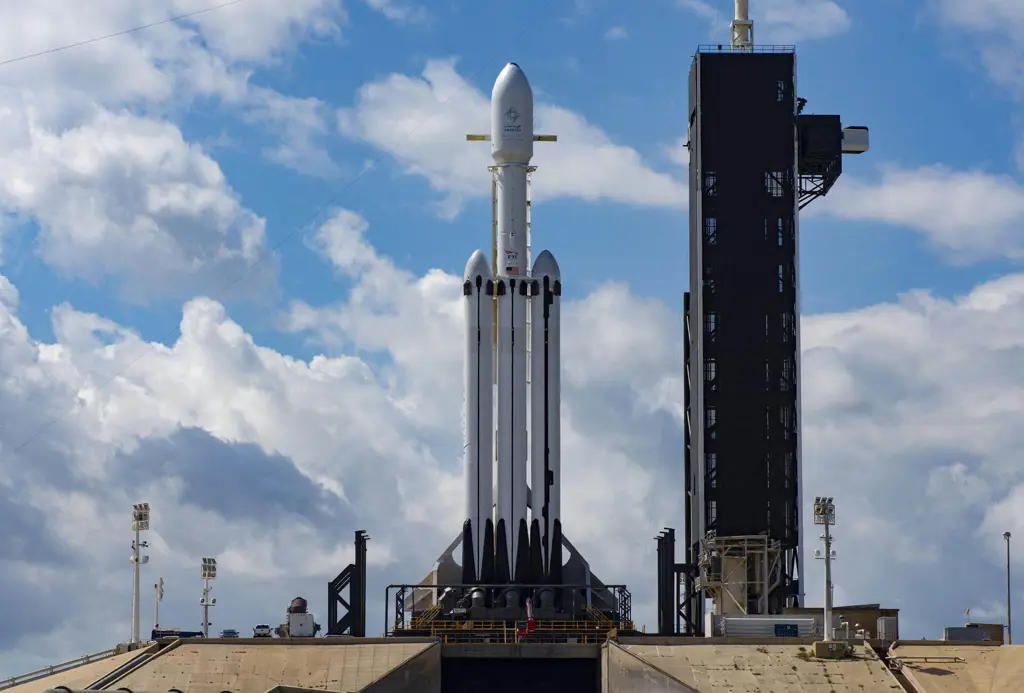
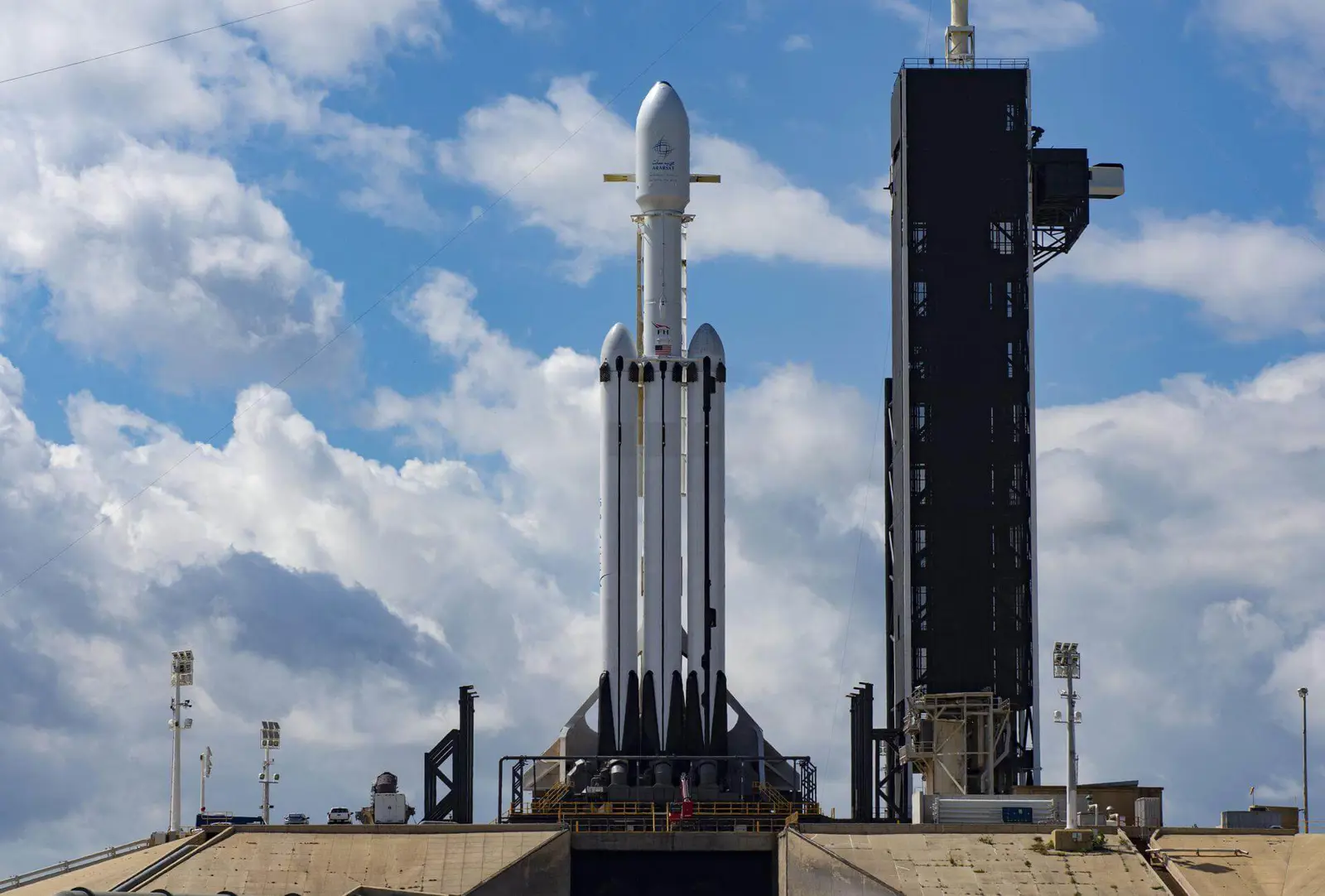
HALO's pressurized structure was manufactured by Thales Alenia Space in Turin, Italy, based on Northrop Grumman's Cygnus cargo spacecraft heritage, with Northrop Grumman serving as prime contractor for final outfitting and integration. The pressurized structure arrived in Gilbert, Arizona in April 2025 for final outfitting. HALO will be integrated with the Power and Propulsion Element (PPE) and launched together on a SpaceX Falcon Heavy from Kennedy Space Center ahead of the Artemis IV mission. It will serve as a minimal habitation space for early crews, a command-and-control hub, and a docking port for Orion, logistics vehicles, and lunar landers, while also handling data management, energy storage, power distribution, thermal regulation, and communications.
The International Habitation Module (I-HAB), jointly provided by ESA and JAXA, will significantly expand Gateway's habitable volume. ESA selected Thales Alenia Space to build I-HAB in 2020, with design work involving both Airbus and Thales Alenia Space. It has a maximum launch mass of approximately 10,000 kg, a gross pressurized volume of roughly 35 m³, and is intended to bring Gateway's combined habitable volume to around 125 m³. I-HAB will accommodate up to four astronauts for missions of up to 90 days and will include a galley, hygiene and toilet facilities, sleeping quarters, exercise equipment, additional life-support systems, avionics, robotics interfaces, storage, and refrigeration. Launch is anticipated in the late 2020s, possibly co-manifested with Orion on Artemis IV.
Further European elements will add logistics volume, docking ports, propellant storage, and enhanced communications. The ESPRIT/Lunar View module includes an airlock for scientific packages and a windowed corridor for observing spacecraft and the lunar surface. A UAE-provided airlock module and Canada's Canadarm3 robotic arm round out the planned Gateway assembly.
Key milestones in habitation module development
- 14 May 1973Skylab launched
First US space station, using a converted Saturn S-IVB stage as its ~300 m³ pressurized habitation volume.
- 20 Feb 1986Mir Core Module launched
First module of the first modular continuously inhabited space station; ~90 m³ pressurized volume, providing primary living quarters and docking hub.
- 1989Kvant-2 added to Mir
Augmented Mir's habitation with improved oxygen generation, water systems, sanitation facilities including a shower, and extra storage.
- 20 Nov 1998Zarya launched — ISS assembly begins
First ISS module; 71.5 m³ pressurized volume, providing early power, communications, and attitude control.
- Dec 1998Unity (Node 1) launched
First US ISS element; six-port connecting node linking US and Russian segments.
- Jul 2000Zvezda launched
Primary Russian habitation module on ISS; provides crew quarters, life support, flight control, and propulsion.
- 14 Feb 2006US Habitation Module hull repurposed
NASA repurposed the completed but never-launched Habitation Module hull for ground life-support research after budget cancellation.
- Oct 2007Harmony (Node 2) launched
Became the main US sleeping area, with four ~2.1 m³ sleep stations for astronauts.
- Feb 2010Tranquility (Node 3) and Cupola launched
Tranquility brought the main US toilet, exercise equipment, and ECLSS; Cupola added a seven-window Earth-observation dome.
- 20 Dec 2012NASA awards BEAM contract
$17.8 million contract to Bigelow Aerospace under Advanced Exploration Systems program.
- 8 Apr 2016BEAM launched
Bigelow Expandable Activity Module launched; expanded 28 May 2016, hatch first opened 6 June 2016.
- 2021Nauka module docked to ISS
Russian multipurpose laboratory module adds one sleeping quarter and additional life-support capacity to the ISS Russian segment.
- Apr 2025HALO arrives in Arizona
Gateway's first habitation module pressurized structure, built by Thales Alenia Space in Turin, arrived in Gilbert, Arizona for final outfitting by Northrop Grumman.
Habitation modules — FAQ
Related
International Space Station
Humanity's permanent outpost in low Earth orbit — a football-field-sized laboratory that has hosted nearly 300 people from 26 countries without interruption since November 2, 2000.
Tiangong Space Station
China's permanently crewed modular space station in low Earth orbit — humanity's newest long-duration outpost among the stars.
Artemis Program
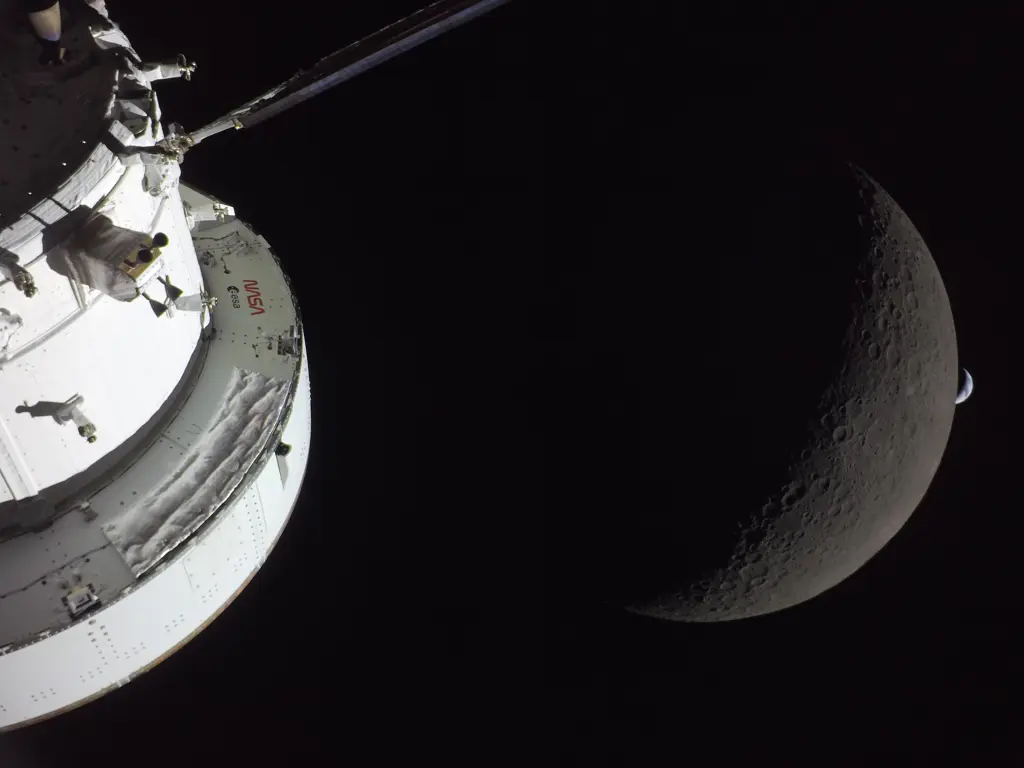
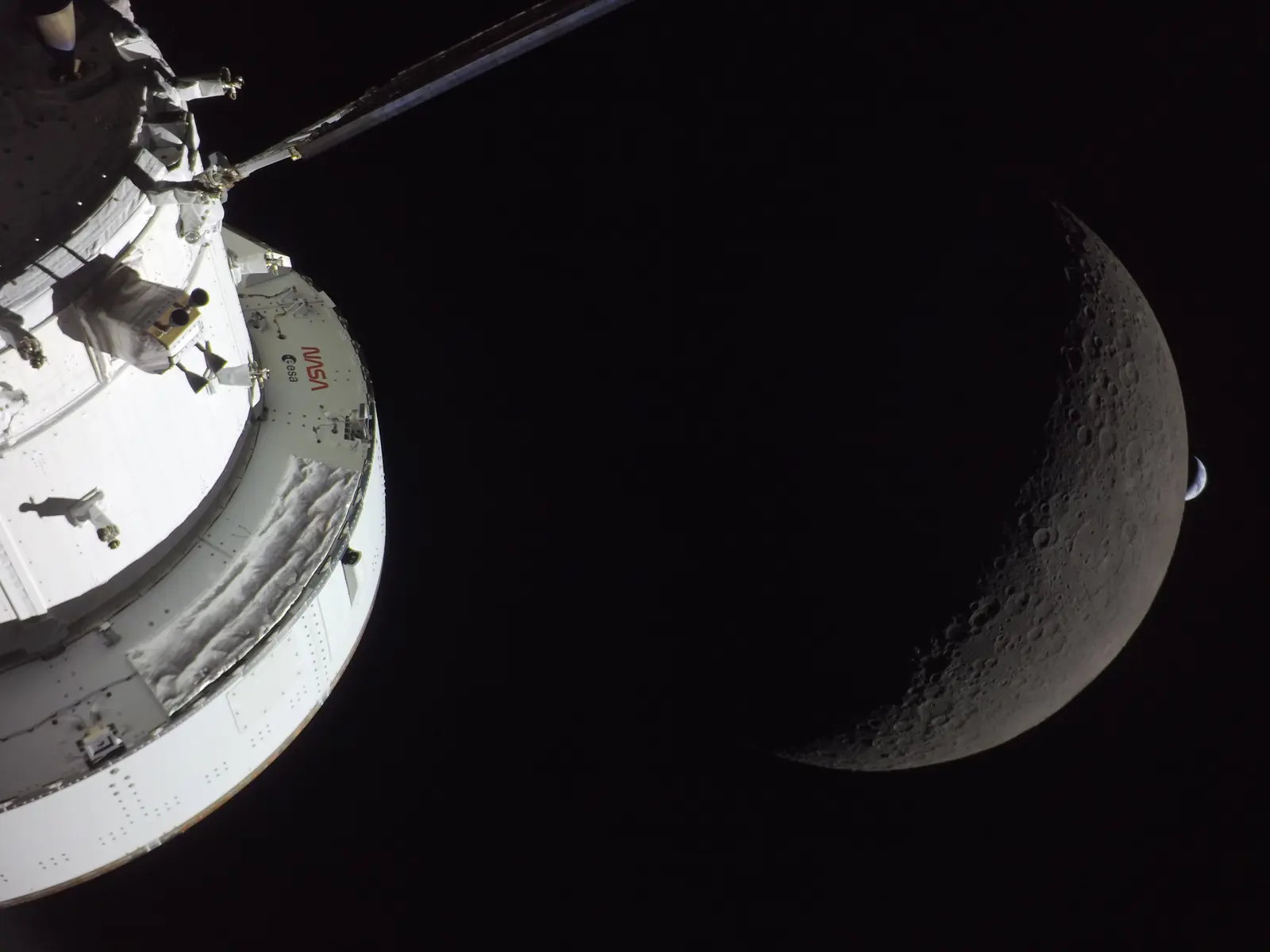
OperationalReturning humans to the Moon — to stay
Falcon Heavy
OperationalThree Falcon 9 cores strapped together — one of the most powerful operational rockets flying.
The Moon
Earth's only natural satellite — a world of craters, ancient volcanoes, and frozen water that shapes our tides, steadies our seasons, and beckons a new generation of explorers.
Sources
- Habitation Module - Wikipedia
- Habitation module of cis-lunar station - RussianSpaceWeb.com
- Deep Space Habitat Configurations Based on International Space Station Systems - NASA NTRS
- ISS Elements (NSS PDF)
- ISS Modules: Complete Guide to Every Station Module - Orbital Radar
- US Habitation Module - PBS
- Design of the Space Station Habitable Modules
- Habitat Demonstration Unit (HDU) Vertical Cylinder Habitat - NASA NTRS
- International Space Station Facts and Figures - NASA
- ISS Data and Modules - DLR
- International Space Station - Wikipedia
- International Space Station Evolution Data Book - NASA
- Bigelow Expandable Activity Module (BEAM) - NASA
- Bigelow Expandable Activity Module - Wikipedia
- Gateway's First Habitation Module Arrives Stateside - NASA
- Common Habitat Design for Microgravity, Artificial Gravity and Planetary Surface Missions - NASA NTRS
- Habitable Module for a Deep Space Exploration Mission - Politecnico di Torino