Luna 2
First human-made object to reach the Moon — a deliberate hard impact that changed the Space Race.
Luna 2
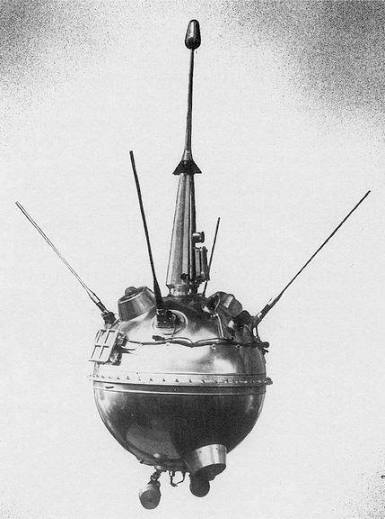
Luna 2 was a Soviet lunar impact probe and the first human-made object to reach and strike the Moon. Launched on 12 September 1959 at 06:39:42 UT from Baikonur LC-1/5 aboard a Vostok-L 8K72 rocket — an R-7 derivative — the spacecraft traveled for approximately 33.5 hours before impacting the lunar surface on 13–14 September 1959.
The mission was the first spacecraft to make contact with another celestial body. On impact, Luna 2 scattered Soviet metal pennants across the lunar surface, a deliberate symbolic act of presence. Shortly after the mission, Premier Nikita Khrushchev presented a replica of the spherical pennant to U.S. President Dwight Eisenhower during his 1959 visit to the United States, turning the achievement into a highly visible diplomatic moment in the Cold War space race.
Scientifically, Luna 2's instruments confirmed the absence of a significant global lunar magnetic field and detected no radiation belts around the Moon analogous to Earth's Van Allen belts. Its ion traps contributed to the first direct measurements of solar wind flux from outside Earth's magnetosphere, and its radiation detectors revealed that the Van Allen belts are dynamic, variable structures rather than static ones.
Design and spacecraft
Luna 2 was a spherical space probe with protruding antennas and instrumentation, closely resembling its predecessor Luna 1. It carried no onboard propulsion system; its trajectory to the Moon was determined entirely by the injection burn of the launch vehicle. The spacecraft was powered by silver-zinc and mercury-oxide batteries that supplied the scientific instrumentation for the duration of the flight.
The probe departed Earth at an initial speed of approximately 11.2 km/s and struck the Moon at roughly 3.3 km/s. To help observers on Earth track its path, Luna 2 released a sodium vapour cloud during the outbound leg, making the spacecraft's position visible from the ground. The scientific payload of 156 kg comprised five main categories of instruments for measuring radiation, magnetic fields, and charged-particle flux between Earth and the Moon.
Instruments
- Geiger counter system (STS-5 gas-discharge counters)
Three counters mounted on the outside of an airtight container; primary purpose was to determine the electron spectrum of the Van Allen radiation belt during the outbound trajectory.
- Gas-discharge counters
Six counters in total — more than Luna 1 carried — measuring charged-particle flux through interplanetary space.
- Scintillation counters
Measured ionizing radiation from energetic particles encountered along the flight path.
- Cherenkov radiation detectors
Detected electromagnetic radiation produced by charged particles moving faster than the speed of light in the detector medium.
- Ion traps
Measured the flux of solar wind particles outside Earth's magnetosphere, enabling the first direct measurement of solar wind flux in interplanetary space.
- Three-component fluxgate magnetometer
Similar in design to the Luna 1 magnetometer but with a reduced dynamic range of ±750 gammas (≈ ±750 nT) and a quantisation uncertainty of ±12 gammas. Used to measure the interplanetary and lunar-vicinity magnetic field.
Key Findings
Luna 2's magnetometer detected no notable magnetic field down to approximately 55 km above the lunar surface, within the instrument's sensitivity of about 2–3 × 10⁻⁴ gauss. This led Soviet scientists to conclude that the Moon possesses no appreciable global magnetic field.
Radiation detectors found no radiation belts around the Moon analogous to Earth's Van Allen belts, establishing the Moon as an essentially airless, non-magnetized body.
Using ion traps, Luna 2 contributed to the first direct measurements of solar wind flux in interplanetary space, following the initial detection made by Luna 1.
Luna 2 data showed time variations in electron flux and energy spectrum in the Van Allen belts, demonstrating that the belts are dynamic rather than static structures. Comparison with Luna 1 data suggested that the solar wind distorts Earth's magnetic field and radiation belts: Luna 1 had found the outer belt strongest at roughly 27,000 km from Earth, while Luna 2 found the maximum closer in at about 17,000 km and roughly five times more intense.
Ion traps recorded an increase in ion particle flux at approximately 8,000 km above the Moon, which Soviet scientists interpreted as evidence for a very tenuous lunar ionosphere.
Impact site
Luna 2 struck the Moon in the Palus Putredinis region, east of Mare Serenitatis, near the craters Aristides, Archimedes, and Autolycus. The impact coordinates are conventionally given as approximately 29.1° N, 0.0° E. Palus Putredinis is centered at about 27.4° N, 0.0° E with a diameter of roughly 180 km; the probe is reported to have come down near the small crater Spurr within this area.
Because the impact was tracked only coarsely by ground-based observations and no later mission has imaged the precise crater, modern lunar historians emphasize that the exact impact point is unknown. The quoted coordinates represent an accepted conventional location within Palus Putredinis rather than a directly measured position.
Mission Timeline
- 12 Sep 1959Launch
Luna 2 lifted off from Baikonur LC-1/5 at 06:39:42 UT aboard a Vostok-L 8K72 rocket and was injected onto a direct lunar trajectory at approximately 11.2 km/s.
- 12–13 Sep 1959Outbound flight
Instruments measured charged-particle flux and solar wind in interplanetary space. A sodium vapour cloud was released so ground observers could track the spacecraft's path.
- 13–14 Sep 1959Lunar impact
After approximately 33.5 hours of flight, Luna 2 impacted the Moon in the Palus Putredinis region at roughly 3.3 km/s, scattering Soviet metal pennants on the surface. It became the first human-made object to strike another celestial body.
- Sep 1959Khrushchev presents replica to Eisenhower
During Premier Nikita Khrushchev's visit to the United States, he presented U.S. President Dwight Eisenhower with a replica of the spherical Luna 2 pennant, turning the mission into a high-profile Cold War diplomatic moment.
Cold War context and significance
Luna 2 arrived at a pivotal moment in the Cold War space race. By 1959 the Soviet Union had already shocked the United States with Sputnik in 1957 and a series of space firsts; Luna 2 added "first spacecraft to reach the lunar surface" to that list. Space achievements were widely read internationally as proxies for intercontinental ballistic missile and satellite reconnaissance capabilities, and Luna 2 reinforced global perceptions that Soviet launch vehicles were powerful and reliable.
The mission was part of a rapid sequence of Soviet lunar successes: unmanned probes had begun in 1958, Luna 2 impacted the surface in September 1959, and Luna 3 photographed the far side of the Moon just weeks later in October 1959. These achievements helped sustain the impression that the USSR was winning the early space race, contributing to U.S. political pressure for a decisive response. Later American commentators, including Apollo astronaut Frank Borman, explicitly framed the Apollo lunar program as a contest the United States set out to win after early Soviet successes including Luna 2. That pressure ultimately contributed to President John F. Kennedy's 1961 commitment to land an American on the Moon.
Frequently Asked Questions
Related
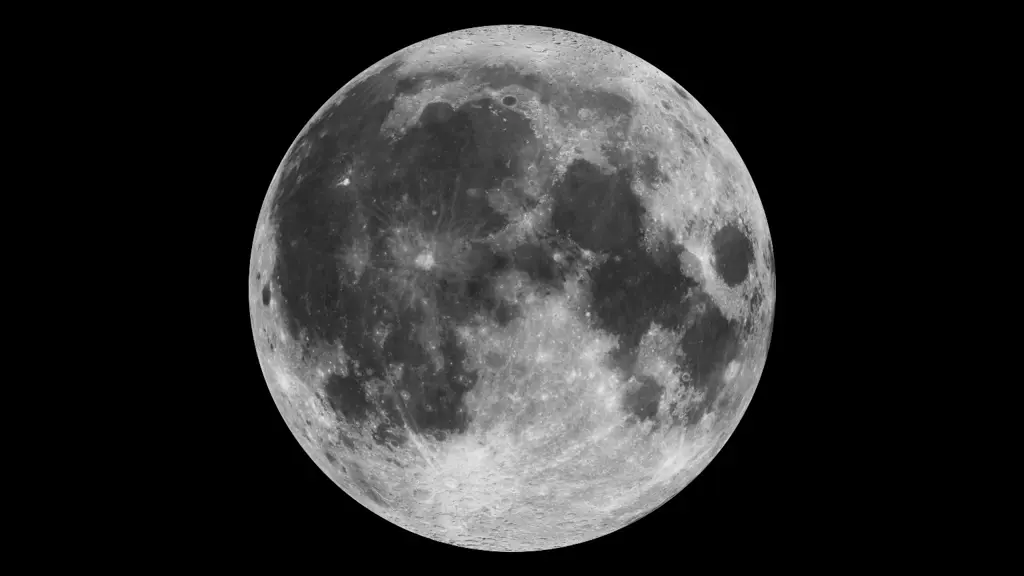
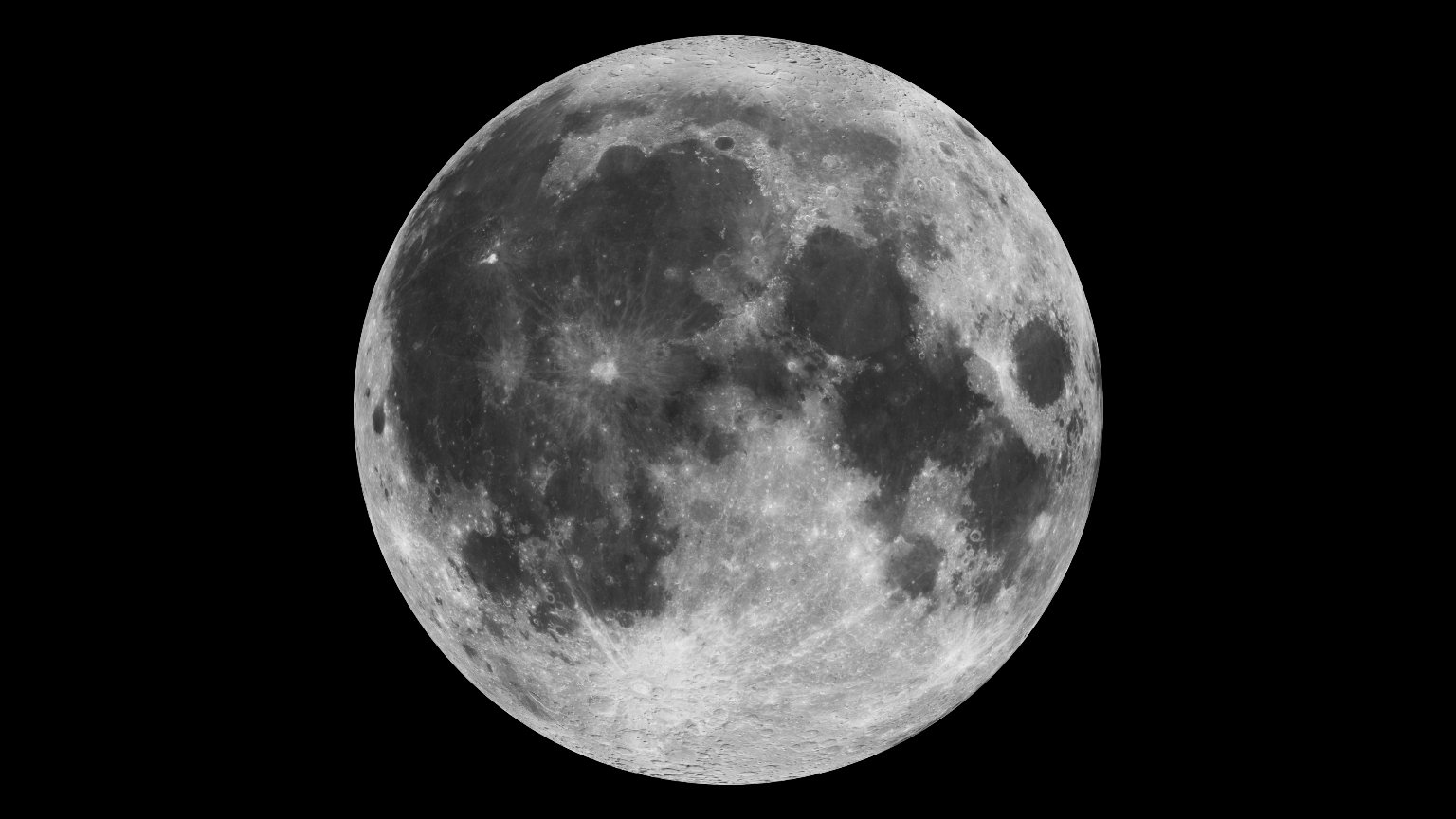
The Moon
Earth's only natural satellite — a world of craters, ancient volcanoes, and frozen water that shapes our tides, steadies our seasons, and beckons a new generation of explorers.
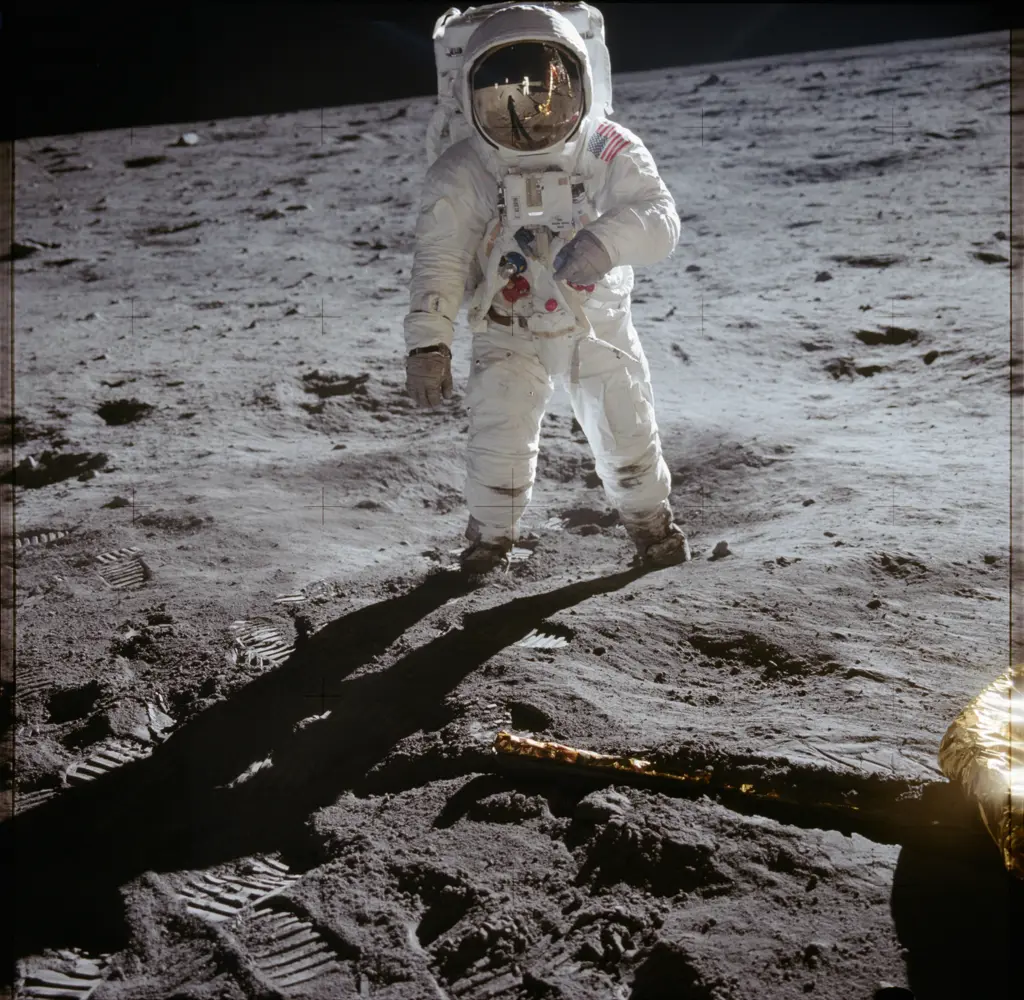
Apollo Program
RetiredLanding humans on the Moon, 1969–1972
Artemis Program
OperationalReturning humans to the Moon — to stay
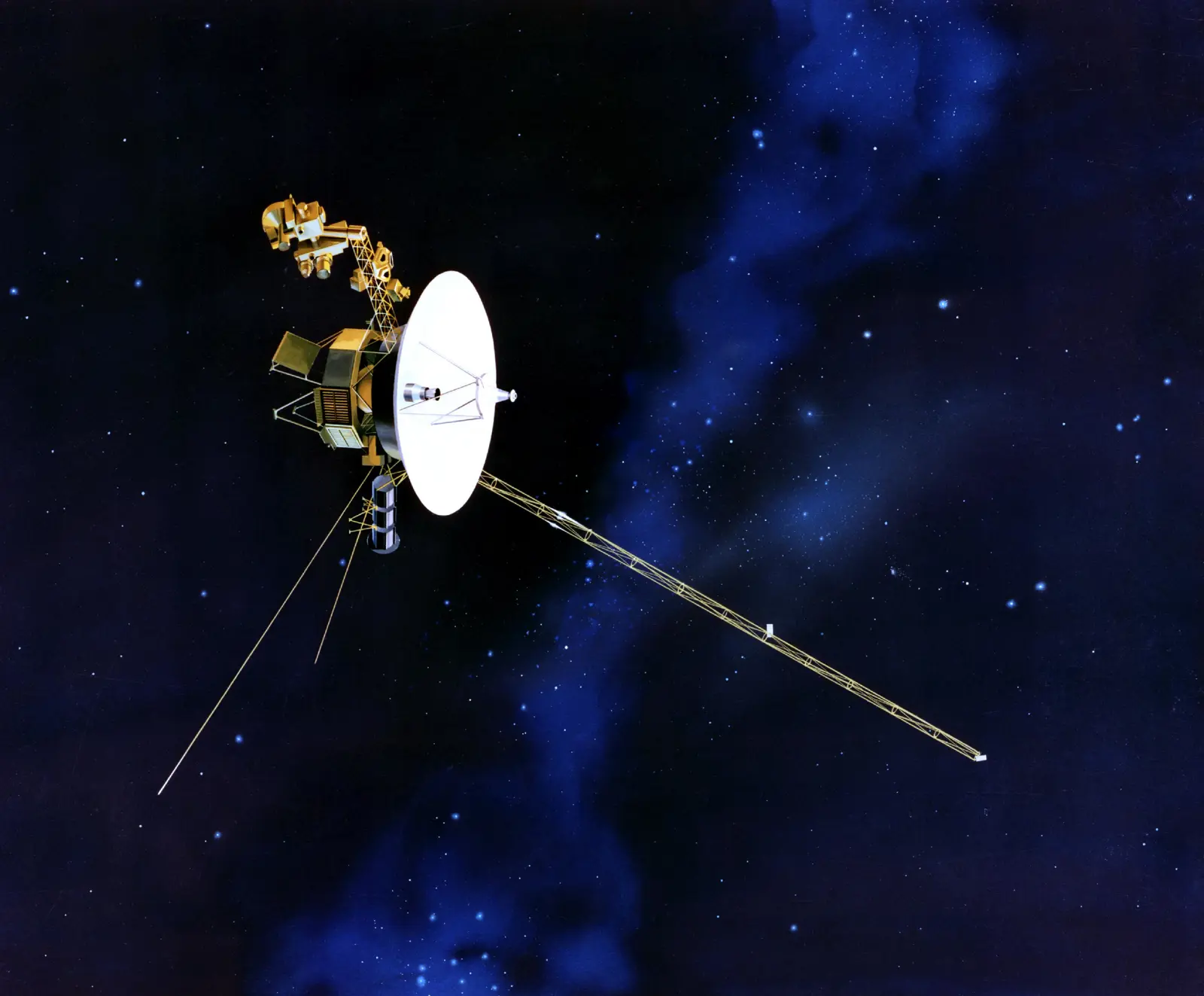
Voyager 1
En RouteThe farthest human-made object from Earth
Sources
- Luna 2: Lunar Impact — For All Moonkind Moon Registry
- Sept. 12, 1959: Luna 2 launches — Astronomy Magazine
- Luna 2 — Wikipedia
- 60 Years Ago: Luna 2 Makes Impact in Moon Race — NASA
- First Contact With Lunar Surface Made by 'Luna 2' — Pacific Space Center
- Luna 2 Becomes the First Human-Made Object to Impact on the Moon — EBSCO
- Luna | Moon, Soviet, & Exploration — Britannica
- Moon. First contact — TASS
- Palus Putredinis — Wikipedia
- Luna Mission — Lunar and Planetary Institute
- Lunar Impact (Luna 2 reconstruction) — mentallandscape.com
- Vostok-L 8K72 — Astronautix
- Luna (rocket) — Wikipedia
- #20 – Luna 2: The First Spacecraft to Hard-land on the Moon — Impulso Space