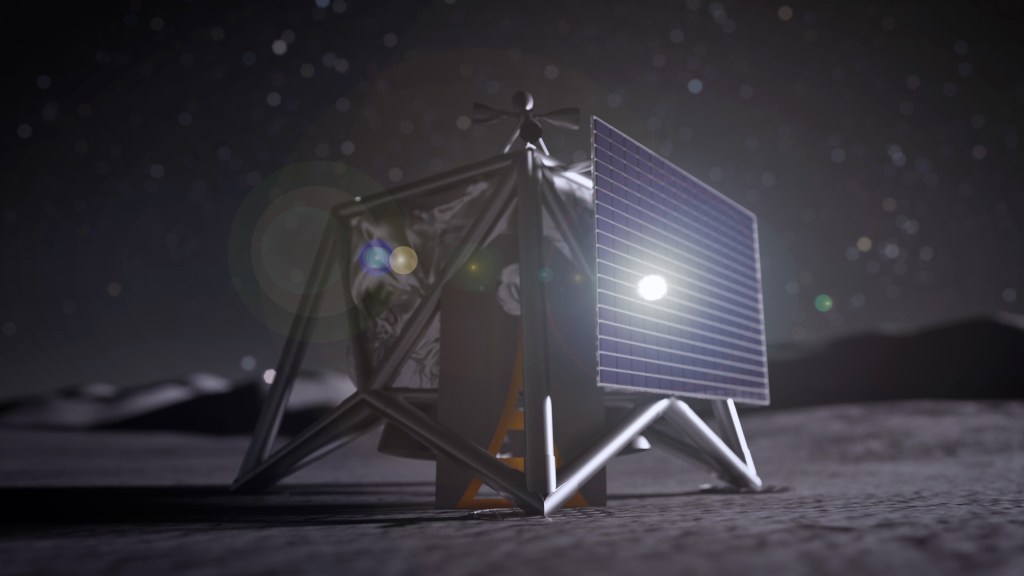
MoonFall drones
Four autonomous hopping drones built by NASA JPL, delivered by Firefly's Elytra Dark spacecraft, to scout the lunar south pole for Artemis and Moon Base operations.
MoonFall
MoonFall is a planned NASA robotic precursor mission that will send four propulsive hopping drones to survey the Moon's south pole. Managed by NASA's Jet Propulsion Laboratory (JPL) in Pasadena, California, the mission is designed to map terrain, characterise hazards, and identify resources — including subsurface water ice — to support future crewed landings under the Artemis Program and the broader Moon Base initiative. Launch is targeted no earlier than 2028.
The four JPL-built drones will be transported to the Moon by Firefly Aerospace's Elytra Dark spacecraft under a $75 million subcontract awarded on 26 May 2026. After an approximately 45-day cislunar transit, Elytra will enter lunar orbit, deorbit toward the south pole, and release the drones at roughly 50 km altitude. Each drone then lands and performs multiple rocket-powered hops across up to ~50 km of terrain over the course of a single lunar day — up to 14 Earth days. The mission was publicly introduced at NASA's "Ignition" event on 24 March 2026.
MoonFall inherits autonomy and navigation heritage from the Ingenuity Mars Helicopter, adapting those capabilities to a propulsive-hopping architecture suited to the airless lunar environment. Its high-definition imagery, terrain maps, and resource data are intended to inform the selection of Artemis landing sites and the placement of Moon Base infrastructure at the lunar south pole.
Mission objectives
MoonFall's drones are tasked with surveying the lunar south polar region in detail beyond what current orbital imagery provides. Their primary objectives are to map potential Artemis crewed landing sites and Moon Base infrastructure locations; to explore permanently shadowed regions (PSRs) that may host water ice and other volatiles; and to identify and characterise subsurface water abundance using onboard neutron spectrometry.
The drones will also characterise the radiation environment at the south pole to support future human surface operations and habitat shielding design, and will generate high-resolution terrain models and hazard charts for boulder-strewn, steep, and otherwise difficult terrain that affects landing safety. A secondary objective is to demonstrate autonomous propulsive hopping drones as a new class of lunar surface mobility system.
Drone design and capabilities
Each of the four JPL-built drones has a mass of approximately 550 lb (~250 kg) including propellant, a diameter of about 7 ft (~2.1 m), and a height of about 4 ft (~1.2 m). Mobility is achieved through propulsive hops — short vertical-takeoff-and-landing jumps powered by onboard rocket propulsion — rather than wheels or tracks. This approach allows the vehicles to traverse rough, steep, and crater-interior terrain inaccessible to wheeled rovers.
Over the course of a single lunar day (up to 14 Earth days), each drone is designed to perform multiple flights, covering a total range of up to ~50 km. The vehicles operate largely autonomously, assessing potential landing spots in real time and selecting the safest available site during each hop — a capability derived from the autonomy heritage of NASA's Ingenuity Mars Helicopter, adapted for the Moon's airless, lower-gravity environment.
Instruments and sensors
- High-definition optical cameras (up to 10 per drone, ~40 total)
Stereo imaging, hazard mapping, and panoramic views of landing zones. Imagery from all four drones is stitched into wide-area views of the south-pole region.
- Lunar Dashcam imaging system
Generates digital terrain maps at higher resolution than current orbital data, supporting landing site selection and Moon Base infrastructure placement.
- Laser retroreflector array
Precisely locates each drone on the surface, supporting navigation and possible geophysical experiments.
- Neutron spectrometer system
Estimates subsurface water ice abundance, providing critical data for in-situ resource utilisation planning.
- Radiation environment spectrometer
Characterises the radiation environment at the south pole to inform crew safety requirements and habitat shielding design.
Launch and delivery architecture
NASA will procure the launch vehicle for MoonFall separately; JPL manages the overall mission. The four drones are transported to the Moon by Firefly Aerospace's Elytra Dark spacecraft — a high-delta-V, long-duration variant of the Elytra orbital vehicle built using systems from Blue Ghost Mission 1, including core avionics, carbon composite structures, and Spectre engines. Elytra Dark is configured to carry approximately 1,000 kg of drone hardware.
After launch and Earth-orbit insertion, Elytra conducts an approximately 45-day cislunar transit to the Moon. It then enters lunar orbit before performing a targeted deorbit and braking maneuver toward the south pole. At roughly 50 km altitude above the lunar surface, the four drones are deployed simultaneously. This mid-descent release avoids the cost, mass, and risk of a separate dedicated propulsive lander while still delivering the vehicles to near-surface altitude.
Mission timeline
- Mar 24, 2026Public announcement
MoonFall introduced at NASA's "Ignition" event. NASA issues a Request for Proposals (RFP) to advance the mission.
- May 26, 2026Firefly subcontract awarded
Firefly Aerospace announced as Elytra Dark delivery provider under a $75 million subcontract from NASA JPL.
- 2026 (later in year)Captive carry tests
Planned captive carry tests of project hardware to verify navigation and control sensors.
- Late summer 2027Spacecraft integration and testing
Projected milestone for integration and testing of mission hardware.
- 2028Launch and south-pole landing
Delivery of the MoonFall mission to the launch site in 2028, with landing near the lunar south pole and operations completed by end of 2028. Mission arrives ahead of the first planned Artemis astronaut south-pole landing.
End-of-mission and survive-the-night operations
The primary hopping and imaging phase takes place during a single lunar daylight period of up to 14 Earth days. When lunar night arrives, the remaining propellant freezes, ending further flights. After each drone's final landing, it activates a dedicated long-duration survive-the-night payload designed to continue operating for several months. During successive lunar days, the drones wake and communicate with Earth, providing ongoing environmental and geophysical data from the south-pole region.
These surviving payloads are intended to mark a sustained U.S. presence at the lunar south pole and within the future Moon Base operating region, bridging the gap between MoonFall's primary survey phase and the arrival of subsequent crewed and robotic assets.
Role in Artemis and Moon Base architecture
MoonFall is part of the initial phase of NASA's Moon Base initiative, which envisions a rapid series of robotic missions to scout, experiment, and prepare the lunar south pole for long-term human presence. Data from the four drones will inform where to land Artemis crews and cargo safely, where to place habitats, power systems, and mobility assets, and where accessible water ice and other resources can support sustained operations.
Parallel assets planned in the Moon Base concept include Blue Origin cargo landers, lunar terrain vehicles from Astrolab and Lunar Outpost, and Firefly's Elytra-delivered drones as the first wave of mobile reconnaissance systems. MoonFall is scheduled to arrive at the south pole ahead of the first Artemis astronaut south-pole landing, which Moon Base planning materials provisionally target for 2028.
The Firefly Elytra Dark spacecraft that delivers MoonFall is part of the same architecture supporting Firefly's Commercial Lunar Payload Services (CLPS) task orders for Blue Ghost missions to the far side and south pole. However, MoonFall itself is contracted as a separate JPL subcontract rather than as a CLPS task order.
Frequently asked questions
Related
The Moon
Earth's only natural satellite — a world of craters, ancient volcanoes, and frozen water that shapes our tides, steadies our seasons, and beckons a new generation of explorers.
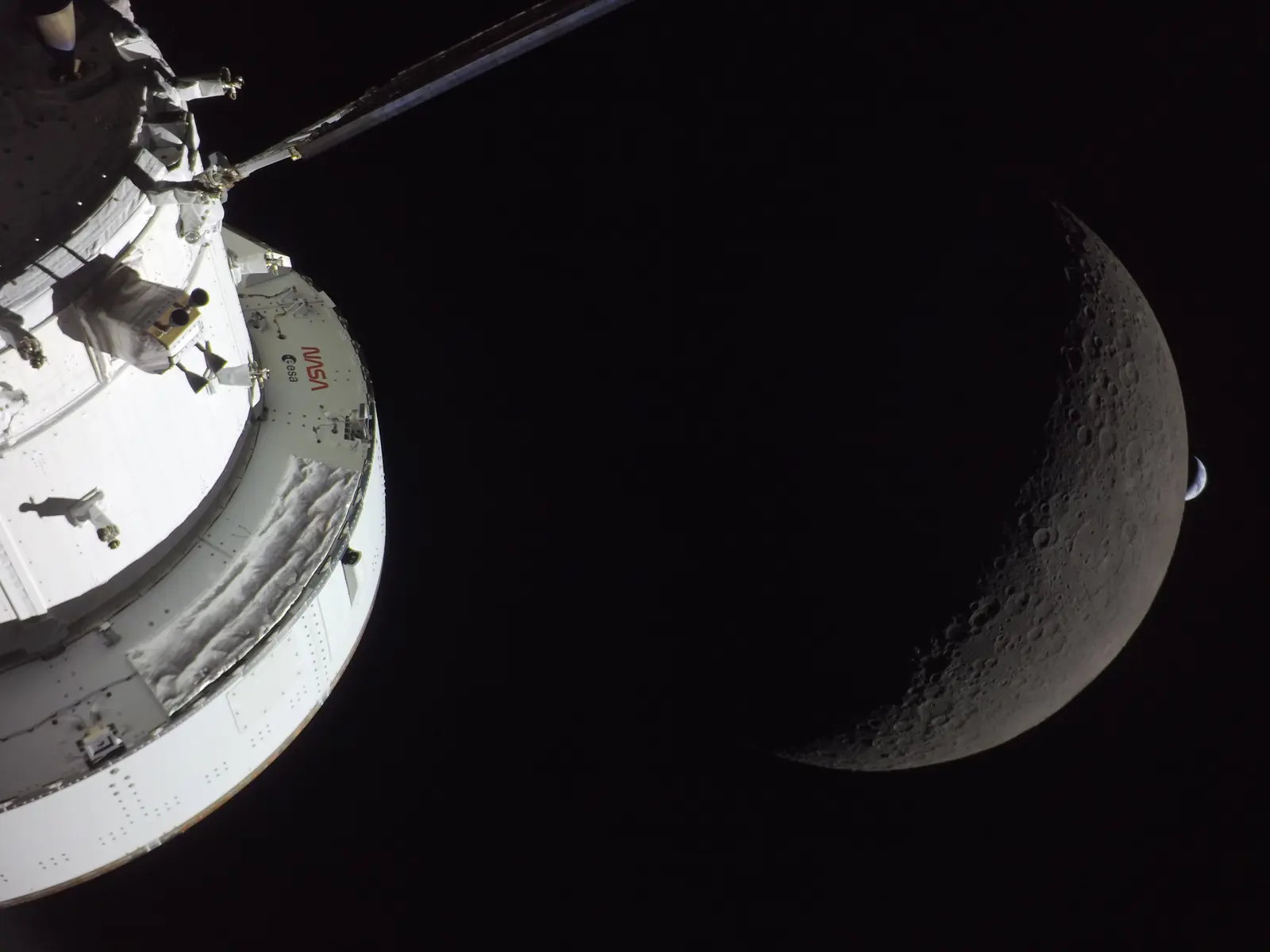
Artemis Program
OperationalReturning humans to the Moon — to stay
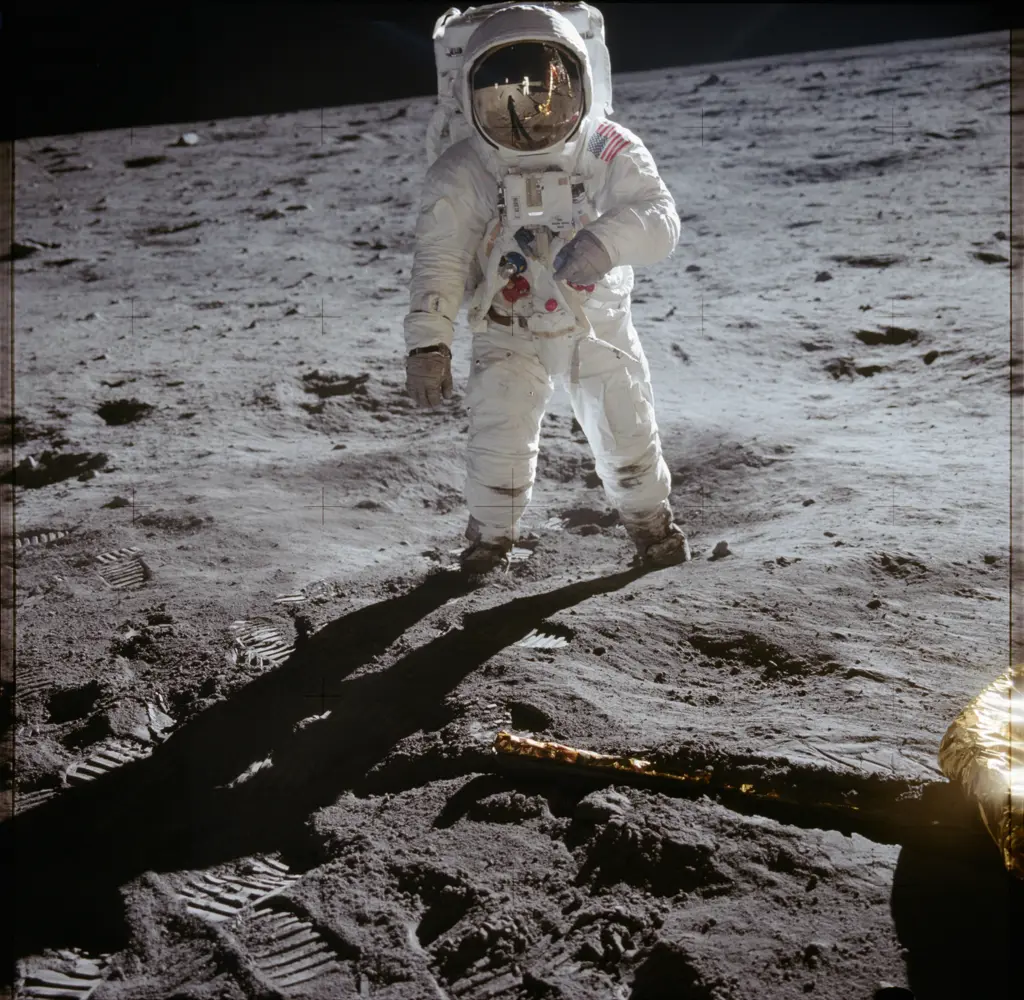
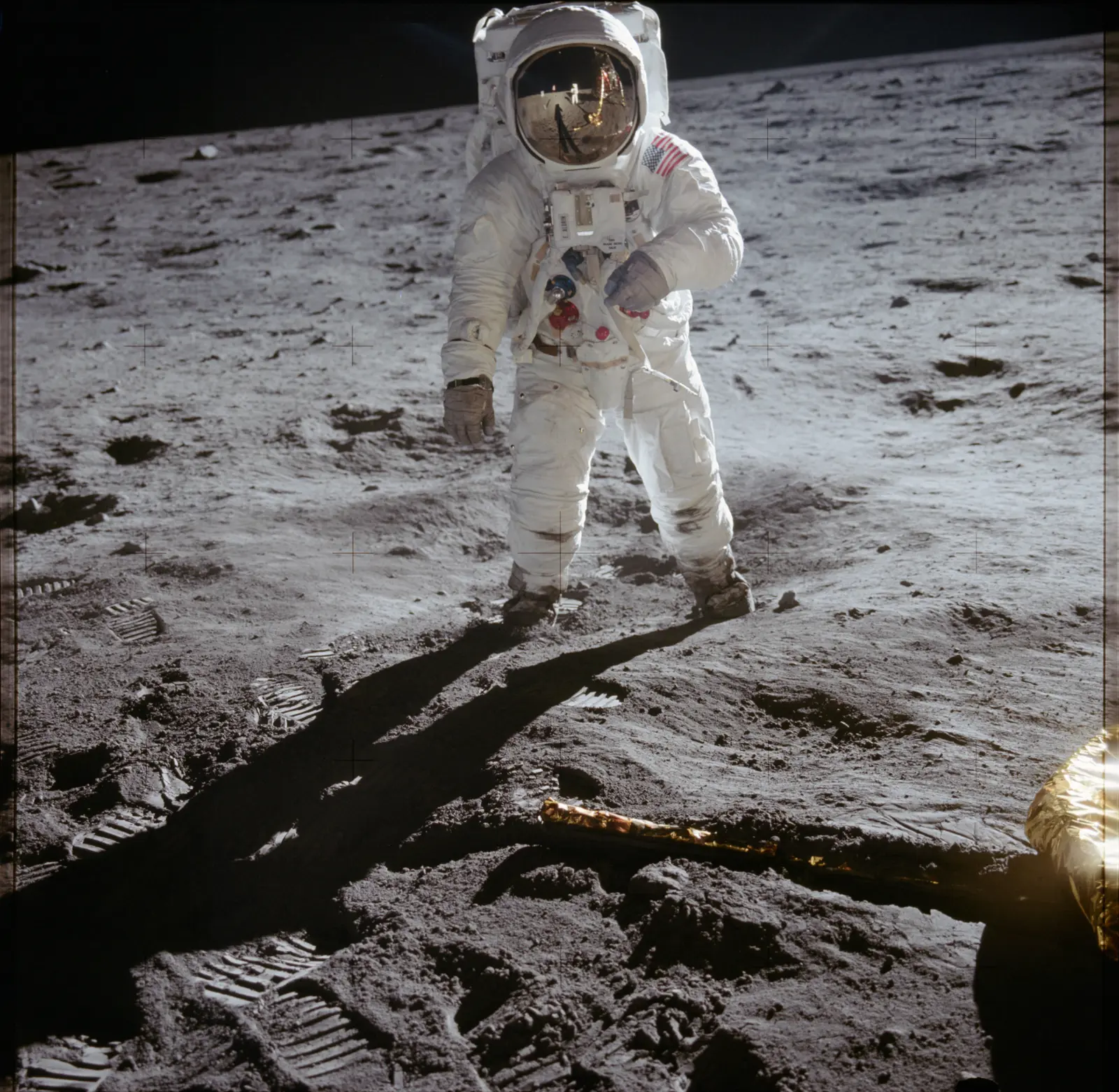
Apollo Program
RetiredLanding humans on the Moon, 1969–1972
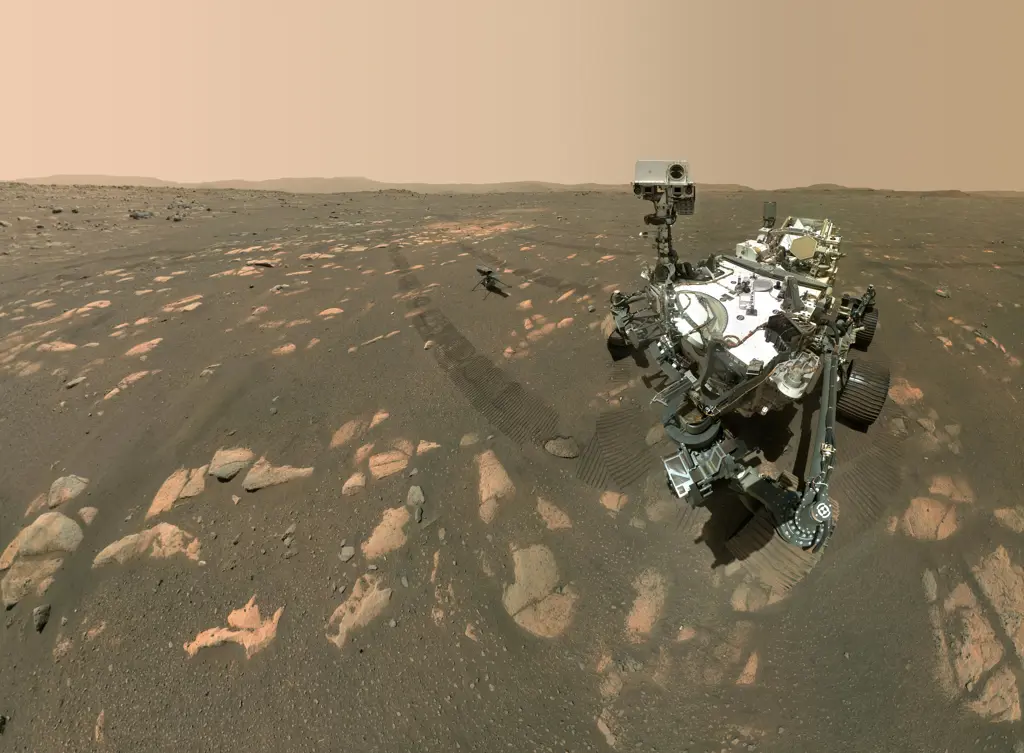
Perseverance Rover
OperationalHunting for ancient life in Jezero Crater
Sources
- Firefly Aerospace Wins $75 Million NASA JPL MoonFall Subcontract to Deliver Drones to the Moon's South Pole
- NASA wants to use a fleet of MoonFall drones to scout the lunar south pole — Space.com
- Introducing MoonFall, NASA's Lunar Drone Mission — YouTube
- MoonFall: NASA's Lunar Drone Mission — JPL
- MoonFall Drones — NASA Gallery
- NASA MoonFall Mission Explores Lunar Surface with JPL Drones — LinkedIn / JPL
- Introducing MoonFall | NASA's Lunar Drone Mission | Artemis Program — Friends of NASA
- Elytra – NASA MoonFall — Firefly Aerospace
- Firefly Awarded $177 Million NASA Contract for Mission to the Moon's South Pole
- Firefly Aerospace Wins $75 Million NASA JPL MoonFall Subcontract — SatNews