VIPER
NASA's lunar south-pole water-ice prospector — built, cancelled, and revived to map resources for future human exploration.
VIPER — Volatiles Investigating Polar Exploration Rover
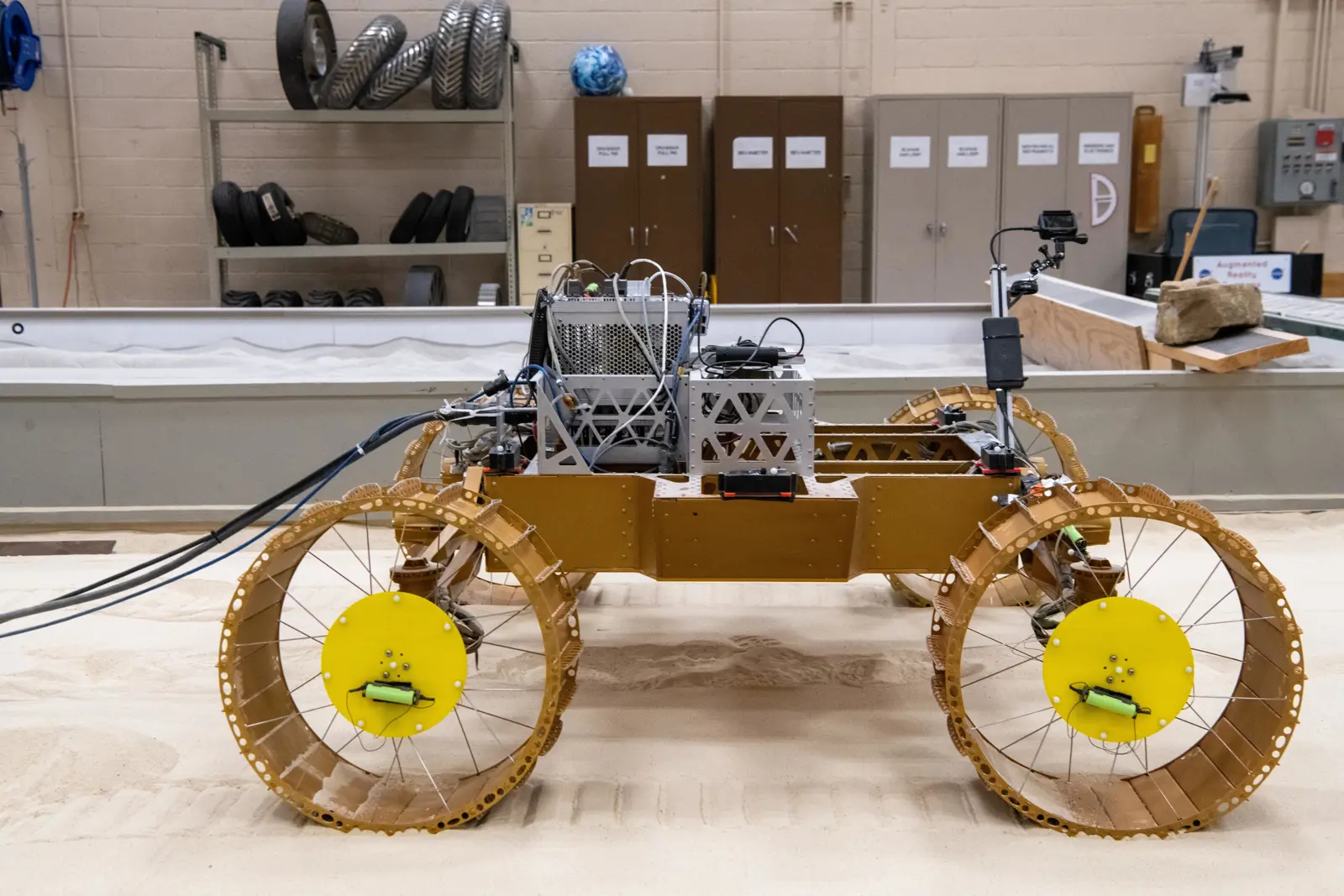
VIPER (Volatiles Investigating Polar Exploration Rover) is a NASA solar-powered robotic rover designed to land near the Moon's south pole and spend approximately 100 Earth days mapping and characterizing water ice and other volatiles in the surface and subsurface regolith. Its findings are intended to inform future Artemis Program landing site selection and in-situ resource utilization (ISRU) planning — the process by which future crews could extract oxygen and rocket propellant from lunar ice.
The rover is approximately the size of a golf cart (roughly 1.5 m × 1.5 m × 2.5 m) and carries three spectrometers and a one-meter drill as its science payload. It was developed primarily at NASA Ames Research Center and was planned for delivery to the Nobile region of the lunar south pole aboard Astrobotic's Griffin lander under NASA's Commercial Lunar Payload Services (CLPS) program.
NASA formally cancelled VIPER on 17 July 2024, citing cost growth to approximately $609.6 million and launch delays. After the completed rover was placed in close-out, NASA subsequently selected Blue Origin to deliver VIPER to the Moon in late 2027 aboard a Blue Moon MK1 lander, effectively reviving the mission.
Mission objectives
NASA defines VIPER as a lunar volatiles detection and measurement mission focused on the south polar region. Its core science objectives are to map the distribution and concentration of water ice and other volatiles — including CO₂, NH₃, and CH₄ — at and below the surface; characterize whether water exists as ice crystals, molecules bound in minerals, or hydroxyl; and investigate multiple ice stability regions (ISRs) across a range of illumination and thermal environments, including permanently shadowed regions (PSRs).
From an exploration standpoint, VIPER is intended to create resource maps showing where water and other volatiles are located and in what abundance, assess the accessibility and extractability of those volatiles for future ISRU systems, and provide the engineering-relevant data needed to design equipment capable of producing breathable oxygen and rocket propellant from lunar ice. NASA describes it as "the first resource-mapping mission on another world."
Operationally, the rover is designed to traverse roughly 20 km over approximately 100 Earth days — spanning about three cycles of lunar day and night — visiting at least six locations within the Nobile/Mons Mouton area where orbital data and prospectivity modeling indicate ice may be present. Mission operations end when the rover encounters a prolonged period of darkness and cold it cannot survive.
Instruments
- Neutron Spectrometer System
Detects hydrogen in the upper ~1 m of regolith by measuring changes in neutron flux. Hydrogen-rich soil moderates (slows) neutrons, indicating potential water ice or hydroxyl-rich material. Used continuously while driving to identify promising subsurface hydrogen concentrations that guide drilling targets.
- Regolith and Ice Drill for Exploring New Terrains
A 1-meter (3.28 ft) rotary percussive drill that excavates regolith cuttings from multiple depths for spectroscopic analysis, enabling vertical profiles of volatile content. Its tip-mounted temperature sensor measures subsurface thermal conditions with depth, helping distinguish ice-cemented ground from loose ice-bearing regolith.
- Near-Infrared Volatiles Spectrometer System
Analyzes drill cuttings and nearby surfaces to determine whether hydrogen is present as water ice or as hydroxyl bound to minerals, and identifies other volatiles (CO₂, NH₃, CH₄). Includes a near-infrared spectrometer, a seven-band context imager, a four-channel thermal radiometer, and an infrared lamp system for operations in permanently shadowed terrain.
- Mass Spectrometer Observing Lunar Operations
A quadrupole mass spectrometer detecting volatile species from 1–100 amu with unit mass resolution, including isotopic ratios such as D/H and ¹⁸O/¹⁶O. Captures gases released from disturbed regolith and drill cuttings, discriminates lunar volatiles from spacecraft contaminants, and complements NIRVSS by measuring species that escape before infrared detection.
- Visible Imaging System
Camera system for terrain visualization and science context imaging. VIPER is NASA's first lunar rover with headlights, enabling camera operations and rover navigation inside dark, permanently shadowed craters. Allows near-real-time operator control from Earth.
Science strategy and operational concept
VIPER's four instruments function as an integrated prospecting system. As the rover drives, the NSS continuously scans the subsurface for elevated hydrogen signatures down to approximately one meter. When a promising area is identified, VIPER slows or stops and the TRIDENT drill is deployed to retrieve cuttings from multiple depths at that site.
NIRVSS then examines the exposed cuttings and nearby surface, determining the physical and chemical state of volatiles — distinguishing water ice from hydroxyl and characterizing associated minerals. Simultaneously, MSolo samples gases released from the disturbed regolith, identifying volatile species and their isotopic compositions. These isotopic ratios are critical for understanding the origin and evolution of polar volatile deposits.
VIPER is designed to sample four main soil environments with distinct illumination and temperature regimes — both inside and outside PSRs — to understand how volatile deposits vary with environment. Data from all four instruments are synthesized into regional water resource maps, with particular focus on the Nobile crater area, to inform future human landing site selection and ISRU system design.
Landing site: Mons Mouton and the Nobile region
NASA selected Mons Mouton, on the western edge of Nobile crater near the lunar south pole, as VIPER's landing site. The choice was driven by four criteria applied simultaneously: sufficient Earth visibility for two-way X-band communications; available sunlight for solar power and thermal regulation; high predicted potential for near-surface water ice based on remote-sensing data and prospectivity modeling; and terrain traversable by the rover.
The area west of Nobile crater satisfies all four conditions. It includes a mix of sunlit terrain and nearby permanently shadowed regions — among the coldest locations in the Solar System, where ice may have been preserved for billions of years. Orbital data from missions including Lunar Prospector, the Lunar Reconnaissance Orbiter, Chandrayaan-1, and LCROSS had already indicated polar water ice, particularly in south polar PSRs.
A dedicated prospectivity model for the Mons Mouton landing site was developed to predict where water ice is most likely within the top ~1 m of regolith, using neutron spectroscopy, thermal models, illumination and temperature history, and other orbital data. This model guides both the exact landing zone and the planned traverse and drill locations, focusing on zones with maximum predicted ice abundance while respecting VIPER's engineering constraints.
During operations at this site, VIPER is planned to move in and out of PSRs, entering dark, ultracold craters to investigate ice and then returning to sunlit areas to recharge. Its headlights and infrared lamp (part of NIRVSS) enable scientific work and navigation inside permanently shadowed terrain where the Sun never reaches.
Delivery and CLPS partnership
VIPER was originally contracted for delivery under NASA's Commercial Lunar Payload Services (CLPS) program as Task Order TO 20A, awarded to Astrobotic Technology of Pittsburgh. Under CLPS, NASA purchases landing services rather than owning the lander; Astrobotic would build and operate the Griffin lander — a roughly 5,900 kg-class vehicle — and carry VIPER to the lunar south pole, with launch planned on a SpaceX Falcon Heavy. The CLPS delivery contract with Astrobotic was valued at approximately $320–323 million, making it the most expensive CLPS delivery to that point.
To reduce risk for the large Griffin lander, NASA requested a one-year delay and paid an additional $67.8 million for extra testing of the vehicle's guidance, navigation, and control systems. Despite this, the VIPER project's cost estimate rose above $609.6 million — more than 30% above its formal cost commitment — triggering an automatic cancellation review. The mission also slipped from an original target of 2023 to a planned launch in late 2024, then to 2025.
After VIPER's cancellation, NASA decided it would still pay Astrobotic the full approximately $323 million for Griffin landing services, reasoning that the vehicle's eventual flight to the Moon — even without NASA payloads — would benefit broader commercial lunar capability. Astrobotic subsequently reported receiving approximately 60 expressions of interest from other parties for payload space on Griffin.
Development and mission timeline
- Pre-2020Development begins at NASA Ames
VIPER grew from earlier NASA lunar resource-prospecting work and was built at NASA Ames Research Center, with rover hardware designed and built at NASA Johnson Space Center and instruments provided by NASA Ames, Kennedy Space Center, and Honeybee Robotics.
- 2020CLPS Task Order awarded to Astrobotic
NASA awarded Task Order TO 20A to Astrobotic Technology, contracting Griffin lander delivery services for VIPER to the lunar south pole, initially targeting a 2023 launch on a SpaceX Falcon Heavy.
- February 2024Final instrument installed; rover >80% built
NASA reported the TRIDENT drill — VIPER's final instrument — had been installed and the rover was more than 80% built.
- April–May 2024Rover enters environmental testing
NASA reported VIPER was entering environmental and thermal-vacuum testing and was still targeting a launch later that year.
- 17 July 2024NASA announces intent to cancel VIPER
NASA's science leadership formally announced the decision to discontinue VIPER development, citing cost growth to ~$609.6 million, schedule delays to 2025, and risk of further cost increases threatening other CLPS missions. NASA had already spent approximately $450 million on the rover itself.
- August 2024Industry expressions of interest solicited
NASA invited expressions of interest from U.S. industry and international partners to use the existing VIPER rover system at no cost to the government, with responses due 1 August 2024.
- September 2024Congressional and scientific pushback
House Science Committee leaders wrote to NASA Administrator Bill Nelson requesting detailed justification for the termination. A letter coordinated by The Planetary Society, signed by approximately 1,000 scientists and engineers, urged Congress to refuse to authorize the cancellation.
- Spring 2025Project close-out completed
Per NASA's schedule, the VIPER project office completed close-out. The completed rover was planned for disassembly with instruments and components reused on future lunar missions; three VIPER instruments were explicitly expected to fly on other lunar robotic missions.
- September 2025NASA selects Blue Origin to deliver VIPER
NASA selected Blue Origin to deliver the VIPER rover to the Moon's south pole in late 2027 aboard a Blue Moon MK1 lander, effectively reviving the mission under a new commercial delivery arrangement.
- Late 2027 (target)VIPER lunar south pole landing
Blue Origin's Blue Moon MK1 lander is targeted to deliver VIPER to the Nobile region of the lunar south pole. The Astrobotic Griffin Mission One CLPS flight is also expected to proceed without VIPER as a lander and engine demonstration, targeted no earlier than fall 2025.
What VIPER aims to determine
VIPER will produce the first in-situ maps of where water ice is located within the top ~1 m of regolith in the Nobile region, filling a major gap between orbital remote sensing and future human surface operations.
By combining NIRVSS infrared spectroscopy with MSolo mass spectrometry, VIPER will determine whether water exists as ice crystals, frost, or hydroxyl bound to minerals — a key factor in assessing its accessibility and extractability.
TRIDENT drilling to 1 m at multiple sites, coupled with NIRVSS and MSolo analysis of cuttings at each depth increment, will reveal how volatile concentrations change with depth — data unavailable from any orbital measurement.
MSolo's unit-mass-resolution capability, including D/H and ¹⁸O/¹⁶O isotopic ratios, will provide evidence for the origin and evolutionary history of lunar polar volatile deposits.
By mapping volatile abundance, depth, purity, and extractability across multiple illumination and thermal environments in the Nobile region, VIPER will directly inform which south polar sites are best suited for future human landings and in-situ resource production.
Cancellation and revival
On 17 July 2024, NASA formally announced its intent to discontinue VIPER after an internal review. Science Mission Directorate leadership stated that continuation of the project — whose cost estimate had grown to approximately $609.6 million, more than 30% above its formal cost commitment — would threaten funding for other CLPS missions within a constrained science budget. By that point NASA had spent roughly $450 million on the rover itself, not including the approximately $323 million CLPS contract with Astrobotic for delivery services.
The cancellation drew strong opposition. House Science Committee leaders wrote to NASA Administrator Bill Nelson seeking detailed cost and schedule justification, and approximately 1,000 scientists and engineers signed a letter urging Congress to refuse to authorize the cancellation, calling the decision to end VIPER after such large sunk costs "unprecedented and indefensible." NASA acknowledged that Congress holds the final authority over the termination.
Despite this pushback, NASA proceeded with project close-out through spring 2025. Plans called for disassembling the rover — which had been fully assembled and had just entered environmental testing at the time of cancellation — and reusing its instruments and components on future lunar missions. Three VIPER instruments were explicitly expected to fly on other lunar robotic missions. NASA also invited industry expressions of interest for use of the complete rover system at no cost to the government, but no public announcement followed indicating a successful external partnership.
In September 2025, NASA selected Blue Origin to deliver VIPER to the Moon's south pole in late 2027 aboard a Blue Moon MK1 lander, reviving the mission under a new commercial delivery arrangement. NASA separately confirmed that Astrobotic's Griffin Mission One CLPS flight would still proceed without VIPER as a lander and engine demonstration, targeted no earlier than fall 2025.
FAQ
Related
The Moon
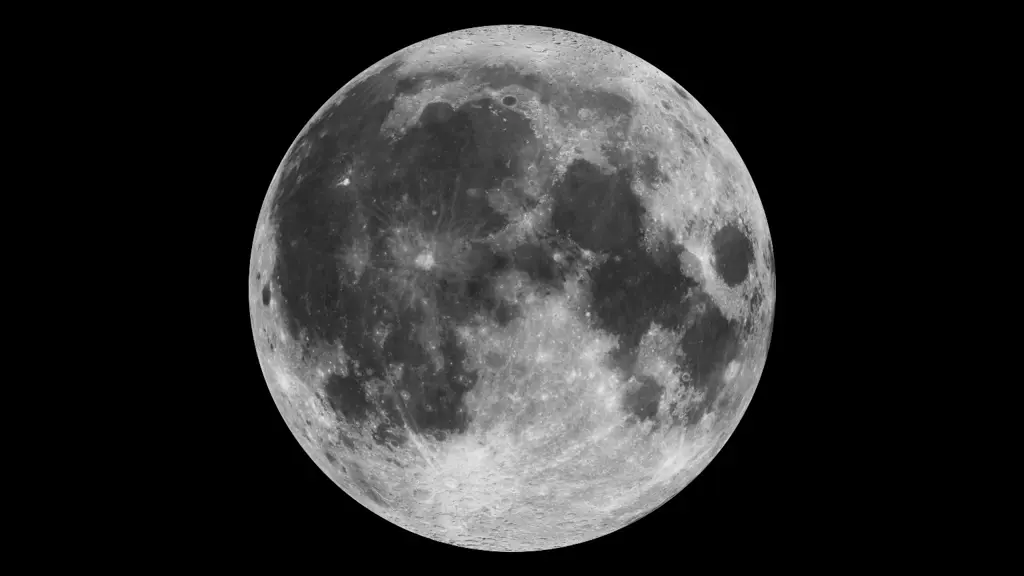
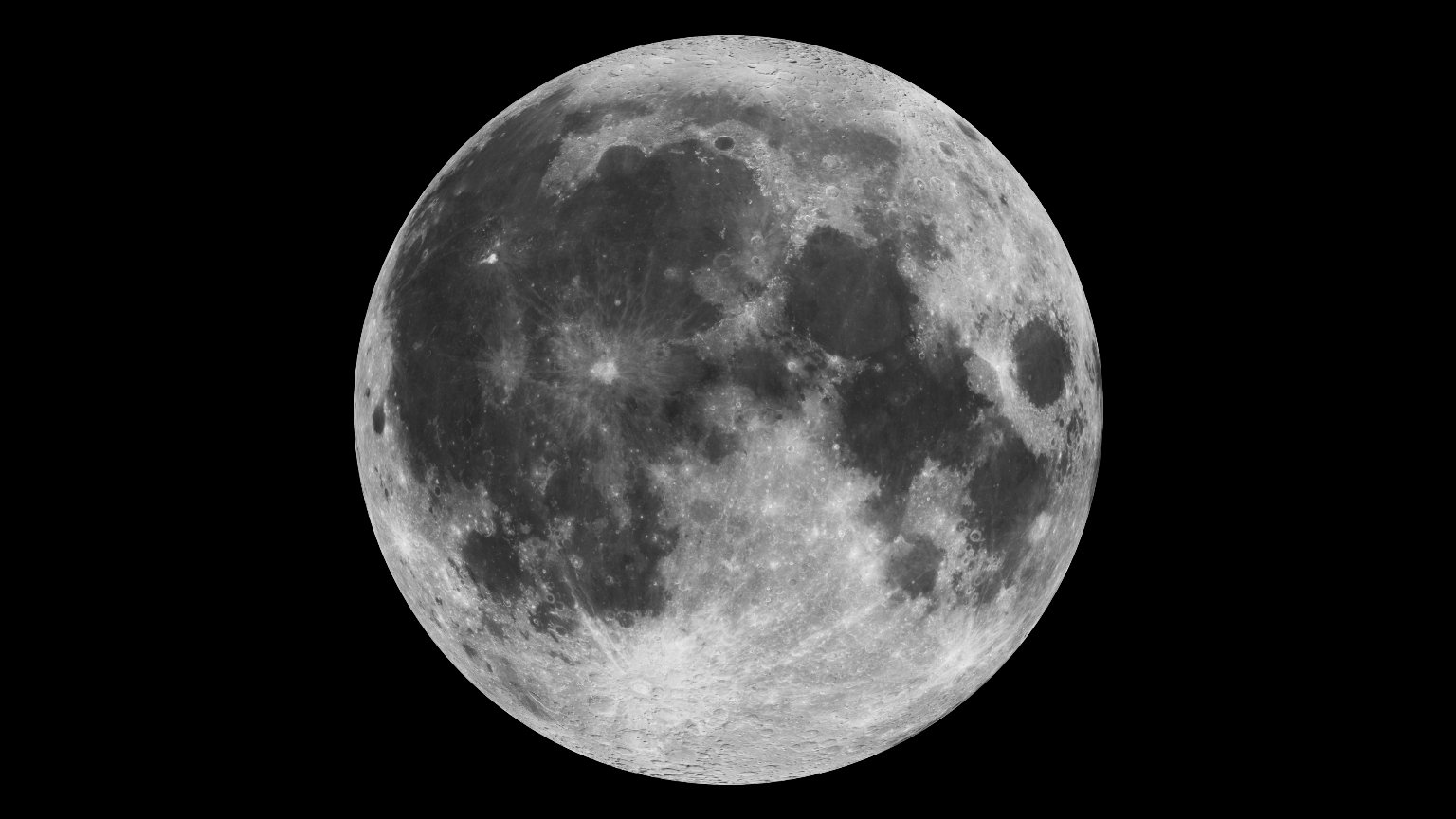
Earth's only natural satellite — a world of craters, ancient volcanoes, and frozen water that shapes our tides, steadies our seasons, and beckons a new generation of explorers.
Artemis Program
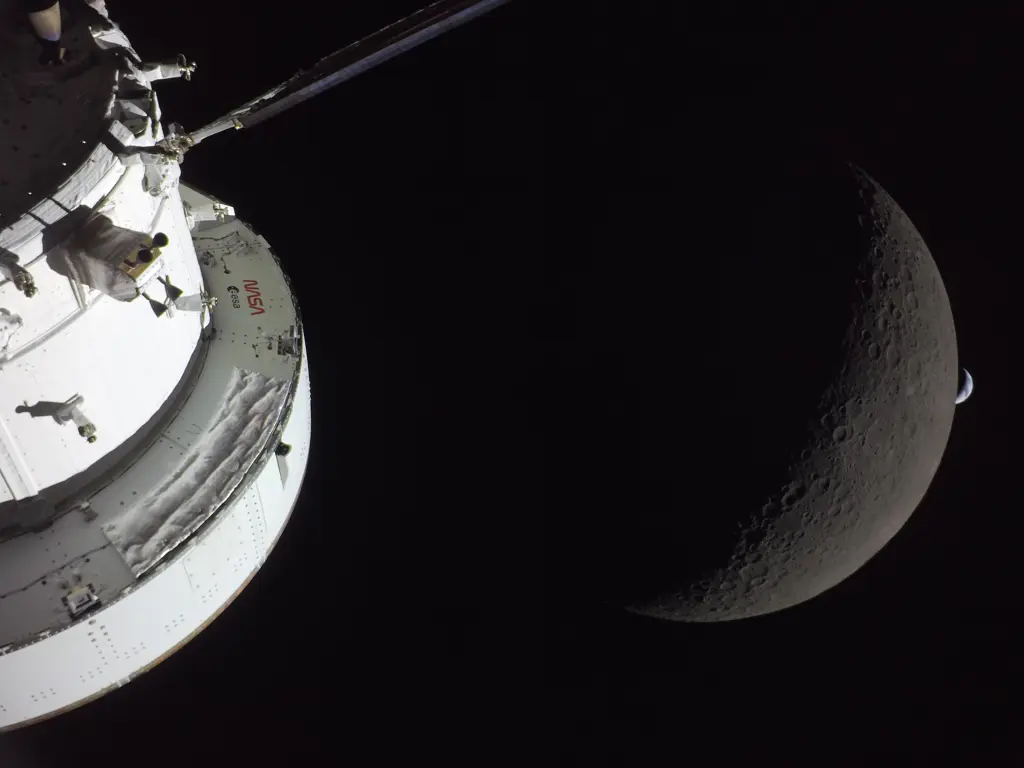
OperationalReturning humans to the Moon — to stay
Apollo Program
RetiredLanding humans on the Moon, 1969–1972
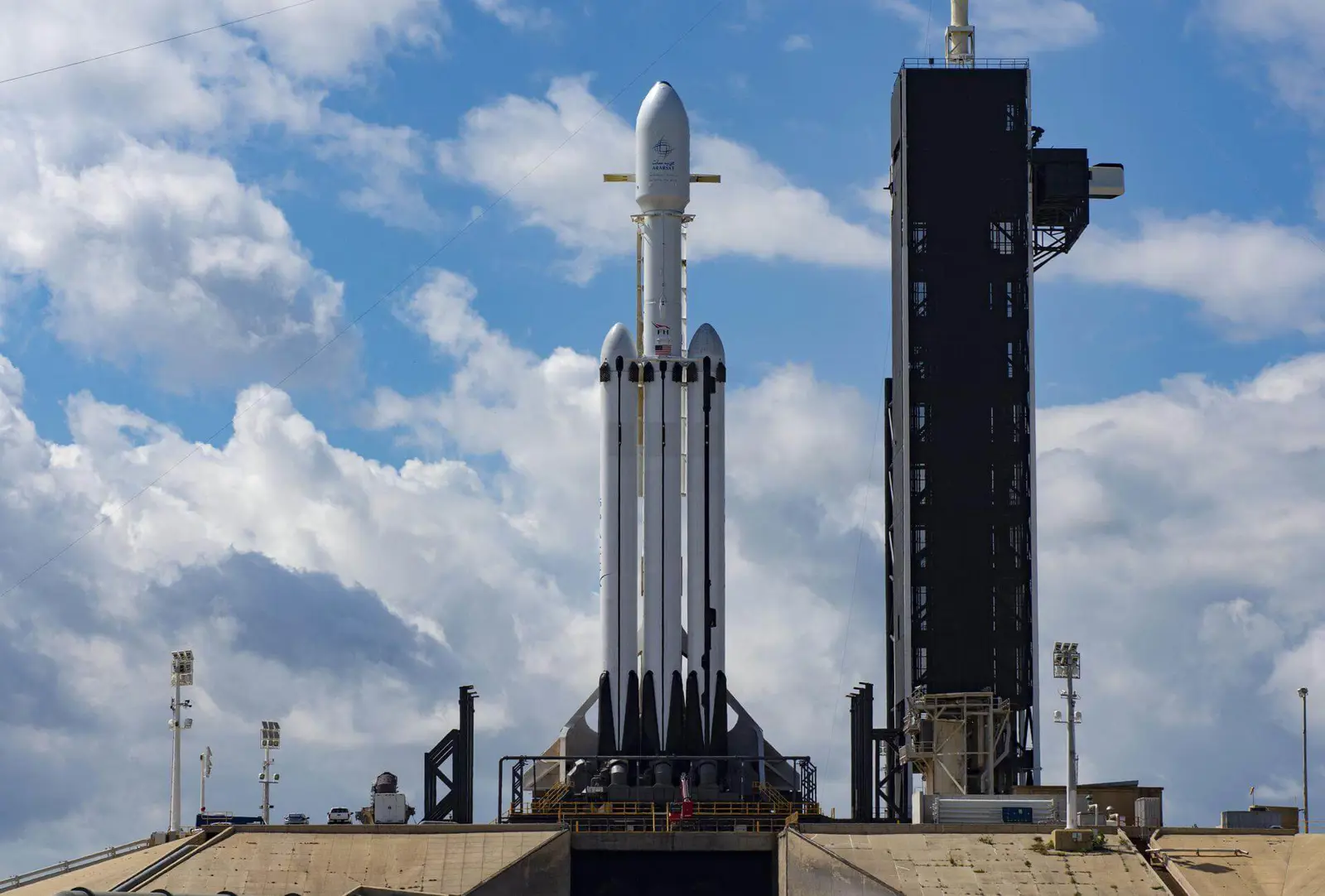
Falcon Heavy
OperationalThree Falcon 9 cores strapped together — one of the most powerful operational rockets flying.
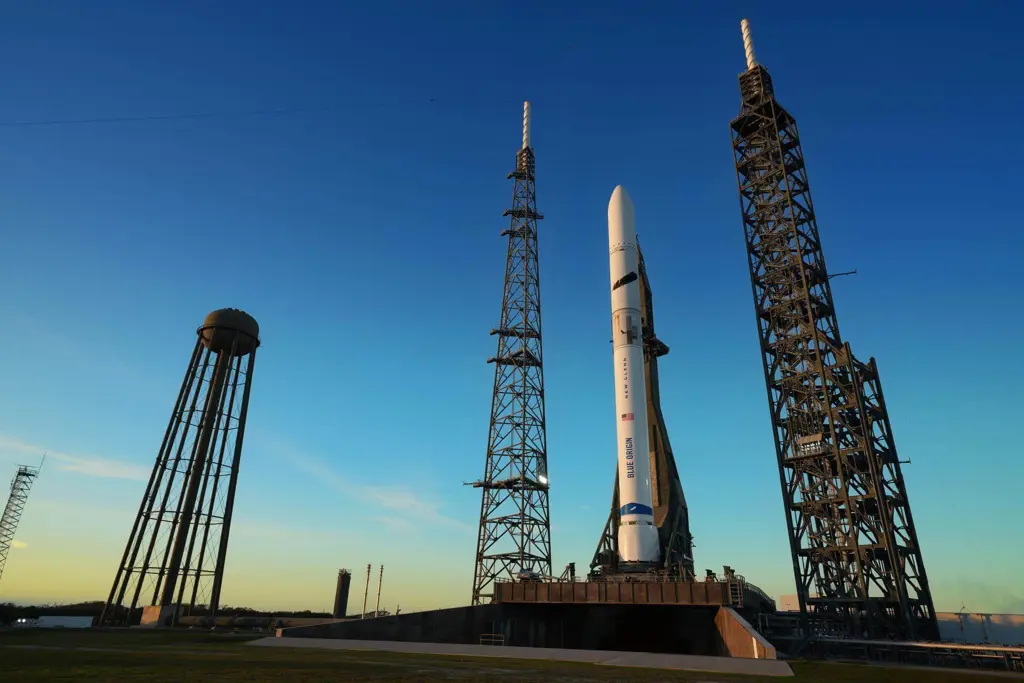
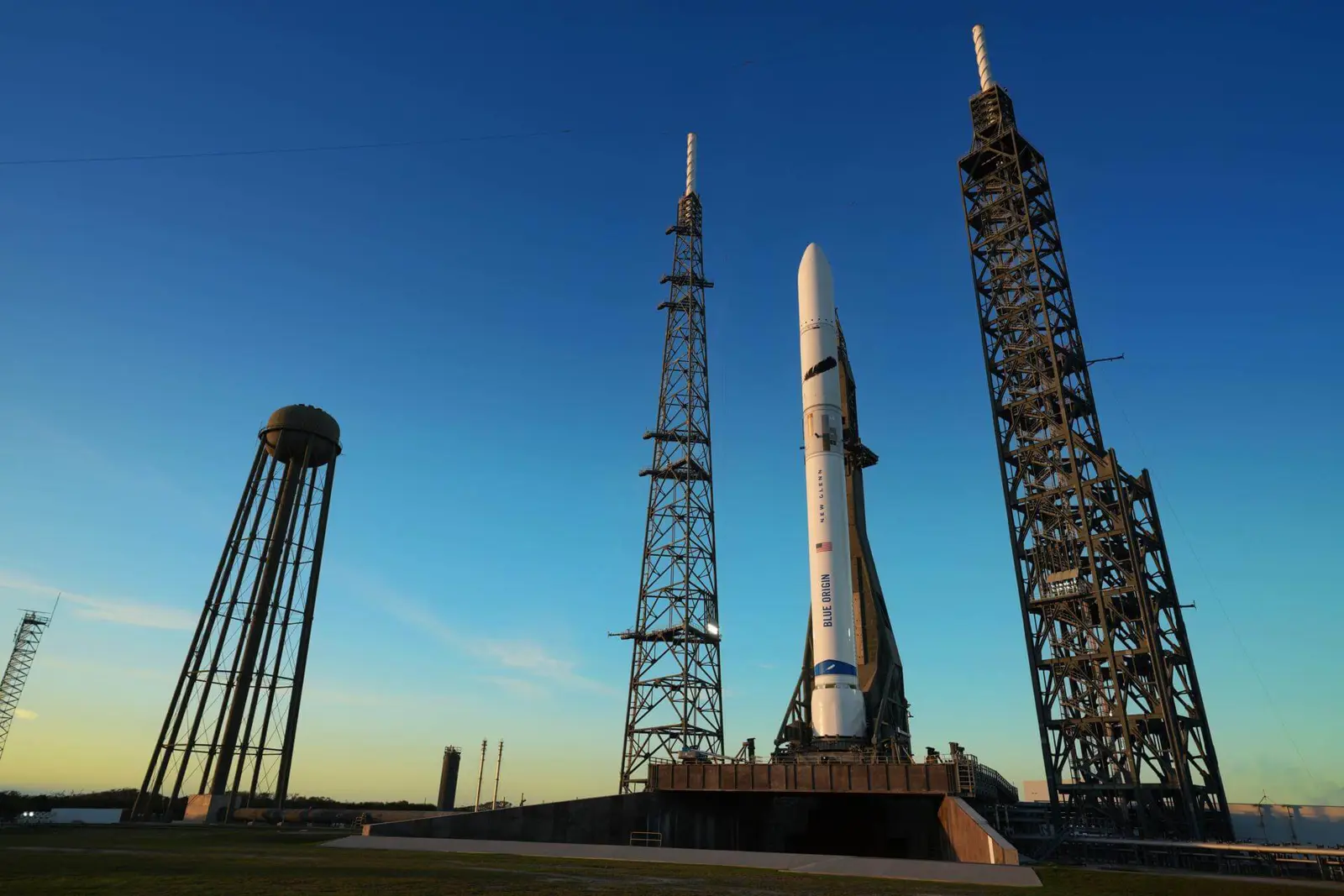
New Glenn
OperationalBlue Origin's reusable heavy-lift rocket, named for astronaut John Glenn.
Sources
- VIPER (rover) — Wikipedia
- Rover and Instruments — NASA Science
- VIPER Moon Rover — Airport Technology
- VIPER In Depth — NASA Science
- VIPER, NASA's Moon resource mapper — The Planetary Society
- VIPER Project Implementation Plan (PDF) — NASA Science
- VIPER Science Overview (PDF) — USRA/LEAG 2024
- NASA Ends VIPER Project, Continues Moon Exploration — NASA
- NASA Cancels VIPER Lunar Rover — SpacePolicyOnline.com
- NASA VIPER Moon Rover: Lawmakers Respond to Cancellation — Leonard David
- Science community takes action after VIPER mission cancellation — The Planetary Society
- The Volatiles Investigating Polar Exploration Rover Payload (PDF) — LPSC 2020
- The VIPER Landing Site — NASA Scientific Visualization Studio
- Prospectivity modeling of the NASA VIPER landing site at Mons Mouton — USGS
- NASA Selects Blue Origin to Deliver VIPER Rover to Moon's South Pole — NASA
- NASA Solidifies Lunar Strategy with Blue Origin VIPER Delivery Task Order — SatNews
- NASA Still Looking for A Way to Get VIPER to the Moon — SpacePolicyOnline.com
- Everything you need to know about NASA CLPS Moon landing missions — Jatan.space
- Commercial Lunar Payload Services — NASA Science