Chang'e 6
First samples ever returned from the lunar far side — 1,935 grams of ancient basalt from the South Pole–Aitken Basin.
Chang'e 6
Chang'e 6 was a far-side lunar sample-return mission operated by China's National Space Administration (CNSA). It launched on 3 May 2024 from the Wenchang Space Launch Site on Hainan Island aboard a Long March 5 rocket and returned to Earth on 25 June 2024, completing a 53-day mission. The return capsule landed in Siziwang Banner, Inner Mongolia, carrying 1,935.3 grams of material — the first samples ever retrieved from the Moon's far side.
The spacecraft touched down in the southern mare of Apollo Basin, within the vast South Pole–Aitken (SPA) Basin on the lunar far side, at approximately 41.6°S, 153.98°W. Because the far side permanently faces away from Earth, all surface communications were relayed through the Queqiao-2 satellite, which was launched specifically for this purpose two months before Chang'e 6.
Analysis of the returned basaltic regolith has already yielded major findings: radiometric ages of approximately 2.8 billion years for far-side mare basalts, a dramatically low water content in the far-side mantle source, and Pb–Pb ages anchoring the SPA-forming impact at about 4.25 billion years ago. These results deepen understanding of the Moon's hemispheric asymmetry and early solar system bombardment history.
Key events
- 20 Mar 2024Queqiao-2 launched
The relay satellite was launched on a Long March 8 rocket to support far-side communications for Chang'e 6.
- 2 Apr 2024Queqiao-2 enters mission orbit
Queqiao-2 reached its designated elliptical lunar orbit; in-orbit communication tests were completed by 12 April.
- 3 May 2024Chang'e 6 launched
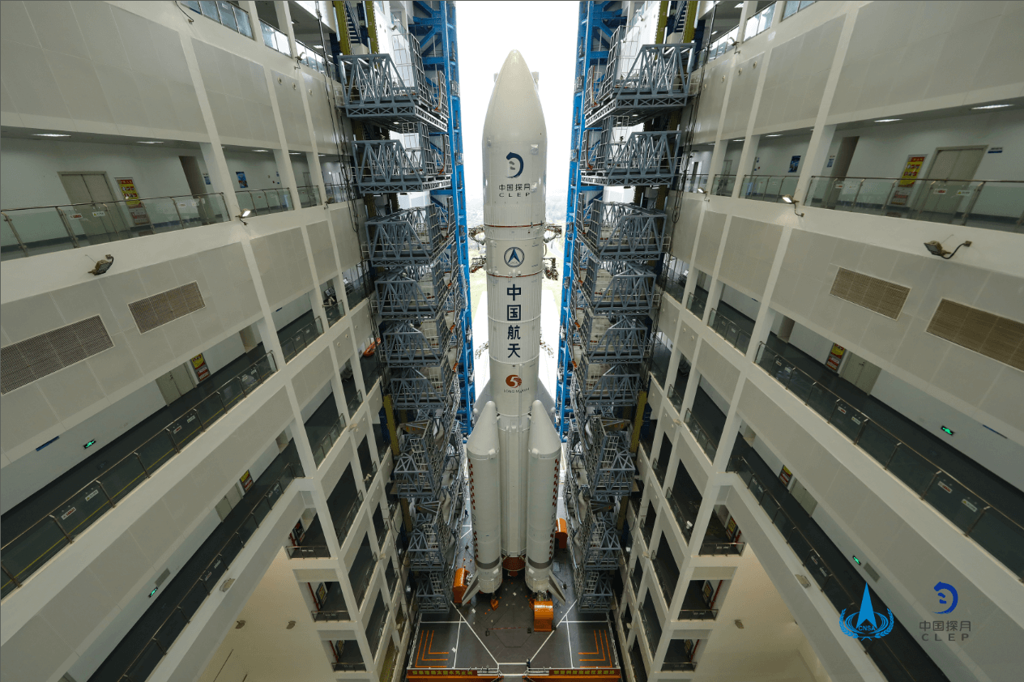
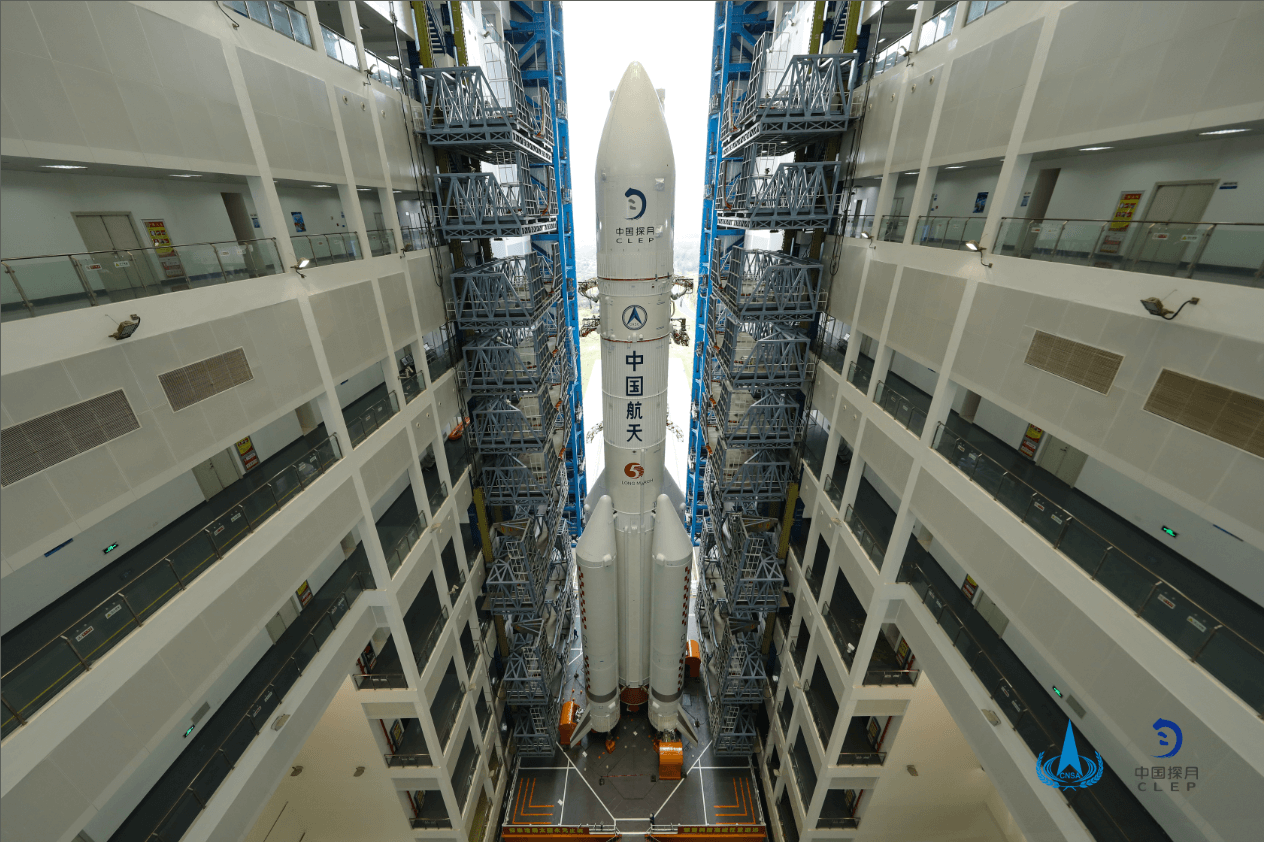
Lifted off at 09:27 UTC on a Long March 5 from Wenchang Space Launch Site, Hainan Island.
- 8 May 2024Lunar orbit insertion
Following near-Moon braking, the spacecraft entered circumlunar orbit.
- 30 May 2024Lander–ascender separation
The lander–ascender combination separated from the orbiter–returner combination in lunar orbit.
- 1 Jun 2024Lunar landing
The lander touched down at 22:23 UTC in Apollo Basin within the South Pole–Aitken Basin at approximately 42.1°S, 154.4°W — the first controlled landing on the lunar far side for sample collection.
- Early Jun 2024Surface sampling
Samples collected using a drill (subsurface) and robotic arm (surface scooping). The Chinese national flag was unfurled on the far side for the first time.
- 4 Jun 2024Ascent from the Moon
The ascender lifted off from the lunar surface carrying the sealed sample container.
- 6 Jun 2024Rendezvous and docking
The ascender rendezvoused and docked with the orbiter–returner in lunar orbit; samples were transferred to the return capsule.
- 25 Jun 2024Earth return
The return capsule performed a skip re-entry and landed in Siziwang Banner, Inner Mongolia, delivering 1,935.3 g of far-side lunar material — the first ever returned from the Moon's far side.
Spacecraft design
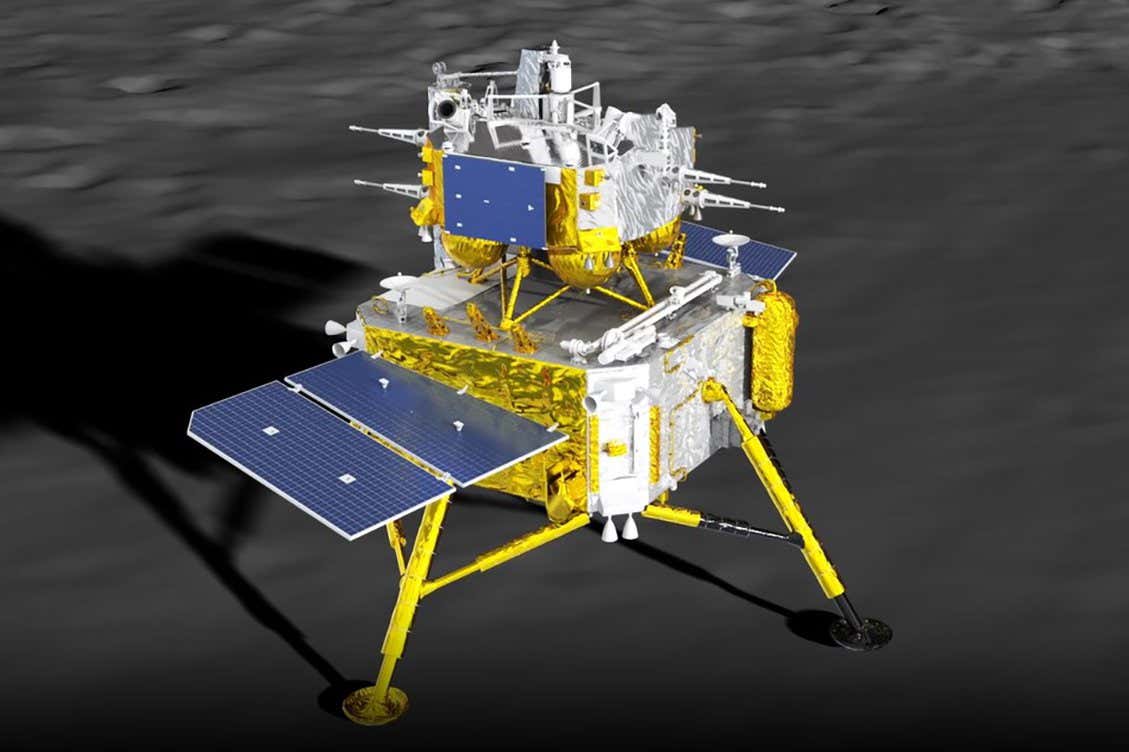
Chang'e 6 comprised four main modules — orbiter, lander, ascender, and return capsule — closely derived from the Chang'e 5 architecture. The total spacecraft mass was approximately 8,300 kg with a height of about 7.2 m and a diameter of 4.5 m.
The orbiter remained in lunar orbit throughout surface operations, providing propulsion, power via solar arrays, attitude control, and communications for the return leg to Earth. It formed an 'orbiter–returner' assembly with the return capsule while awaiting the ascender's docking after sample collection.
The lander separated from the orbiter in lunar orbit and performed powered descent to the far-side SPA basin. It housed the sampling system — including a four-degree-of-freedom robotic arm, scooping sampler, drilling system, and binocular camera for vision-based sampling — as well as Chinese and international science payloads. The ascender was mounted atop the lander; after receiving the collected samples it launched from the surface, rendezvoused and docked with the orbiter–returner combination, and transferred the sealed sample container to the return capsule.
The return capsule was attached to the orbiter for most of the mission. After receiving the samples in lunar orbit, it separated from the orbiter near Earth and performed a high-speed skip re-entry — bouncing off the upper atmosphere to manage re-entry heating and speed — before landing under parachutes in Inner Mongolia.
Because the lunar far side has no line-of-sight to Earth, the Queqiao-2 relay satellite was essential for all phases of far-side operations. Launched on 20 March 2024 on a Long March 8 rocket, Queqiao-2 was equipped with a 4.2-metre-diameter parabolic antenna — one of the largest deep-space relay antennas flown beyond Earth. All telemetry, science data, and command uplinks between the lander or ascender and ground stations were routed through Queqiao-2 during the surface phase, and the relay was also used during orbital rendezvous and docking when geometry required it.
Landing site: Apollo Basin and the South Pole–Aitken Basin
Chang'e 6 landed in southern Apollo Basin, an impact crater approximately 492 km in diameter situated in the northeastern portion of the South Pole–Aitken (SPA) Basin. The SPA Basin is the oldest and largest recognized impact structure on the Moon, spanning roughly 2,500 km across. Radiometric dating of impact-melt norite clasts in the Chang'e 6 samples has anchored the SPA-forming impact at approximately 4.25 billion years ago.
The specific landing area — designated Statio Tianjiang — lies on a mare basalt unit within Apollo Basin with a model age of approximately 2.5–2.8 billion years, representing a relatively young volcanic fill inside a much older impact basin. The site was selected because it simultaneously offered access to young far-side basalts, deep impact-excavated materials mixed into the regolith from both Apollo and SPA events, and sufficient solar illumination and flat terrain for a safe far-side landing.
Key scientific objectives connected to this site included dating the SPA and Apollo basin-forming events via impact-melt clasts, characterizing far-side mare volcanism and understanding why it appears more limited than nearside volcanism, probing the subsurface regolith structure with a penetrating radar, constraining lunar interior composition via deep-seated materials excavated by the impacts, and providing the first in-situ calibration reference for remote-sensing datasets over the SPA Basin.
Science instruments and international payloads
- Detection of Outgassing Radon (France)
Active instrument on the lander. Detected radon gas outgassing from the lunar crust and studied transport of lunar dust and volatiles between the regolith and exosphere. Designed and built at IRAP under CNES contract. Noted as the first active French instrument deployed on the lunar surface.
- INstrument for landing-Roving laser Retroreflector Investigations (Italy)
Passive corner-cube laser retroreflector on the lander, provided by the Italian Space Agency (ASI). Enables precise ranging to the lander from orbit or Earth.
- Negative Ions at the Lunar Surface (Sweden / ESA)
Scientific instrument on the lander developed in Sweden with ESA support. Measured negative ions produced at the lunar surface by interaction with the solar wind, characterizing the near-surface plasma environment on the far side.
- ICUBE-Qamar CubeSat (Pakistan)
Small CubeSat released from Chang'e 6 into lunar orbit. Imaged the Moon and conducted basic observations following deployment. Developed collaboratively by Pakistan's Institute of Space Technology (IST), SUPARCO, and Shanghai Jiao Tong University.
- Lunar Mineralogical Spectrometer
Onboard the lander; characterised the mineralogical composition of the surface at the landing site.
- Lunar Regolith Penetrating Radar
Onboard the lander; probed the shallow subsurface structure (upper ~3 m) at the landing site, revealing a layered regolith recording multi-phase impacts and material redistribution within Apollo and SPA.
Key findings
Chang'e 6 returned 1,935.3 grams of basaltic regolith from Apollo Basin — the first lunar material ever collected from the far side of the Moon. These samples join approximately 382.98 kg of lunar material previously returned by Apollo, Luna, and Chang'e 5 missions, all of which came from the near side.
Radiometric analysis of the returned basalts indicates ages of approximately 2.8 billion years, revealing that volcanism in the SPA region persisted despite the far side's low abundance of heat-producing elements. This extends understanding of the Moon's volcanic history and hemispheric asymmetry.
Pb–Pb dating of impact-melt norite clasts in the Chang'e 6 samples returned ages of approximately 4.25 Ga, attributed to the original SPA-forming impact, with a secondary age of ~3.87 Ga interpreted as a later impact-resetting event. These anchor the SPA impact chronology and constrain the early solar system bombardment flux.
Analyses indicate an exceptionally low water content in the far-side mantle source region — approximately 1–1.5 μg per gram — far drier than typical near-side estimates of up to ~200 μg per gram. This sharpens the picture of lunar hemispheric asymmetry and supports a giant-impact origin scenario for the Moon.
The Lunar Regolith Penetrating Radar detected a stratified subsurface at the landing site, with an upper fine-grained, strongly weathered layer overlying a coarser-grained layer. This records multi-phase impact and material redistribution events in Apollo and SPA, and provides the first in-situ regolith reference framework for the basin.
Chang'e 6 FAQ
Related
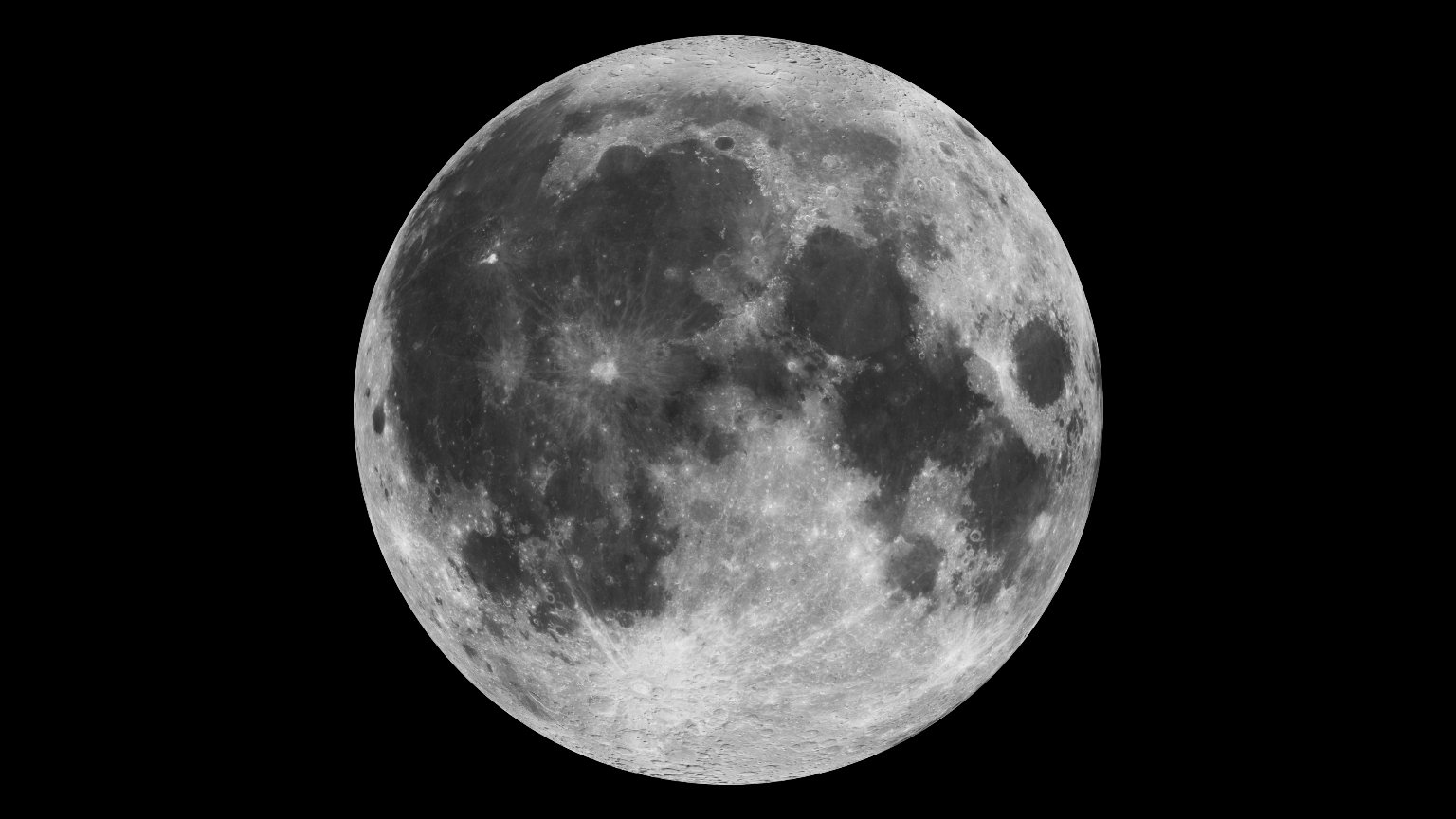
The Moon
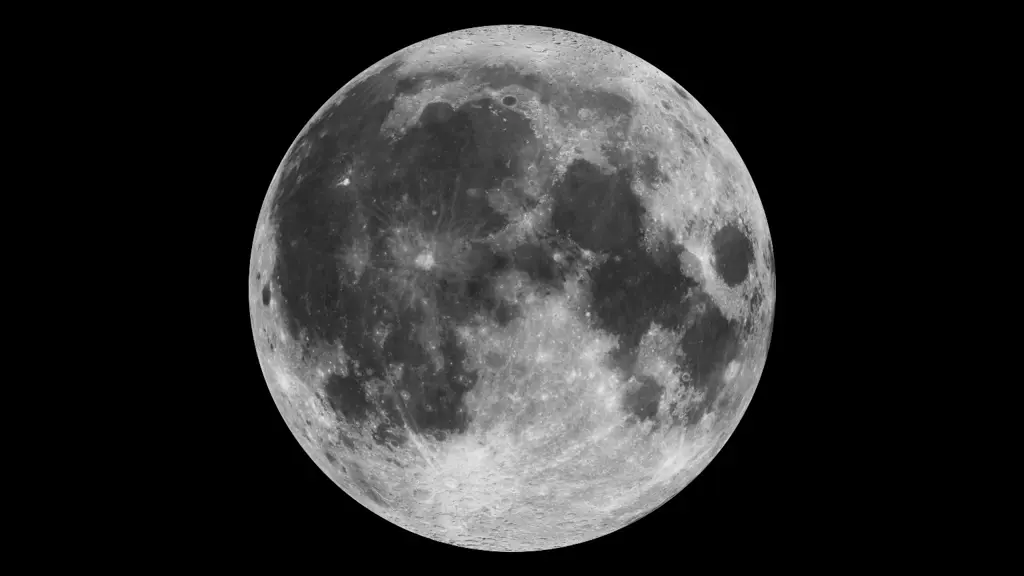
Earth's only natural satellite — a world of craters, ancient volcanoes, and frozen water that shapes our tides, steadies our seasons, and beckons a new generation of explorers.
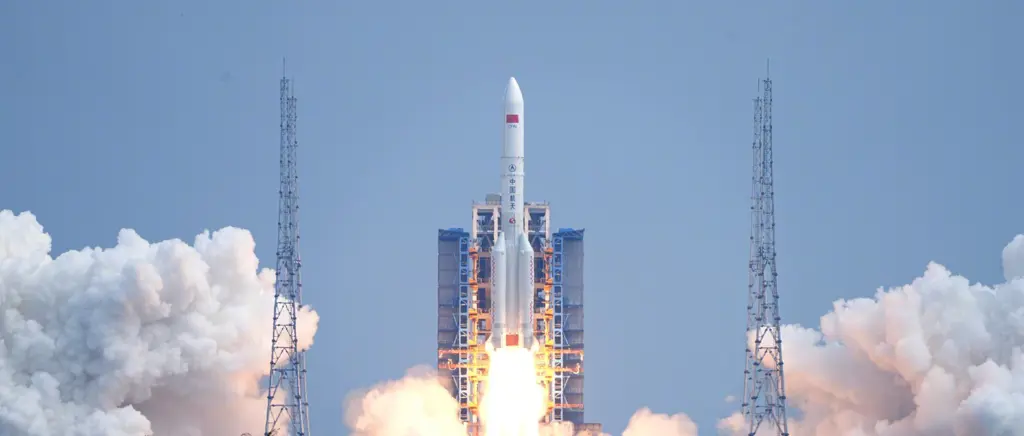
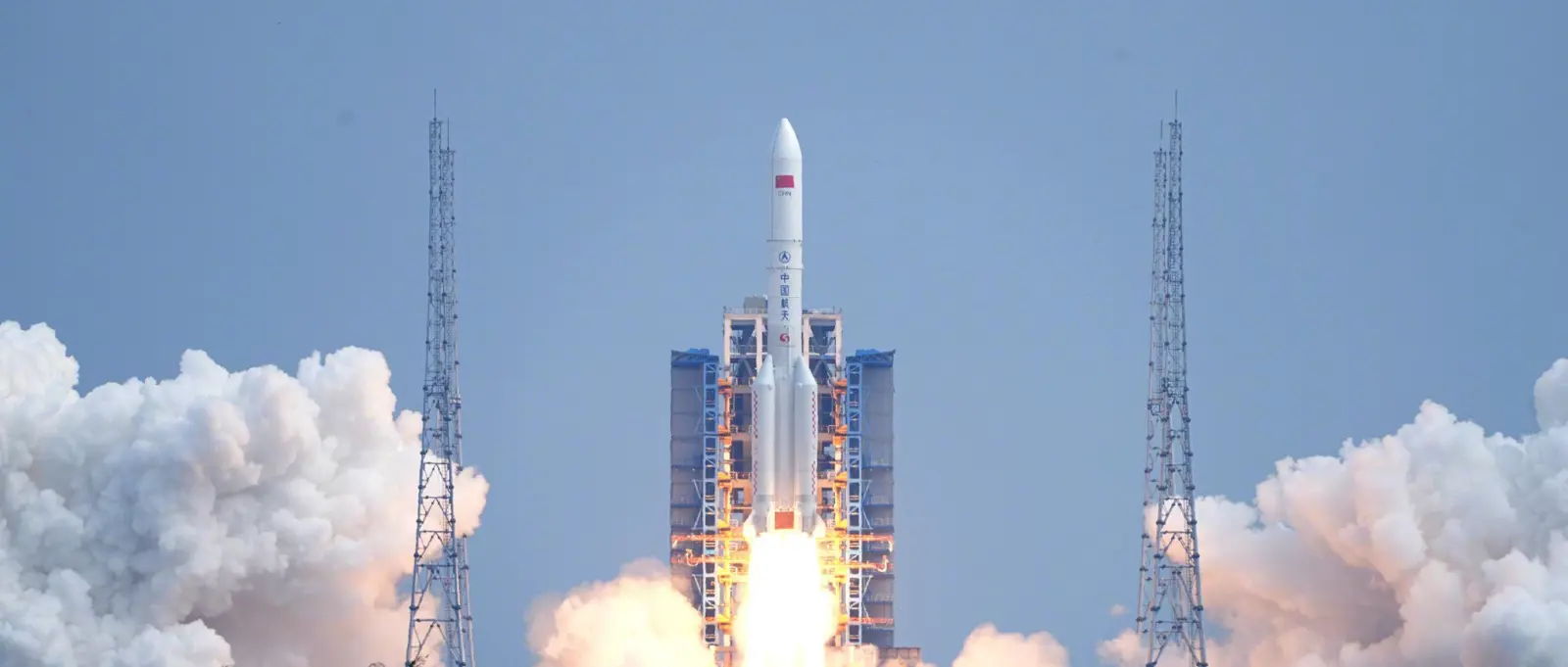
Long March 5
OperationalChina's most powerful rocket, enabling its lunar, Mars and space-station ambitions.
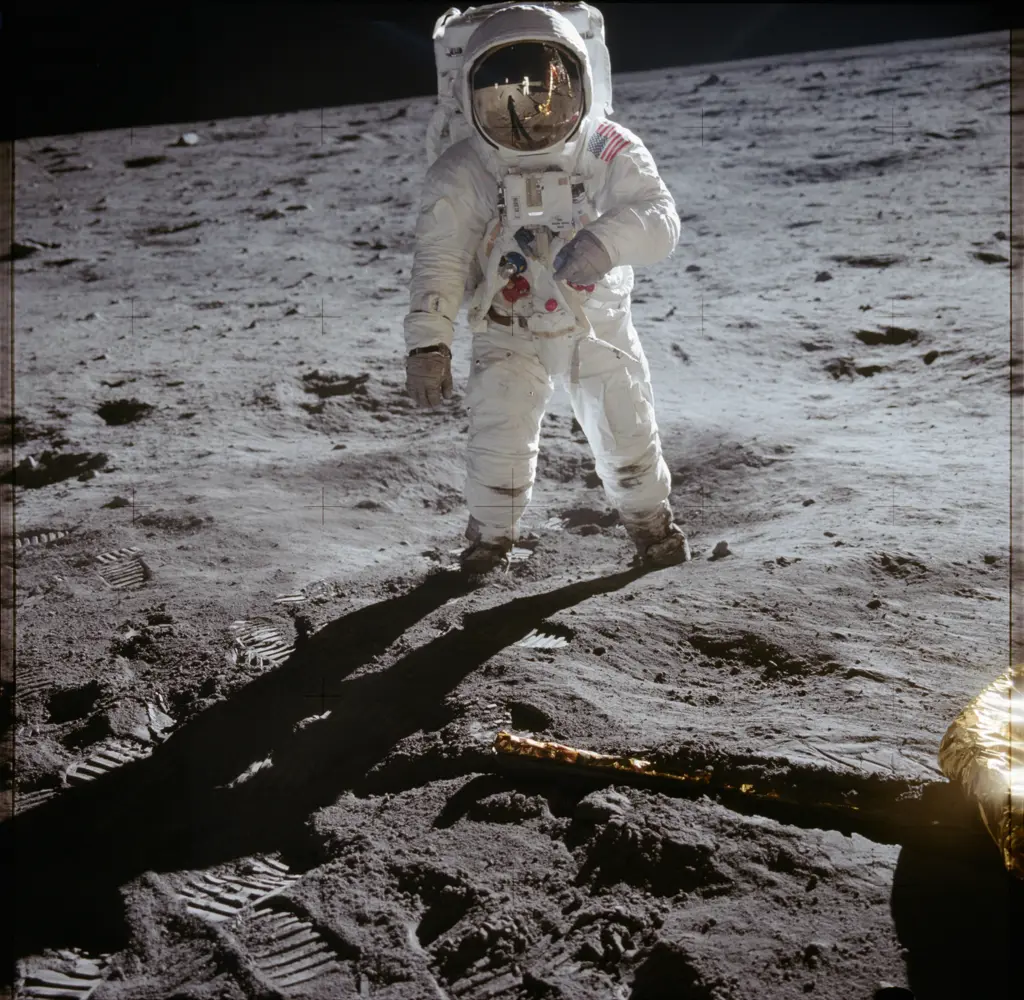
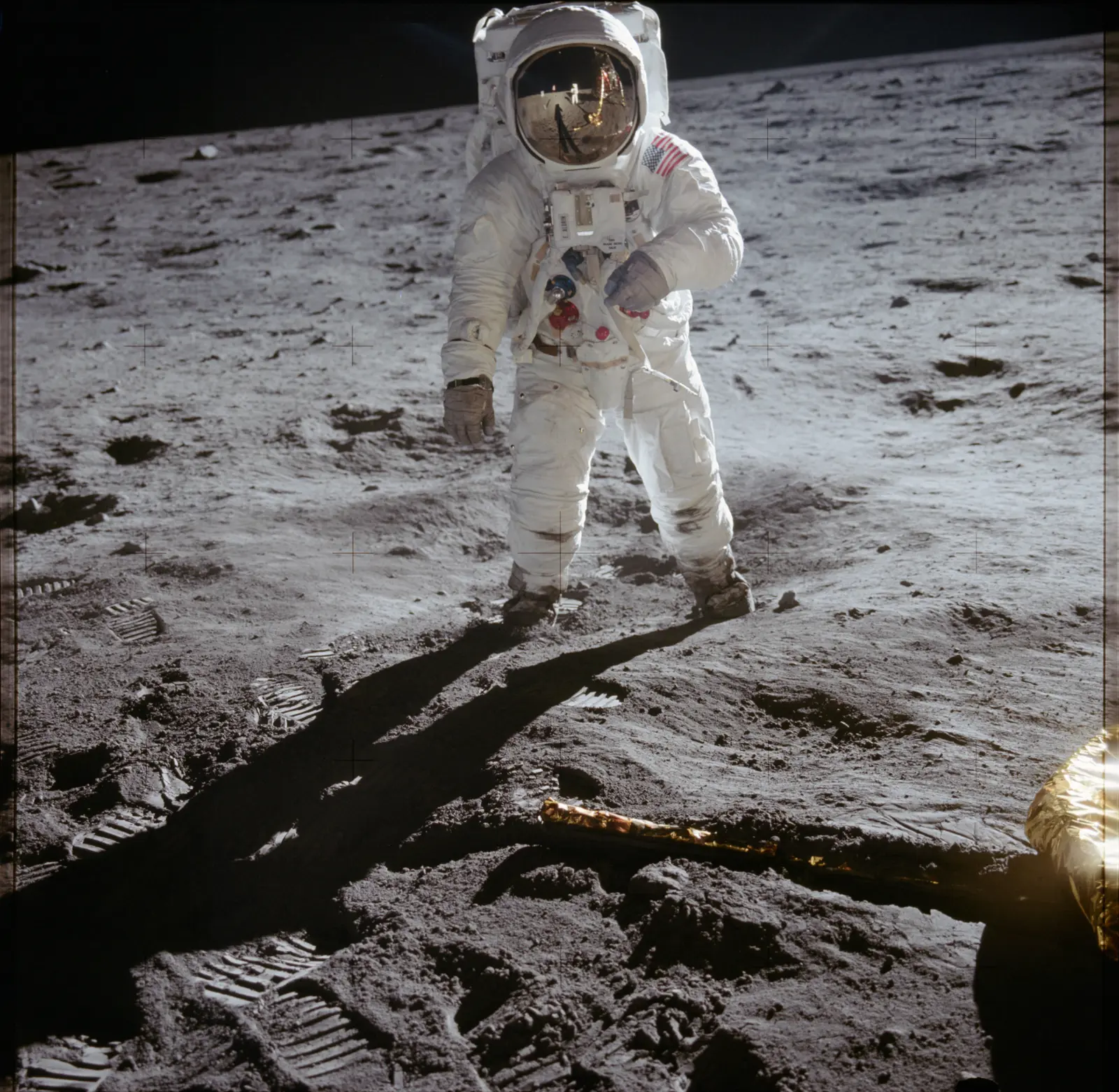
Apollo Program
RetiredLanding humans on the Moon, 1969–1972
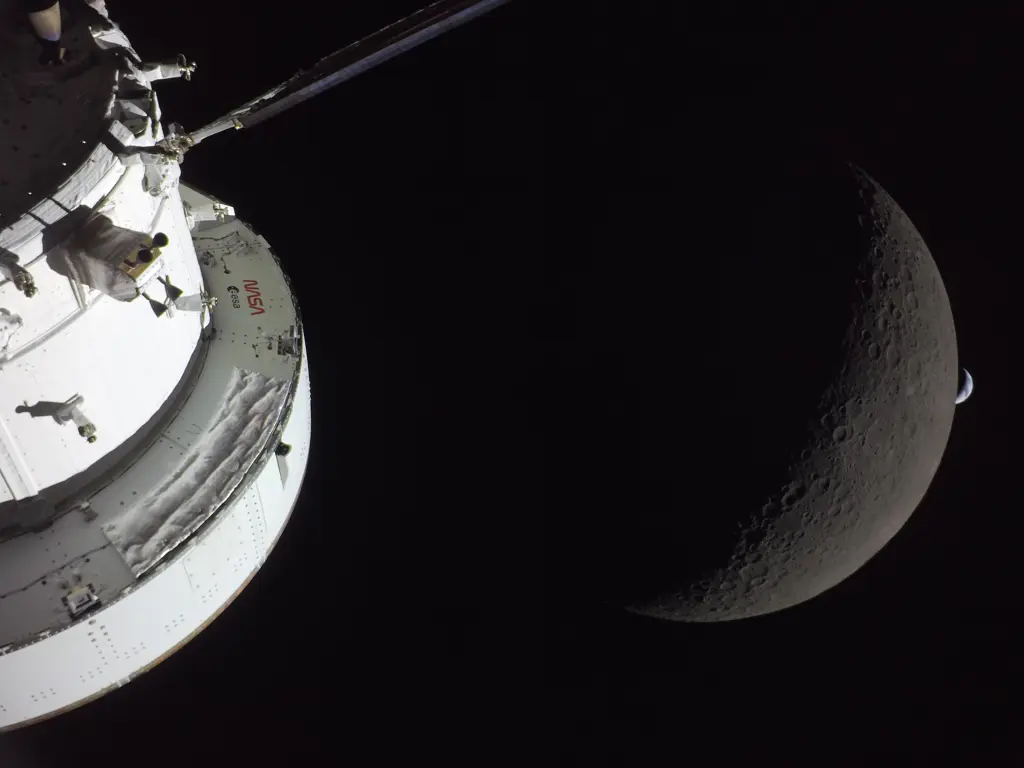
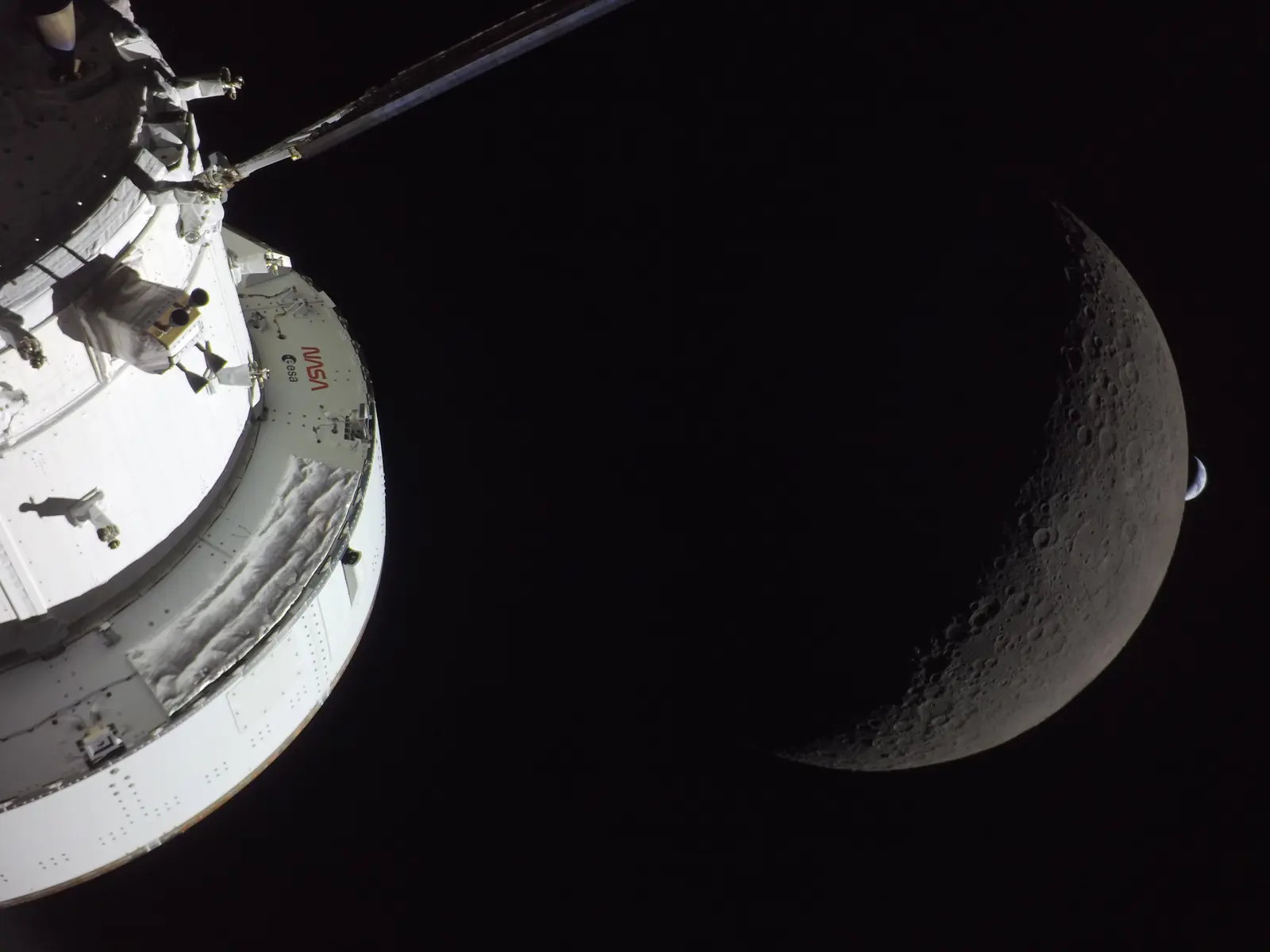
Artemis Program
OperationalReturning humans to the Moon — to stay
Sources
- Chang'e 6 — Wikipedia
- Chang'e-6: Collecting the first lunar farside samples — The Planetary Society
- Timeline of Chang'e-6 mission — CNSA
- Nature of the lunar far-side samples returned by the Chang'E-6 — National Science Review
- A sample of the Moon's far side retrieved by Chang'e-6 — Science
- South Pole–Aitken massive impact 4.25 billion years ago revealed by Chang'e-6 samples — National Science Review
- Subsoil structure at the Chang'E-6 landing site revealed by in-situ radar — Nature Communications Earth & Environment
- Geological context of the Chang'e-6 landing area — Icarus
- Chang'E-6 Mission — UNOOSA technical presentation
- The French DORN instrument successfully completes its lunar mission — IRAP
- Chang'e 5, 6 — Gunter's Space Page