IM-1 Odysseus
The first commercial soft landing on the Moon — and the first U.S. lunar touchdown in more than 50 years.
IM-1 Odysseus
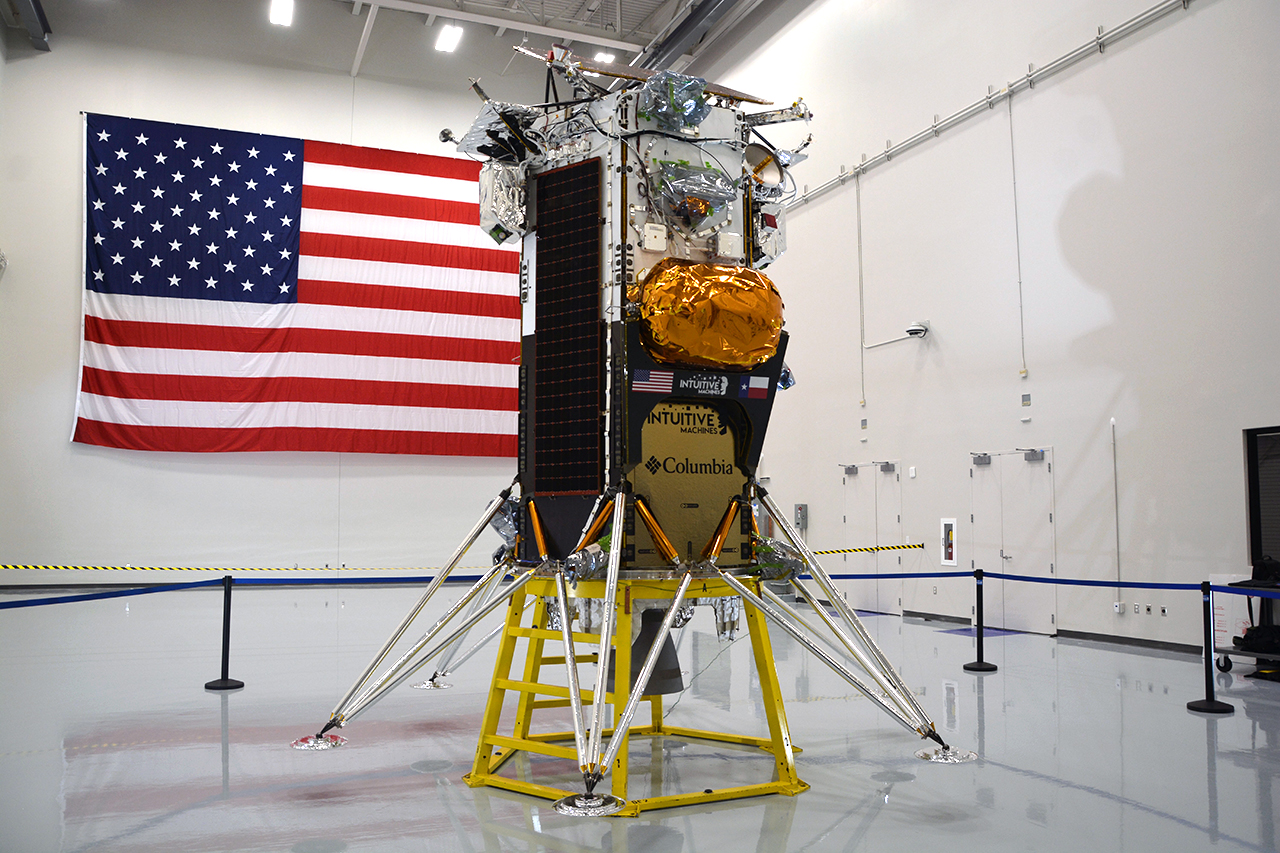
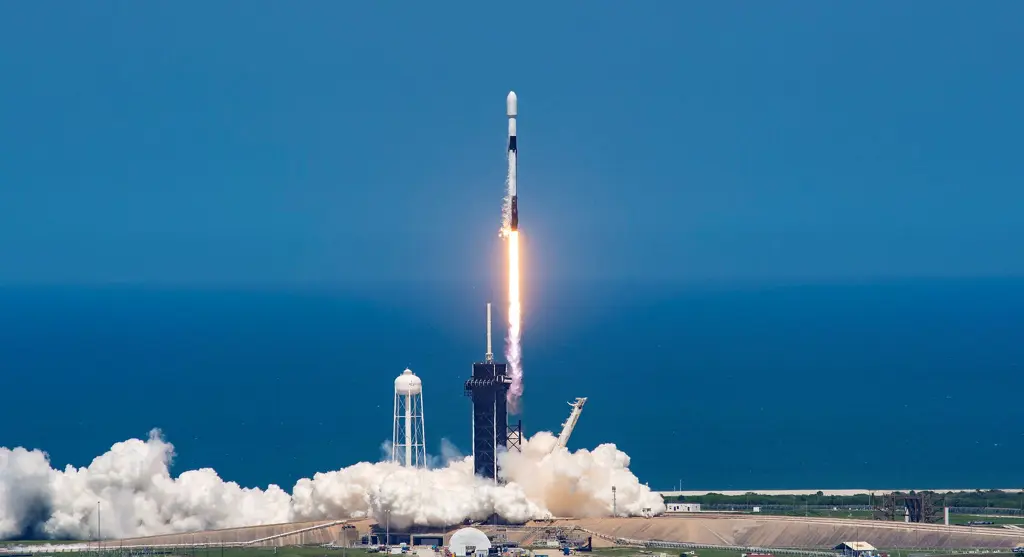
IM-1 was the first mission of Intuitive Machines' Nova-C class commercial lunar lander, named Odysseus. Launched on 15 February 2024 aboard a SpaceX Falcon 9 from Launch Complex 39A at NASA Kennedy Space Center, Florida, Odysseus touched down near the Moon's south polar region on 22 February 2024, making it the first commercial spacecraft to achieve a soft lunar landing and the first U.S. lunar landing in more than 50 years — since Apollo 17 in 1972.
The mission was contracted under NASA's Commercial Lunar Payload Services (CLPS) program, part of the broader Artemis Program campaign to return humans to the Moon. Odysseus carried six NASA science and technology demonstration instruments alongside six commercial and academic payloads, for a total of twelve payloads delivered to the lunar surface.
The lander settled at approximately 80.13°S, 1.44°E — in inter-crater terrain east of crater Malapert A, about 300 km from the south pole — within roughly one mile of its intended target. Though Odysseus came to rest at an unplanned tilt of approximately 30°, it remained operational for about seven days, returning more than 350 megabytes of science and engineering data before lunar night ended the mission on 29 February 2024.
Key events
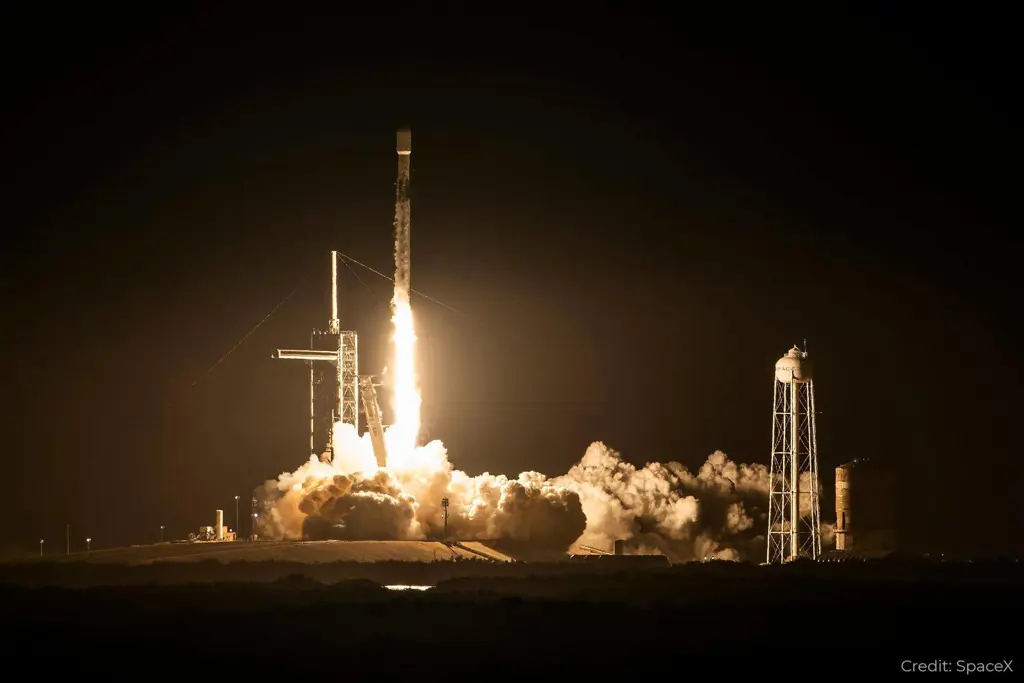
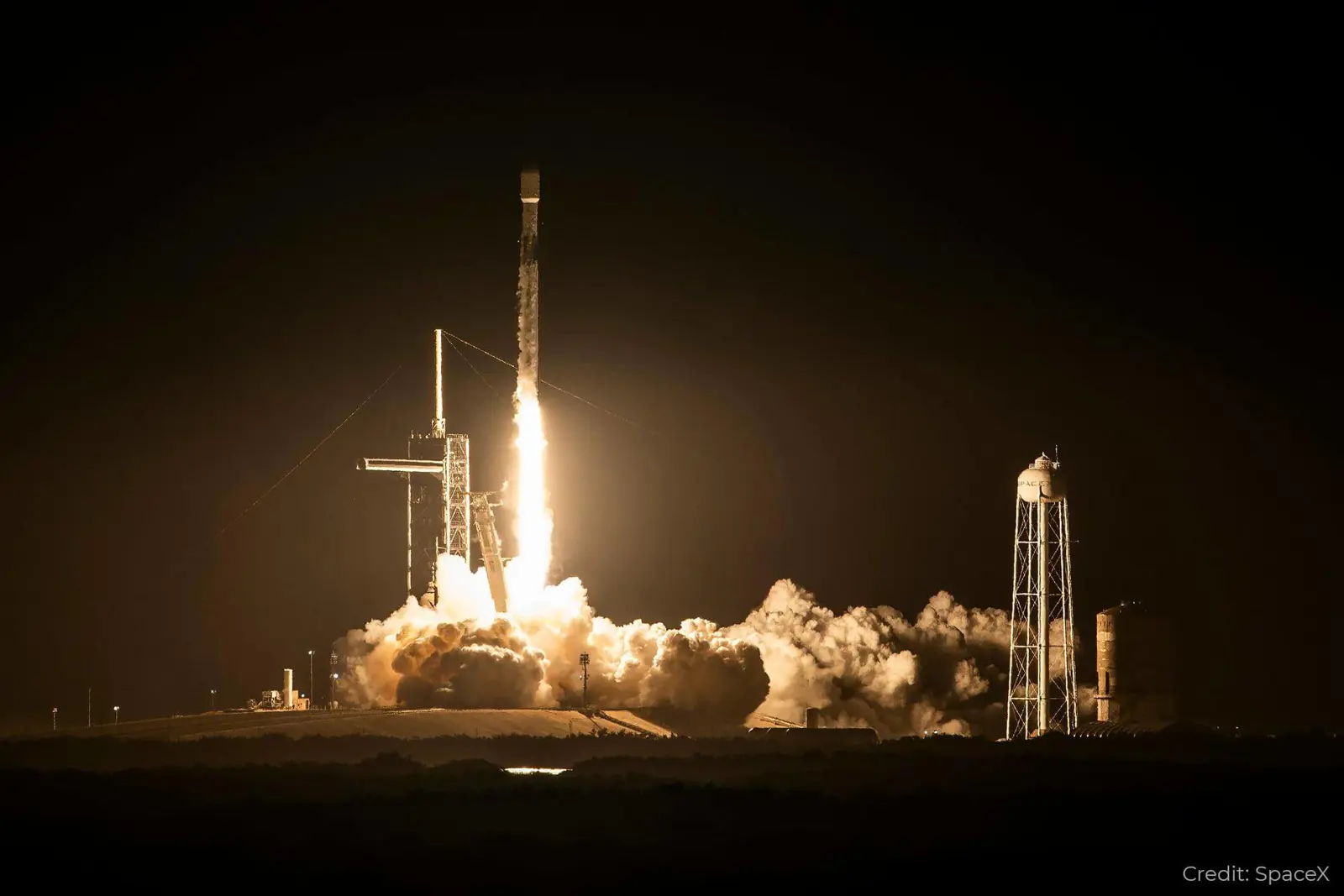
- 15 Feb 2024Launch
Falcon 9 Block 5 lifts off from Launch Complex 39A, Kennedy Space Center, at 06:05:37 UTC, placing Odysseus on a translunar trajectory from an initial ~185 × 60,000 km orbit.
- 21 Feb 2024Lunar orbit insertion
A 408-second engine burn places Odysseus into a ~92 km circular lunar orbit, approximately five days after launch.
- 22 Feb 2024Lunar landing
Odysseus performs powered descent and touches down near Malapert A crater at 80.13°S, 1.44°E in the lunar south polar region, within about one mile of its intended target. The lander comes to rest at approximately 30° from vertical.
- 22–28 Feb 2024Surface operations
All six NASA CLPS instruments and commercial payloads operate on the surface. Science data are downlinked via the Lunar Telemetry and Tracking Network. ROLSES, Lunar Node-1, NDL, RFMG, and SCALPSS all collect data; LRA is confirmed in place for future laser ranging.
- 29 Feb 2024Mission end
Odysseus transmits a farewell communication before power depletion as local lunar night begins, ending approximately seven days of surface operations as planned.
Scientific and technology instruments
- Radiowave Observations at the Lunar Surface of the photoElectron Sheath
Low-frequency radio science instrument measuring radio noise from Earth and the Sun and characterizing the near-surface plasma and photoelectron sheath environment at the lunar surface. Operated successfully after landing, providing new in-situ data on the south polar plasma environment for the first time in decades.
- Lunar Node-1 Navigation Demonstrator
Communications and navigation technology demonstration acting as an autonomous navigation and communication node. Operated in transit and on the surface, collecting multipath and radio navigation data relevant to future lunar positioning and autonomous navigation architectures.
- Navigation Doppler Lidar for Precise Velocity and Range Sensing
Active laser sensor measuring the lander's altitude, velocity, and range during powered descent. Used operationally to guide Odysseus to the surface when onboard rangefinders were unavailable; NASA reported the instrument performed better than expected, supplying high-fidelity guidance, navigation, and control data.
- Radio Frequency Mass Gauge
Radio-frequency technique integrated directly into the Nova-C propulsion system to measure the quantity of cryogenic liquid methane and liquid oxygen in the lander's tanks during transit and powered descent. First use of this gauging technology directly within a spacecraft propulsion system; data collected will guide future improvements for methalox missions.
- Stereo Cameras for Lunar Plume–Surface Studies
Suite of stereo cameras imaging the interaction between the descent engine plume and lunar regolith. Captured imagery during transit and after landing; images contain scientific information about plume–regolith dynamics, ejecta, and dust transport relevant to future south polar landers. The cameras were not successfully commanded to image plume–surface interaction at the moment of touchdown.
- Laser Retroreflector Array
Passive optical retroreflector providing a permanent geodetic location marker on the Moon. Accessible to NASA's Lunar Reconnaissance Orbiter LOLA instrument for laser ranging, enabling precise determination of the lander's resting coordinates and long-term reference for surface and orbital navigation.
Mission background and objectives
IM-1 was the first delivery mission under NASA's Commercial Lunar Payload Services program, which tasks commercial vendors with providing end-to-end lunar lander services — from integration through surface delivery — in support of the Artemis campaign. Intuitive Machines was one of several companies to receive a CLPS task order, with IM-1 targeting the lunar south polar region, a high-priority area for future human exploration due to the presence of permanently shadowed regions and potential water ice.
The primary objectives of IM-1 were to deliver six NASA science and technology demonstration instruments to the south polar terrain, collect new in-situ lunar surface data for the first time in over 50 years via a commercial lander, and demonstrate precision landing and navigation technologies. A secondary objective was to serve as a pathfinder for Intuitive Machines' subsequent CLPS missions. Six additional commercial and academic payloads flew alongside the NASA suite, including cameras and materials experiments.
The Nova-C lander was designed for a single lunar day of operations — approximately 14 Earth days — though available power and illumination at the Malapert A site constrained surface operations to about seven days. The lander is not designed for lunar night survival, relying entirely on its three solar panels and 25 Ah battery for power.
Landing and surface operations
After a five-day transit from Earth and a brief stay in a 92 km circular lunar orbit, Odysseus initiated powered descent on 22 February 2024. The Navigation Doppler Lidar, a NASA CLPS technology payload, was used operationally during terminal descent when the lander's onboard rangefinders were unavailable, supplying high-precision altitude and velocity measurements to the guidance system.
Touchdown occurred within approximately one mile of the intended target near Malapert A, in inter-crater highland terrain east of that crater and bordered by Malapert B, C, and K. Post-landing analysis determined that Odysseus came to rest at approximately 30° from vertical, likely on a slope, following a harder-than-planned contact with the surface. Despite this off-nominal orientation, the lander remained structurally intact and was able to communicate directly with Earth via its Lunar Telemetry and Tracking Network ground stations.
All six NASA instruments functioned and achieved at least a portion of their objectives during the approximately seven days of surface operations. Science data were downlinked continuously until 29 February 2024, when approaching lunar night depleted the lander's power. Odysseus sent a farewell transmission before going permanently offline; subsequent attempts to reactivate the lander after lunar night were unsuccessful.
Scientific findings and significance
IM-1 marked the first time since the Apollo era that NASA science instruments collected in-situ data on the lunar surface. NASA confirmed that all six CLPS instruments met at least some of their objectives, with the collected datasets constituting new ground-truth measurements from the south polar region.
Odysseus became the first commercially built and operated spacecraft to achieve a successful soft landing on the Moon, validating the CLPS acquisition model for delivering government science payloads via private landers.
The Navigation Doppler Lidar performed better than expected, providing high-fidelity velocity and altitude data during descent. The dataset is being used to reconstruct the landing sequence and refine precision landing systems for future CLPS and Artemis missions.
Nova-C's VR900 engine, burning liquid methane and liquid oxygen, made Odysseus the first spacecraft to prove the viability of a methalox propulsion system beyond Earth orbit — a propellant combination planned for future deep-space vehicles.
The Laser Retroreflector Array creates a durable location reference at 80.13°S, 1.44°E accessible to NASA's Lunar Reconnaissance Orbiter LOLA instrument, providing a fixed point for lunar geodesy, orbital laser ranging, and future surface navigation calibration.
Combined analysis of orbital data and IM-1 observations showed that nearly 30% of terrain in the radar swath near the landing site exceeds 10° slope, representing a significant hazard consideration for future south polar missions. No large concentrations of rough ejecta or hazardous boulders were detected at the landing site scale.
ROLSES provided new in-situ measurements of the photoelectron sheath and low-frequency radio environment at the lunar south polar surface, informing future concepts for lunar radio astronomy and understanding of the plasma environment relevant to human operations.
IM-1 Odysseus FAQ
Related
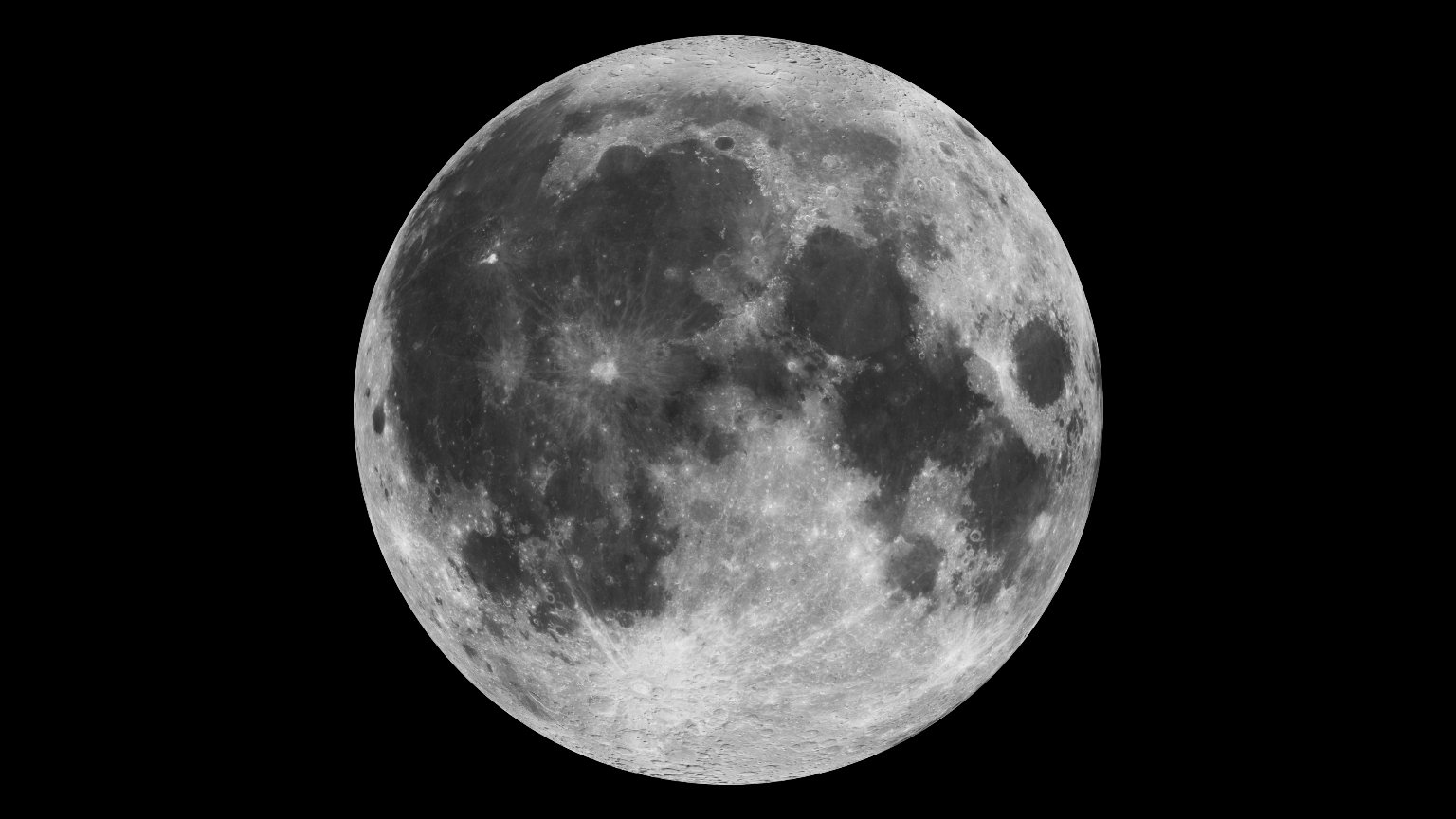
The Moon
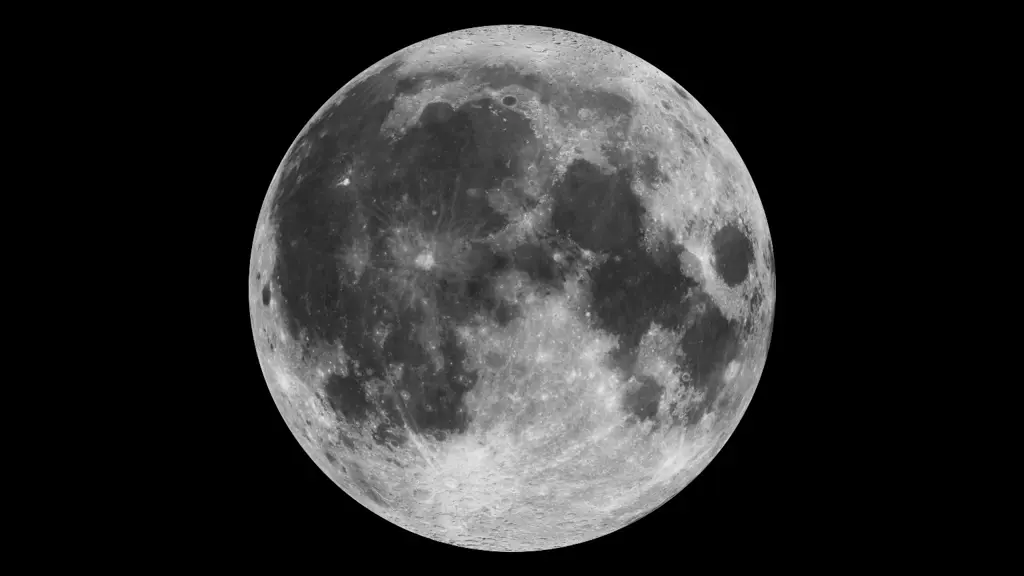
Earth's only natural satellite — a world of craters, ancient volcanoes, and frozen water that shapes our tides, steadies our seasons, and beckons a new generation of explorers.
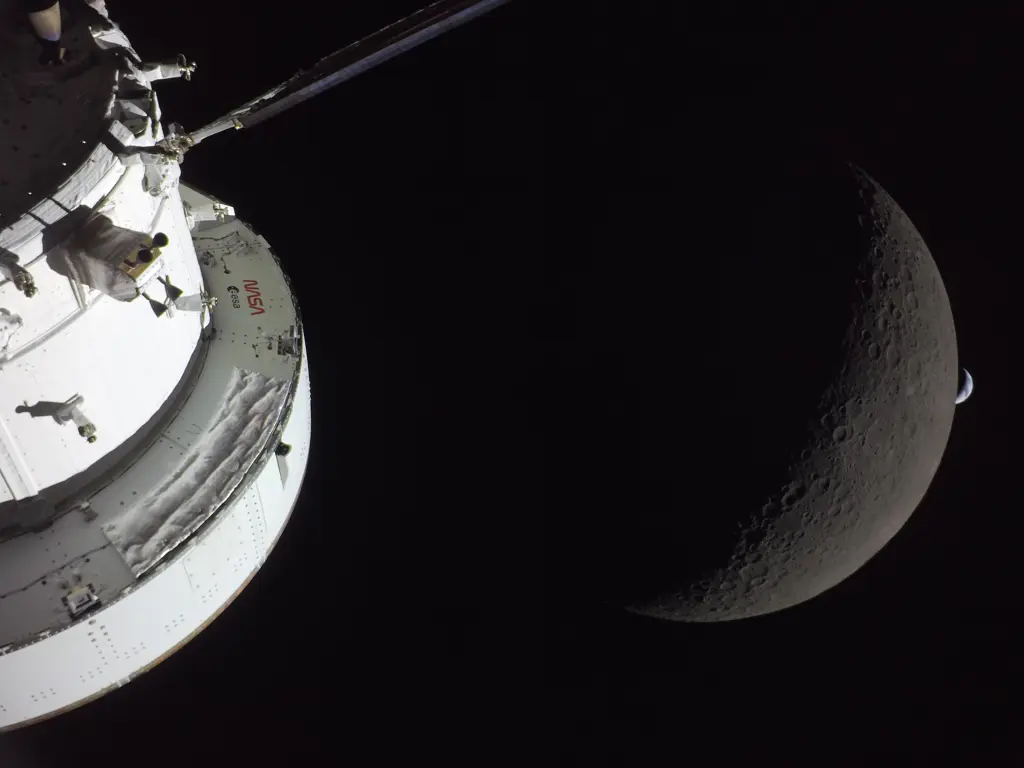
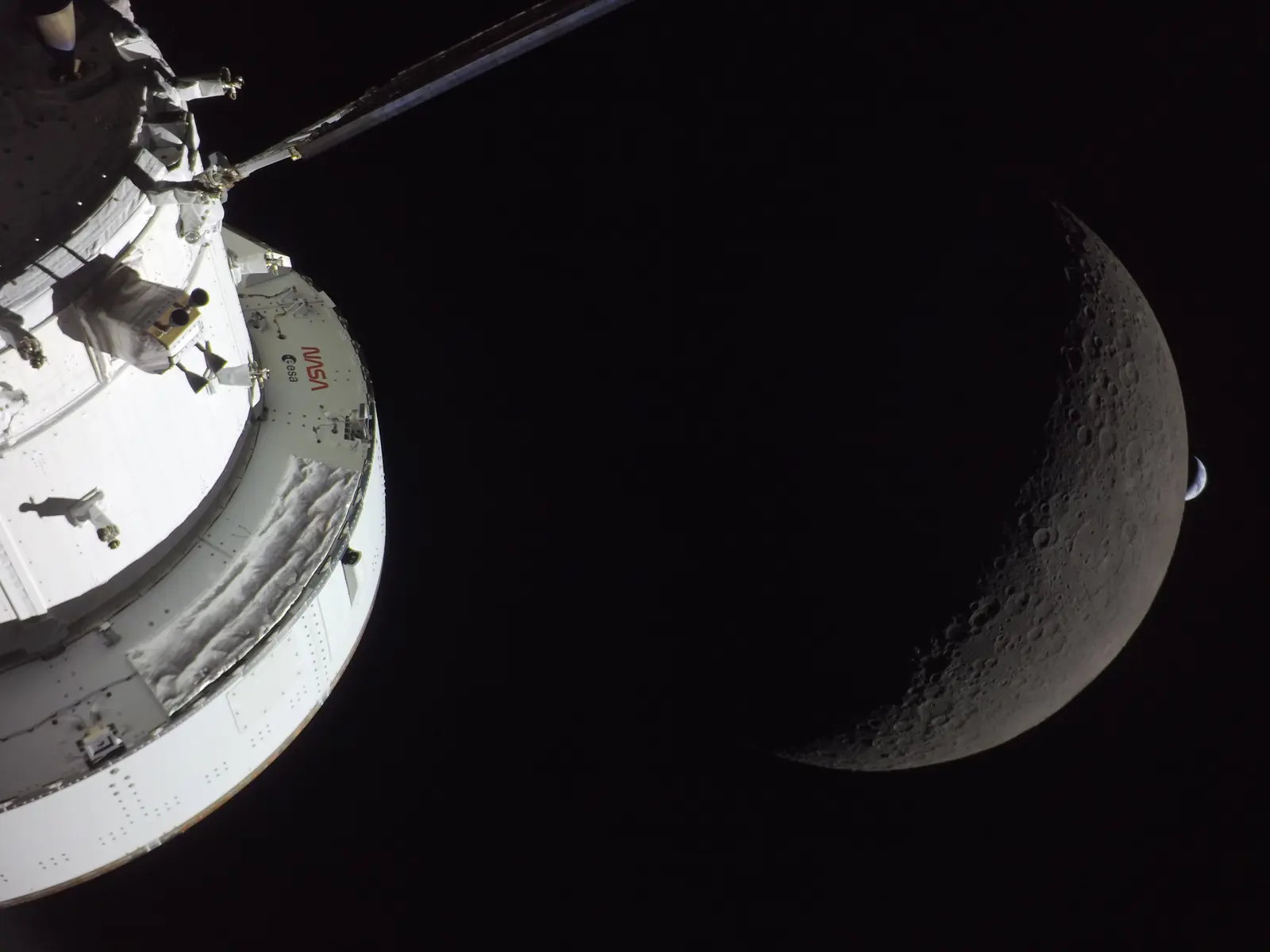
Artemis Program
OperationalReturning humans to the Moon — to stay
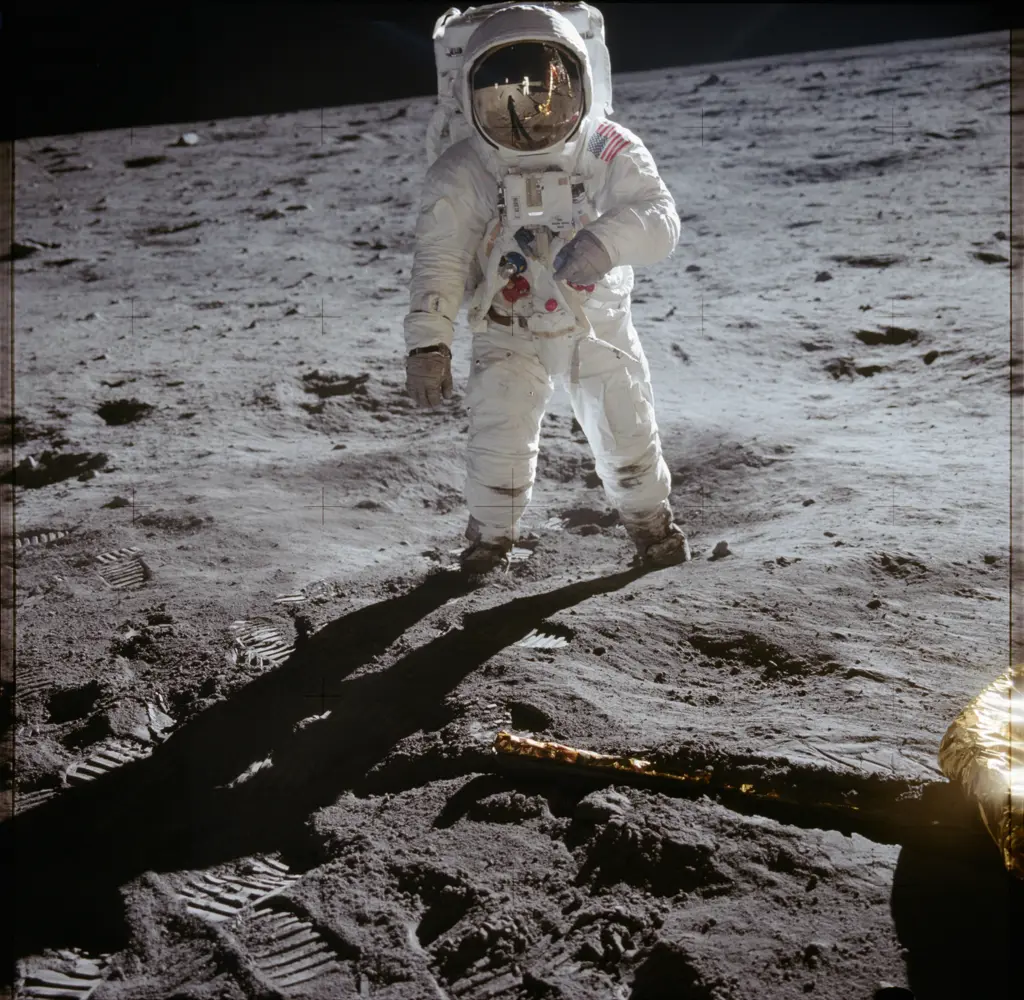
Apollo Program
RetiredLanding humans on the Moon, 1969–1972
Falcon 9
OperationalSpaceX's partially-reusable workhorse — the most-flown orbital rocket in history.
Sources
- Intuitive Machines IM-1 Mission — National Space Centre
- NASA Collects First Surface Science in Decades via Commercial Moon Mission
- INTUITIVE MACHINES (IM-1) LUNAR LANDING SITE — LPSC 2025 PDF
- Intuitive Machines Historic IM-1 Mission Success (press release)
- Intuitive Machines Nova-C — eoPortal Directory
- Nova-C (IM-1) — Supercluster
- Six NASA Instruments Will Fly to Moon on Intuitive Machines Lander
- IM-1 — Wikipedia
- Odysseus Lands on the Moon — NASA Image Article