Apollo 11
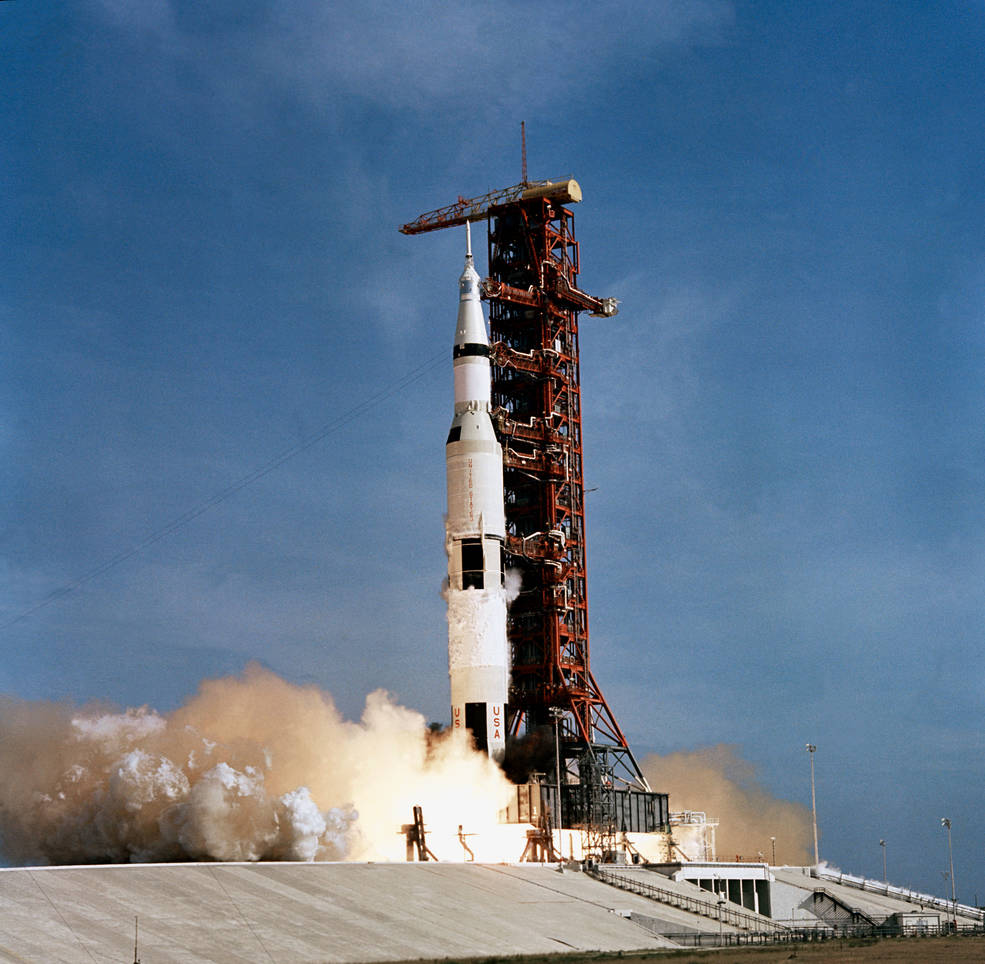
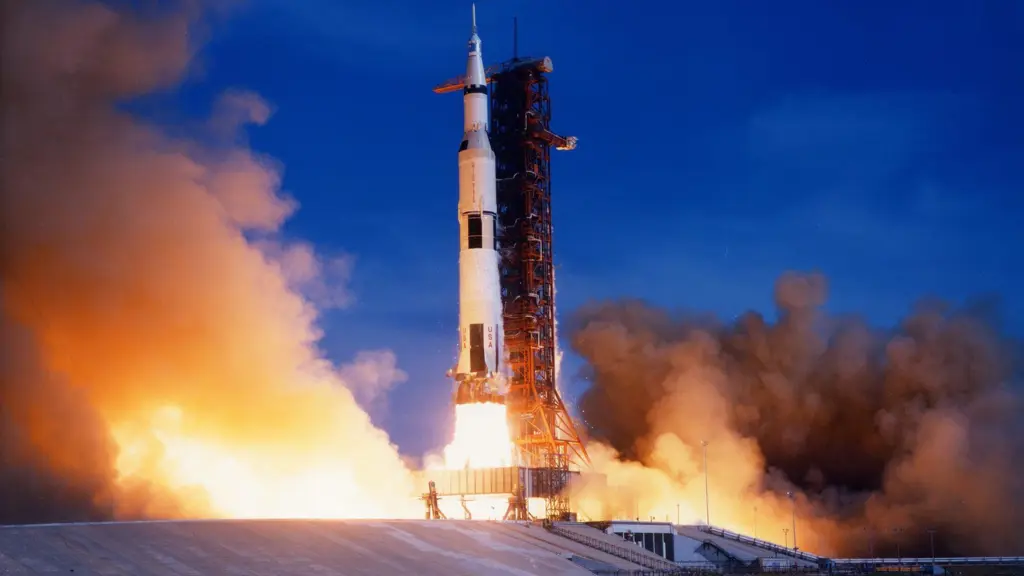
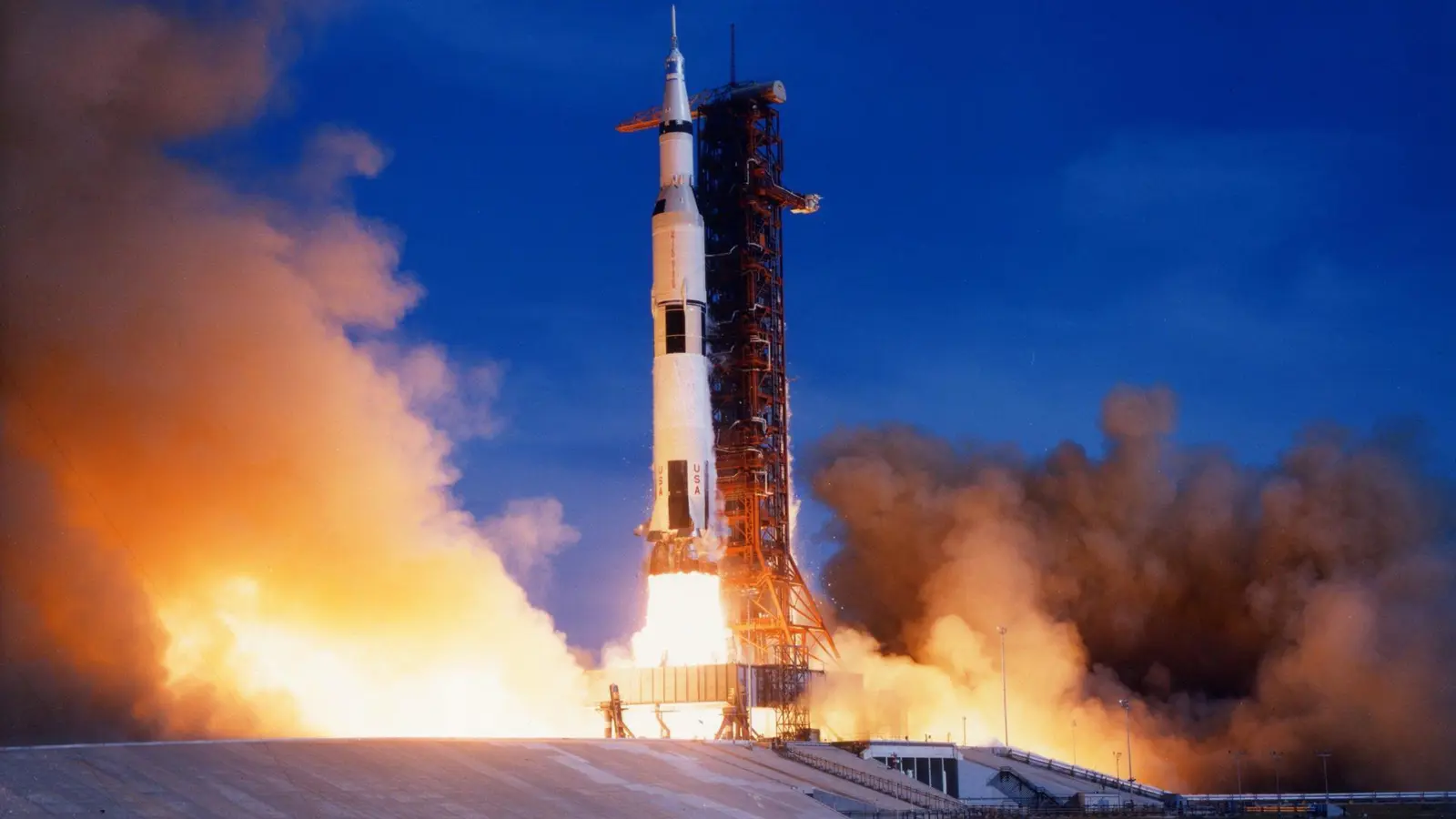
Apollo 11 was the first crewed mission to land on the Moon, launched on 16 July 1969 and completed on 24 July 1969. The three-man crew — Commander Neil A. Armstrong, Lunar Module Pilot Edwin "Buzz" Aldrin Jr., and Command Module Pilot Michael Collins — departed from Kennedy Space Center Launch Complex 39A atop a Saturn V SA-506 rocket at 13:32:00 UTC.
On 20 July 1969, Armstrong and Aldrin descended in the Lunar Module Eagle and landed at Tranquility Base in the Sea of Tranquility (Mare Tranquillitatis) at 20:17 UTC, fulfilling President John F. Kennedy's 1961 national goal to land humans on the Moon before the end of the decade. Michael Collins remained in lunar orbit aboard the Command Module Columbia throughout.
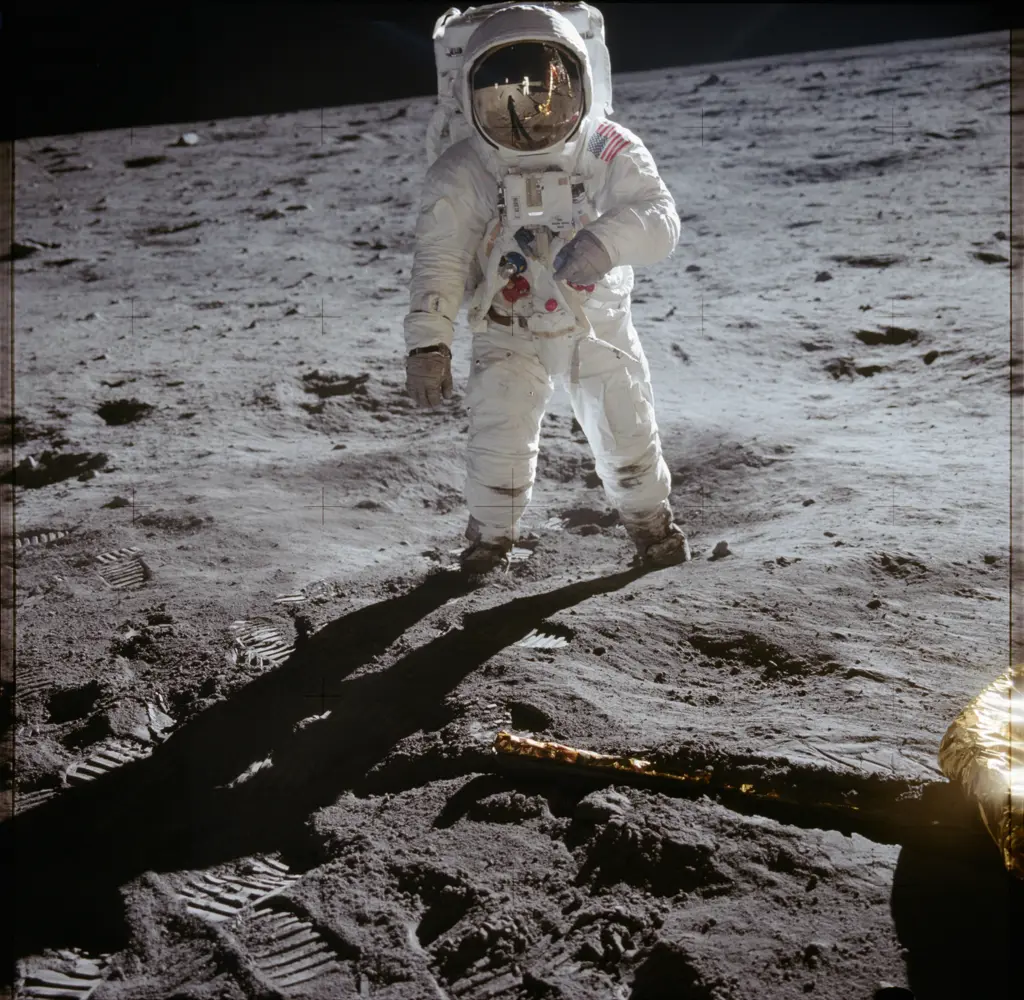
At 02:56 UTC on 21 July 1969, Armstrong became the first human to set foot on the lunar surface, followed by Aldrin approximately 19 minutes later. The crew splashed down safely in the Pacific Ocean on 24 July 1969, concluding a mission of approximately 8 days 3 hours. Apollo 11 is widely regarded as one of the most significant achievements in the history of human exploration.
Apollo 11 Crew
First human to walk on the Moon; stepped onto the surface at 02:56:15 UTC on 21 July 1969. Second and final spaceflight.
Second person to walk on the Moon, joining Armstrong ~19 minutes after first step. Second and final spaceflight.
Remained in lunar orbit aboard Columbia while Armstrong and Aldrin were on the surface. Second and final spaceflight.
Key Events
- 16 Jul 1969, 13:32 UTCLaunch
Saturn V SA-506 lifts off from Kennedy Space Center Launch Complex 39A carrying Armstrong, Collins, and Aldrin.
- 19 Jul 1969Lunar Orbit Insertion
Apollo 11 enters lunar orbit after approximately three days of translunar coast.
- 20 Jul 1969, 20:17 UTCLunar Landing
Eagle touches down at Tranquility Base in the Sea of Tranquility. Armstrong reports: "Houston, Tranquility Base. The Eagle has landed." A navigation error had placed Eagle ~7 km beyond the planned point; Armstrong took manual control to avoid a boulder field near West Crater.
- 20 Jul 1969, 23:43 UTCEVA Preparations Begin
Armstrong and Aldrin begin preparing for the moonwalk. Preparations take approximately 3.5 hours instead of the planned 2 hours.
- 21 Jul 1969, 02:39 UTCHatch Opens
Eagle is depressurized and the hatch opens, some 6 hours 39 minutes after landing.
- 21 Jul 1969, 02:56 UTCFirst Step on the Moon
Neil Armstrong descends Eagle's ladder and becomes the first human to stand on the lunar surface, approximately six hours after landing.
- 21 Jul 1969, ~03:15 UTCAldrin Joins Armstrong
Buzz Aldrin steps onto the surface approximately 19 minutes after Armstrong.
- 21 Jul 1969EVA Concludes
The first lunar EVA lasts 2 hours 31 minutes 40 seconds. The crew collect ~21.5 kg of samples, deploy experiments, plant the U.S. flag, and speak with President Nixon. Armstrong and Aldrin remain within ~60 m of Eagle throughout.
- 21 Jul 1969Lunar Liftoff
Eagle's ascent stage lifts off from the Moon. Armstrong and Aldrin spent more than 21 hours on the surface between landing and liftoff.
- 24 Jul 1969Splashdown
Columbia splashes down in the Pacific Ocean ~1,400 km (900 miles) west of Hawaii, 195 hours 18 minutes after launch. The crew are recovered by USS Hornet and enter the Mobile Quarantine Facility.
Saturn V Launch Vehicle
Apollo 11 was launched aboard the Saturn V SA-506, a three-stage heavy-lift rocket standing 363 ft 8 in (approximately 111 m) tall with a core diameter of 33 ft (10.1 m) for the lower two stages. At liftoff the fully fueled stack weighed approximately 6.2 million lb (2.8 million kg) and generated approximately 7.5–7.6 million lb of thrust from five Rocketdyne F-1 engines in the first stage (S-IC), built by Boeing.
The S-IC burned liquid oxygen and RP-1 kerosene. The center F-1 engine shut down approximately 135 seconds after launch; stage cutoff occurred at roughly 2 minutes 47 seconds. The second stage (S-II), manufactured by North American Aviation, carried five Rocketdyne J-2 engines burning liquid oxygen and liquid hydrogen, producing approximately 1,000,000 lb of total thrust. The third stage (S-IVB), built by Douglas Aircraft, used a single J-2 engine producing approximately 200,000–230,000 lb of thrust. The S-IVB performed two burns: the first to place Apollo 11 in Earth orbit, the second (Trans-Lunar Injection) to send Columbia and Eagle toward the Moon.
Sitting atop the S-IVB was the Instrument Unit (IU), a 3 ft tall ring providing guidance, navigation, and control for the Saturn V during ascent. The vehicle's total payload capability was approximately 130 tons to Earth orbit and approximately 50 tons to the Moon.
Spacecraft: Columbia and Eagle
The Apollo 11 spacecraft consisted of two main elements: the Command and Service Module (CSM) named Columbia and the Lunar Module (LM) named Eagle.
Columbia's Command Module (CM) was a conical, blunt-body reentry capsule housing the three-man crew, with a launch mass of approximately 12,250 kg. Its aluminum honeycomb pressure vessel was protected by an ablative heat shield for reentry. The attached Service Module (SM) provided main propulsion via the Service Propulsion System (SPS) engine (approximately 20,500 lbf thrust, burning nitrogen tetroxide and Aerozine-50 hypergolic propellants), along with electrical power from three fuel cells, and stored oxygen and water. The SM had a launch mass of approximately 24,500 kg. The CM was the only part of the spacecraft to return to Earth.
Eagle was a two-stage lander standing approximately 23 ft (7.0 m) tall on the Moon with a maximum span of approximately 31 ft (9.4 m) with its landing gear deployed. Its total launch mass was approximately 15,100 kg. The Descent Stage used a throttleable engine producing 1,050–10,500 lbf, carrying the lander down to the surface. The Ascent Stage, with a pressurized cabin for Armstrong and Aldrin, used a fixed-thrust engine of approximately 3,500 lbf to lift off from the Moon and return to lunar orbit for rendezvous with Columbia. The ascent stage had a liftoff mass of approximately 4,700 kg. After Armstrong and Aldrin returned to Columbia, Eagle's ascent stage was jettisoned; its descent stage remains at Tranquility Base.
Early Apollo Scientific Experiments Package (EASEP)
- Passive Seismic Experiment Package
Recorded moonquakes, meteorite impacts, and data on the Moon's internal structure.
- Laser Ranging Retro-Reflector
Reflected laser pulses from Earth to enable extremely precise measurement of the Earth–Moon distance.
- Lunar Dust Detector
Measured dust accumulation on the lunar surface.
- Solar Wind Composition Experiment
Collected solar wind particles on aluminum foil to determine the elemental composition of particles from the Sun.
Key Findings
Apollo 11 returned approximately 21.5 kg of lunar rocks and soil. Analysis showed the Moon's crust formed about 4.4 billion years ago, roughly contemporaneous with Earth's formation. Three previously unrecognized minerals were identified in the samples.
The Passive Seismic Experiment Package provided early data on lunar seismic activity and the Moon's interior, contributing to subsequent studies across later Apollo landing sites.
The Laser Ranging Retro-Reflector enabled highly precise lunar laser ranging measurements of the Earth–Moon distance and continues to be used for this purpose.
The Solar Wind Composition Experiment collected particles to determine the elemental makeup of the solar wind at the lunar surface.
NASA continues to distribute Apollo lunar samples for research and education, providing nearly 400 samples each year more than five decades after the mission.
Splashdown and Post-Mission Quarantine
Apollo 11 splashed down in the Pacific Ocean approximately 1,400 km (900 miles) west of Hawaii on 24 July 1969, 195 hours 18 minutes after launch. On impact the Command Module initially inverted; NASA's uprighting system — three inflatable bags on the CM — brought it to an upright position within about 8 minutes. U.S. Navy Underwater Demolition Team swimmers attached a sea anchor and installed an inflatable flotation collar around the capsule.
Due to concern about possible unknown lunar microorganisms, NASA implemented strict back-contamination protocols. Decontamination officer Clarence J. "Clancy" Hatleberg entered the water and set up a dedicated decontamination raft. Biological Isolation Garments (BIGs) were lowered by helicopter for the astronauts and Hatleberg. Armstrong, Collins, and Aldrin exited the Command Module in that order onto the decon raft. Hatleberg sprayed the Command Module exterior with Betadine and wiped the astronauts' suits with a sodium hypochlorite solution. The crew were then hoisted by Billy Pugh net into the recovery helicopter and flown to USS Hornet.
Aboard Hornet, the crew walked directly into the Mobile Quarantine Facility (MQF), a modified Airstream trailer positioned less than 30 feet from the helicopter. President Richard Nixon greeted them through the MQF viewing window. Columbia was later hoisted aboard Hornet; photographic film and sealed lunar sample containers were transferred to NASA personnel through a hermetically sealed plastic tunnel and decontamination lock. The crew spent approximately 3 days in the MQF during Hornet's transit to Pearl Harbor, then were flown to the Lunar Receiving Laboratory at the Manned Spacecraft Center in Houston for the remainder of quarantine — 21 days total, measured from lunar module liftoff from the Moon. Later Apollo missions (15 onwards) no longer required full crew quarantine after health monitoring and sample data indicated no pathogenic threat.
Historical Significance and Legacy
Apollo 11 represents the culmination of the Cold War Space Race between the United States and the Soviet Union, fulfilling President Kennedy's May 1961 challenge to land a human on the Moon and return safely before the end of the decade. An estimated 650 million people watched Armstrong's first step live on television, hearing him describe it as "one small step for a man, one giant leap for mankind."
The mission paved the way for five additional crewed lunar landings; in total 24 Apollo astronauts visited the Moon and 12 walked on its surface between 1969 and 1972. Lunar samples returned by Apollo 11 and subsequent missions have enabled decades of scientific research, with NASA still distributing approximately 400 samples each year for research and education.
A commemorative plaque left on the descent stage of Eagle reads: "Here men from the planet Earth first set foot upon the Moon, July 1969 A.D. We came in peace for all mankind." The mission also carried goodwill notes from 73 countries. The Command Module Columbia is preserved at the National Air and Space Museum in Washington, D.C.; Eagle's descent stage remains at Tranquility Base.
The crew were honored with ticker-tape parades, a world goodwill tour, and the Presidential Medal of Freedom. Apollo 11's legacy is explicitly referenced in contemporary lunar exploration plans, including NASA's Artemis Program, which aims to return astronauts to the Moon. The 50th anniversary in July 2019 was widely commemorated with events at space institutions and NASA facilities, reinforcing Apollo 11's status as a defining event in human spaceflight history.
Where Eagle Landed
Tranquility Base
Apollo 11Located in the Sea of Tranquility (Mare Tranquillitatis), selected for its relatively flat, smooth terrain. A navigation error placed Eagle approximately 7 km beyond the planned landing point; Armstrong took manual control and guided the lander away from a boulder field near West Crater to a safer area. The descent stage of Eagle remains at this site.
Apollo 11 FAQ
Related
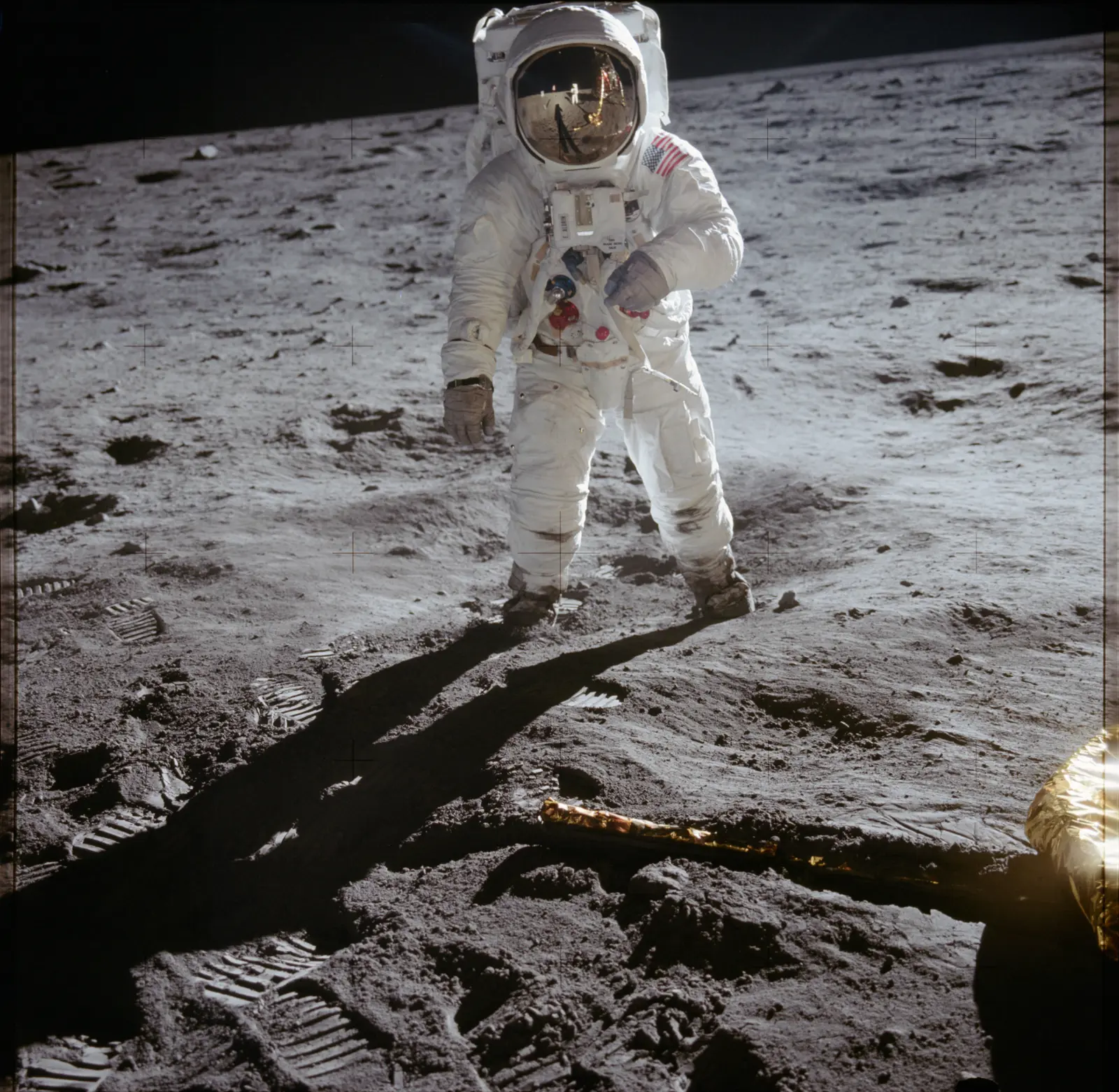
Apollo Program
RetiredLanding humans on the Moon, 1969–1972
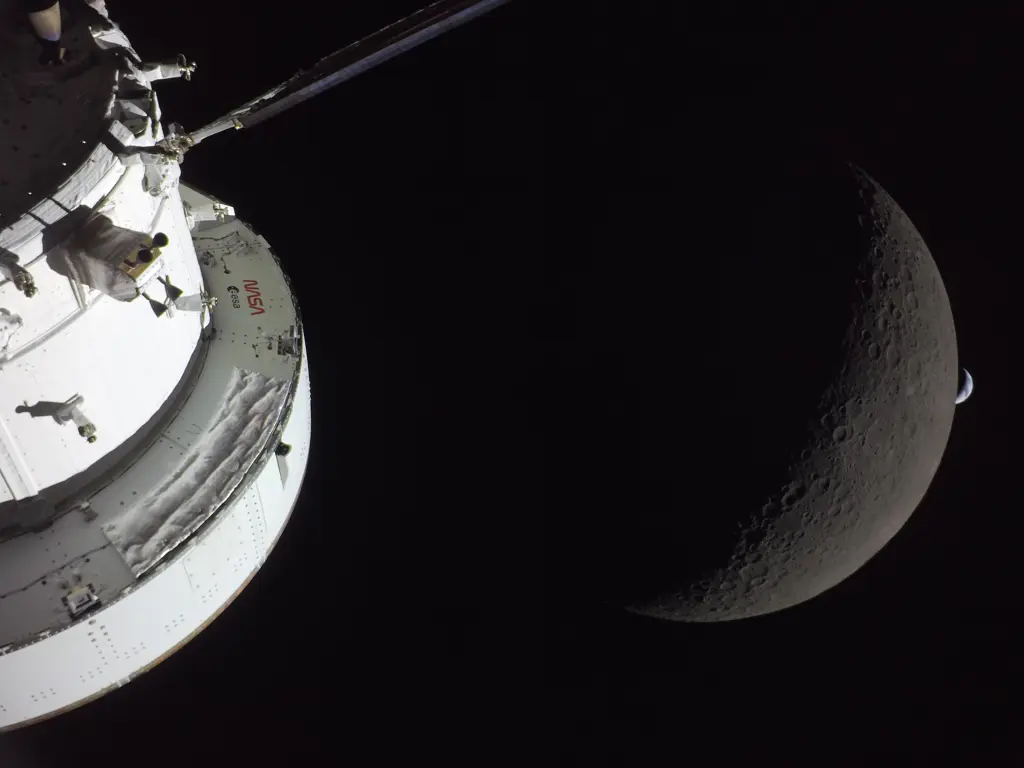
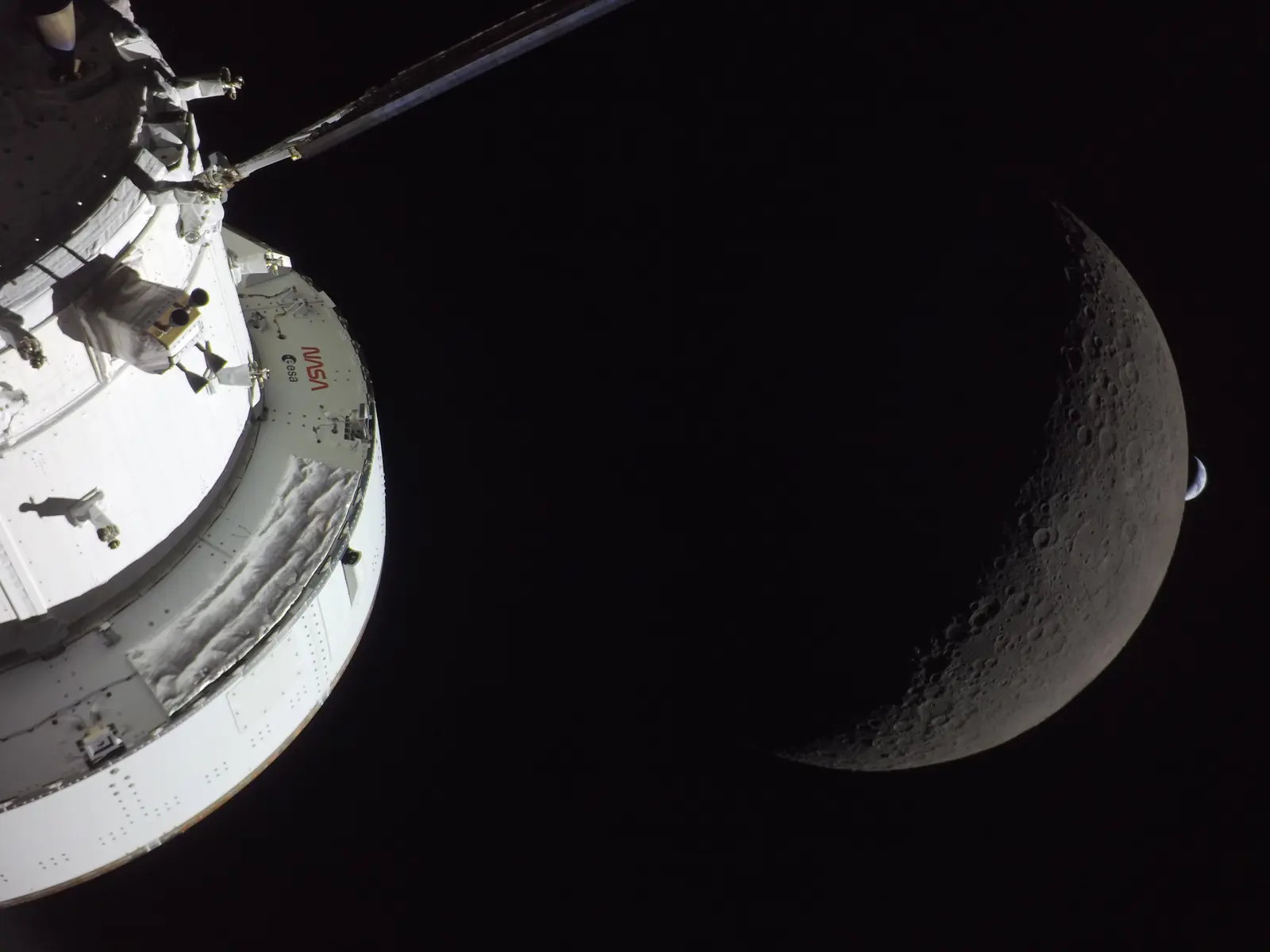
Artemis Program
OperationalReturning humans to the Moon — to stay
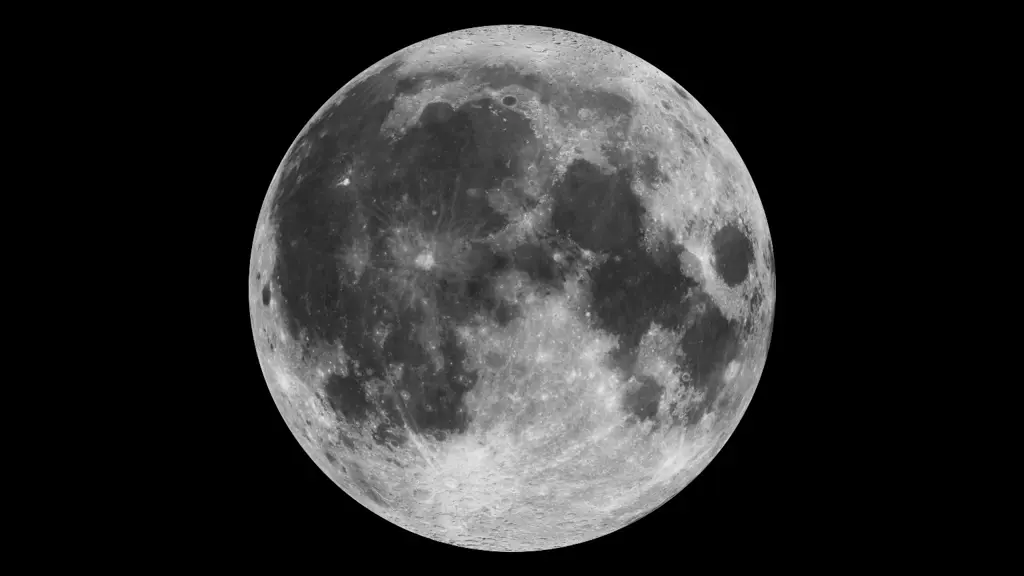
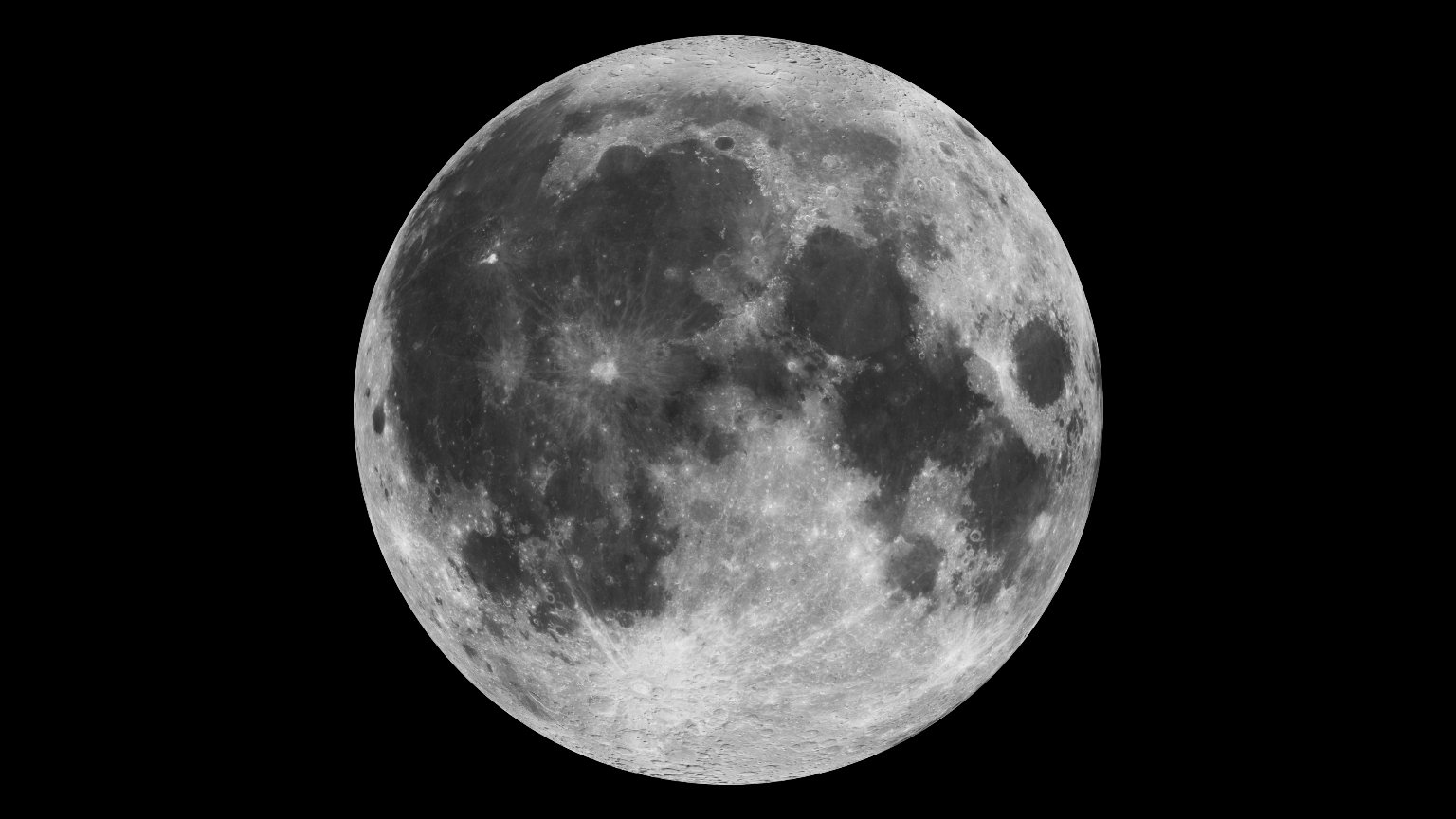
The Moon
Earth's only natural satellite — a world of craters, ancient volcanoes, and frozen water that shapes our tides, steadies our seasons, and beckons a new generation of explorers.
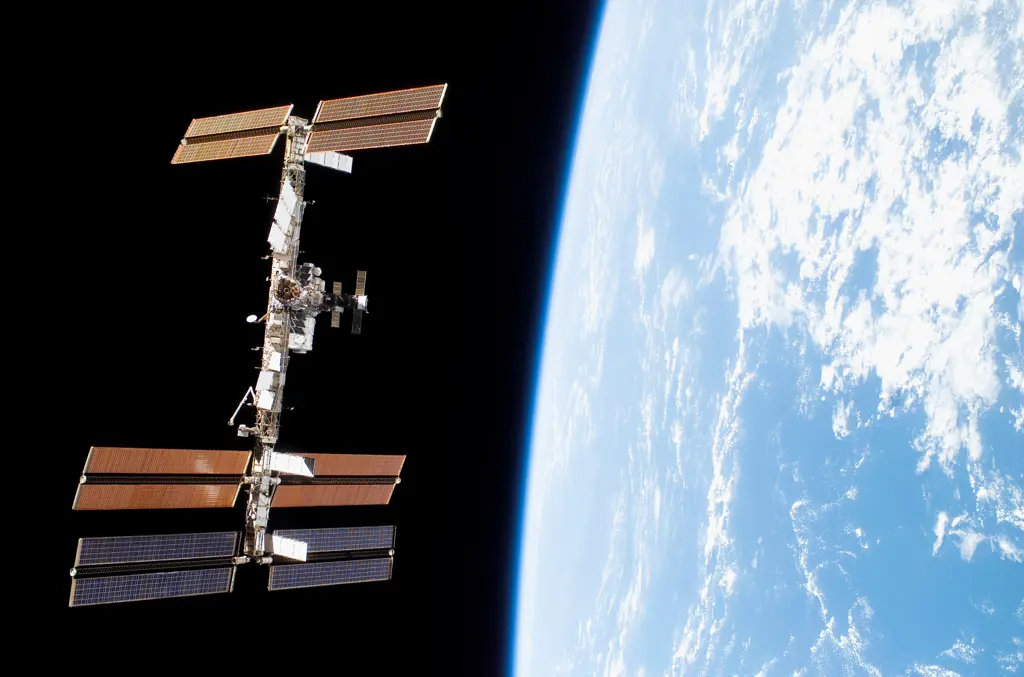
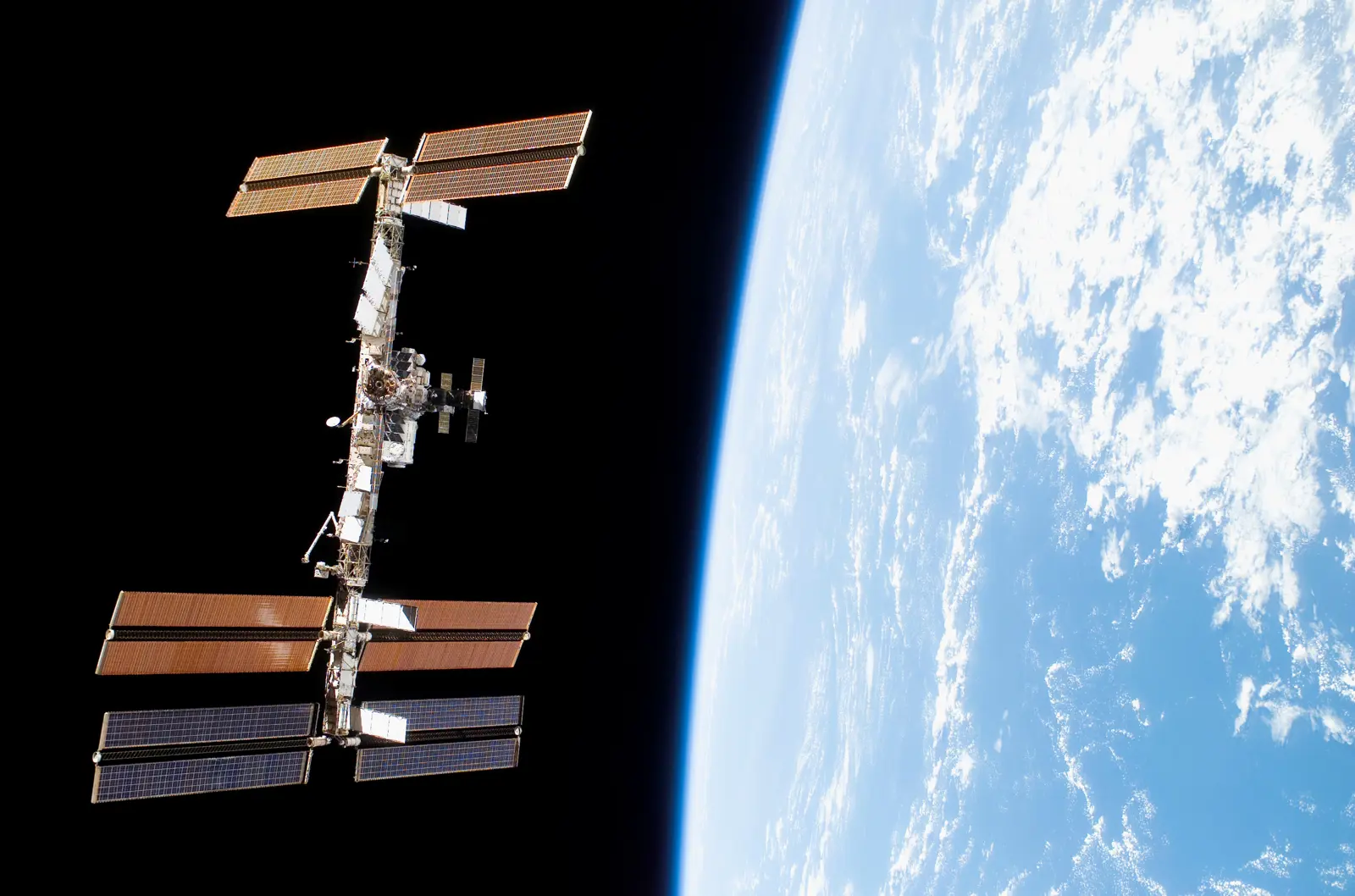
International Space Station
Humanity's permanent outpost in low Earth orbit — a football-field-sized laboratory that has hosted nearly 300 people from 26 countries without interruption since November 2, 2000.
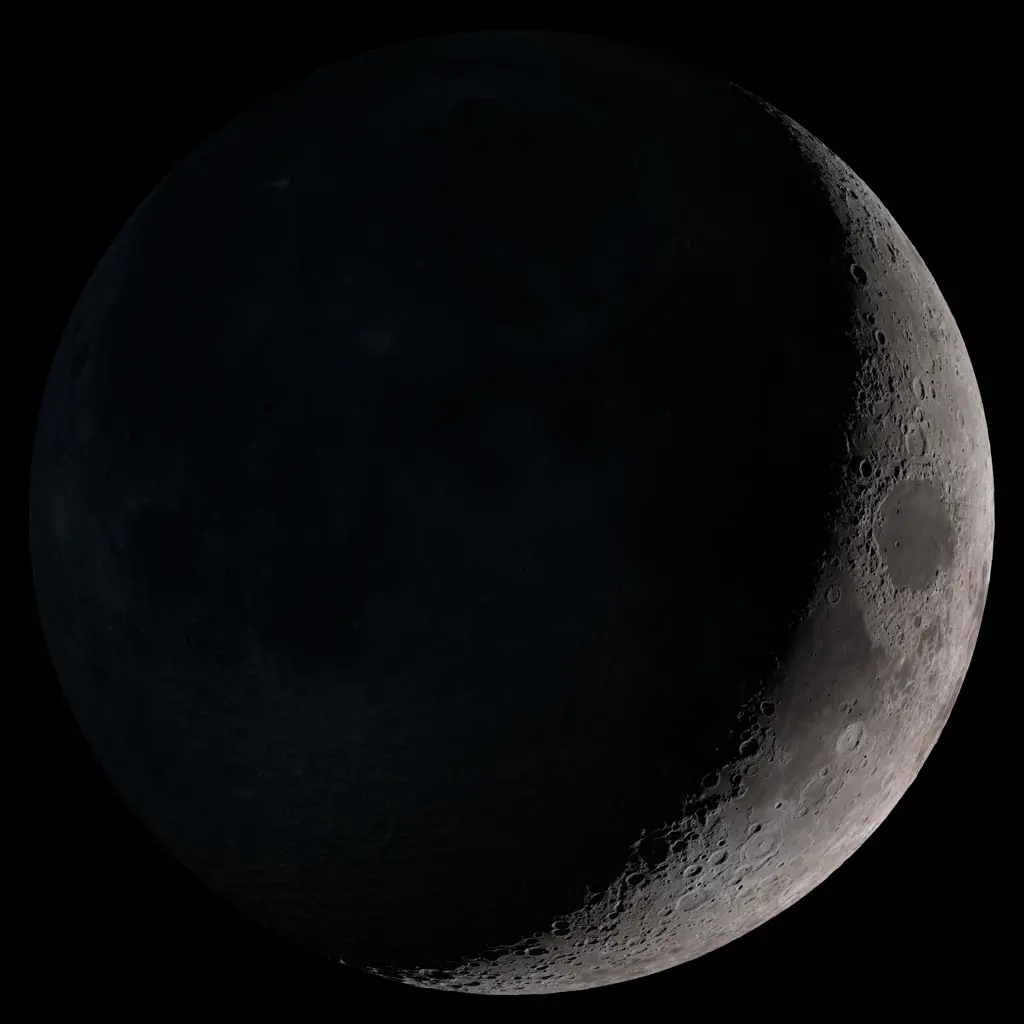
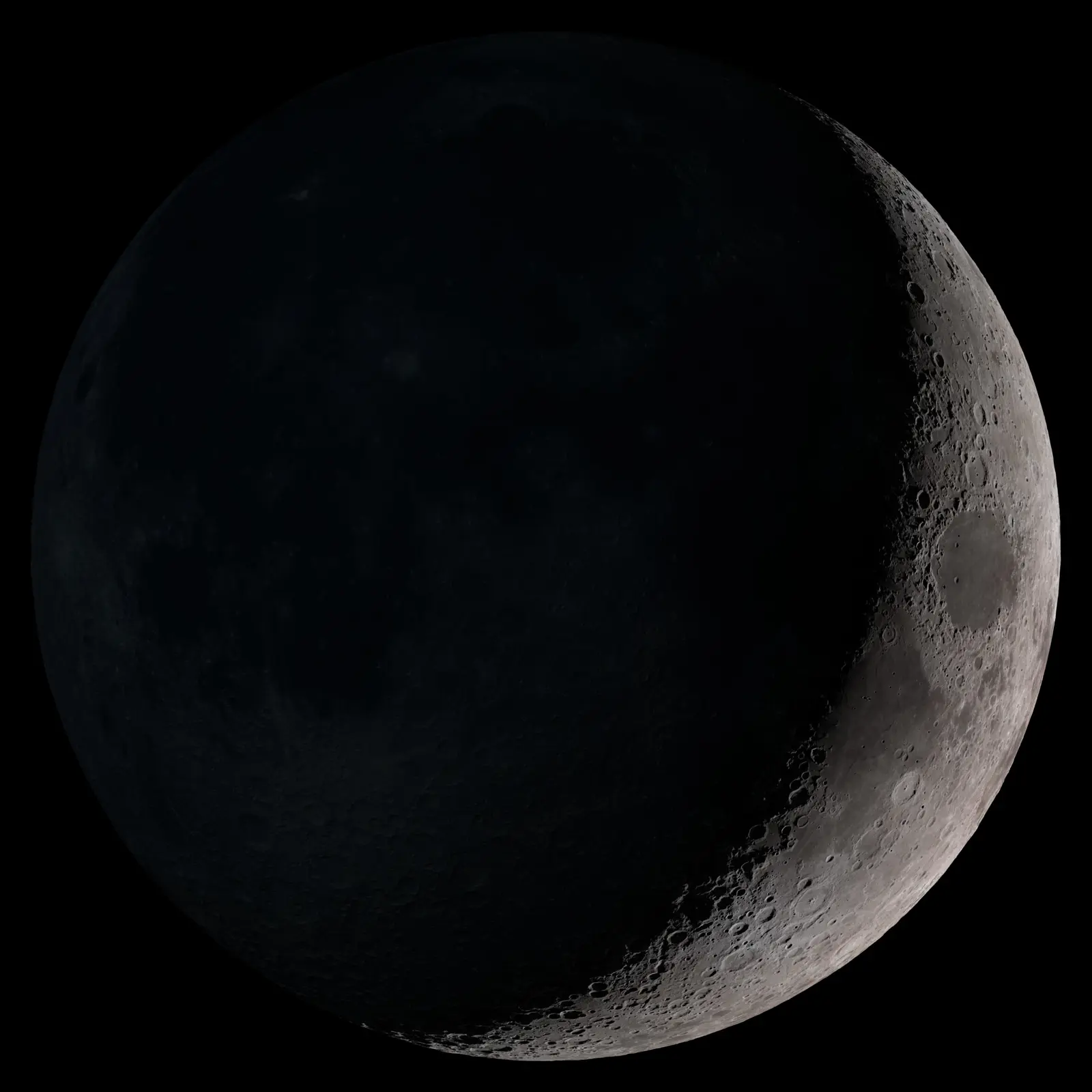
Moon Phases
The Moon's ever-changing face — a 29.5-day dance of sunlight, shadow, and geometry that has shaped calendars, guided tides, and inspired explorers for tens of thousands of years.
Sources
- Apollo 11 | The Planetary Society
- Apollo 11 - Wikipedia
- Apollo 11 | Britannica
- Apollo 11 Mission Overview - Lunar and Planetary Institute
- Apollo 11 - NASA
- Apollo Lunar Surface Experiments Package - Wikipedia
- EASEP AND ALSEPs - Brian J O'Brien AO
- 50 Years Ago: Hornet + 3 – The Recovery of Apollo 11 - NASA
- Splashdown! The Inside Story of the Apollo 11 Recovery - KQED
- SATURN V APOLLO FACT SHEET - Spaceline
- Saturn V: The mighty U.S. moon rocket - Space.com
- What Was the Saturn V? - NASA
- Apollo 11 Mission Overview - NASA History