Blue Ghost M1
First fully successful commercial soft landing on the Moon — Firefly Aerospace's Blue Ghost delivered 10 NASA payloads to Mare Crisium in March 2025.
Blue Ghost Mission 1
Blue Ghost Mission 1 (M1) is a lunar lander mission developed by Firefly Aerospace as part of NASA's Commercial Lunar Payload Services (CLPS) initiative. The mission carried 10 NASA science and technology payloads to the Moon, landing in Mare Crisium near Mons Latreille on the lunar near side on 2 March 2025. It is regarded as the first fully successful commercial soft landing on the Moon.
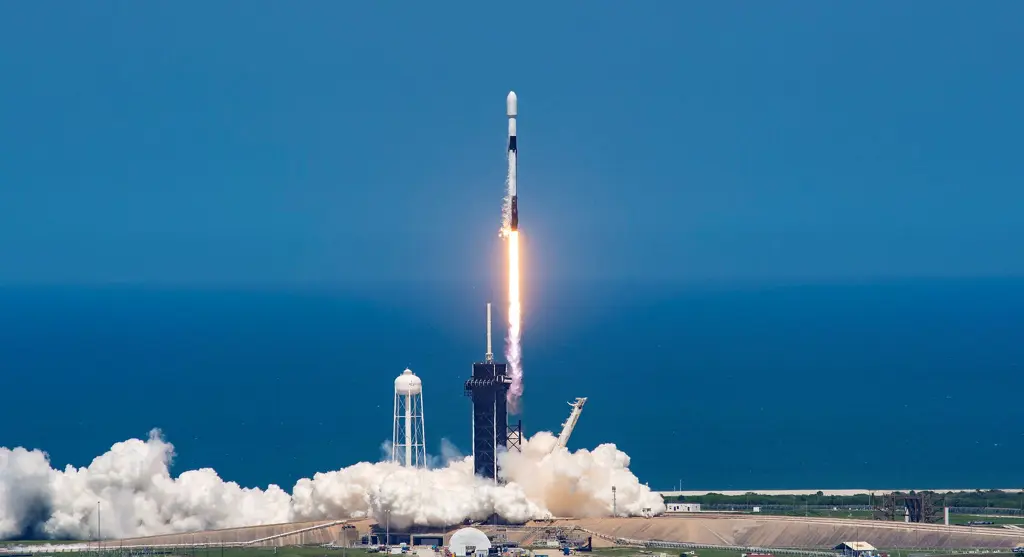
The spacecraft launched on 15 January 2025 aboard a Falcon 9 from Kennedy Space Center Launch Complex 39A. After approximately 45 days in transit — including about 25 days in Earth orbit, a trans-lunar injection burn, and 16 days in lunar orbit — Blue Ghost executed a powered descent and touched down at 08:34 UTC on 2 March 2025.
Surface operations lasted more than one full lunar day: 346 hours of sunlit operations and just over 5 hours into the lunar night before the lander lost power. Firefly declared the mission complete on 16 March 2025, after receiving final data the previous evening. Over the course of the surface mission, Blue Ghost transmitted 119 gigabytes of data to Earth, including 51 gigabytes of science and technology data.
Spacecraft Design
The Blue Ghost lander stands 2 m (6.6 ft) tall and 3.5 m (11.5 ft) wide, supported by four carbon-composite legs connected by 49 struts. The propulsion system consists of a main engine producing more than 1,000 N of thrust and eight reaction control system (RCS) thrusters providing a combined 1,600 N. Propellants are stored in four propellant tanks pressurised by two pressurant tanks.
Power is generated by two solar panels mounted on the sides of the spacecraft and one on the top deck, supplying up to 400 W. Communications are handled via one X-band antenna and three S-band antennas, with support for both direct-to-Earth and relay links. The spacecraft is designed to carry payloads massing up to 240 kg to the lunar surface and can sustain operations through the lunar day and into the lunar night.
From Launch to Mission End
- Jan 15, 2025Launch
Blue Ghost lifted off at 06:11:39 UTC aboard Falcon 9 Block 5 (booster B1085-5) from Kennedy Space Center LC-39A. The lander separated into a highly elliptical Earth orbit approximately one hour after liftoff.
- Jan 15 – Feb 9, 2025Earth orbit phase
Blue Ghost orbited Earth for approximately 25 days, completing on-orbit commissioning and payload checkouts before performing a trans-lunar injection (TLI) burn.
- ~Feb 9, 2025Trans-lunar injection
Blue Ghost executed its TLI maneuver, departing Earth orbit and beginning the cruise phase toward the Moon.
- ~Feb 13, 2025Lunar orbit insertion
Four days after TLI, Blue Ghost performed a lunar orbit insertion burn, entering lunar orbit.
- Feb 13 – Mar 1, 2025Lunar orbit phase
The lander spent approximately 16 days in lunar orbit preparing for descent, including final systems checks and payload preparations.
- Mar 2, 2025Lunar landing
Blue Ghost completed powered descent and touched down softly and upright at 08:34 UTC in Mare Crisium near Mons Latreille (approximately 18.56°N, 61.81°E), delivering all 10 NASA payloads to the surface.
- Mar 2 – 16, 2025Surface operations
Blue Ghost operated for 346 hours during the lunar day and continued for just over 5 hours into the lunar night. Payloads collected data through events including a total solar eclipse and lunar sunset. A total of 119 GB of data was transmitted to Earth.
- Mar 16, 2025Mission end
Final data were received at approximately 6:15 p.m. CDT on 16 March 2025. Firefly declared Blue Ghost Mission 1 complete.
Science and Technology Instruments
- Lunar Instrumentation for Subsurface Thermal Exploration with Rapidity
Drill and thermal probe that penetrated up to approximately 3 feet into the lunar surface to measure subsurface temperatures and thermal properties.
- Lunar Magnetotelluric Sounder
Deployed five sensors to measure naturally occurring electric and magnetic fields at the surface, enabling study of the Moon's interior structure and mantle composition.
- Lunar GNSS Receiver Experiment
Tested the acquisition and tracking of signals from Global Navigation Satellite Systems (GPS, Galileo) en route to and on the lunar surface to refine cis-lunar navigation techniques.
- Stereo Cameras for Lunar Plume-Surface Studies
Captured approximately 9,000 stereo images during descent and touchdown to study plume-induced erosion and dust transport from the lander's engines.
- Next Generation Lunar Retroreflector
Reflected laser light from two Lunar Laser Ranging Observatories on Earth, providing precise measurements of the Moon's shape and Earth-Moon distance.
- Electrodynamic Dust Shield
Used electrodynamic forces to lift and remove lunar regolith from surfaces, demonstrating a dust-mitigation approach for future hardware.
- Lunar PlanetVac
Collected, transferred, and sorted lunar soil using pressurized nitrogen gas, testing a regolith acquisition technology for future sample return concepts.
- Regolith Adherence Characterization
Studied how lunar regolith adheres to different materials in the lunar environment to inform dust-mitigation strategies for landers, habitats, and spacesuits.
- Reconfigurable, Radiation Tolerant Computer System
Demonstrated a fault-tolerant computing architecture in the Moon's radiation environment, operating through Earth's Van Allen belts and into the lunar night.
- Lunar Environment Heliospheric X-ray Imager
Captured X-ray images from the lunar surface to study the interaction of the solar wind with the interplanetary medium and Earth's magnetosphere.
Key Findings and Firsts
Blue Ghost completed the first fully successful commercial soft landing on the Moon, touching down upright and on target in Mare Crisium on 2 March 2025.
LISTER drilled to approximately 3 feet into the lunar regolith, providing the first robotic thermal measurements at varying depths in the Moon's subsurface.
LuGRE successfully acquired and tracked GPS and Galileo signals during the transit to the Moon and on the lunar surface, a first for any spacecraft.
The Electrodynamic Dust Shield successfully lifted and removed lunar regolith from surfaces using electrodynamic forces, validating the technique for future missions.
The Lunar Magnetotelluric Sounder successfully deployed five sensors and returned data enabling study of the Moon's interior via magnetotelluric sounding.
The Next Generation Lunar Retroreflector returned laser light from two Earth-based observatories, contributing to constraints on the Moon's shape and internal structure.
Blue Ghost captured imagery and data during a total solar eclipse while actively operating on the Moon, the first time a commercial company did so.
Over approximately 14 days of surface operations, Blue Ghost transmitted 119 gigabytes of data to Earth, including 51 gigabytes of science and technology data.
With more than 14 Earth days of surface operations — 346 hours of daylight plus just over 5 hours into the lunar night — Blue Ghost set the record for the longest commercial operations on the Moon.
Landing Site: Mare Crisium
Blue Ghost landed in Mare Crisium, a large basaltic impact basin located in the northeast quadrant of the Moon's near side. The precise landing coordinates are approximately 18.56°N, 61.81°E, with post-landing analysis from Lunar Reconnaissance Orbiter-based mapping refining the location to approximately 18.5635°N, 61.8099°E. The site lies near the volcanic feature Mons Latreille.
Mare Crisium was selected to allow study of lunar regolith properties, geophysical characteristics, and the interaction of the solar wind with the Moon and Earth's magnetic field. Data gathered at this site are intended to support future CLPS deliveries and crewed Artemis missions, as well as long-term lunar surface infrastructure planning.
Blue Ghost M1 — FAQ
Related
The Moon
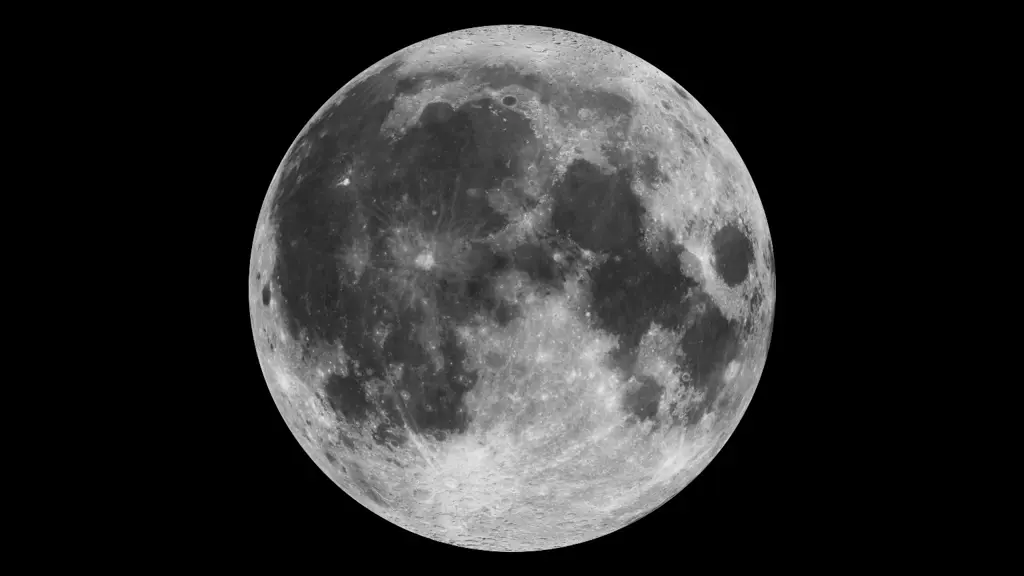
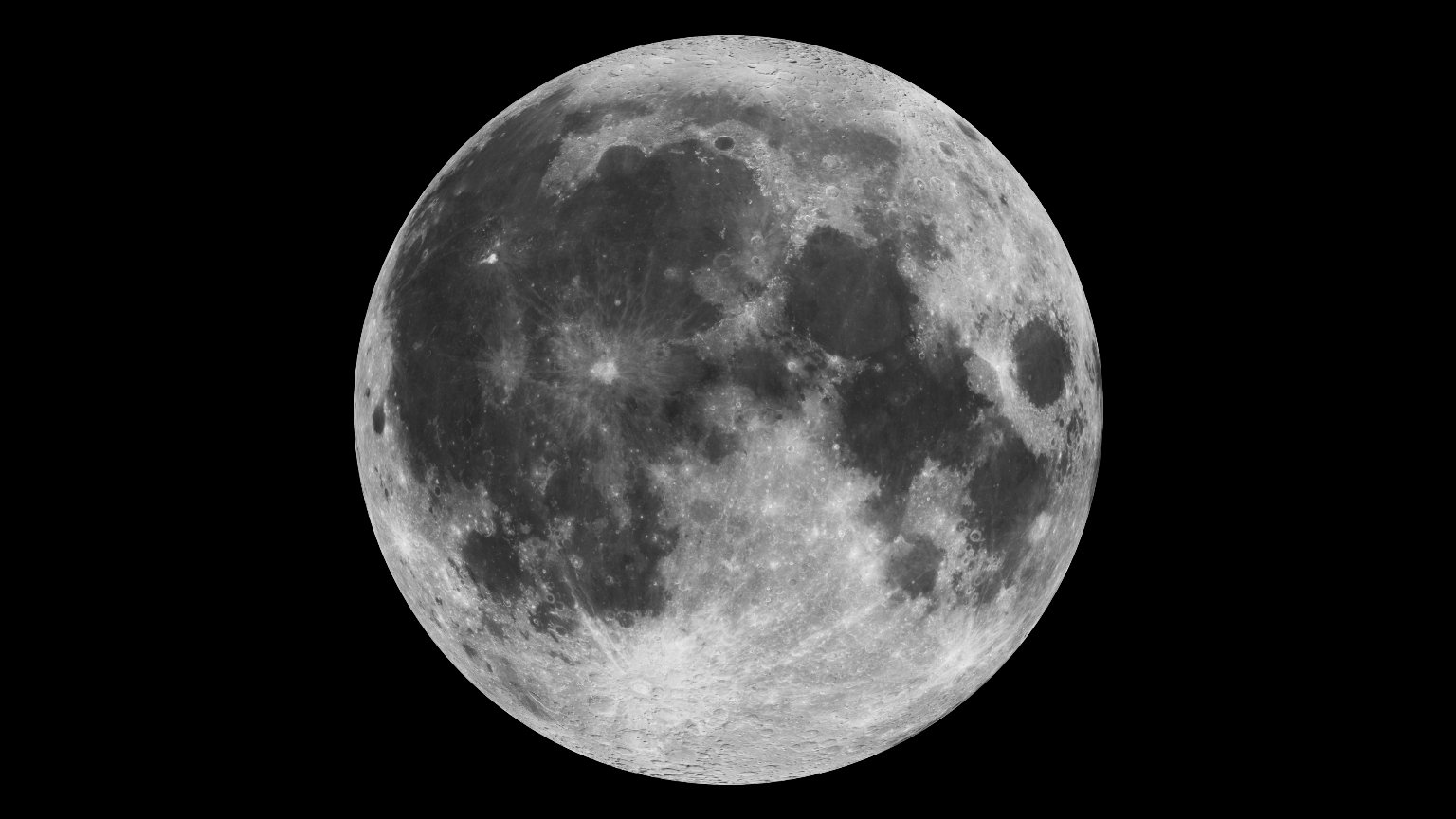
Earth's only natural satellite — a world of craters, ancient volcanoes, and frozen water that shapes our tides, steadies our seasons, and beckons a new generation of explorers.
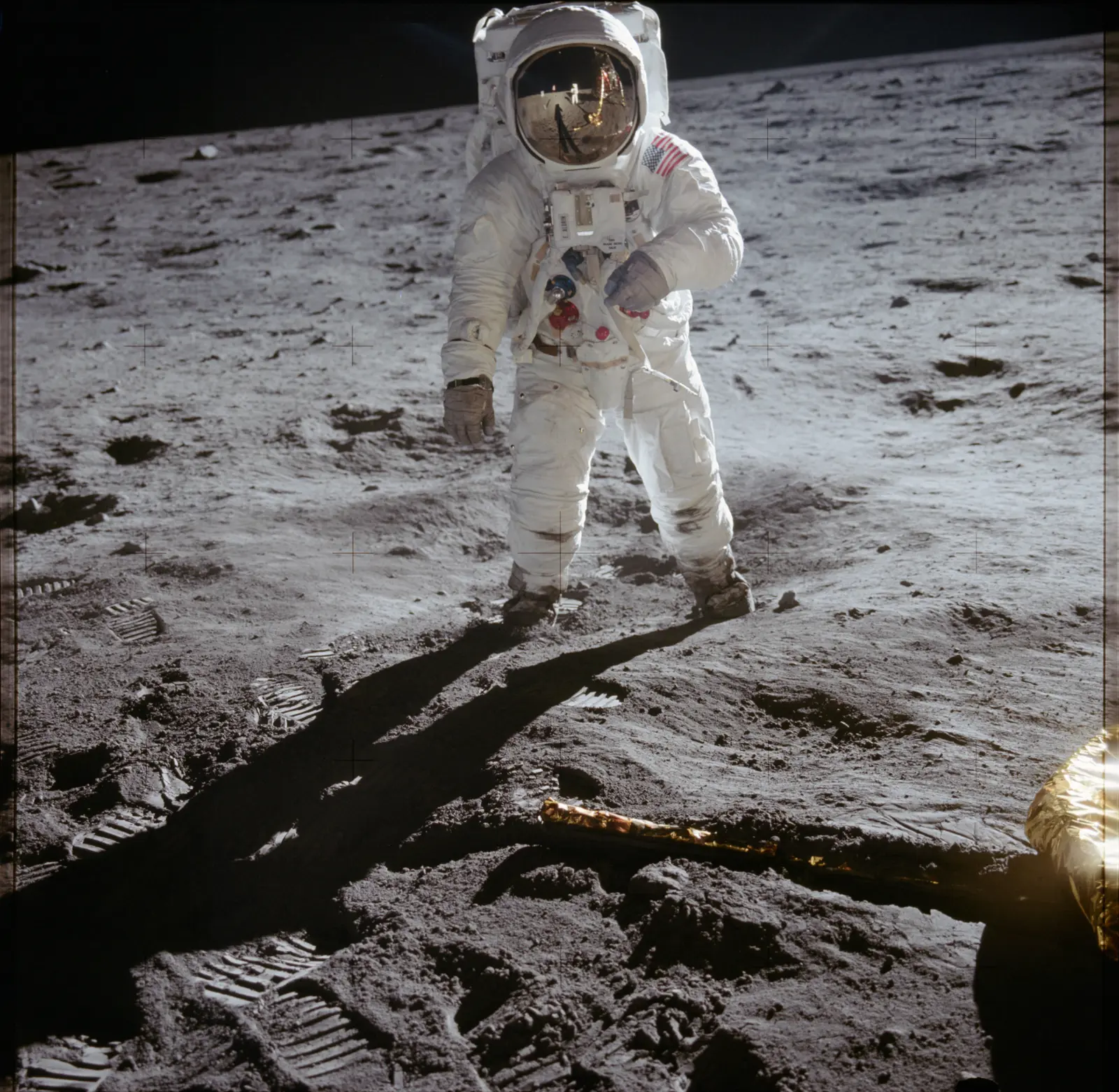
Apollo Program
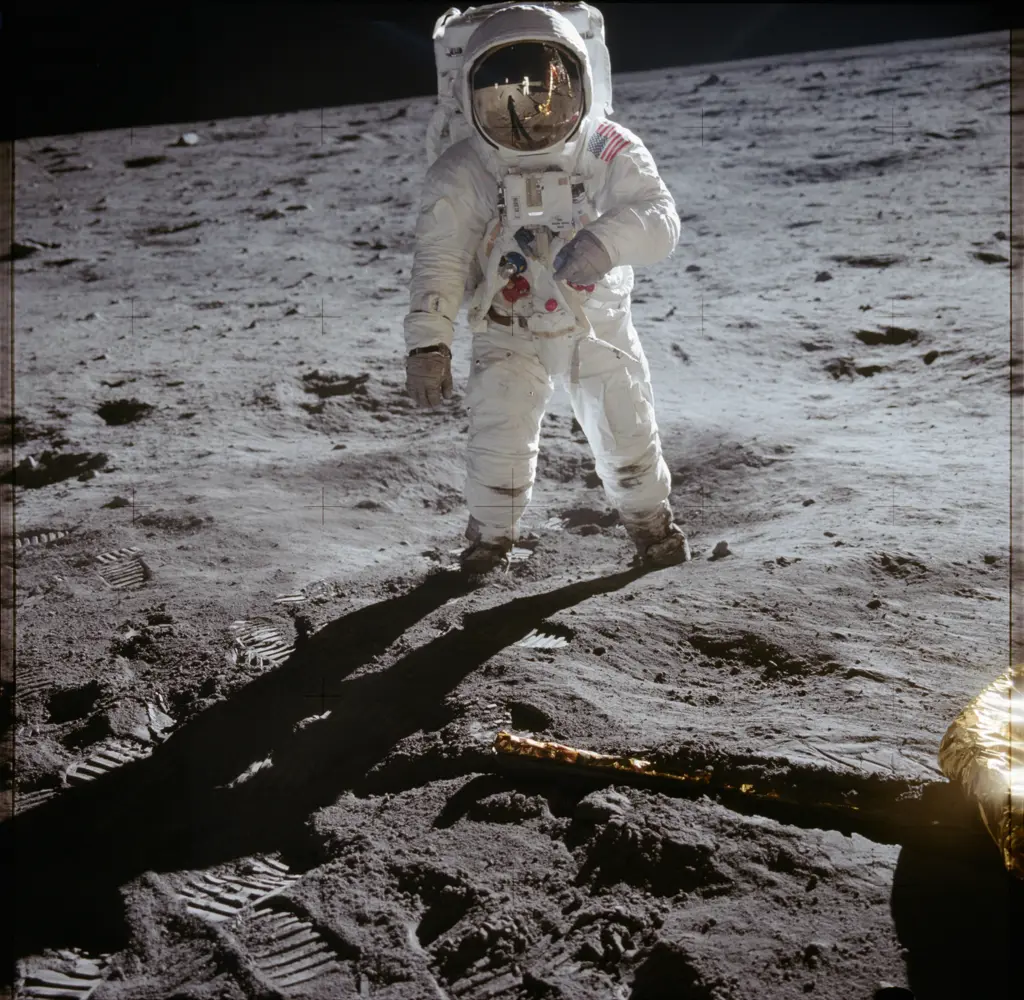
RetiredLanding humans on the Moon, 1969–1972
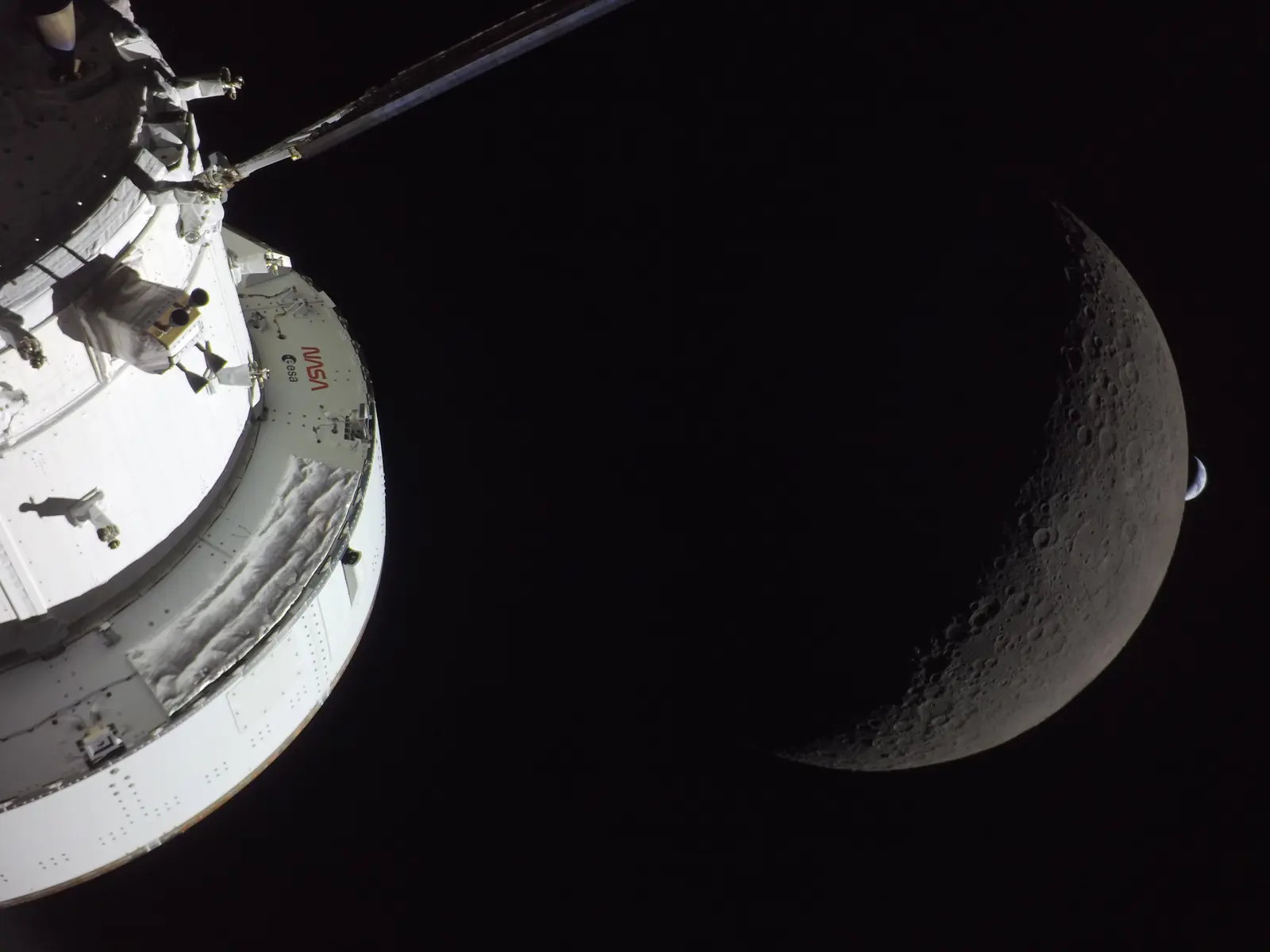
Artemis Program
OperationalReturning humans to the Moon — to stay
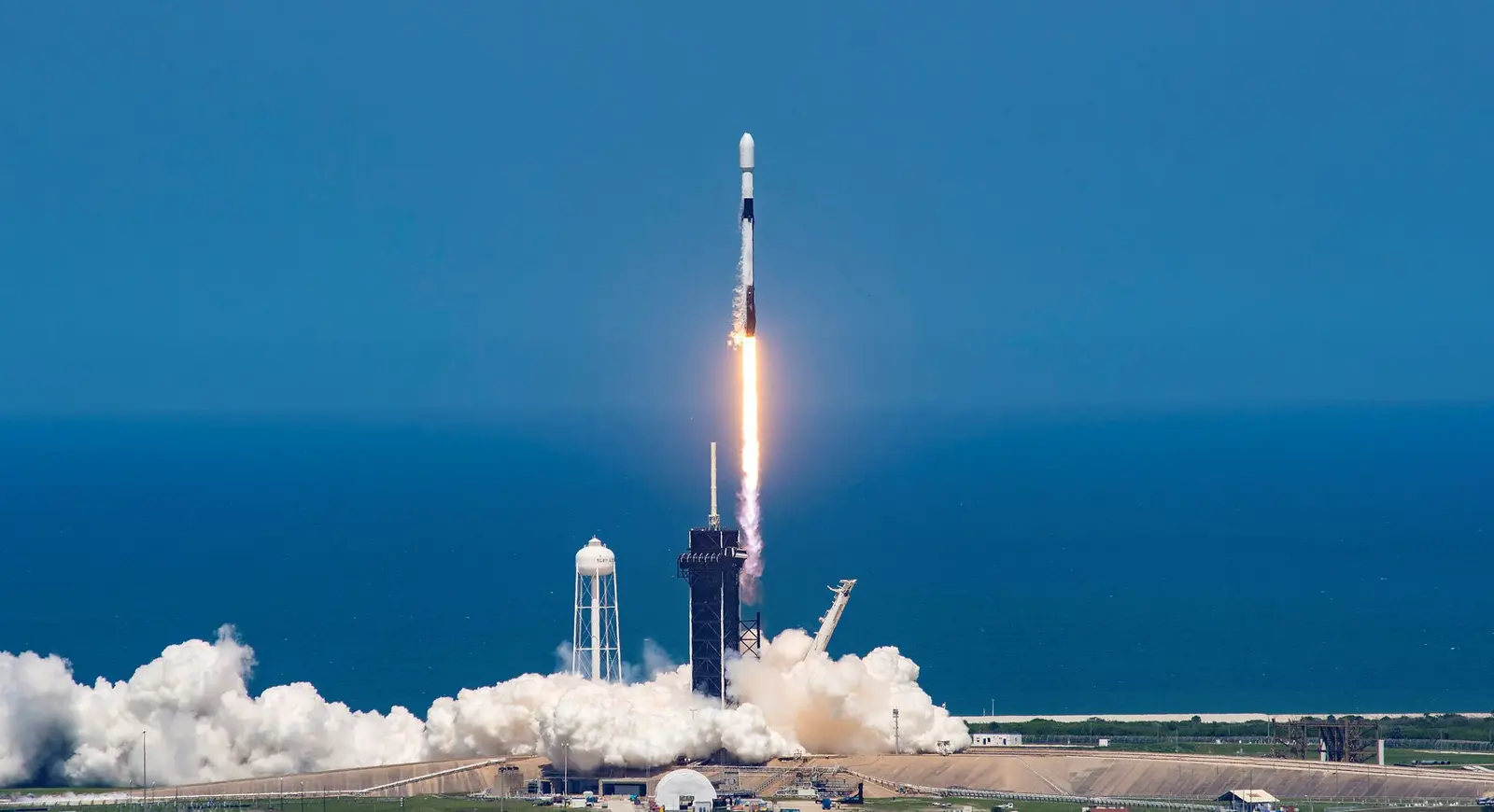
Falcon 9
OperationalSpaceX's partially-reusable workhorse — the most-flown orbital rocket in history.
Solar Eclipse
When the Moon blots out the Sun — the geometry, science, and history of Earth's most dramatic astronomical event.
Sources
- Blue Ghost Mission 1: Live Updates — Firefly Aerospace
- Blue Ghost Mission 1 — Wikipedia
- Firefly Blue Ghost Mission 1 Lunar Landing — NASA+
- Blue Ghost Mission 1 — Firefly Aerospace
- NASA Science Continues After Firefly's First Moon Mission Concludes — NASA
- Blue Ghost — Firefly Aerospace product page
- Touchdown: Firefly's Blue Ghost completes Moon landing — SSC Space
- Commercial Lunar Payload Services — NASA
- Blue Ghost Mission 1 and HAKUTO-R M2 Resilience — Next Spaceflight
- Firefly Aerospace's Blue Ghost Mission 1 concludes successful 14-day mission — Spaceflight Now
- Blue Ghost Mission 1 Mission Retrospective — USRA LPSC 2026 PDF
- CLPS Firefly Blue Ghost Mission One Press Kit — NASA PDF